 Free shipping on orders over £29,85
  Shipping Tracking!


 Google
 Facebook
← Back to How to make a resin mould?
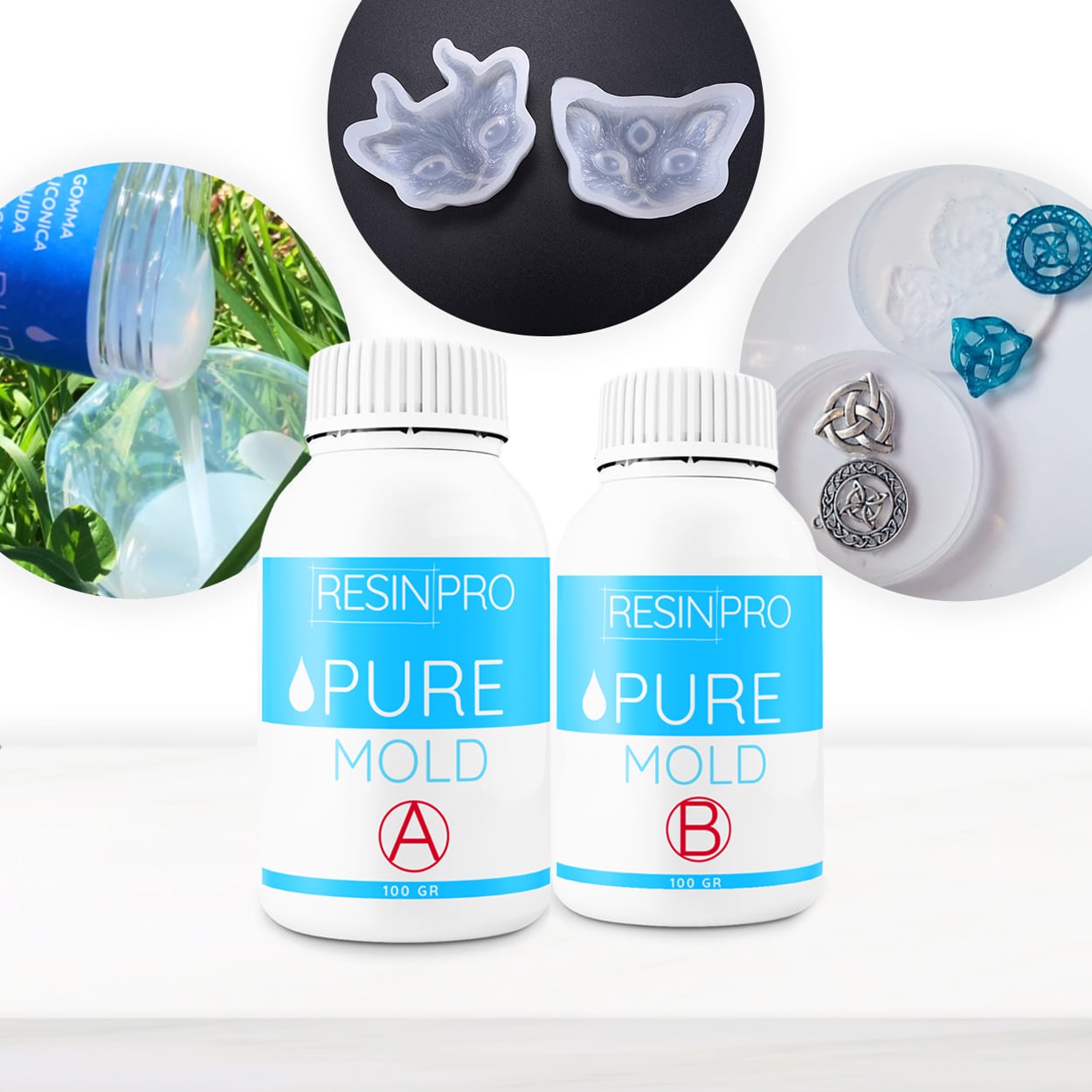
If you want crisp details, easy release, and long-lasting performance in resin casting, picking the right silicone matters. Here’s how to choose the best type for your project and get superior results every time.
Why Platinum-Based Silicone Leads the Way
For amateur crafters and professionals alike, platinum-based silicones stand out for resin mould making. Their translucency lets you check fine detail during pouring, while excellent flexibility ensures effortless demoulding—even from intricate patterns. This not only preserves delicate features but extends the mould’s lifespan over many uses.
If you want a reliable all-rounder, Pure Mould – Translucent Liquid Silicone Rubber for Mould Making is a popular choice, mixing easily and curing fast for minimal down time.
Choosing and Using Silicone for Resins
Look for a silicone rubber with a simple 1:1 mixing ratio and a curing time that suits your workshop routine—ideally within just a few hours. Translucent silicones like Pure Mould not only show up detail well but work smoothly with resins, plasters and cements. Always measure components accurately, mix thoroughly, and pour slowly to avoid air pockets.
- Clean, dust-free masters give best results.
- Ensure cured silicone is free from tackiness before starting resin work.
- Store unused silicone sealed and away from direct sunlight to maintain quality.
When This Matters: Precision and Reusability
If your project features fine designs, model parts or requires repeated casting, a platinum-based, translucent silicone will help protect details and minimise distortion from frequent use. Mould shrinkage is generally minimal, though may show in very large pieces—plan your master sizes accordingly.
Related products
Related guides
Selecting a quality silicone rubber is key to successful resin mould making, ensuring you achieve detailed, reusable moulds that bring your creative ideas to life. For more tips and guides, return to our main How to make a resin mould? page.