 Free shipping on orders over £29,85
  Shipping Tracking!


 Google
 Facebook
← Back to How to make a mould with silicone rubber and flour?
If you’re planning to make a mould with silicone rubber and flour, you might be wondering if a release agent is always required. The right approach depends on the type of item you’re moulding, as well as the materials involved.
When Is a Release Agent Necessary?
Release agents are particularly important when moulding objects made from porous materials, such as wood, plaster, or unsealed clay. These surfaces tend to grip onto the silicone, which can make demoulding tricky or damage the original. Applying a suitable release product helps create a barrier between your object and the silicone, making removal smooth and protecting both the mould and master.
However, if you are using non-stick or very smooth items (like polished plastic, glass, or certain metals), a release agent might not be strictly necessary. It’s always best to run a small patch test on a discreet area before creating the full mould, so you can see whether any sticking occurs.
Tips for Effective Mould Release
- Testing First: Prior to starting your main project, apply a bit of silicone mixture to your master item and allow it to cure. This checks compatibility and sticking issues.
- Choosing a Release Agent: If needed, select a release agent formulated for use with silicone rubber to avoid any curing issues or residue on your moulded parts.
- Thorough Coverage: If applying, ensure the release agent is brushed or sprayed evenly across every surface, particularly in detailed or hard-to-reach areas.
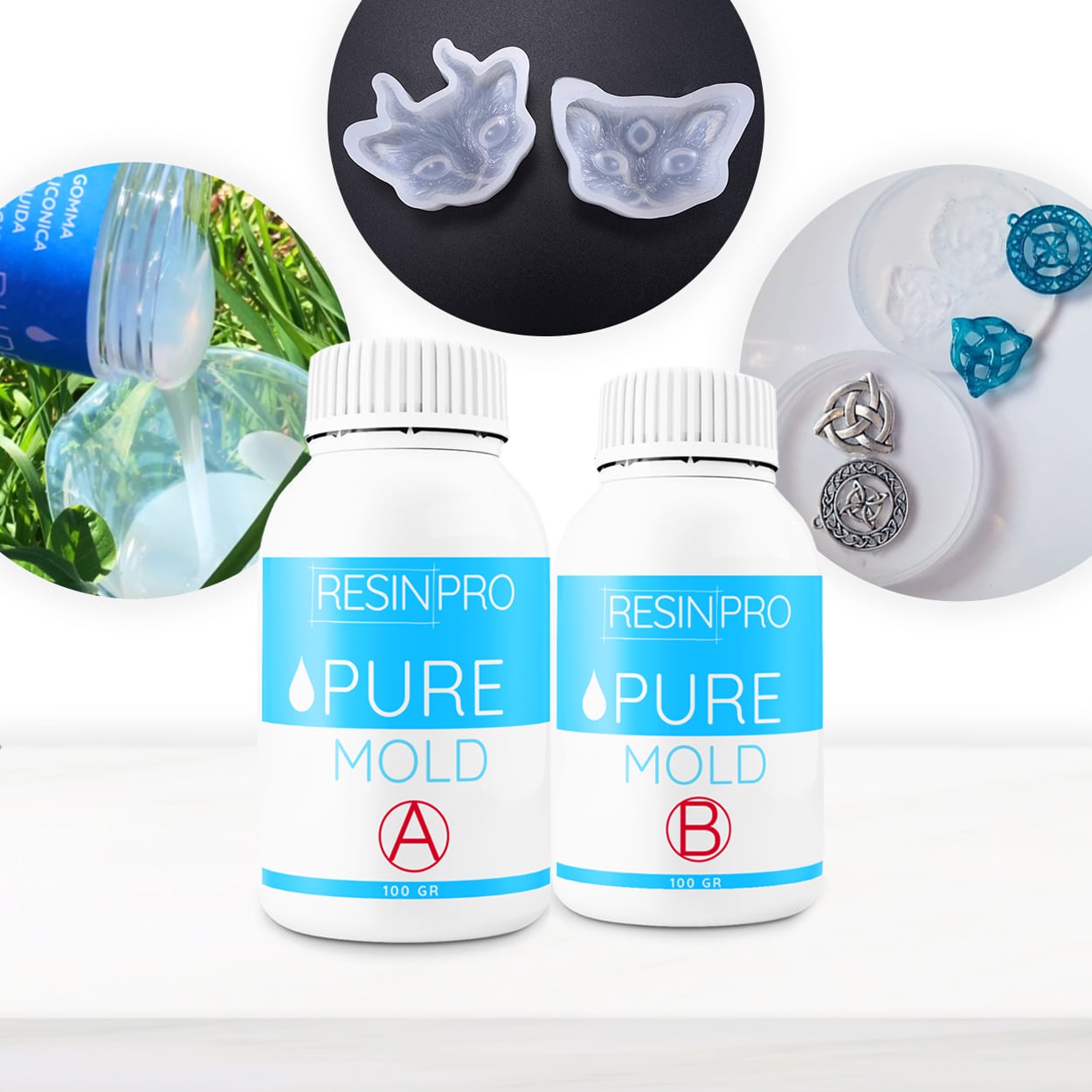
For highly detailed or undercut pieces, using a professional silicone rubber like “Pure Mould” – Translucent Liquid Silicone Rubber for Mould Making can help, thanks to its excellent release properties and fine detail reproduction.
When This Matters Most
Release agents come into play primarily when working with masters you want to preserve in perfect condition, or when the surface is especially absorbent. They are less crucial for disposable or non-porous models, but are an easy way to boost success rates and protect your work.
Related products
Related guides
Deciding whether to use a release agent depends on your project’s materials and goals. For best results with silicone and flour moulds, always consider your master’s surface and test first. For more advice on starting your moulding projects, visit our main guide on how to make a mould with silicone rubber and flour.