 Free shipping on orders over £29,85
  Shipping Tracking!


 Google
 Facebook
← Back to How to make a mould with silicone rubber and flour?
When preparing to make a mould using silicone rubber and flour, one important but often overlooked step is sealing your master pattern with a release agent. This ensures not only easier demoulding but can also protect fine details and prevent ruining your original item.
Why Use a Release Agent?
A release agent acts as a barrier between your master (the original shape) and the silicone rubber. Applying one reduces the risk of silicone sticking, which can otherwise complicate removal and potentially damage both the mould and your original piece. This is especially crucial for masters with an intricate surface, fine details, or made from porous materials like wood or plaster, which may bond with silicone or absorb it if left untreated.
Choosing and Applying the Right Release Agent
Select a release agent suitable for silicone moulding—common options include specialised sprays or even petroleum jelly for certain objects. Begin by ensuring your master is clean and dry. Apply a thin, even layer of the release agent across the entire surface, making sure to cover any undercuts or fine features. Too much product can obscure detail, while too little may not provide adequate release. Allow the agent to dry if required by the product instructions before proceeding with silicone application.
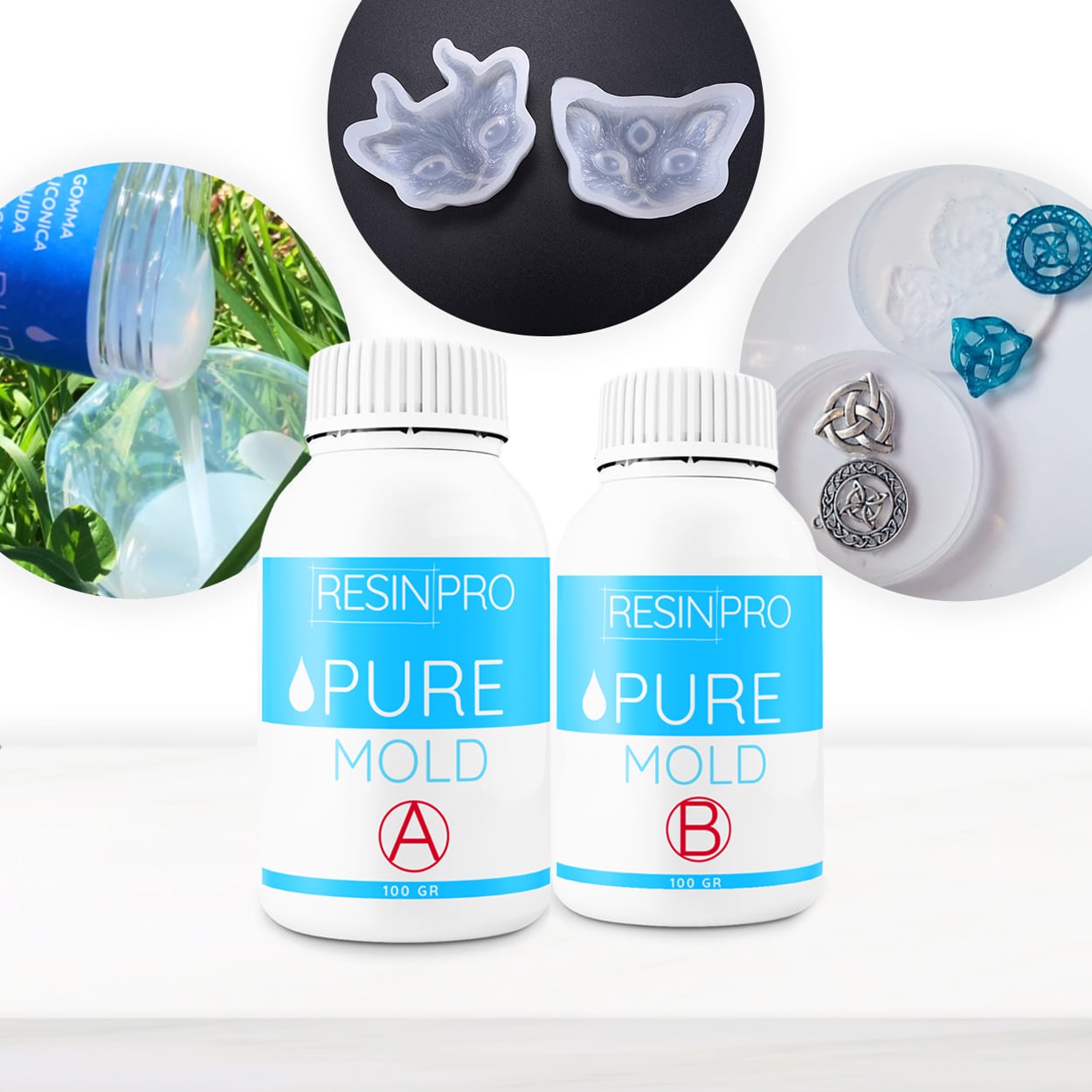
If you’re using advanced silicone rubbers such as “Pure Mould” Liquid Silicone Rubber, check if the rubber’s properties allow for moulding without a release agent for non-porous masters, but when in doubt, use a release agent to be safe.
When Is Sealing Essential?
- Porous Surfaces: Materials like wood, unglazed ceramics, or plaster absorb silicone, so sealing is a must.
- Reusing Masters: If you plan to make several moulds from a single master, a release agent helps preserve its finish.
- Complex Details: Fine engraving or delicate features benefit from protection, ensuring detail is not lost during demoulding.
Related products
Related guides
Taking the time to seal your master with a suitable release agent ensures smooth mould removal and prolongs the life of both your mould and the original item. For more tips and a step-by-step on combining silicone rubber with flour for mould making, return to our main guide on how to make a mould with silicone rubber and flour.