 Free shipping on orders over £29,85
  Shipping Tracking!


 Google
 Facebook
← Back to How to make a multipurpose resin basketball court?
When planning a multipurpose resin basketball court, weather conditions play a crucial role in ensuring a durable and stable installation. Understanding the right conditions helps achieve the best results and long-lasting performance.
Why Weather Matters for Resin Application
Resin surfaces rely on proper bonding and curing, both of which are directly influenced by temperature and humidity at the time of installation. Working in wet or cold weather can severely impact the adhesion of the resin, resulting in bubbling, uneven curing, or even long-term structural issues.
Always check the forecast before starting your project, as weather-related mishaps can be time-consuming and costly to fix.
Recommended Temperature and Conditions
For optimal results, apply resin only in dry conditions with air temperatures between 10°C and 40°C. The environment should be free from rain and high humidity, as moisture can stop the resin from curing correctly or cause cloudiness and surface issues.
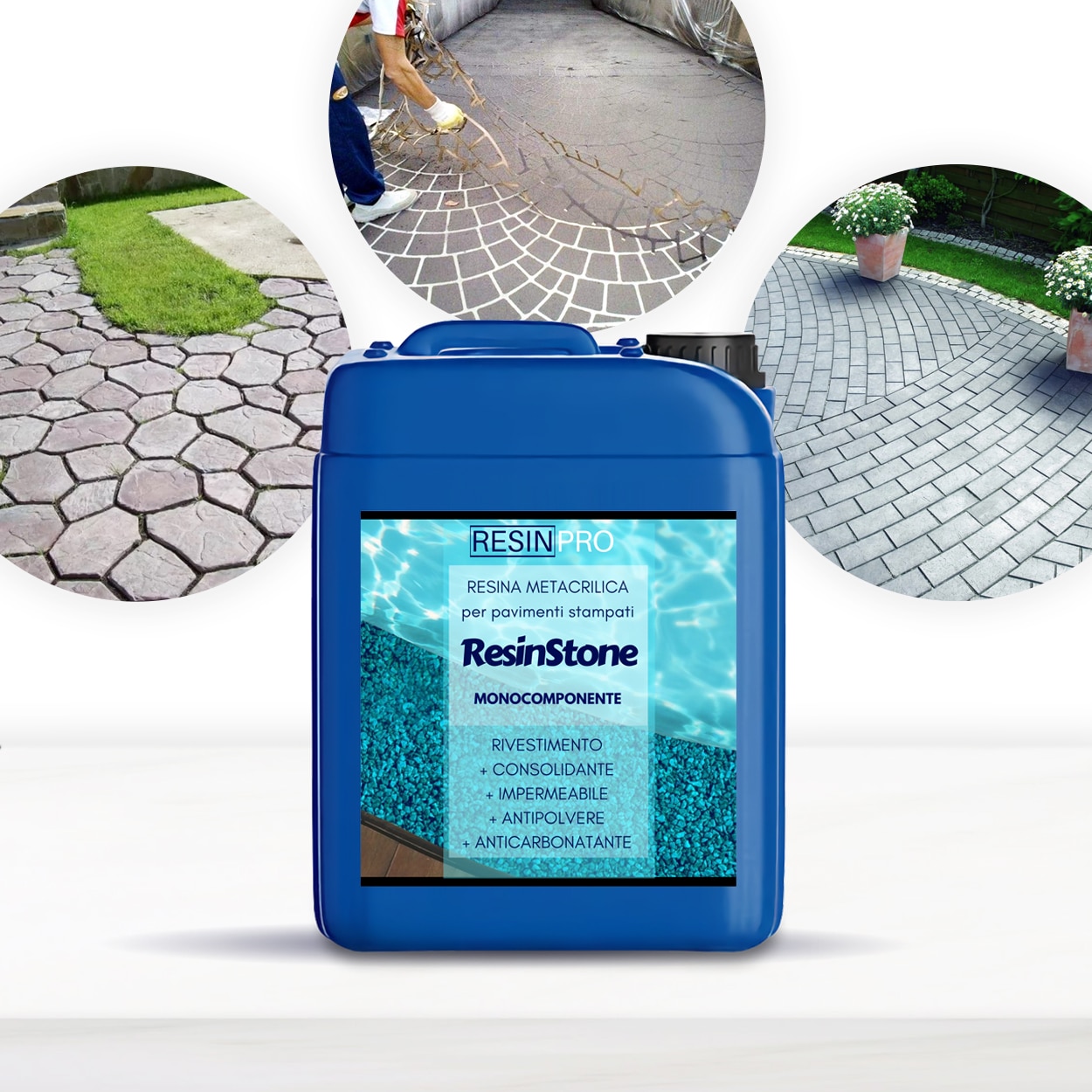
If you are using a product such as Resinstone for your court surface, these conditions are especially important to guarantee durability and a fault-free finish.
When This Matters Most
- Outdoor courts exposed to the elements need careful timing; a surprise shower can ruin fresh resin work.
- Installations in spring or autumn should be closely monitored, as UK weather can quickly change, impacting surface quality.
Related products
Related guides
Adhering to ideal weather conditions during resin application will help you achieve a reliable, multipurpose sports surface. For more in-depth guidance on planning and constructing your resin basketball court, visit our main guide on how to make a multipurpose resin basketball court.