 Free shipping on orders over £29,85
  Shipping Tracking!


 Google
 Facebook
← Back to How to make a resin handle
Getting a flawless resin handle begins with careful resin mixing and proper mould preparation. This guide offers step-by-step advice for successful results, whether you’re making your first or your fiftieth handle.
Selecting the Right Resin and Mould
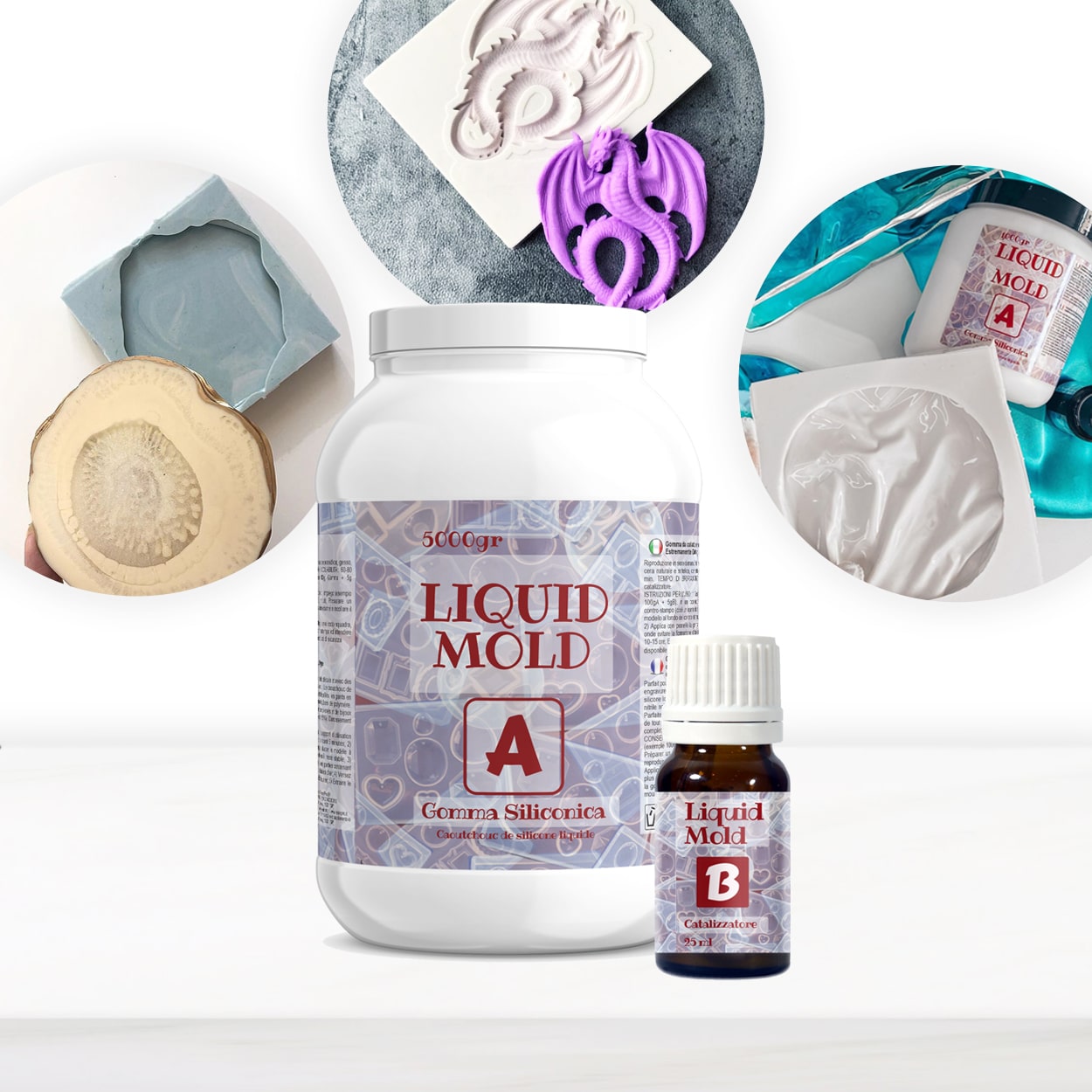
Different projects require different resins. For most resin handle casts, ensure the resin‘s depth matches your design. For handles with thickness up to 5 cm, a specialist product such as EpoxyTable 5-Five is ideal, offering clarity and resistance to yellowing. For intricate or shaped handles, silicone moulds enable excellent detail capture. Liquid silicone rubber, like Liquid Mould, is well suited for custom and repeatable projects.
Mixing Resin for Casting
Always follow your resin’s ratio instructions – usually a combination of resin and hardener (A+B). Use clean, dry containers and mix slowly to minimise trapped air. Stir from the sides and base of the pot to ensure all material is blended, and avoid brisk mixing which introduces bubbles. Choose a cool, dust-free environment for optimal results.
- Wear gloves and work on a protected surface.
- Pre-warm resin bottles in slightly warm water if recommended, to ease pouring and mixing.
Preparing and Pouring Into the Mould
Before you pour, ensure your mould is clean, dry, and stable on a flat surface. For new moulds, apply a mould release agent if required. Position any inserts or decorative elements inside the mould before pouring. Once mixed, pour the resin gently into one corner of the mould, allowing it to flow and self-level. For best results with detailed silicone moulds, pour slowly and use a gentle stream to limit bubbles.
- If trapped bubbles appear, use a torch or fine mist spray of alcohol to help them rise and dissipate.
- Allow adequate curing time as specified by your resin manufacturer. Resist removing the handle too soon to avoid warping or surface marks.
When Mixing and Mould Prep Matters Most
Meticulous mixing and mould preparation are essential for handles with clear finishes or embedded objects, where clarity and surface quality really count. Skipping care at these stages can lead to bubbles, soft spots, or poor edge definition.
Related products
Related guides
Following these steps helps ensure that your resin handle project starts with a flawless mix and a clean, well-prepared mould. For further guidance on finishing and assembly, explore the full how to make a resin handle tutorial.