 Free shipping on orders over £29,85
  Shipping Tracking!


 Google
 Facebook
How to make a resin handle
Step-by-step process for custom resin handle creations

Crafting a custom resin handle opens up a world of creativity—whether for knives, tools, or bespoke furniture, mastering this technique offers both functional and decorative results. This guide leads you through each stage, from initial preparation to achieving a polished, professional finish on your handle.
What You’ll Need
- “Liquid Mould” – Casting Liquid Silicone Rubber, 5-40 Shores, Bi-Component A+B: For creating a detailed and reusable mould of your chosen handle shape.
- “EpoxyTable 5-Five” – Deep Pour Epoxy Resin for Tables and Large Projects – Up to 5cm: A suitable option for handles requiring strength and clarity up to 5 cm thick.
- Mould release agent or petroleum jelly
- Protective gloves, apron, and eye protection
- Mixing cups and stirring sticks
- Precision scale
- Sandpaper (various grits), polishing compound, and clean cloths

Essential Materials for Resin Handle Projects
Using high-quality silicone rubber for mould making and the right deep pour epoxy resin ensures your resin handle will have superior clarity and long-term durability. Gloves and safety gear are necessary when handling chemicals; always work in a well-ventilated space for best results.
Mix the Resin and Prepare the Mould
Begin by ensuring your work area is clean, well-ventilated, and all materials are ready. If you’ve not already created a mould, use a master handle blank and surround it with a container sized to your finished handle. Mix “Liquid Mould” – Casting Liquid Silicone Rubber, 5-40 Shores, Bi-Component A+B as per the package instructions, then pour slowly over the master to capture every detail. Allow to cure for the recommended time (typically 10–12 hours), and carefully remove your newly formed silicone mould.
If your silicone mould is already made, apply a suitable mould release agent or thin layer of petroleum jelly to all internal surfaces to aid demoulding and prevent resin sticking.
Prepare your chosen resin by weighing and mixing according to the manufacturer’s ratio. For handle applications up to 5cm, “EpoxyTable 5-Five” – Deep Pour Epoxy Resin for Tables and Large Projects – Up to 5cm provides a strong, clear result. Mix slowly to minimise bubbles and allow to rest shortly for bubbles to rise and dissipate.
Cast the Resin into the Mould
Once your resin is fully blended and bubble-free, slowly pour it into the prepared mould, filling from the lowest point to help air escape and achieve a crisp surface. If adding colourants or decorative embeds, do so now and stir gently to distribute them without creating air pockets.
Agitate the mould lightly to release trapped bubbles. For thicker handles or particularly deep moulds, consider pouring in stages if required by the resin’s instructions. Cover your project and allow it to cure for the specified period in a dust-free environment. Avoid extreme temperatures or movement, as this can affect the handle’s final clarity and strength.
Demould the Handle and Finish
After full curing (often 24–72 hours depending on resin used, thickness, and ambient temperature), carefully remove your resin handle from the mould. Flex the silicone gently to ease the cast out, supporting any thin or fragile sections to prevent damage.
Inspect your handle for imperfections or raised edges. Begin sanding with a coarse grit (e.g. 240), progressing to finer grades for a smooth, even finish. Polish with a dedicated compound and a soft cloth or pad for maximum clarity and shine, highlighting the embedded details within the resin.
Fine-tuning and Troubleshooting
Pay close attention to curing times, accurate measurement, and thorough mixing to avoid common issues such as soft spots or cloudiness in your resin handle. Always sand in stages rather than skipping grits, and protect the mould from dust to ensure a flawless result. If your handle is tacky or shows bubbles, check temperature and humidity recommendations and allow additional curing time if needed.
Project Perfection: Extra Advice for Your Resin Handle
Letting your resin handle cure thoroughly is key to proper hardness and clarity. Take care when removing the handle from the mould to prevent cracks or chips. Final polishing elevates the appearance and tactile quality, offering a professional finish that lasts.

- “Epoxytable 10-Ten” – Deep Pour Epoxy Resin for Tables, Up to 10cm CastingPrice range: £33.85 through £334.85“Epoxytable 10-Ten” is an epoxy resin designed for super-deep castings up to 10cm suitable for table creation on the 'How to make a resin handle'…
 "EpoxyTable 5-Five" – Deep Pour Epoxy Resin for Tables and Large Projects – Up to 5cmPrice range: £16.85 through £1,099.85EpoxyTable 5-Five is a deep pour epoxy resin suitable for tables and large projects with work up to 5cm thickness.
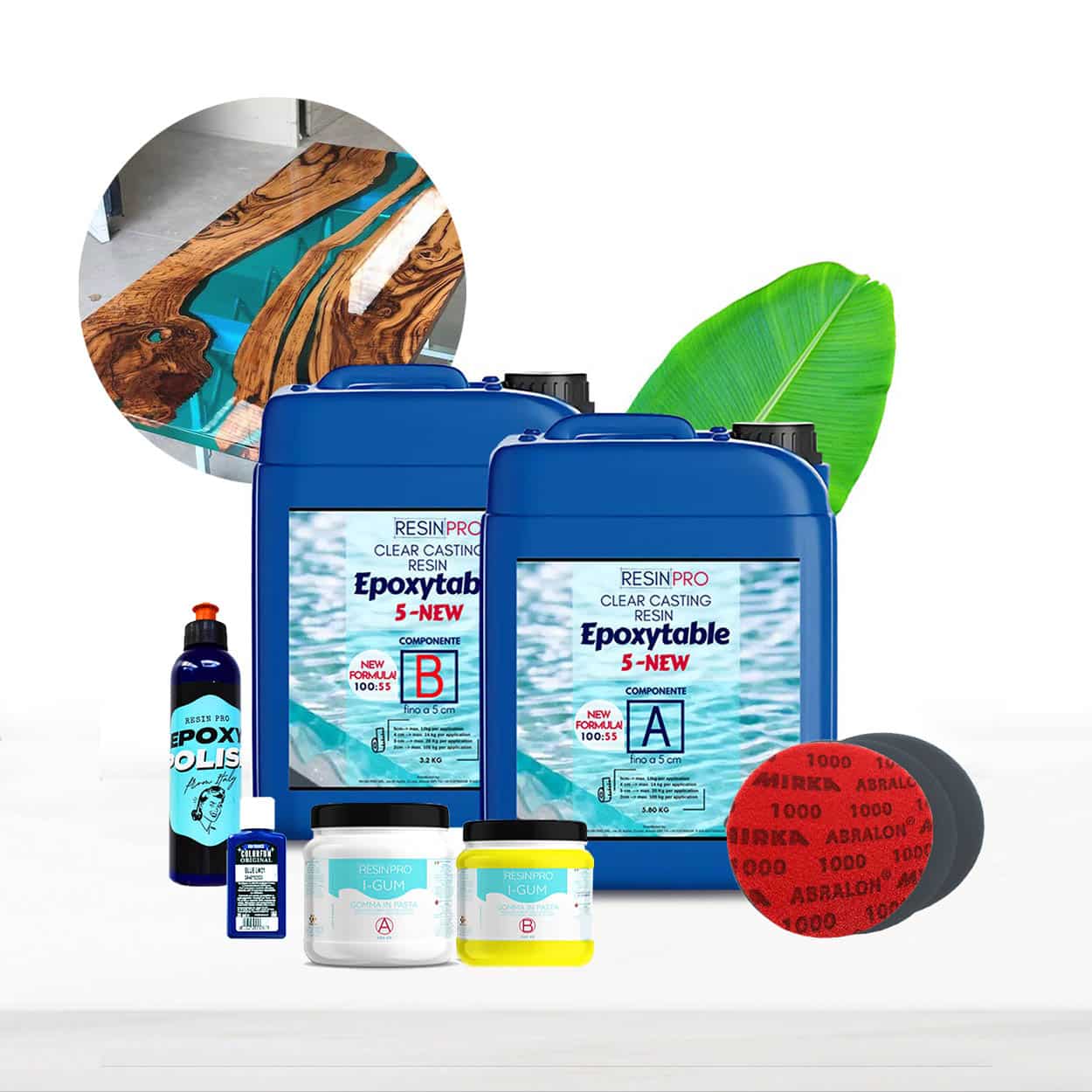 "River-Table" – Complete Kit for Creating Your First Epoxy Resin TablePrice range: £188.85 through £444.85"River-Table" kit includes resin, pigments, sealant and polishing materials with detailed instructions for creating your first resin table.
 "Liquid Mould" – Casting Liquid Silicone Rubber, 5-40 Shores, Bi-Component A+BPrice range: £13.45 through £368.85"Liquid Mould" – Casting Liquid Silicone Rubber is suitable for creating detailed moulds, well suited for making resin handles with fine detail.
Frequently Asked Questions
Which epoxy resin is best for making a resin handle?
Choose a deep pour epoxy resin like EpoxyTable 5-Five for handles up to 5cm thick for optimal strength and clarity.
How can I avoid bubbles in my resin handle?
Mix resin slowly, pour gradually, and use tapping or light agitation to help bubbles escape. Let the filled mould rest before curing.
How long should I wait before demoulding my handle?
Wait until the resin is fully cured—typically 24 to 72 hours—before removing from the mould to avoid damage or deformation.
Can I use silicone moulds for resin handles?
Yes, silicone moulds are ideal for resin handles as they flex easily for demoulding and capture intricate detail.
What is the best way to polish a resin handle?
Use progressively finer sandpaper, then apply a plastic-safe polishing compound and a soft cloth for a glossy finish.
Can I add objects or colour to my resin handle?
Yes, you can add pigments, dyes, or embed small decorative items. Ensure they're fully sealed and compatible with epoxy resin.