 Free shipping on orders over £29,85
  Shipping Tracking!


 Google
 Facebook
← Back to How to make a resin handle
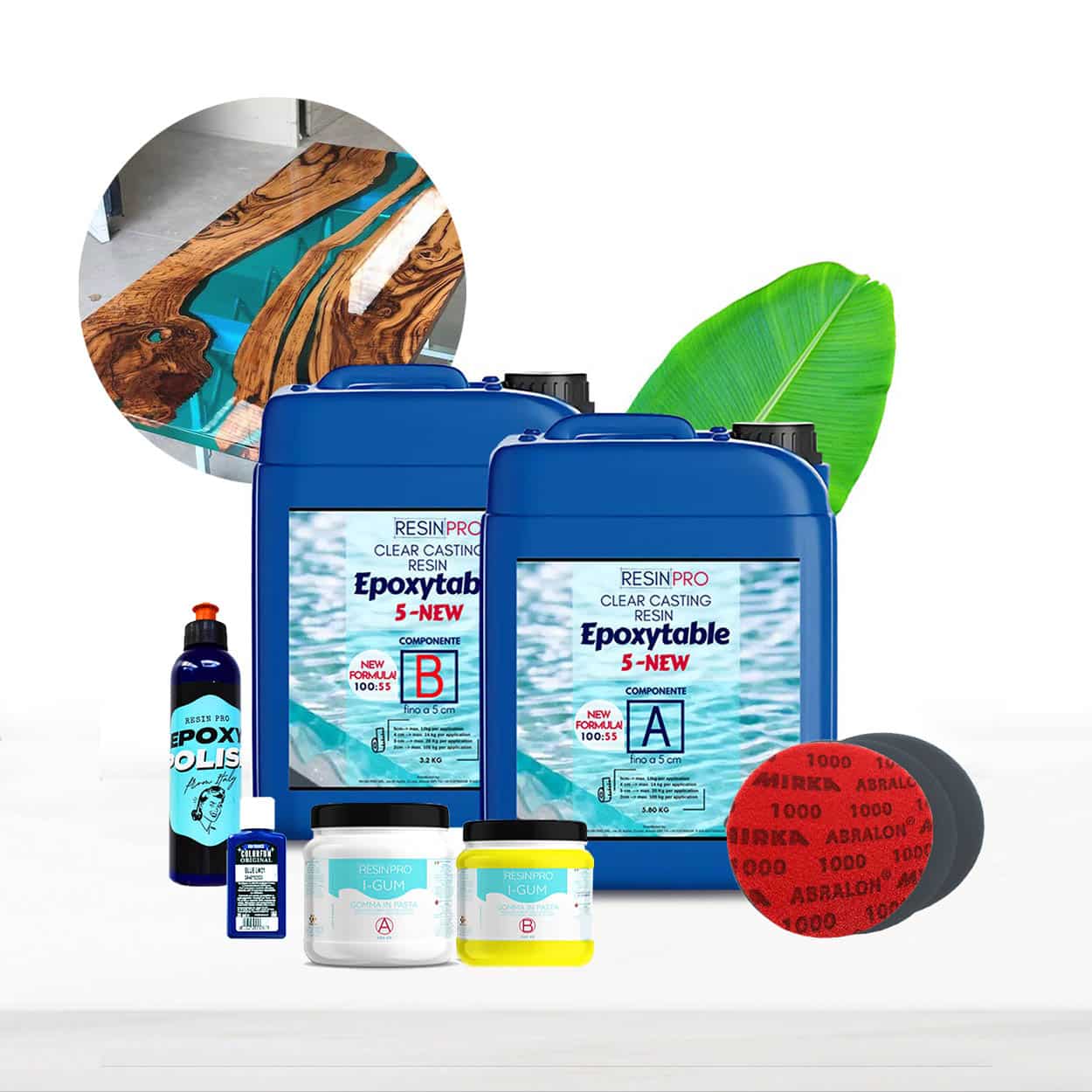
After your resin handle has fully cured, it’s time to carefully demould and bring out a polished, professional look. This crucial final step makes all the difference to your project’s usability and visual appeal.
Removing the Handle from the Mould
Begin by gently flexing the mould to loosen the handle. If you’ve used a quality release agent or a tailored release film, as found in kits like the “River-Table” Complete Kit, this process will be much smoother. Take care not to force or twist the resin, as this may cause cracks or marks. For complex handles with tight curves or fine details, consider using moulds made from casting silicone, which can be carefully peeled away without damaging your workpiece.
Sanding and Polishing
Once demoulded, you’ll likely notice sharp edges or a slight cloudiness, especially if your resin handle has intricate shapes. Start with a fine grit sandpaper (around 360 grit), progressively moving to higher grades (up to 4000 grit) for a smooth finish. Kits such as “River-Table” often include polishing creams and pads designed for resin. Apply a small amount of polishing compound and buff the handle until you achieve the desired gloss. Always work in a well-ventilated area and wear protective gear.
When This Matters Most
If your resin handle is intended for functional use—such as on furniture or tools—thorough finishing ensures durability and comfort. Proper demoulding and polishing are especially important for handles that will be touched frequently or exposed to the elements, preventing rough spots and extending longevity.
Related products
Related guides
Finishing your resin handle with care elevates both its aesthetics and functionality. Explore further on how to make a resin handle for more detailed guidance on the entire process.