 Free shipping on orders over £29,85
  Shipping Tracking!


 Google
 Facebook
← Back to How do you make a mould with silicone rubber?
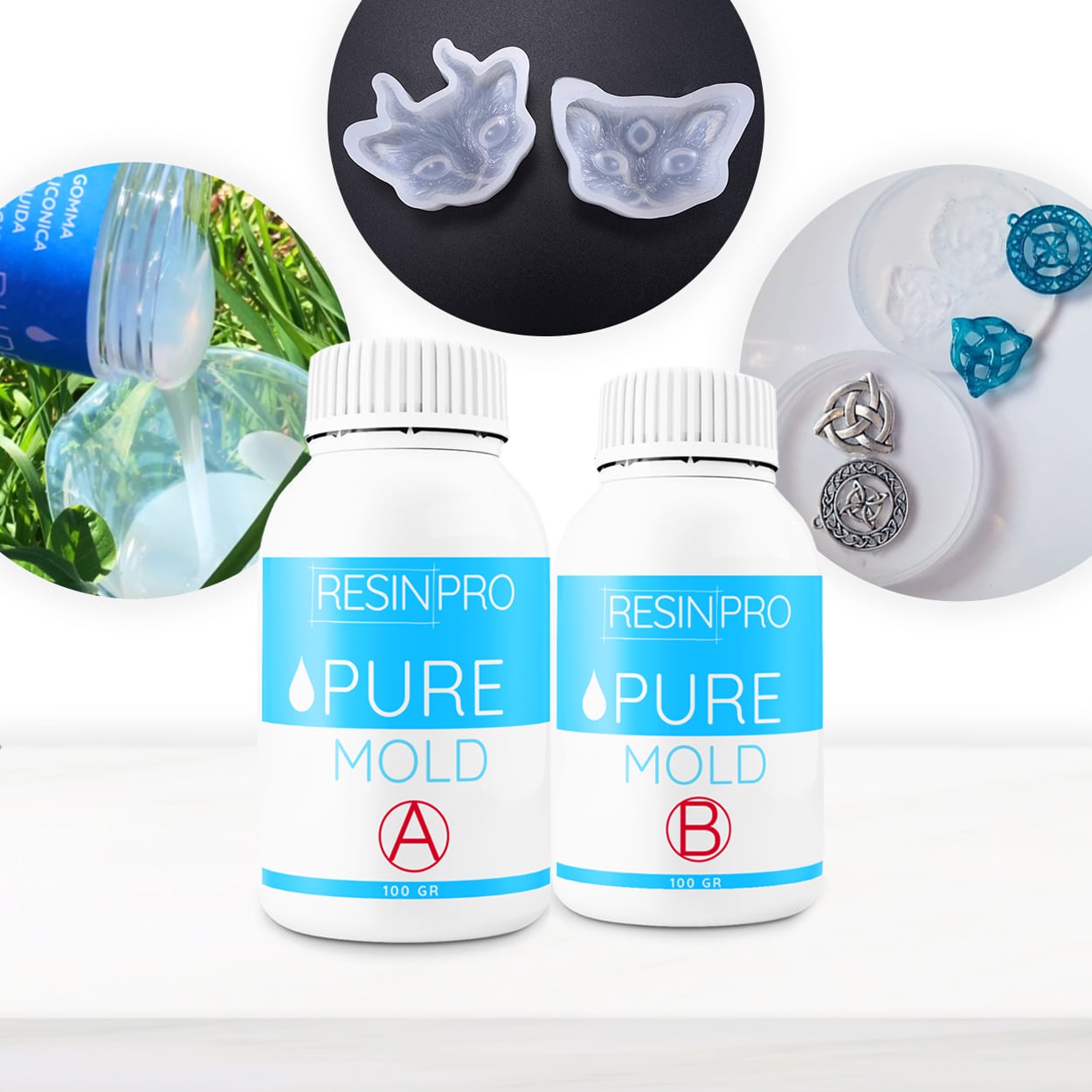
Making silicone rubber moulds is surprisingly accessible and does not generally require any specialist or expensive equipment. Whether you choose a pourable silicone or a putty, most essential tools can be found in any home or craft studio.
Essential Equipment for Beginners
For those starting out, the basics are straightforward: a clean surface, disposable mixing containers, and simple stirring sticks. If you choose a two-part liquid silicone like “Pure Mould” liquid silicone rubber, you’ll need a container to combine and mix the components. Ordinary plastic cups and wooden sticks work well. For measuring, standard kitchen scales suffice for weighing each part.
No Tools Needed With Putty
Silicone putty, such as “I–Gum” silicone putty, can be mixed and shaped entirely by hand with no need for extra tools. The putty is non-toxic and odourless, making it easy to handle directly. Simply knead together equal parts, then apply it to your item—no gloves, spatulas, or specialist mixing bowls are required.
When This Matters
If you are creating large or highly detailed moulds, you may benefit from using extras like measuring jugs, a jug for controlled pouring, or even a spatula for scraping. However, most DIY or crafting projects only call for everyday utensils and careful mixing, making silicone mould making approachable for all skill levels.
Related products
Related guides
Whether you’re using liquid silicone or putty, you can easily make your own moulds without investing in specialist tools—just some care and basic utensils will do. For more step-by-step guidance, explore our full advice on making moulds with silicone rubber.