 Free shipping on orders over £29,85
  Shipping Tracking!


 Google
 Facebook
← Back to How do you make a mould with silicone rubber?
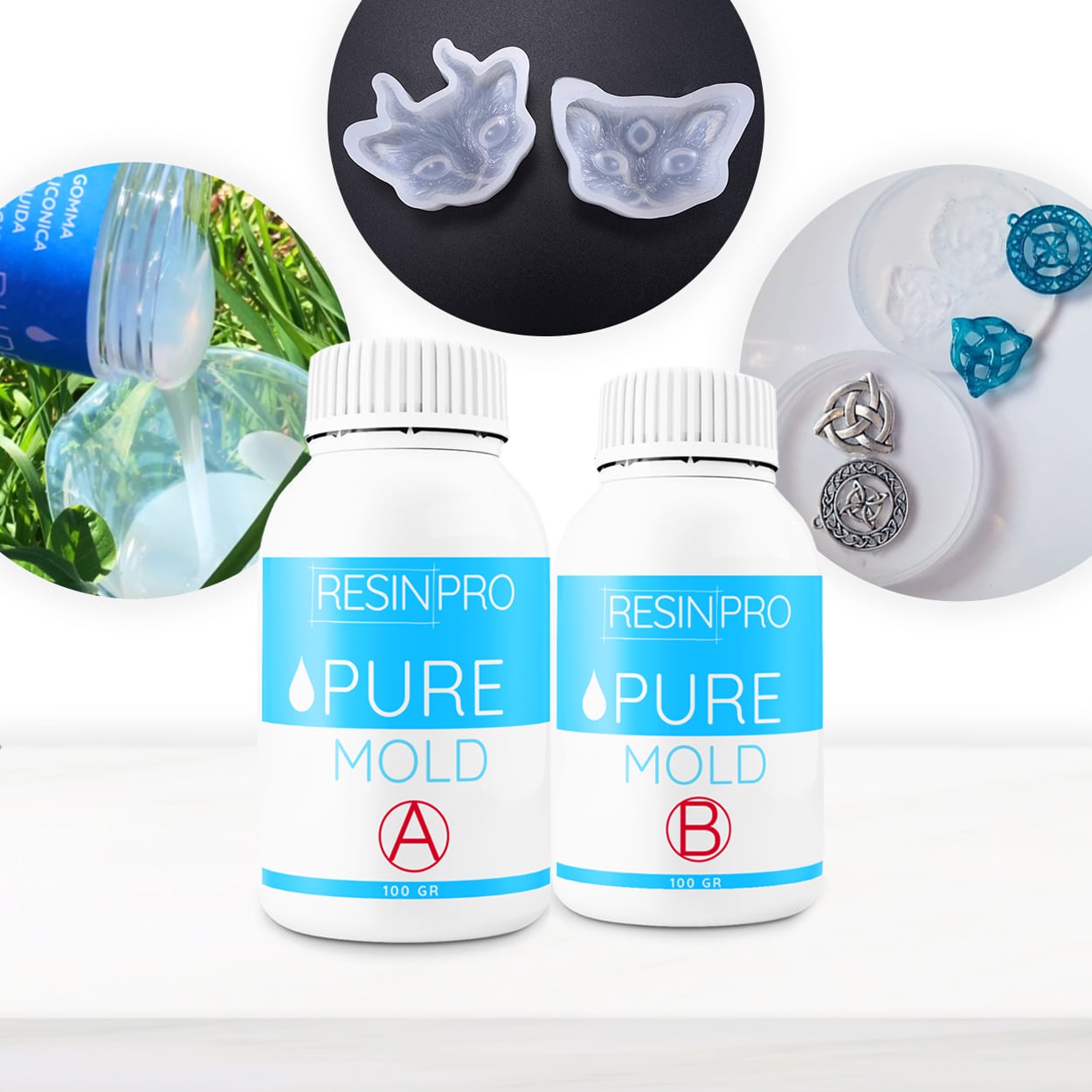
Translucent liquid silicone rubbers have become a top choice for those wanting to create high-quality, reusable moulds that capture fine details. Whether you are casting resin, plaster, or wax, these materials offer a blend of precision and reliability.
Key Qualities and Uses
Translucent silicone rubbers are valued for their ability to replicate intricate designs and allow you to see through the mould during the casting process. Products like the “Pure Mould” – Translucent Liquid Silicone Rubber for Mould Making are platinum-based and suitable for use with various materials, including epoxy and polyester resins, polyurethanes, cements, and plasters. Their compatibility makes them ideal for craft projects, jewellery, candle making, and technical model reproduction.
Mixing and Application Advice
Most translucent silicones are easy to mix, often requiring a 1:1 ratio of components, resulting in a fast cure time—usually within 3 to 8 hours. This fast setting is particularly useful if you need multiple casts in a short time. When mixing, ensure you combine the parts thoroughly for even curing and minimal bubbles. The material’s fluid consistency allows it to flow around complex shapes and undercuts, capturing every fine feature of your original model.
When Transparency Is Important
Translucent rubbers are especially useful when you need to monitor the curing process or accurately position objects inside the mould. For example, artists and creators may prefer them for making jewellery or incorporating objects into castings, as you can check placement through the mould wall.
Related products
Related guides
Choosing the right translucent liquid silicone rubber can make a difference in the quality and reliability of your moulds. For more guidance on selecting and using silicone rubbers, see our main advice page on how to make a mould with silicone rubber.