 Free shipping on orders over £29,85
  Shipping Tracking!


 Google
 Facebook
how to make a mould for a resin bracelet
Step-by-step method to create customised resin bracelet moulds
Creating a mould for a resin bracelet allows you to bring your bespoke jewellery designs to life. Whether you want to replicate a favourite piece, experiment with new shapes, or start your resin crafting journey, this guide shares practical steps and techniques to confidently create your own bracelet mould. Achieving a reliable and clean mould ensures greater success and satisfaction when casting resin bracelets, making the process accessible for all skill levels.
What You’ll Need
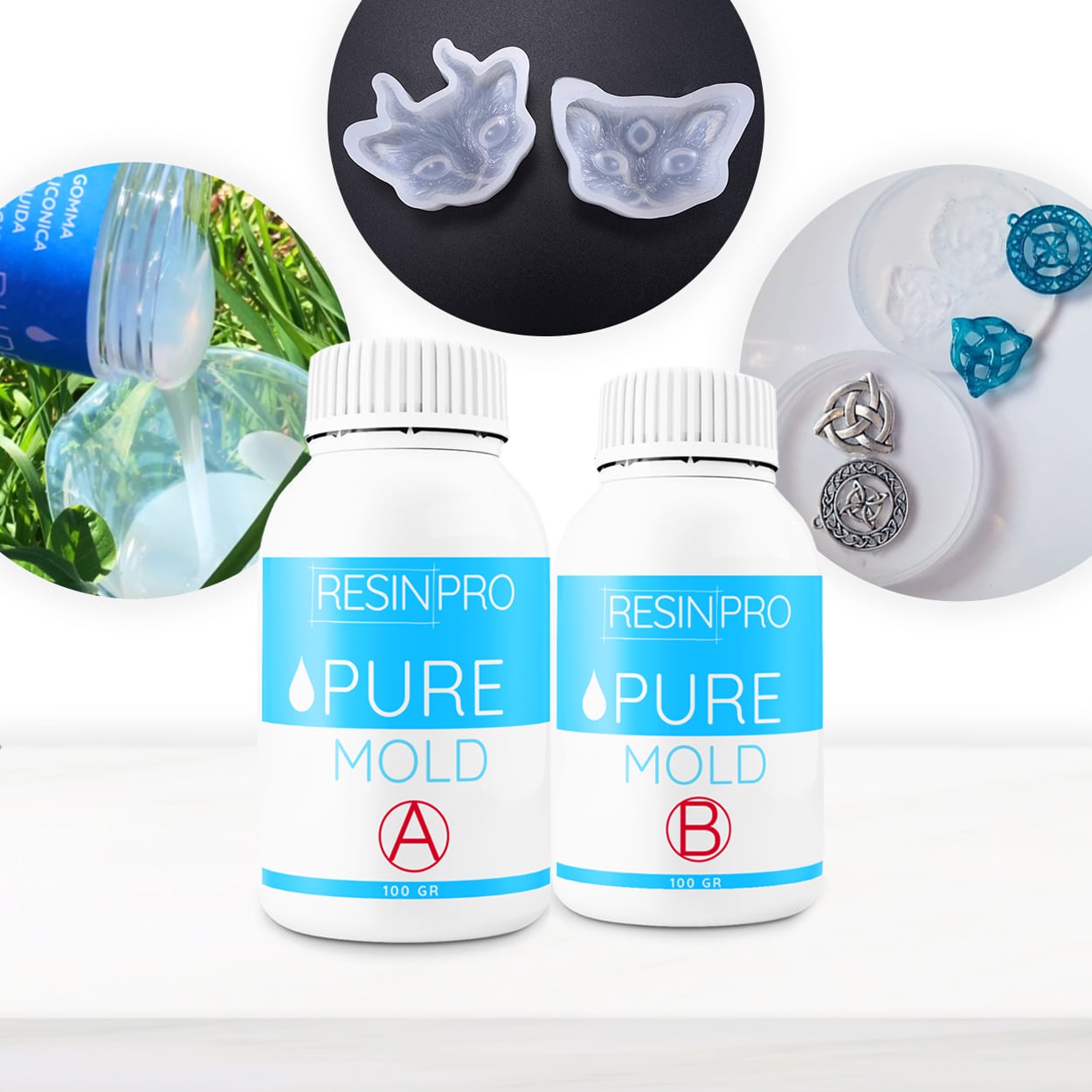
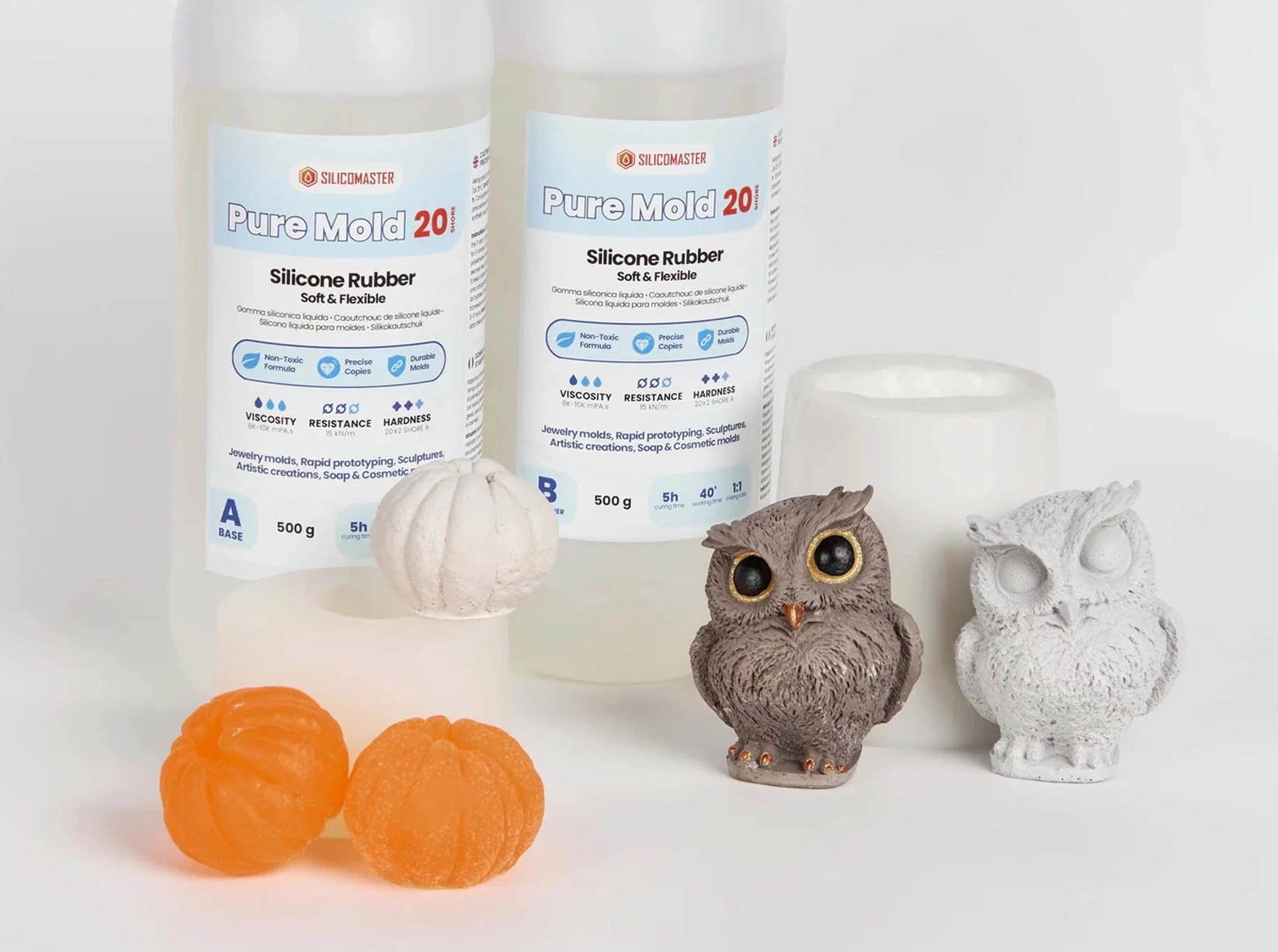
- “Pure Mould” – Translucent Liquid Silicone Rubber for Mould Making: A fast-setting, detailed silicone rubber ideal for creating custom bracelet moulds.
- A model of your desired bracelet shape (can be an existing bangle or a sculpted form).
- Mould box or container (flexible and non-porous, larger than your bracelet model).
- Mould release agent (optional, but useful for easier demoulding).
- Mixing cups and stirring sticks.
- Gloves and apron for protection.
- Digital scale for precise measurement.
Choosing the Right Silicone for Moulds
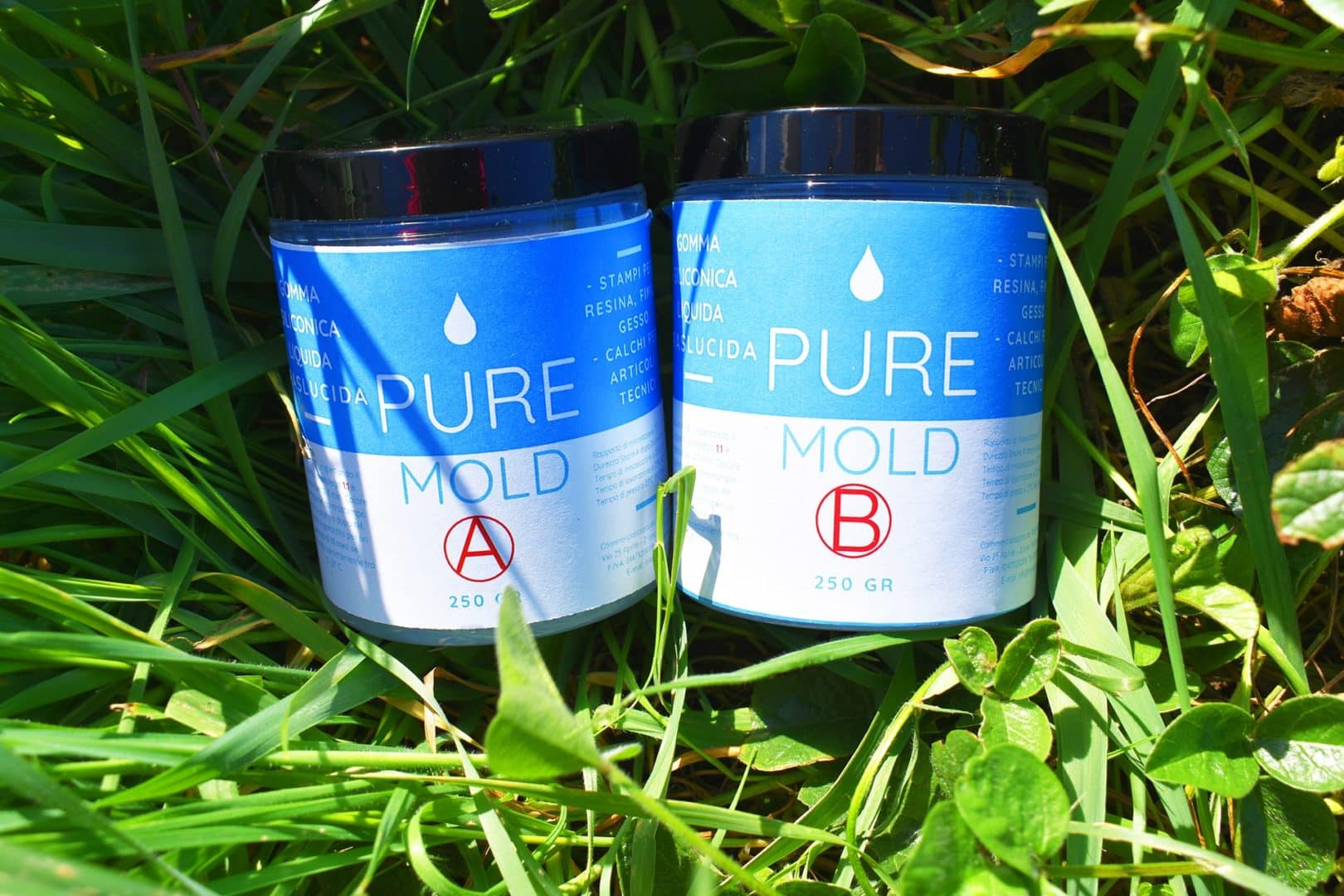
Translucent silicone rubber gives you better visibility during the moulding process, making it easier to spot any trapped air bubbles or imperfections. For jewellery crafts like resin bracelets, opt for a product that cures fast and offers a fine finish, such as the “Pure Mould” – Translucent Liquid Silicone Rubber for Mould Making.
Step 1: Prepare Your Model and Work Area
Start by selecting or creating a model of the bracelet you want to reproduce. This can be an existing bracelet or a hand-sculpted prototype. Ensure the surface is free of dust, oil, or imperfections, as the mould will capture every detail. Set up your work surface with protective covering, and gather all necessary materials. Place your bracelet model in the centre of your chosen mould box, ensuring there is at least a 1cm gap on all sides for silicone coverage.
Apply a thin layer of mould release agent to the surface of your bracelet model and the interior of the mould box if required. This helps protect both your model and the finished mould, making demoulding straightforward and safeguarding intricate details.
Step 2: Mix and Pour the Silicone Rubber
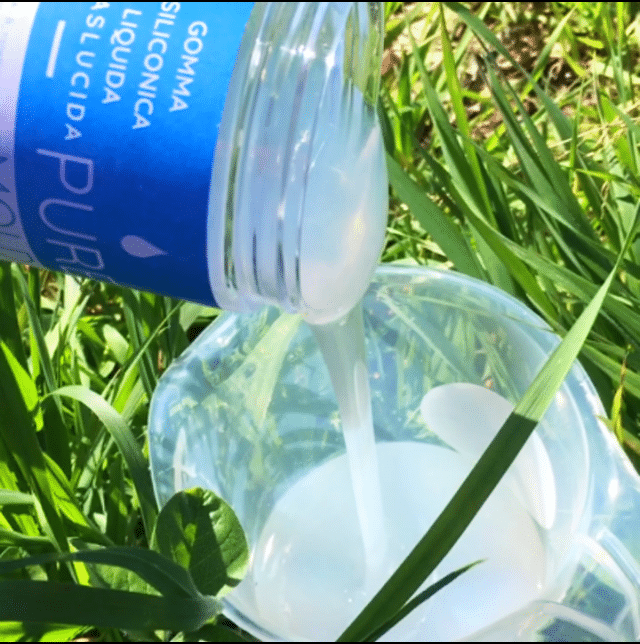
Carefully read the instructions for your silicone rubber. If you are using the “Pure Mould” – Translucent Liquid Silicone Rubber for Mould Making, it features a simple 1:1 mixing ratio by weight. Put on gloves, weigh out equal parts of the silicone and catalyst, and mix thoroughly until the colour and texture are consistent. Stir gently to minimise air bubbles.
Slowly pour the silicone mixture into the corner of the mould box, letting it flow over and around the bracelet model. This technique allows air bubbles to rise and escape. Pour until the model is fully submerged with a consistent layer above and below. Make sure to degas your silicone if possible to avoid air bubbles. Tap the mould box gently to help trapped bubbles release, and let the mixture settle.
Step 3: Allow to Cure and Demould
Consult your silicone’s recommended curing time before proceeding. The “Pure Mould” silicone cures in about 3 to 8 hours at room temperature, but always check your workspace conditions. Let the silicone cure undisturbed for the full recommended time. Avoid moving the box or disturbing the mould during this phase, as this prevents warping and ensures a detailed finish.
Once fully cured, gently remove the mould from the box. Carefully ease out the original bracelet model, taking extra care around intricate edges. If the mould release was used, demoulding should be straightforward. Use a flexible yet sturdy mould box for easier demoulding.
Step 4: Inspect and Clean Your Custom Mould
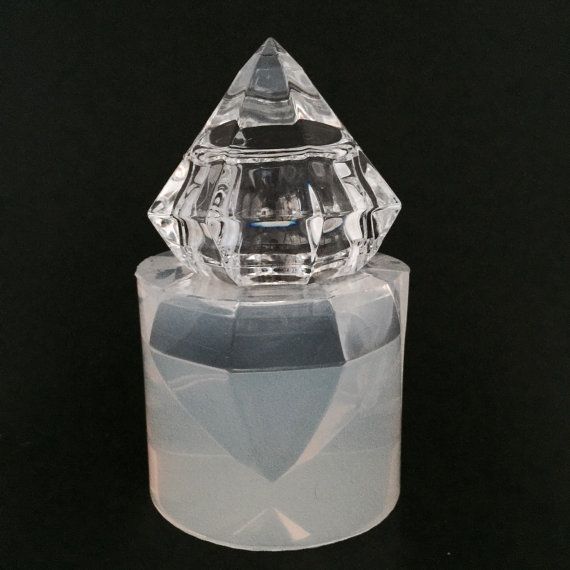
Examine your new silicone mould for any flaws, bubbles, or areas requiring trimming. Clean the mould using mild soap and water if necessary, ensuring all residue is removed before use with resin. Air dry completely. Ensure the original model has a smooth finish for a professional result. Your mould is now ready for resin casting, enabling you to produce a series of one-of-a-kind resin bracelets.
Tips and Troubleshooting for Mould Making
Using platinum-based silicones like the “Pure Mould” can significantly reduce shrinkage and provide excellent detail. Pay close attention to the mixing ratio and allow sufficient curing time to avoid sticking or deformities. If bubbles or imperfections occur, review your pouring speed and ensure a gradual, steady technique. Always use a suitable, non-porous mould box and mould release agent to extend the life of your silicone moulds and facilitate repeated use.
Caring for Your Silicone Moulds
Store your cured silicone moulds flat, out of direct sunlight, and away from sharp objects to prolong their life and maintain crisp bracelet shapes. Regularly cleaning with mild soap without abrasive tools helps preserve the non-stick surface and flexibility.
- "Pure Mould" – Translucent Liquid Silicone Rubber for Mould MakingPrice range: £22.85 through £158.85"Pure Mould" is a platinum based, translucent liquid silicone rubber suitable for making moulds compatible with resin, plaster and cement.
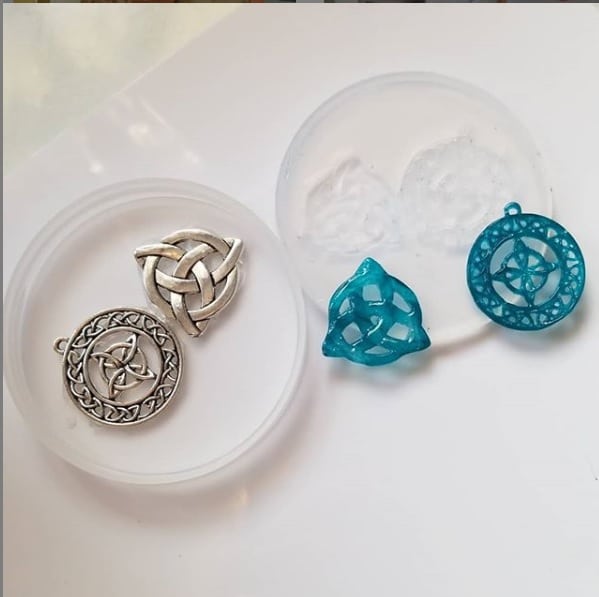
- "Silicone Circle Mould" – For Creating with Epoxy Resin, Ø 20cm£12.85Flexible silicone mould designed for creating decorative resin objects like coasters and artistic pieces.
 Rectangular Silicone Tray Mould 30.5x17cm – Reusable for Resin, Soap, Plaster, Clay£8.00This semi-transparent reusable silicone mould is designed for creating decorative pieces using resin or other DIY casting materials.
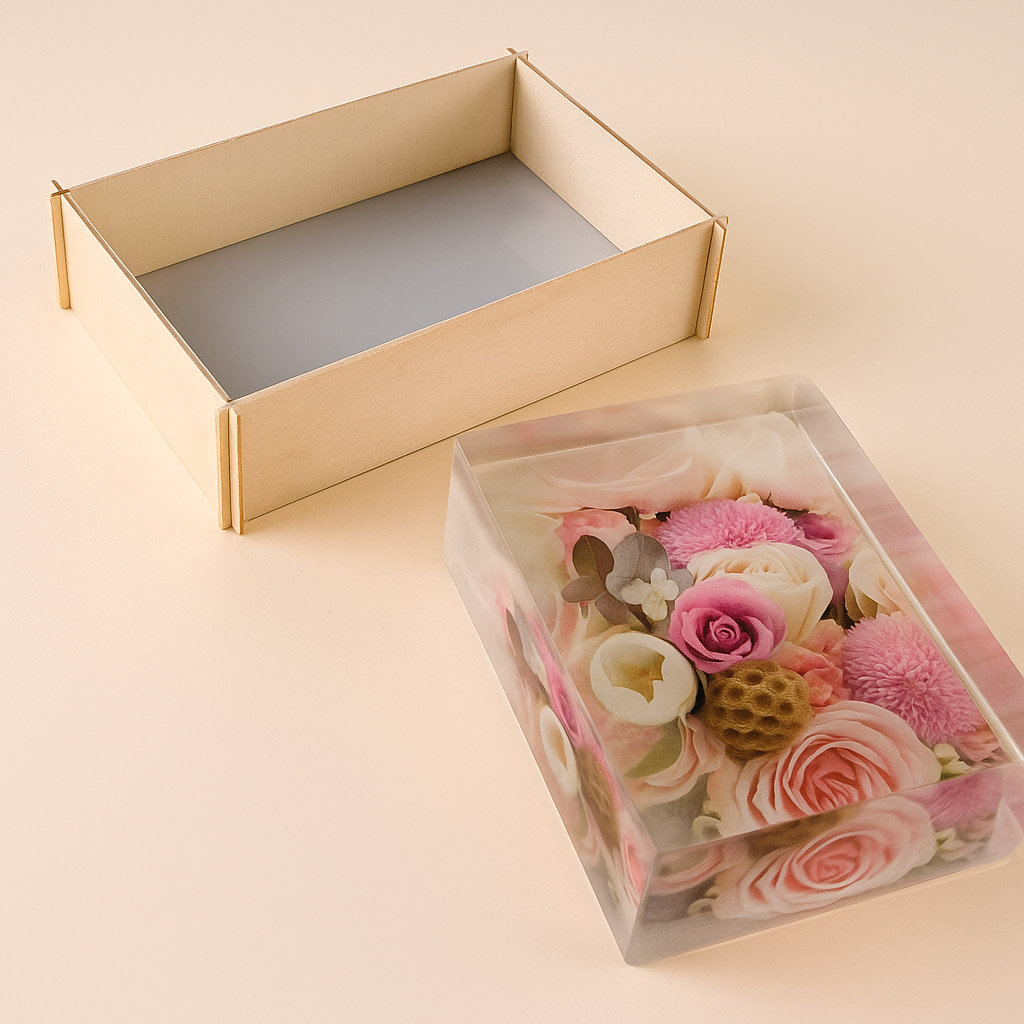 "Rectangular Mould" – Silicone Formwork 19.5×13.5cm£10.85"Rectangular Mould" made from professional silicone suited for resin creations with a square shape.
Frequently Asked Questions
What type of silicone is best for resin bracelet moulds?
Translucent, fast-setting liquid silicone rubbers are ideal for capturing fine details and providing easy demoulding.
How long does a silicone mould take to cure?
Curing time depends on the product, but most platinum-based silicones cure in 3–8 hours at room temperature.
Can I reuse my silicone bracelet mould?
Yes, high-quality silicone moulds can be reused many times if cared for properly and cleaned after each casting.
How can I avoid bubbles forming in my mould?
Mix and pour slowly, and if possible, degas the silicone. Pour in one corner to let bubbles escape naturally.
Is a release agent needed in resin bracelet mould making?
While platinum silicones are often non-stick, a release agent helps preserve detail and makes demoulding smoother.
Why does resin sometimes stick to a new silicone mould?
Incomplete curing or insufficient use of a release agent can cause resin to stick. Always follow product instructions.