 Free shipping on orders over £29,85
  Shipping Tracking!


 Google
 Facebook
← Back to how do you make a resin wheel mould?
Choosing the right resin for making wheel moulds is an important first step for consistent results. Not all resins are equally suitable, and the final use of your mould often determines the best type to select.
Understanding Resin Compatibility for Wheel Moulds
Epoxy and polyurethane resins are generally favoured for creating wheel moulds due to their versatility and robust finish. Both offer strong performance and can capture fine detail when paired with quality silicone moulds. However, not every formulation is a fit—always consult the manufacturer’s instructions to ensure your chosen resin matches your intended project and mould material.
- Epoxy resin is known for its clarity and hardness, making it suitable for items needing a glass-like finish.
- Polyurethane resin often cures faster and is valued for its impact resistance.
Choosing the Right Mould Material
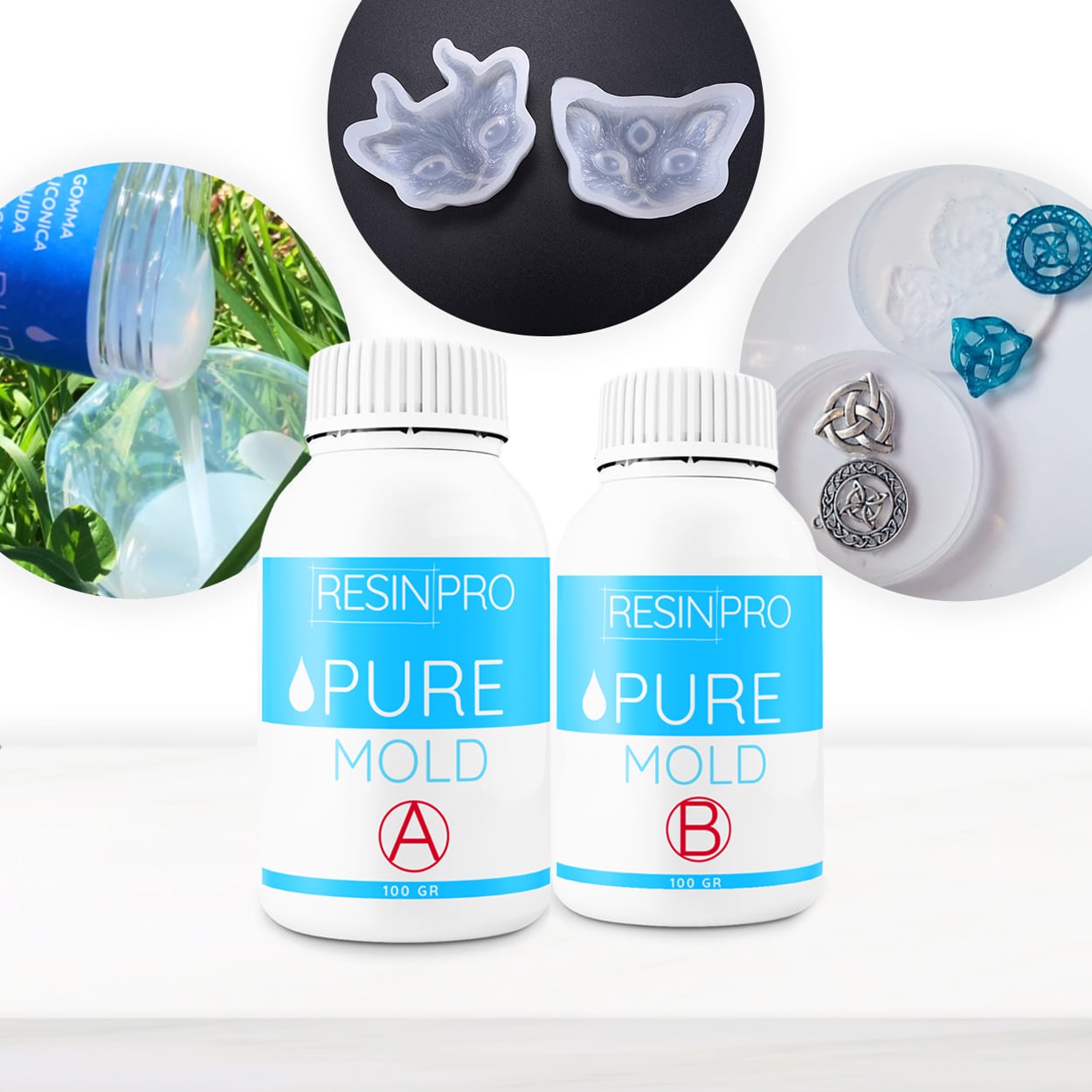
Your choice of mould is as important as the resin. The “Pure Mould” – Translucent Liquid Silicone Rubber for Mould Making is a popular option, compatible with both epoxy and polyurethane resins. It provides high detail reproduction and is easy to demould, helping to avoid surface defects on your finished piece. For circular wheel moulds, specialised silicone shapes like the Silicone Circle Mould ensure consistent results.
Guidance for Best Results
To ensure both resin and mould last, follow recommended mixing ratios and curing times precisely. For heat-resistant or functional wheels, check if your resin is designed for the required purpose and do not exceed advised temperature limits. Avoid aggressive solvents for cleaning, and remove castings from the mould within the recommended times to prevent sticking or surface marks.
When Resin Choice Matters Most
Material selection makes a real difference if your wheel mould will be used for objects subject to mechanical stress, elevated temperatures, or precise detail. Epoxy and polyurethane cover most needs, but if in doubt, choose products with proven compatibility and always perform a small test first.
Related products
Related guides
Whether you’re crafting wheels for practical use or artistic projects, choosing the right resin and mould ensures reliable results. For more on mould making techniques and compatible materials, explore our complete guide: How do you make a resin wheel mould?