 Free shipping on orders over £29,85
  Shipping Tracking!


 Google
 Facebook
← Back to How do you make a spherical resin mould?
Air bubbles are a common issue when pouring resin into moulds, especially for spherical or detailed shapes. Preventing trapped air ensures your projects come out clear and smooth, free from unwanted imperfections.
Why Does Air Get Trapped?
Air entrapment tends to occur when resin is poured too quickly or when the mould has complex shapes or surfaces that trap pockets of air. Spherical moulds are especially prone to this due to their curved surfaces. Small gaps or sharp details in the mould can also contribute to bubbles forming and remaining in the finished piece.
Techniques for Bubble-Free Resin Pouring
- Pour Slowly: Gently pour resin along one side of the mould, allowing it to flow in and displace air as it fills up.
- Use a Thin Stream: Pouring resin in a narrow stream helps minimise turbulence and encourages air to rise to the surface instead of staying trapped.
- Tilt and Rotate: If possible, tilt or rotate your mould slightly as you pour. This movement helps guide bubbles up and out.
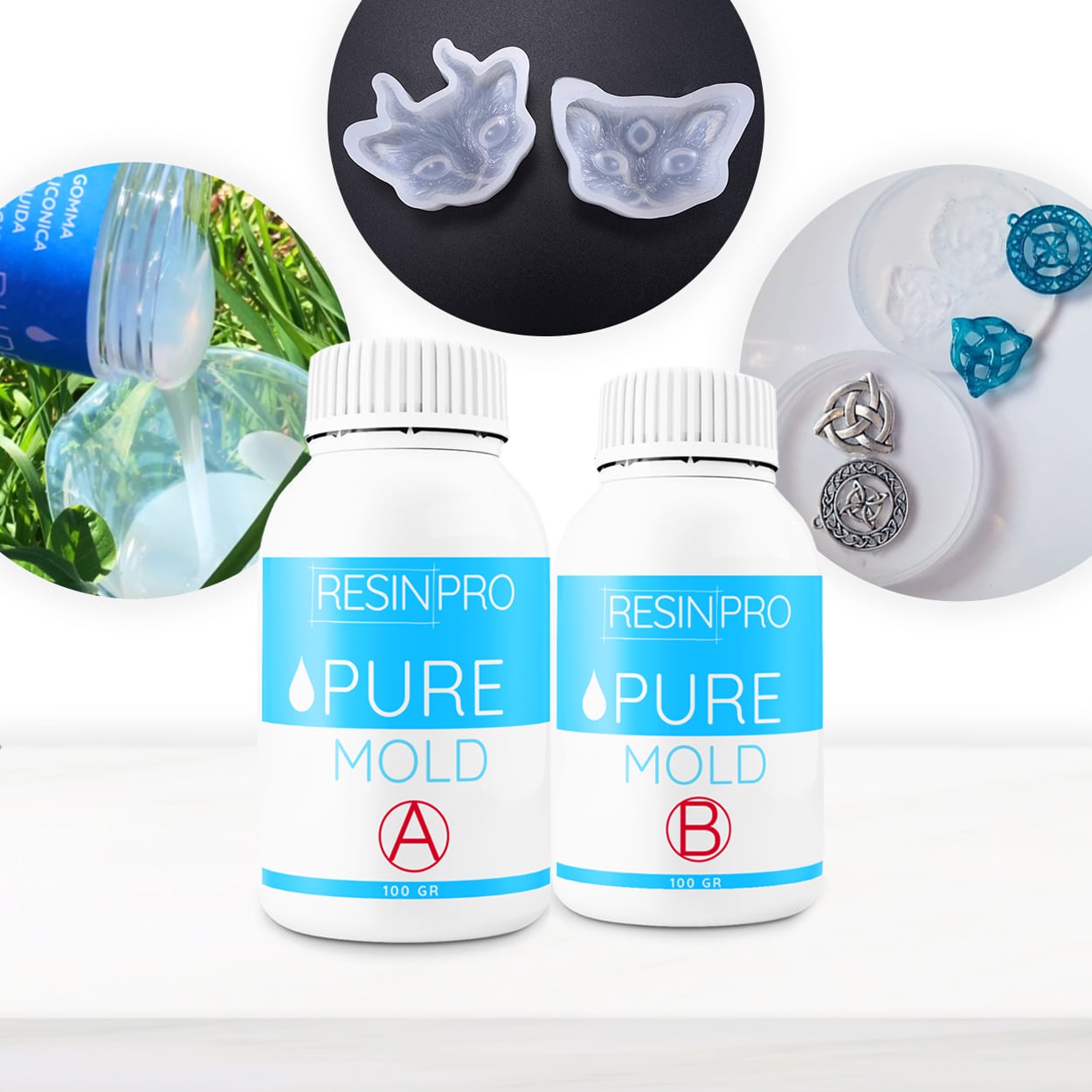
- Choose the Right Mould: Using translucent, high-quality moulds like the “Pure Mould” – Translucent Liquid Silicone Rubber for Mould Making allows you to observe and address bubbles as they form.
- De-gas Resin: If working with larger castings or if absolute clarity is required, degassing the resin with a vacuum chamber before pouring can remove much of the trapped air.
When This Matters Most
Taking steps to avoid air entrapment is essential for crystal-clear castings, especially when making jewellery, display pieces, or any project where surface finish and transparency are important. The clearer the resin and the more detailed the mould, the more critical bubble prevention becomes.
Related products
Related guides
Reducing air entrapment elevates your resin moulding results, making it easier to achieve flawless, professional-looking pieces. To discover more about mastering the art of resin casting, visit our main guide on how to make a spherical resin mould.