 Free shipping on orders over £29,85
  Shipping Tracking!


 Google
 Facebook
How does floor resin work?
Understanding floor resin types and their unique benefits

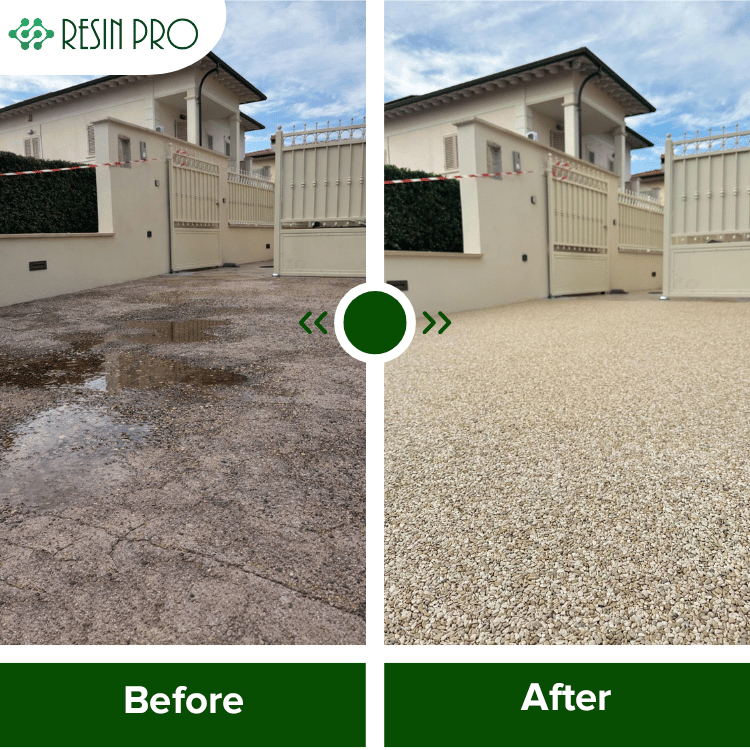
If you’re planning to install or restore a durable, attractive surface for your driveway, patio, path, or even a concrete floor, understanding how floor resin works is essential. This page explains the core principles behind floor resins, helps you compare different types, and guides you in selecting the right solution for your outdoor space—whether it’s for enhanced drainage, vibrant colours, or reliable protection from the elements.
Floor Resin Types: How They Work and Key Differences
Floor resins transform outdoor and indoor surfaces by creating a uniform, robust, and often permeable layer atop aggregates like pebbles or concrete. The main difference between resin types lies in their formulation and intended surfaces:
- Epoxy resin is ideal for bonding coloured pebbles, offering a clear, tough, and UV-stable layer.
- Polyurethane resin excels with light and white stones, ensuring a non-yellowing, weatherproof bond that remains clear over time.
- Methacrylic resin is used for protecting and sealing concrete floors, providing deep penetration for waterproofing, mechanical resistance, and chemical durability.
Depending on your project’s needs—such as driveway strength, drainage requirements, or decorative finish—choosing the correct resin-binder combination is crucial for long-lasting performance.
Watch Floor Resin in Action
See how floor resin transforms outdoor spaces in the UK—watch demonstrations of permeable and decorative pebble surfaces coming together using purpose-designed resins. Notice the even distribution, strong bonding, and excellent drainage achieved with the right product selection.
“Flowstone” – Complete Permeable Floor Kit with Pebbles and Resin
The “Flowstone” – Complete Permeable Floor Kit with Pebbles and Resin provides everything needed to create a highly permeable, visually striking surface for driveways, patios, and footpaths. The system uses a carefully selected resin—polyurethane for white aggregates and low-yellowing epoxy for coloured stones—to deliver lasting colour clarity and weather resistance. With detailed guidance included, the kit is suitable for both DIY enthusiasts and professionals looking to restore or upgrade outdoor spaces without standing water concerns. Its outstanding drainage and non-slip properties make it an excellent choice for the UK climate.
“Trasparente” – Epoxy Binder for Coloured Pebbles and Grits
For surfaces using vibrant or natural-toned stones, “Trasparente” – Epoxy Binder for Coloured Pebbles and Grits is the go-to solution. This crystal-clear, two-part epoxy binder deeply impregnates aggregates for a decorative and robust finish. UV-resistant and non-yellowing, it is suitable for outdoor projects exposed to sunlight. The fast wetting of grains results in fewer bubbles and a smooth, professional appearance. Homeowners and contractors alike appreciate its ease of use and reliable bonding for decorative pebble floors and permeable pathways.
“Polirock” – Polyurethane Binder for White Stones, 2kg Two-Component Kit
When working with white or pale stone aggregates, “Polirock” – Polyurethane Binder for White Stones, 2kg Two-Component Kit stands out for its exceptional resistance to weathering and UV-induced yellowing. Its anti-slip finish makes it perfect for pedestrian and vehicle areas where safety is a priority. The two-component formulation guarantees strong adhesion and a clear, enduring bond, resulting in a permeable yet hard-wearing surface optimised for UK outdoor environments.
“Resinstone” – One-Component Methacrylic Resin for Concrete Floors and Driveways
“Resinstone” – One-Component Methacrylic Resin for Concrete Floors and Driveways is formulated to penetrate, seal, and protect concrete slabs. Unlike aggregate binders, methacrylic resin strengthens the concrete substrate itself by delivering waterproofing and chemical, oil, and UV resistance. Its quick drying time and ease of application make it suitable for garages, patios, and multi-purpose outdoor areas, ensuring the floor remains protected, sustainable, and low maintenance for the long term.
Choosing the Right Resin for Your Application
When selecting a floor resin, consider your aggregate type, required permeability, and exposure to traffic or weather. For white or light stones, polyurethane binders such as those found in the Flowstone kit or Polirock are best for retaining colour clarity and resisting yellowing. For coloured or natural-tone pebbles, opt for an epoxy binder like Trasparente. To seal and protect concrete, choose Resinstone for its deep penetration and durable, waterproof finish. Explore all options in the pebble floors and Multipurpose Epoxy Resins categories to find the best match for your project and environment.
Real-World Resin Floor Examples
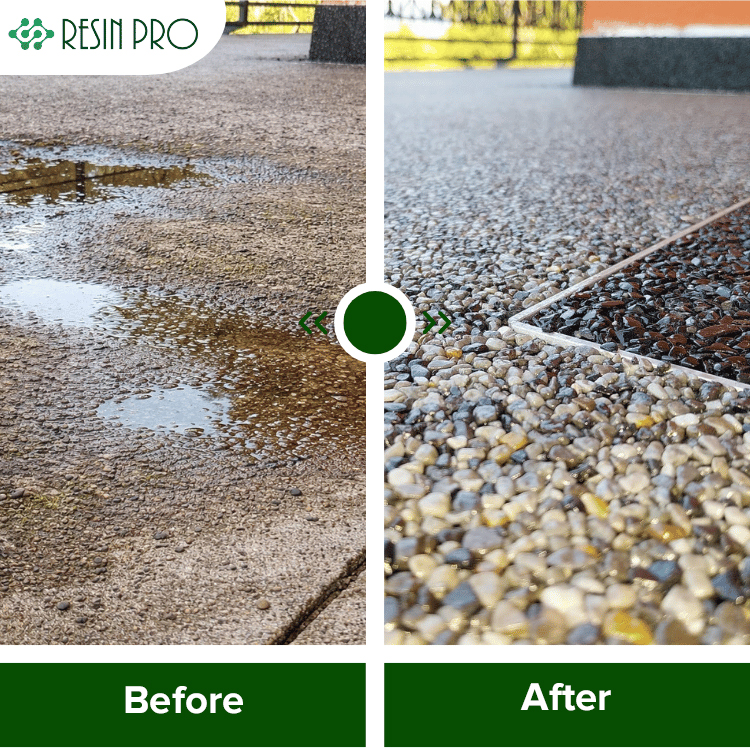
Browse examples of pebble and concrete resin floors in driveways, gardens, and public areas across the UK. These finished projects showcase the visual appeal, slip resistance, and water drainage benefits possible with ResinPro specialist resin systems.
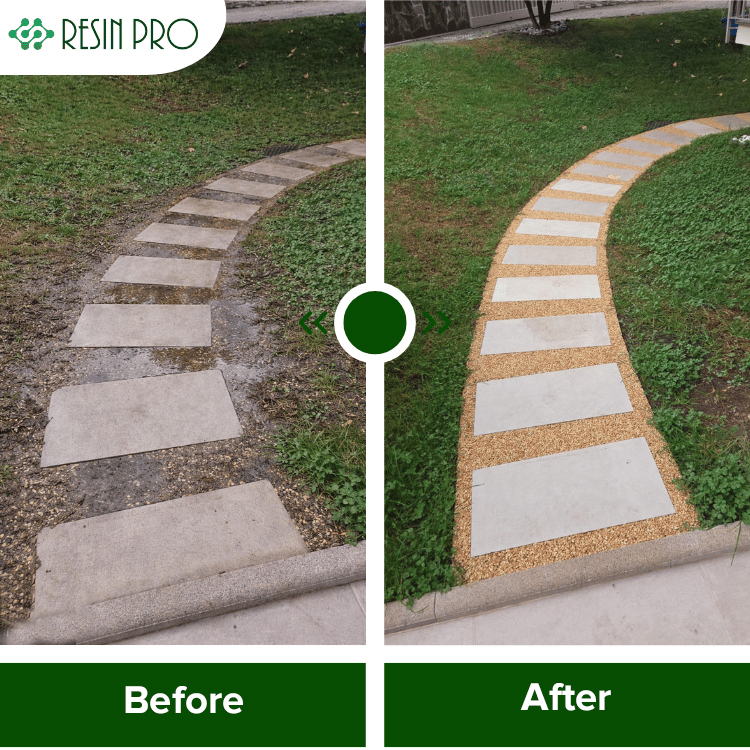
- "Flowstone" – Complete Permeable Floor Kit with Pebbles and ResinPrice range: £42.85 through £3,389.85Flowstone kit provides a durable, permeable pebble and resin floor system suitable for UK driveways, footpaths and patios with guided application.
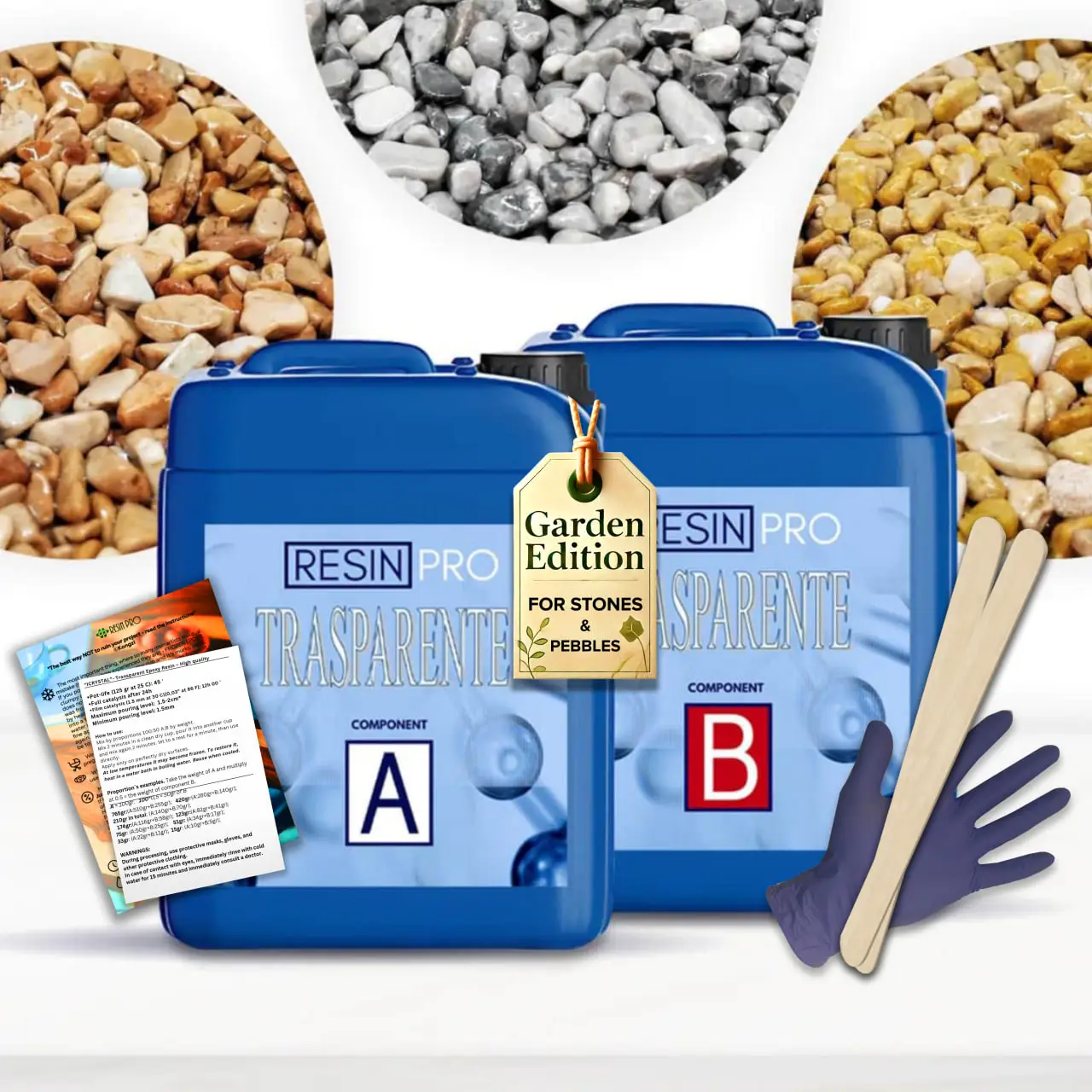 "Trasparente" – Epoxy Binder for Coloured Pebbles and GritsPrice range: £31.85 through £948.85"Trasparente" is a clear epoxy binder suitable for coloured pebbles and grits, designed to support flooring with good UV stability.
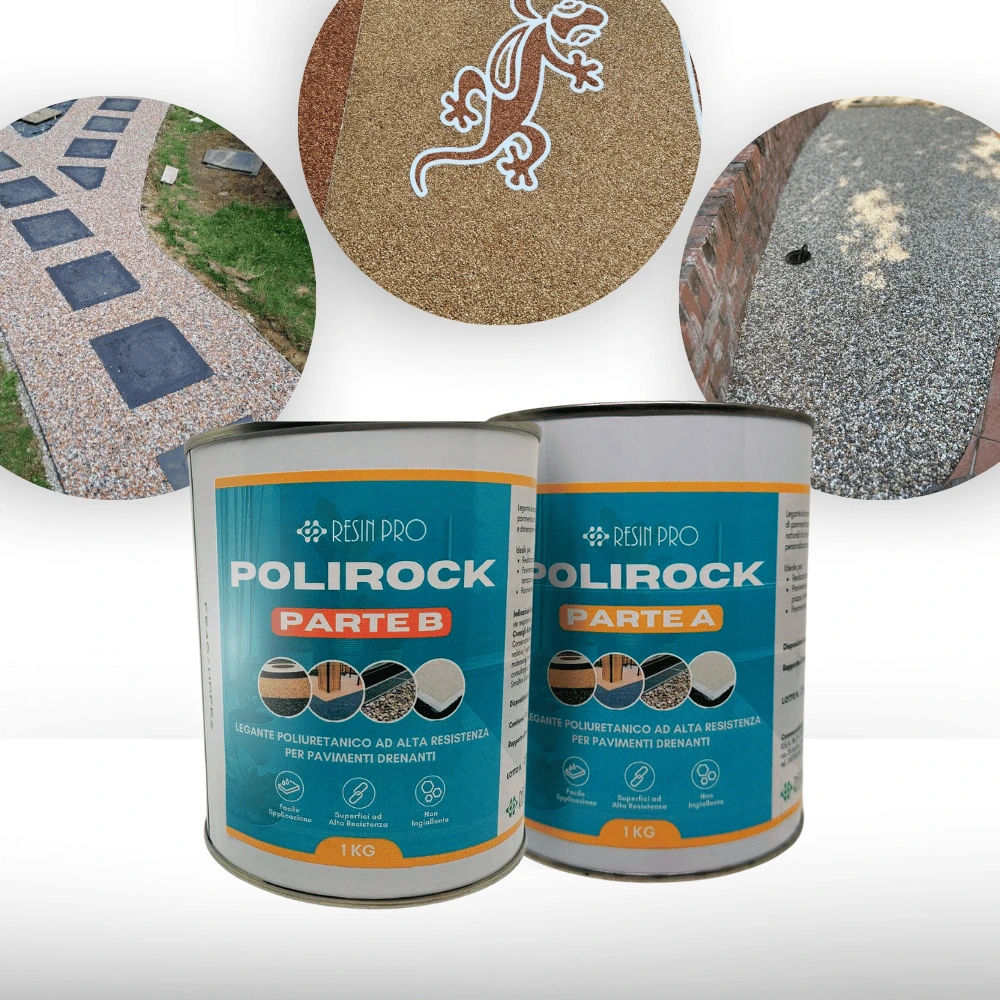 "Polirock" – Polyurethane Binder for White Stones, 2kg Two-Component Kit£58.85Polirock is a two-component polyurethane binder suitable for creating decorative, weather-resistant, anti-slip outdoor surfaces with white stones.
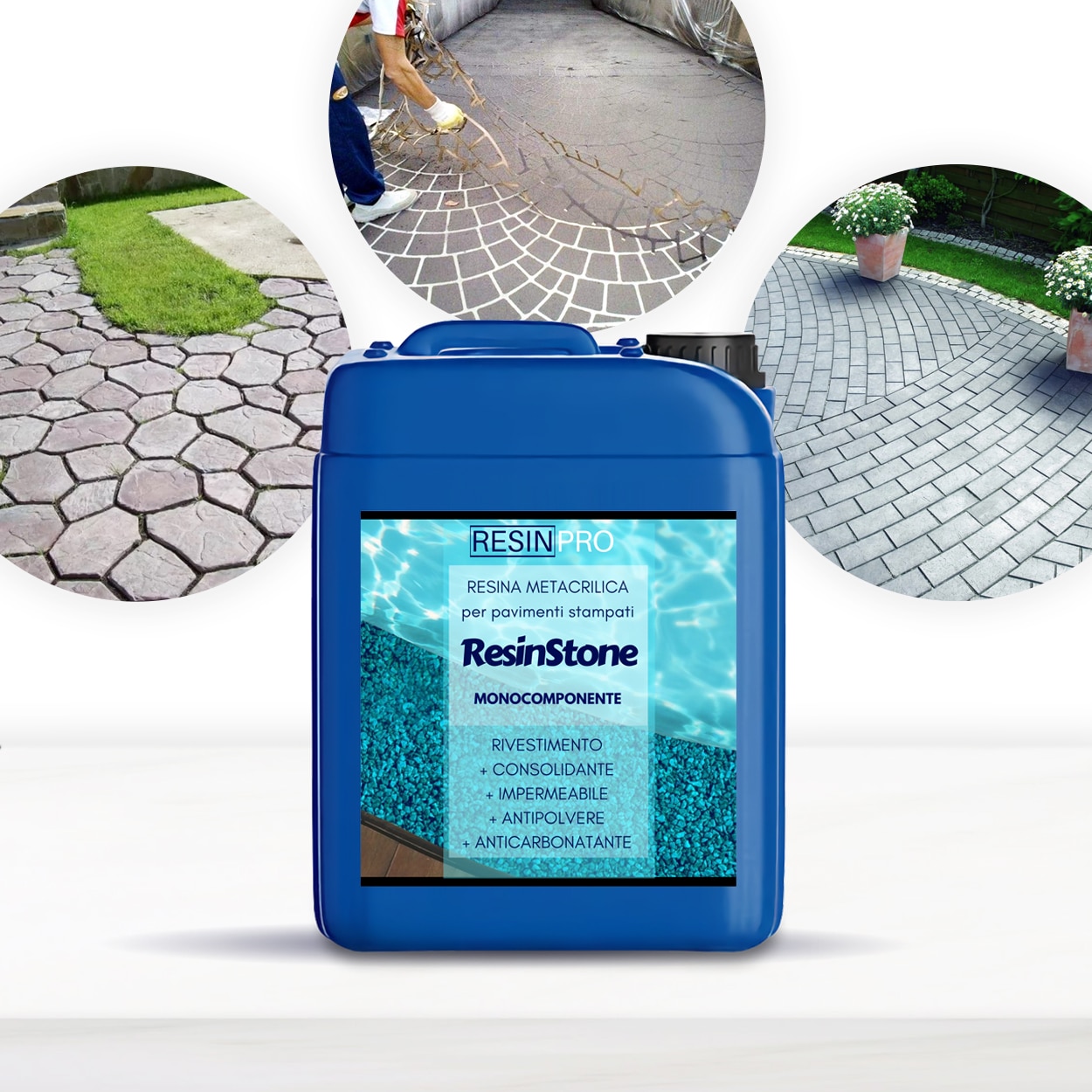 "Resinstone" – One-Component Methacrylic Resin for Concrete Floors and DrivewaysPrice range: £29.85 through £59.85"Resinstone" is a one-component methacrylic resin designed for sealing concrete floors and driveways, supporting floor resin working mechanisms.
Frequently Asked Questions
What are the main types of floor resin and where are they used?
Epoxy and polyurethane resins are used for binding pebbles, while methacrylic resins seal and protect concrete. Each is chosen based on surface and exposure.
Which resin should I use for a pebble driveway?
For coloured stones, use an epoxy binder. For white stones, opt for polyurethane resin to minimise yellowing and ensure a durable finish.
Can resin be simply poured onto loose gravel to create a solid floor?
No, resin must be mixed with the chosen stone before application to achieve proper binding and a lasting surface.
What is a permeable resin floor and why choose it?
Permeable floors allow rainwater to pass through, are slip-resistant, and reduce puddling. They're ideal for UK outdoor areas.
How should I prepare the surface before applying floor resin?
Ensure the base is stable, clean, and free from dust or oils. Concrete bases must be fully cured and dry before application.
Do weather and temperature matter when working with floor resins?
Yes. Avoid application in high humidity, rain, or extreme temperatures. Ideal temperatures range between +5°C and +35°C.
Is it possible to install a permeable resin floor without professional help?
Yes, many resin kits offer clear step-by-step instructions. For larger areas, additional equipment such as a mixer may help achieve optimal results.
How durable is a resin-bound or resin-sealed surface, and what maintenance is required?
Resin surfaces are long-lasting and weather-resistant. Routine cleaning and occasional checks are usually all that's required to keep them in top condition.