 Free shipping on orders over £29,85
  Shipping Tracking!


 Google
 Facebook
how to glue wood to cured epoxy resin?
Bonding wood to a cured epoxy resin surface can unlock creative potential for furniture, crafts, and repairs. To achieve a reliable, lasting bond, it’s essential to use the correct methods and adhesives specific to these materials. This guide will walk you step by step through all you need to know for successful wood-to-epoxy adhesion.
Ensure a strong and lasting bond between wood and resin surfaces


What You’ll Need
- “Klebfix” – Two-Component Fast Epoxy Glue 2K, 25g Syringe – A reliable choice for high-strength bonding of wood to resin surfaces.
- “FixExpress” – Two-Component Epoxy Glue 500g – Suitable for larger projects or where rapid repairs are required.
- Fine and medium grit sandpaper
- Lint-free cloths and isopropyl alcohol (for surface cleaning)
- Clamps or heavy weights
- Protective gloves (recommended)

Example Applications of Epoxy Wood Bonding
Epoxy adhesives are commonly used in furniture repair, creative art projects, and DIY crafts where wood and resin elements meet. Achieving a clean, strong join is essential for both decorative and structural purposes.

Step 1: Thoroughly prepare both surfaces
Start by cleaning the cured epoxy resin and the wood surface. Any dust, grease, or residue can weaken the bond, so use a cloth dampened with isopropyl alcohol for the resin side and ensure the wood is clean and dry. Next, gently sand both the resin and wood with fine to medium grit sandpaper. This provides a slightly roughened texture, improving adhesive grip. Pay attention not to sand too aggressively, especially on finished resin, to avoid visible scratches at the joint.
Remove any sanding dust with a vacuum or a dry, lint-free cloth before moving to the next step. Skipping surface prep is the most common reason for bond failure between these materials.
Step 2: Choose the right adhesive
Select a high-performance epoxy adhesive designed for joining non-porous and porous materials. For standard or small bonds, “Klebfix” – Two-Component Fast Epoxy Glue 2K, 25g Syringe is ideal due to its quick-setting and strong bond. For larger assemblies, “FixExpress” – Two-Component Epoxy Glue 500g offers the same reliability in greater volume. Both are formulated for bonding wood to cured epoxy with ease and can be tinted if a more concealed line is required.
Step 3: Apply and clamp for optimal results
Following the adhesive’s instructions carefully, mix the two epoxy components in equal measure. Apply the mixed glue to one surface (usually the wood) with an even, thin layer. Press the wood against the cured resin, aligning your materials promptly as epoxy may start to set within five minutes. Use clamps or place weights on top to maintain continuous and even pressure during curing.
Ensure that the bonding area is not exposed to excessive movement or stress during this stage. For most fast-setting epoxies, initial handling strength is reached in five minutes, but full cure – and the strongest bond – typically requires 24 hours.
Step 4: Allow for full curing and test the bond
Resist the temptation to disturb the joint before the suggested curing time. Once cured, gently remove clamps and check the connection by applying slight pressure or tapping at the joint. A solid, immovable bond with no movement indicates successful adhesion. If the assembly requires sanding or finishing, do so gently without stressing the glue line.
Tips, Common Mistakes and Troubleshooting
Plan your workspace for a dust-free environment, as airborne particles can weaken adhesive bonds. Always follow mixing ratio guidelines; deviations can affect setting and ultimate strength. Surface preparation cannot be overstated – failing to sand or remove dust will almost always result in poor adhesion. If the bond feels weak or brittle, repeating the process with careful attention to cleaning and roughening will usually resolve issues.
Best Practices for Long-Lasting Results
Store adhesives sealed, mix in small batches to prevent waste, and always test your setup on a sample piece before attempting a final project. Proper surface prep is the key to enduring results when gluing wood to cured epoxy resin.

- "Klebfix" – Two-Component Fast Epoxy Glue 2K, 25g Syringe£22.85"Klebfix" 2K Fast Epoxy Glue offers professional-strength bonding suitable for various materials including wood, fitting the theme of gluing wood to…
- "FixExpress" – Two-Component Epoxy Glue 500g£25.45"FixExpress" is an epoxy glue designed for rapid, strong adhesion including wood bonding, fitting the theme on gluing wood to cured epoxy resin.
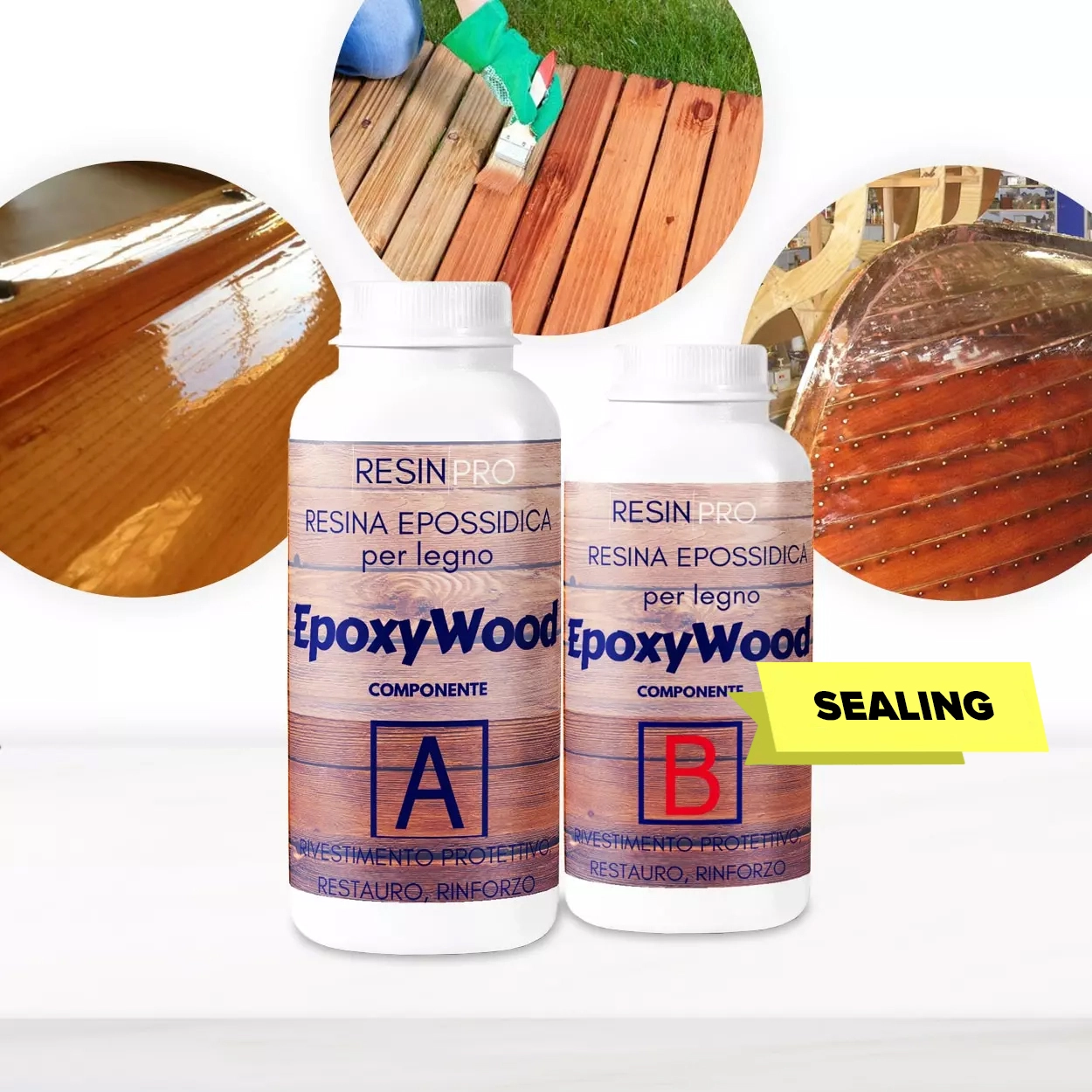
- "EpoxyWood" – Wood Restoration Epoxy Resin for Deep Penetration and WaterproofingOriginal price was: £64.00.£39.85Current price is: £39.85."EpoxyWood" is formulated to repair and waterproof wood surfaces, suitable for restoring and protecting wood within the theme of how to glue wood to…
 "One-2-One" – Epoxy Resin for Handcraft, 1:1 Mixing RatioPrice range: £14.85 through £56.85ONE-2-ONE epoxy resin is a medium viscosity, non-toxic resin with a clear, glossy finish. It uses an easy 1:1 mixing ratio suitable for handcraft…
Frequently Asked Questions
Can you glue wood to cured epoxy resin?
Yes, it is possible with the right surface preparation and a suitable epoxy adhesive designed for such materials.
What type of glue should I use to bond wood to epoxy resin?
A two-component epoxy glue is recommended, as it provides maximum strength and compatibility with both materials.
Should epoxy resin be sanded before gluing wood to it?
Yes, lightly sanding the cured epoxy resin creates a rough surface for better adhesive grip and improves bonding.
How long should I keep clamps on glued wood-to-epoxy?
Maintain clamping pressure for at least the adhesive’s initial curing window (typically 5–30 minutes), then allow full cure for 24 hours.
Why did the wood-to-epoxy adhesive bond fail?
Common causes include inadequate surface preparation or inaccurate mixing of epoxy glue. Repeat the process with improved prep for better results.
Can you use PVA or standard wood glue on cured epoxy resin?
No, PVA or wood glues do not bond effectively to non-porous epoxy. Use a dedicated two-component epoxy adhesive for best results.