 Free shipping on orders over £29,85
  Shipping Tracking!


 Google
 Facebook
How to glue resin objects?
Gluing resin objects together requires more than just a standard adhesive if you want results that are both strong and virtually invisible. Whether you’re repairing cherished resin decorations, fixing a breakage, or combining parts for a creative project, the right approach ensures lasting, seamless bonds. This step-by-step guide covers the essentials of gluing resin objects securely so you can tackle your resin repairs and crafts with confidence.
Achieve strong, invisible bonds for resin repairs and crafts


What You’ll Need
- “Klebfix” – Two-Component Fast Epoxy Glue 2K, 25g Syringe: Fast-setting two-component epoxy glue designed for tough bonding of plastics, glass, metal, and wood.
- “FixExpress” – Two-Component Epoxy Glue 500g: Two-component epoxy glue for quick and durable bonding across diverse materials.
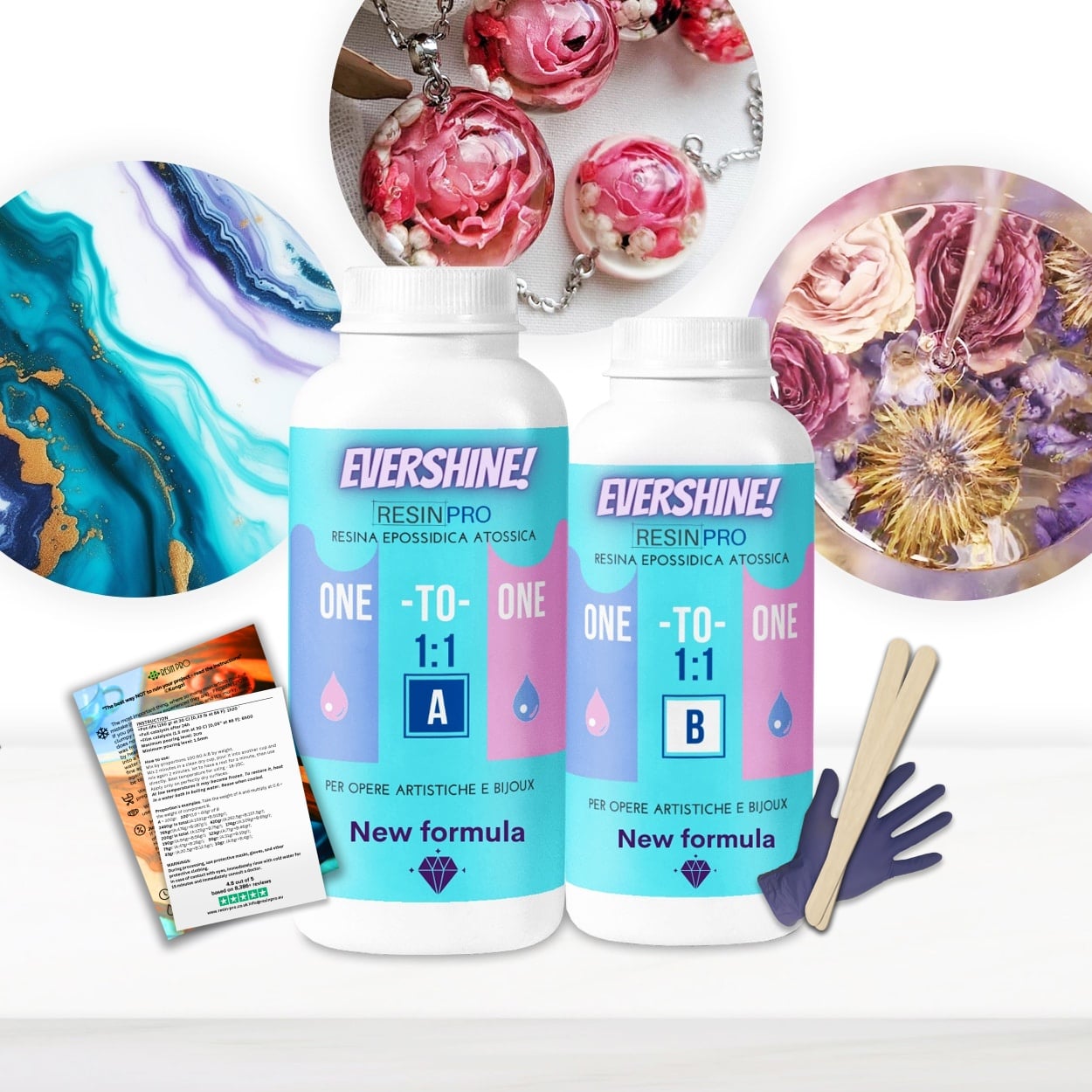
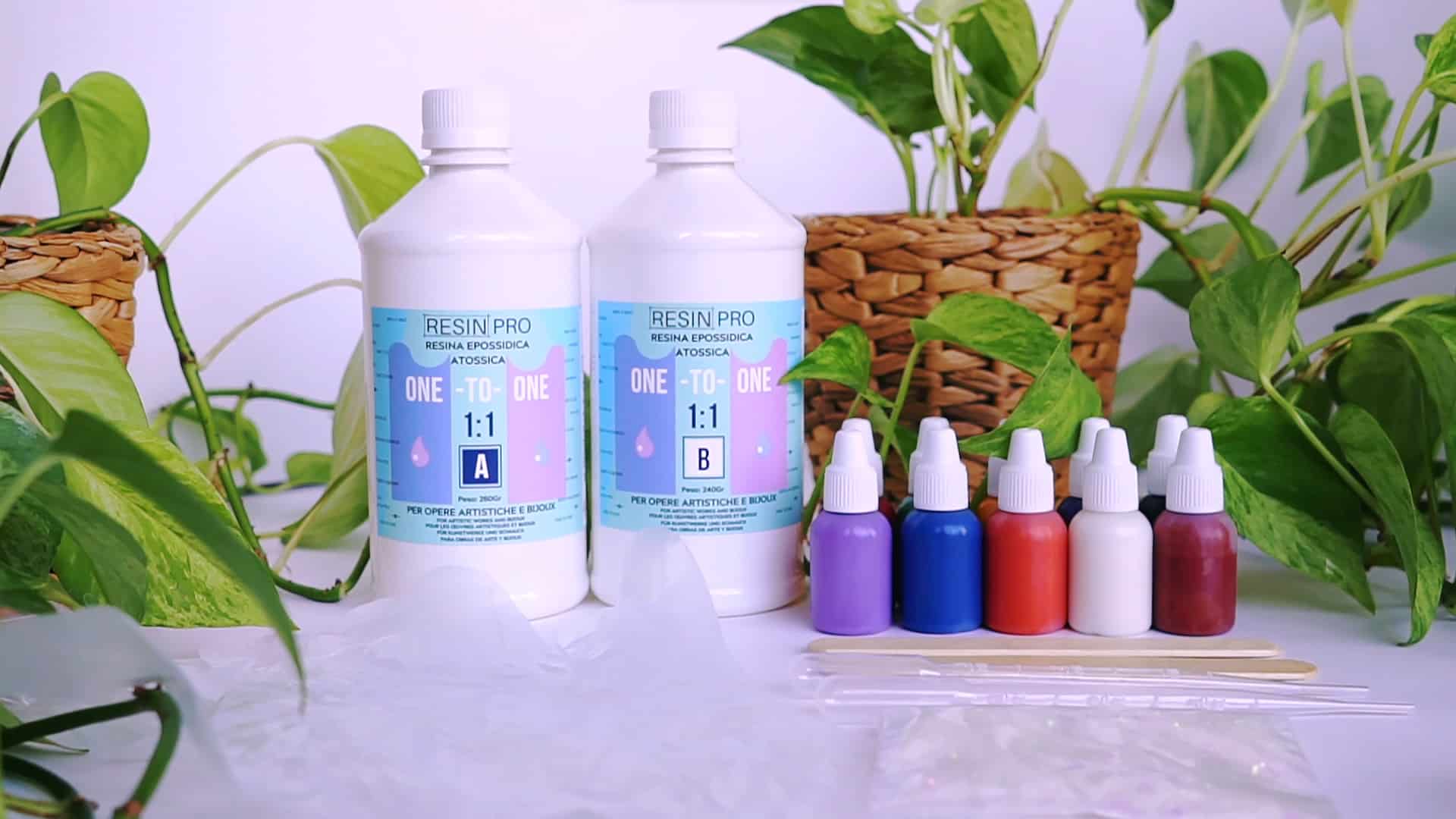
- “One-2-One” – Epoxy Resin for Handcraft, 1:1 Mixing Ratio: A medium viscosity epoxy resin ideal for clear, durable joins, especially in decorative work.
- “UV–Creation” – Fast Acrylic Resin, 3 Minute UV Cure: A ready-to-use UV acrylic resin, perfect for rapid, clean curing of small resin elements.
- Isopropyl alcohol and a lint-free cloth (for cleaning)
- Fine sandpaper (optional, for surface prep)
- Mixing tools and gloves
- UV lamp (if using UV-curable resin)
- Masking tape or clamps (to hold parts together during curing)

Choosing the Best Adhesive for Resin
When selecting glue for resin objects, consider the bond strength, clarity, and set time. Epoxy-based adhesives provide strong, reliable bonds for most resin repairs, while UV-curable resins offer a fast solution for small or clear joins. Apply a test spot first to ensure compatibility before committing to your main project.

Step 1: Clean Both Resin Surfaces Thoroughly Before Gluing
The first and most crucial step is to make sure each surface is impeccably clean. Dust, oil, release agent, and fingerprints all interfere with adhesive bonds, leading to weak or patchy joins. Use isopropyl alcohol and a lint-free cloth to wipe down the areas that will be bonded. Allow to air dry fully before proceeding. Skipping this step is the number one cause of glue failure on resin.
Step 2: Prepare the Surfaces to Improve Adhesion
Resin is naturally smooth and non-porous, which can make it challenging for glues to grip effectively. Very lightly sand the bonding patches with fine-grit sandpaper. This slightly roughens the texture, giving adhesives more surface area to grab onto. Once sanded, clean again to remove any dust. Avoid over-sanding, which may make the bond noticeable or damage delicate details.
Step 3: Apply the Adhesive Carefully and Evenly
Now is the time to select your glue type based on the size and shape of the objects. For most resin repairs, a two-component epoxy such as “FixExpress” – Two-Component Epoxy Glue 500g offers rapid, high-strength bonding, especially on flat or structural joins. Dispense equal parts, mix thoroughly, and apply a thin, even layer to one surface only before pressing the parts firmly together. If the joint is particularly fine or in a visible spot, a UV-curable resin like “UV–Creation” – Fast Acrylic Resin can deliver an ultra-clear finish. Simply apply, align, and use a UV lamp to cure instantly.
For decorative projects where clarity is important, “One-2-One” – Epoxy Resin for Handcraft, 1:1 Mixing Ratio can also be used to fuse cast parts, especially in jewellery or cabochon work.
Step 4: Allow Proper Curing Time and Handling
Once the adhesive has been applied and the resin objects aligned, it’s critical to maintain steady, even pressure while curing. Use masking tape or clamps to hold the join in position—any shift can weaken the bond or leave a visible seam. For two-component epoxies, wait at least five minutes for an initial set (per product instructions), then avoid stress until fully cured. UV-curable resins typically cure in minutes but double-check with the lamp to ensure the bond is completely hardened throughout.
Tips and Common Mistakes When Gluing Resin
- Check for compatibility between resin and adhesive: Not all adhesives bond equally well with all resin types—just because a glue sticks doesn’t mean it lasts.
- Work in a dust-free environment for the clearest joins.
- Avoid super glue for major joins, as it tends to become brittle or cloudy on resin.
- Test your adhesive and technique on a scrap piece if available.
- Minimise the adhesive—more is not better and may create squeeze-out or cloudiness.
Finishing Touches for Seamless Resin Joins
After curing, if any adhesive has seeped out at the seam, gently trim away excess using a sharp blade or polish lightly for a smooth finish. A clear bond line ensures your repair or project remains virtually invisible and maintains the original beauty of your resin item.

- "Klebfix" – Two-Component Fast Epoxy Glue 2K, 25g Syringe£22.85"Klebfix" epoxy glue bonds plastics, glass, metal and wood reliably, suitable for fast repairs following the theme of how to glue resin objects.
- "FixExpress" – Two-Component Epoxy Glue 500g£25.45A two-component epoxy glue designed for rapid repairs and strong adhesion on various materials in the context of gluing resin objects.
- "One-2-One" – Epoxy Resin for Handcraft, 1:1 Mixing RatioPrice range: £14.85 through £56.85"One-2-One" epoxy resin is suitable for beginners and experienced crafters, designed for handcraft projects with a non-toxic, glossy finish.
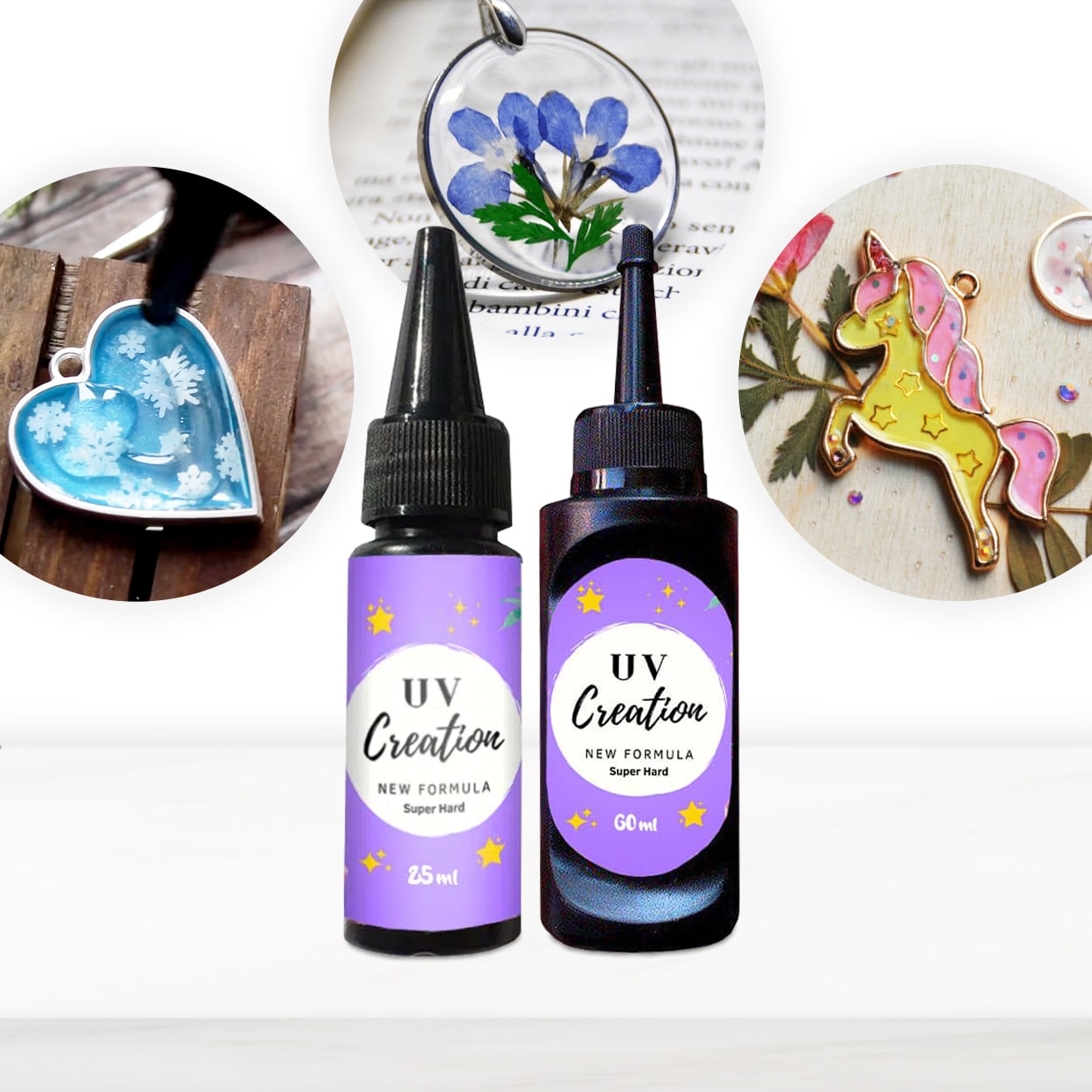 "UV–Creation" – Fast Acrylic Resin, 3 Minute UV CurePrice range: £7.85 through £59.85"UV–Creation" is a fast acrylic resin curing in about 3 minutes under UV light, suitable for jewellery and craft with clear, glossy finish.
Frequently Asked Questions
How long does epoxy adhesive take to cure?
Most fast-setting epoxy adhesives set in approximately 5 minutes, but full strength may require several hours depending on conditions.
Can you use UV resin to glue resin objects?
UV-curable resin is effective for small or clear joints where instant curing is beneficial, as long as you can fully expose the bond to UV light.
How do you prepare resin surfaces for gluing?
Clean thoroughly with isopropyl alcohol and gently sand the joint area to maximise adhesion before using any glue.
What type of glue is best for resin repairs?
Two-component epoxy adhesives usually provide the strongest and most invisible bonds for repairing resin items.
Why won't glue stick to resin parts?
Residues, oil, or glossy surfaces hinder adhesion. Clean and roughen the surface to improve bond strength with your chosen adhesive.
Can you use super glue on resin?
While super glue can hold resin parts together temporarily, it often becomes brittle or creates a cloudy join, making epoxy or UV resin preferable.