 Free shipping on orders over £29,85
  Shipping Tracking!


 Google
 Facebook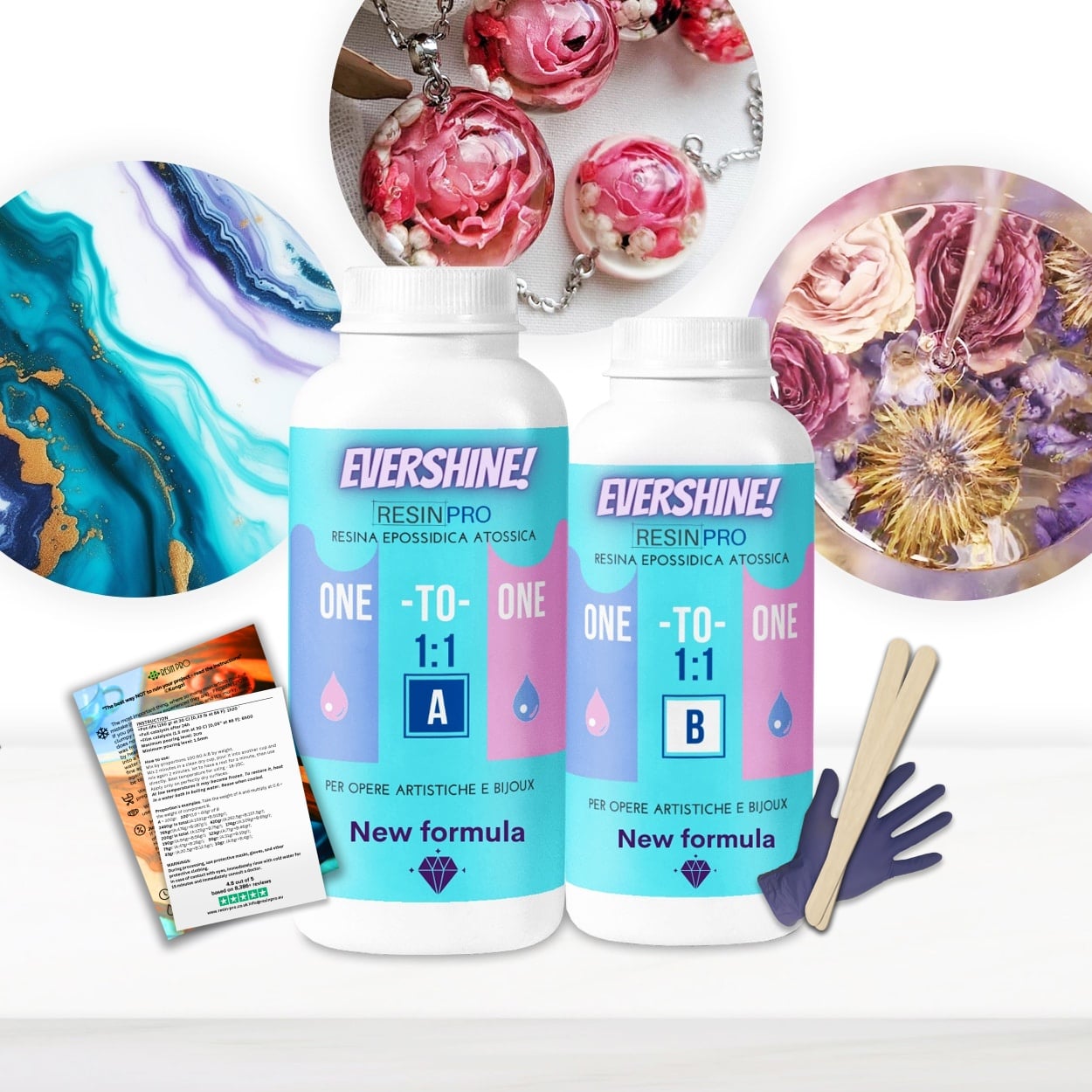
Achieving a flawless resin project starts with mixing your resin and hardener accurately, following the specific ratio outlined for your product. This step is crucial for ensuring a proper cure and a high-quality finish.
Why Accurate Mixing Ratios Matter
Every resin system, whether epoxy, polyurethane, or UV-based, relies on a precise mix of its components. If the ratio is off, your project may remain sticky, develop surface imperfections, or fail to cure entirely. Some resins require mixing by volume (like 1:1), while others are measured by weight. Reading your product instructions carefully helps avoid costly mistakes.
Practical Steps for Measuring Resin Correctly
- Check the instructions: Confirm if the ratio is by volume or weight. “One-2-One” Epoxy Resin is mixed 1:1 by volume, ideal for beginners and crafters.
- Use suitable tools: Use graduated mixing cups for volume, or accurate kitchen scales for weight-based systems.
- Pour and mix thoroughly: Combine the two parts slowly and stir until fully blended, scraping the sides and bottom to ensure no unmixed material remains.
Choosing the Right Resin for Your Needs
Your project’s success also depends on selecting a resin that fits your application. For example, “One-2-One” Epoxy Resin offers a clear, glossy finish with a straightforward 1:1 ratio, making it perfect for jewellery and casting. For rapid prototyping or moulding detailed shapes, a two-part polyurethane system such as IWhite combines fast curing time with easy mixing.
When This Matters Most
Accurate mixing is particularly critical for projects where clarity, strength, and durability are key—such as encapsulating items, crafting jewellery, or making prototypes. Skipping this step or guessing can lead to cloudy, brittle, or uncured results.
Related products
Related guides
By mastering mixing ratios and following product guidelines, you lay the foundation for successful resin crafts. Explore more tips and advanced advice on how to inject resin to enhance your results.