 Free shipping on orders over £29,85
  Shipping Tracking!


 Google
 Facebook
How do you glue resin to wood?
Step-by-step guide to lasting resin-wood adhesion results


Gluing resin to wood is a valuable technique for repairs, artwork, and creative woodworking projects. Achieving a durable bond requires careful preparation and knowledge of the right process, ensuring your creation stands the test of time whether you’re repairing, joining, or making new pieces.
What You’ll Need
- “FixExpress” – Two-Component Epoxy Glue 500g – A fast-setting adhesive suitable for strong wood-to-resin bonds
- “Klebfix” – Two-Component Fast Epoxy Glue 2K, 25g Syringe – For quick and precise application in detailed or small areas
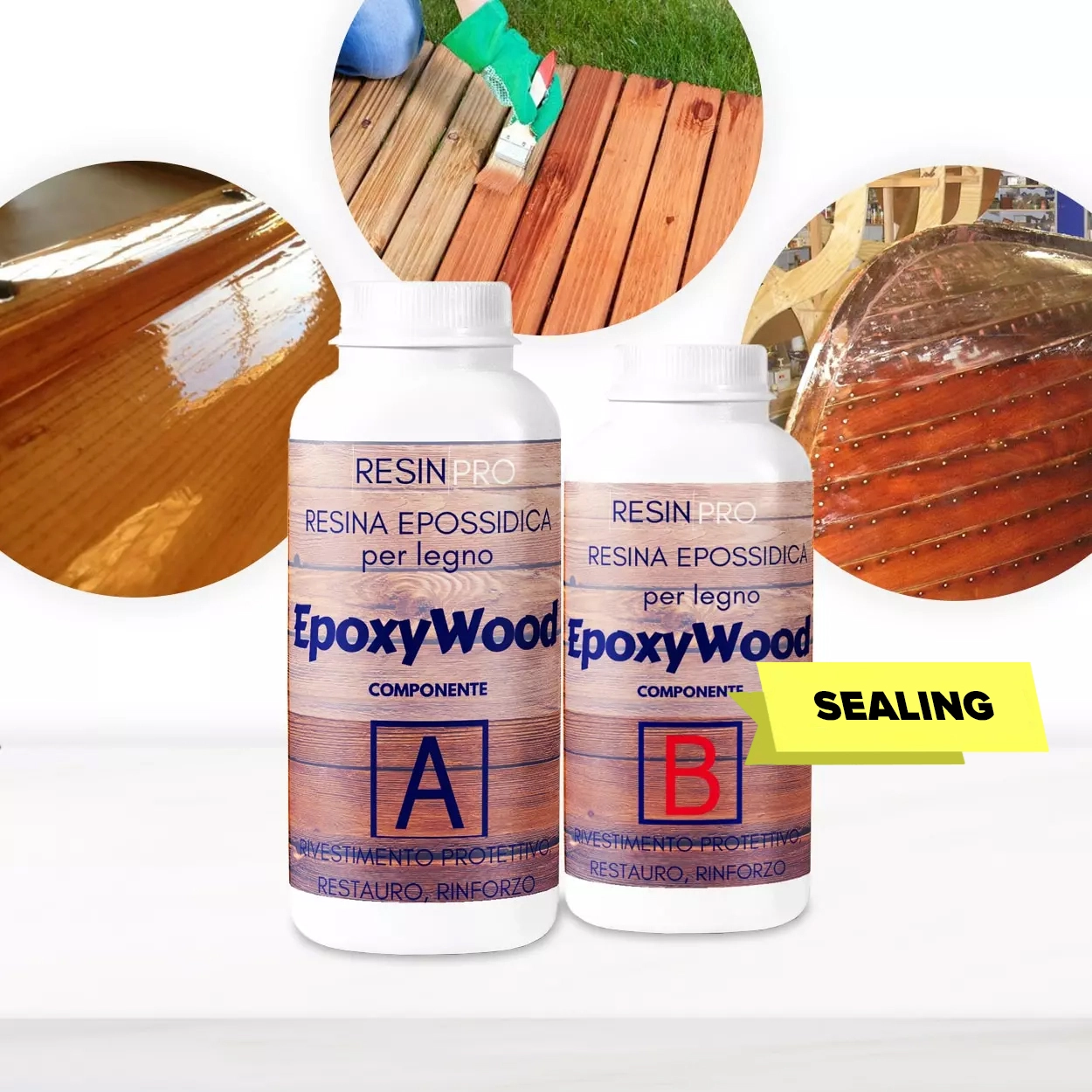
- “EpoxyWood” – Wood Restoration Epoxy Resin for Deep Penetration and Waterproofing – Use if you need to reinforce or seal porous, aged, or weakened wood before bonding
- Sandpaper (fine grit), lint-free cloth, clamps (or weights), disposable gloves

Preparing Your Workspace and Materials
Work in a clean, dust-free area and gather all tools before you begin. Lay out protective covers for your surfaces and wear gloves to avoid skin contact with uncured epoxy. Organise clamps or weights within reach to act swiftly after adhesive application.

Step 1: Prepare the Wood and Resin Surfaces
Ensure all surfaces are clean and dry. Remove any dust, oils, wax, previous finishes, or contaminants from both the resin and wood pieces. Use a lint-free cloth and a suitable cleaner if necessary. Moisture or dirt can compromise the strength of the bond and lead to failure over time.
Lightly sand both the wood and resin using fine-grit sandpaper (such as 220–320). This roughens the surfaces, creating more grip for the adhesive. Always wipe away all sanding residues thoroughly to avoid trapped particles in the bond line. Be careful not to over-sand the resin and alter finishes, especially with highly polished resin surfaces.
Step 2: Choose and Mix Your Epoxy Glue
Select a suitable two-component epoxy glue designed for wood and resin. Precise mixing is crucial — inaccurate ratios can weaken the adhesion and result in a poor bond. Follow the manufacturer’s instructions carefully.
Mix your epoxy glue accurately in the recommended ratio (often 1:1). For convenience and speed, “FixExpress” – Two-Component Epoxy Glue 500g delivers fast curing, while “Klebfix” – Two-Component Fast Epoxy Glue 2K, 25g Syringe offers an easy-to-use syringe system for smaller tasks. Only mix as much as you can apply within the working time (typically about 5 minutes for these formulations).
Step 3: Apply the Epoxy and Join the Pieces
Working swiftly, spread a thin, even layer of mixed epoxy on both bonding surfaces. Too much adhesive can squeeze out, while too little may not thoroughly wet the materials. Align carefully — two-component epoxies grip quickly. Wipe away any excess with a clean cloth before it hardens.
For porous or damaged wood, consider sealing first with “EpoxyWood” – Wood Restoration Epoxy Resin before glue application. This ensures the adhesive remains on the surface, not absorbed unevenly into the wood.
Clamp or weight the pieces while the glue cures to maintain good contact and prevent movement. Reference the manufacturer’s recommended curing time: many rapid-set epoxies harden in 5 minutes, but full strength requires 24 hours or more.
Step 4: Check, Clean and Finish
Allow the glued assembly to cure for the full recommended duration in a stable environment, ideally at room temperature. Once cured, remove clamps or weights and inspect the joint for gaps or weak bonds. If necessary, carefully sand and finish the area to blend it seamlessly with the surrounding wood or resin.
If spillage or visible excess resin occurred, gently scrape or sand the area. For clear resin projects, avoid aggressive tools that could scratch or cloud the surface.
Tips, Mistakes to Avoid, and Troubleshooting
Always prepare surfaces meticulously. Skipping sanding or leaving moisture can lead to joint failure. Work within the epoxy’s open time and avoid excessive adhesive that can cause squeeze-out messes. If bonding very old or soft wood, reinforcing with “EpoxyWood” first bolsters strength.
Do a dry-fit before mixing glue to avoid time pressure. If you experience poor adhesion or separation, re-examine your preparation, bonding, and curing steps to pinpoint improvements for next time.
Visual Guide: Before and After
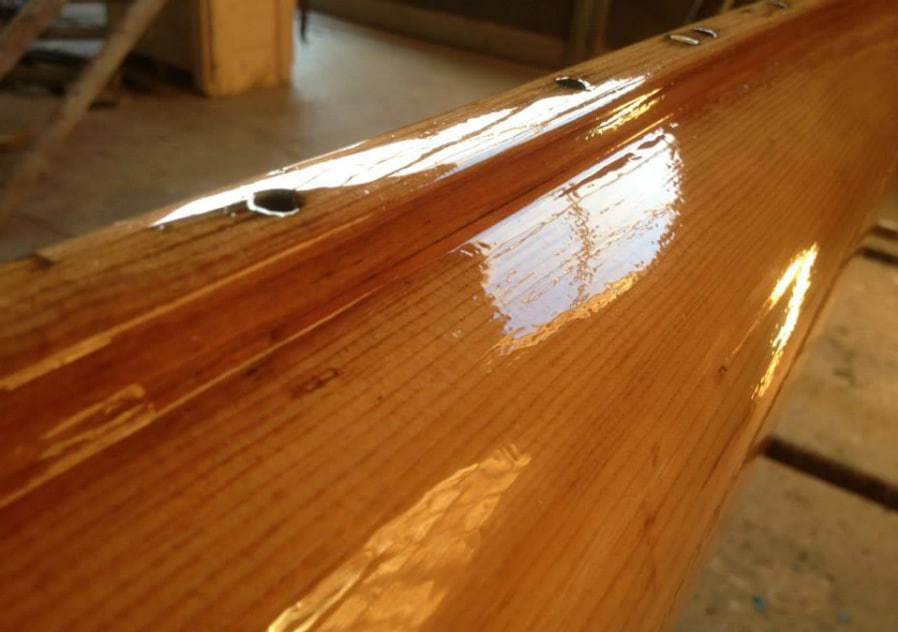
See real-life results from gluing resin to wood: notice the seamless, strong joints and professional finish achieved by proper surface prep and quality adhesive selection. Detailed photos can highlight the difference that good technique makes on your projects.

- "FixExpress" – Two-Component Epoxy Glue 500g£25.45FIX EXPRESS is a two-component epoxy glue designed for rapid, strong bonding of wood and various other materials.
- "Klebfix" – Two-Component Fast Epoxy Glue 2K, 25g Syringe£22.85This 2K fast epoxy glue bonds plastics, metal, wood and glass with a transparent finish suitable for professional and DIY applications.
- "EpoxyWood" – Wood Restoration Epoxy Resin for Deep Penetration and WaterproofingOriginal price was: £64.00.£39.85Current price is: £39.85."EpoxyWood" is a wood restoration epoxy resin designed for deep penetration and waterproofing, suitable for reliable wood repair and protection.
 "Trasparente" – Multipurpose Clear Epoxy Resin for Casting – Up to 2cmPrice range: £8.45 through £948.85"Trasparente" delivers a clear, glossy, self-levelling finish up to 2cm thickness, suitable for woodworking and art projects.
Frequently Asked Questions
Can you glue resin to wood effectively?
Yes, with good surface preparation and suitable epoxy glue, you can achieve a durable, reliable bond between resin and wood.
What is the best glue for resin to wood?
Two-component epoxy glues are most recommended for bonding resin to wood due to their high strength and versatility.
Should you sand resin and wood before gluing?
Yes, lightly sanding both surfaces greatly improves adhesion for a stronger, longer-lasting bond.
How long should you clamp glued resin and wood?
Clamp for the epoxy's initial set time (usually 5–15 minutes), but do not stress the joint for 24 hours for full strength.
When is EpoxyWood needed for joints?
Use EpoxyWood to reinforce and seal very porous or damaged wood before actual adhesive application.
How do you remove excess glue after curing?
Carefully sand or scrape hardened glue, taking care not to damage the surrounding finish or surfaces.