 Free shipping on orders over £29,85
  Shipping Tracking!


 Google
 Facebook
how to use epoxy resin
A complete beginner’s guide to practical epoxy resin applications
Epoxy resin is an incredibly versatile material that opens up endless creative possibilities, from vibrant jewellery to durable wooden tables and waterproof repairs. This guide walks you through the essential steps to confidently use epoxy resin at home, ensuring safe application, professional results, and enjoyment for both new crafters and seasoned DIYers.
What You’ll Need
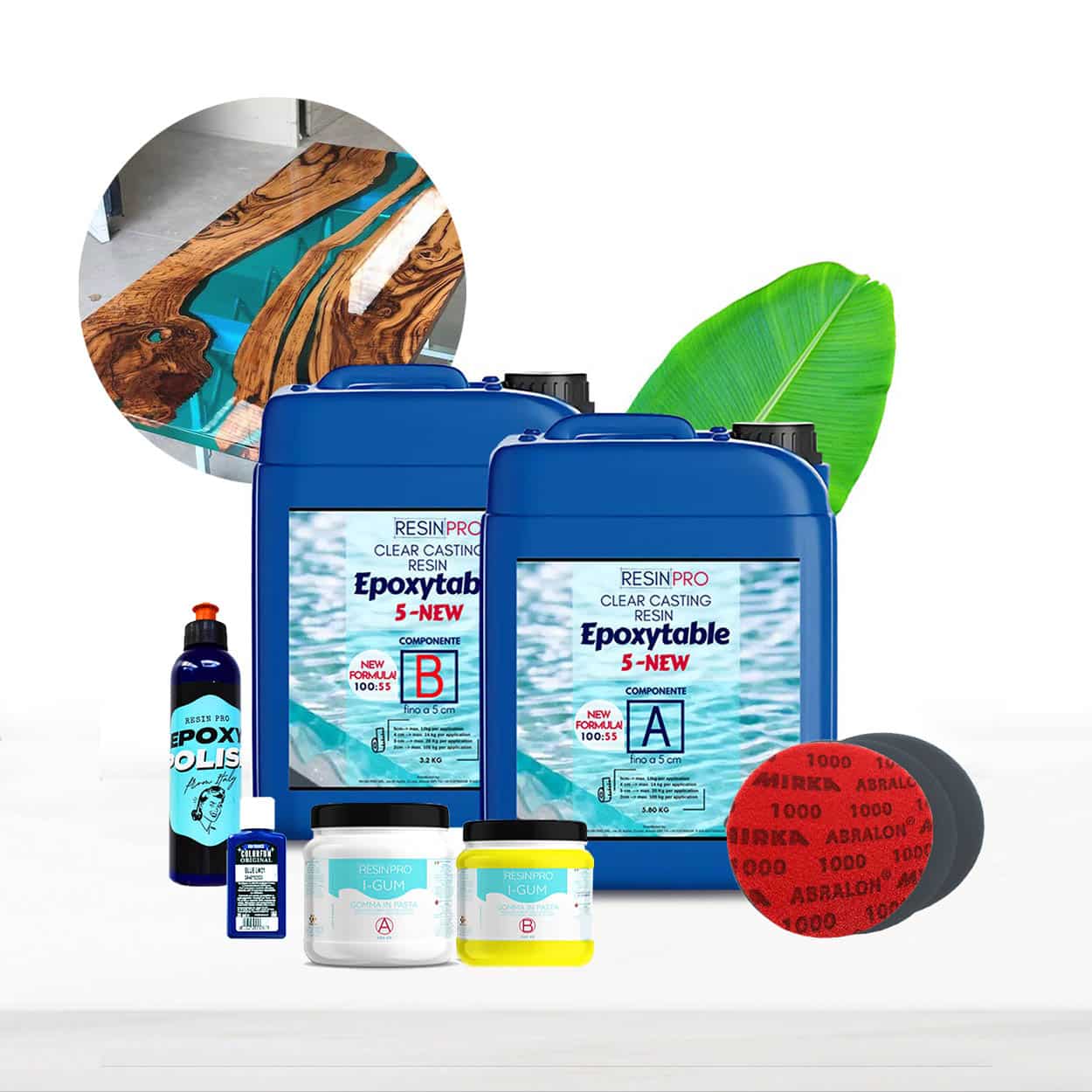
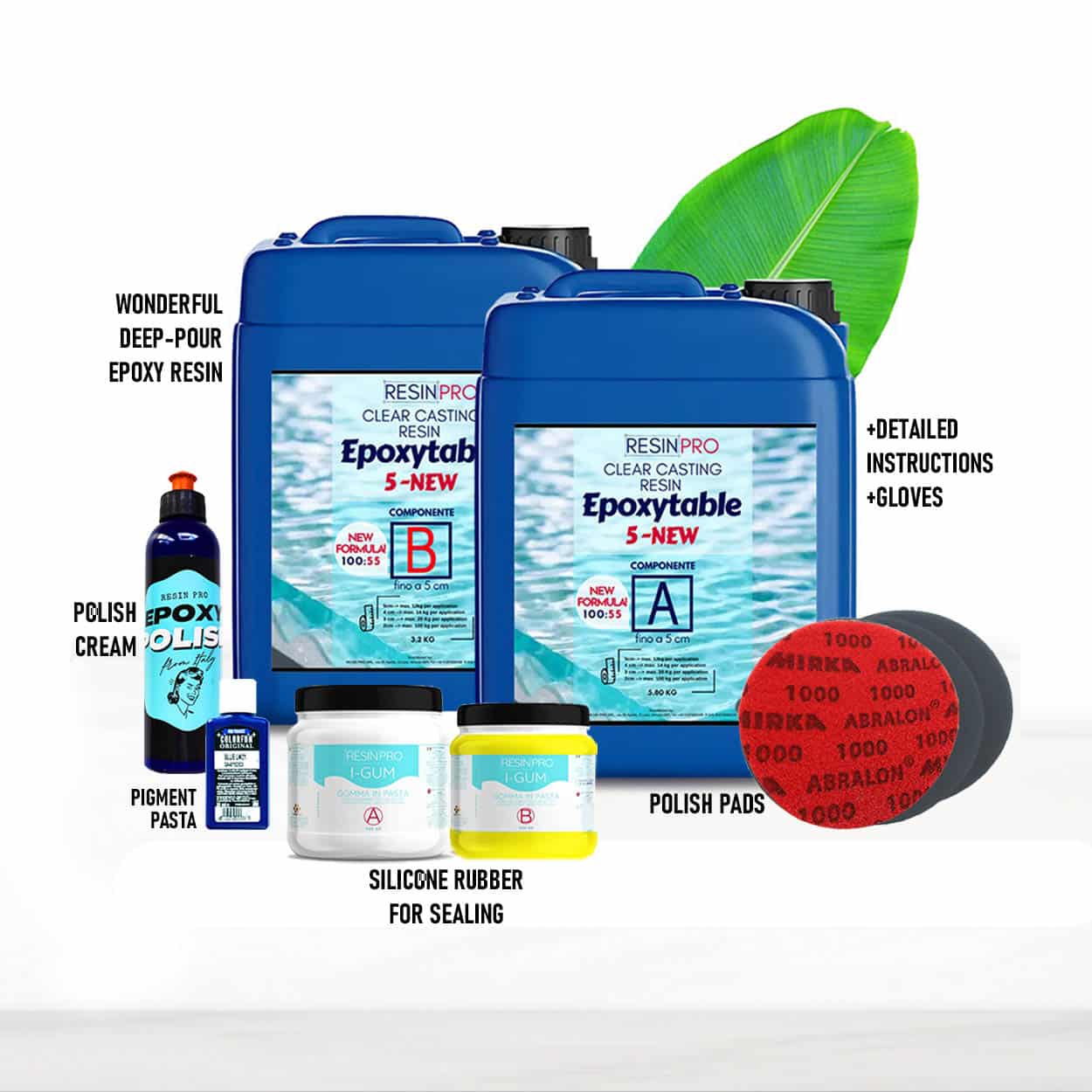
- “River-Table” – Complete Kit for Creating Your First Epoxy Resin Table: For those tackling a table or wood-resin project, this kit supplies everything from epoxy to pigments, plus finishing tools and instructions.
- “Evershine Collection” – Artisan Jewellery Epoxy Resin Kit with 100+ Accessories: Great for jewellery making, this comprehensive set includes a clear resin, pigments, moulds, and findings.
- “One-2-One” – Epoxy Resin for Handcraft, 1:1 Mixing Ratio: An accessible option for beginners needing reliable, clear casts for a range of craft and decorative projects.
- “EpoxyWood” – Wood Restoration Epoxy Resin for Deep Penetration and Waterproofing: For penetrating and waterproofing wooden surfaces, restoring strength and structure with a warm finish.
- Nitrile gloves and protective eyewear
- Disposable cups and stirrers for mixing
- Silicone moulds or a prepared wooden formwork (depending on your project)
- Masking tape and craft tools

Essential Tools for Getting Started
Begin your resin journey prepared: gather disposable cups, mixing sticks, gloves, and a dust-free surface. Select a suitable kit, such as the River-Table kit for large projects or the Evershine Collection for jewellery, to ensure a smooth crafting process.
Step 1: Prepare Your Workspace and Materials
Begin by setting up a clean, dust-free workspace with a flat, level surface. Always wear nitrile gloves and work in a ventilated area. Protect your table with plastic sheeting or disposable padding, as epoxy resin can be challenging to remove from porous surfaces. Lay out all your materials, so everything is within easy reach before you mix your resin and hardener—timing matters, as mixed resin can begin curing quickly.
If you’re casting wood, ensure any timber is fully dry and sanded smooth. For mould-based crafts, have your silicone moulds clean, dry, and ready for filling.
Check that your selected epoxy kit or product fits your project goal—for example, use EpoxyWood when preparing wood surface restoration, or a kit like the Evershine Collection for jewellery and small castings.
Step 2: Measure and Mix Epoxy Resin Accurately
Epoxy resin works by combining two components—resin and hardener—in specific ratios. Follow product-specific mixing ratios for guaranteed results. For instance, the One-2-One resin uses a simple 1:1 ratio by volume, making it straightforward for beginners.
Use separate cups to measure each part precisely, and then pour both into a new cup to mix. Stir thoroughly but slowly for at least two minutes, scraping the sides and base. Improper mixing can cause sticky patches or incomplete cures—pay close attention to this step for the best outcome.
Avoid whipping air into the mixture to help minimise trapped bubbles. If adding pigments or inclusions, do so after the resin is fully combined.
Step 3: Cast, Pour, or Coat the Resin
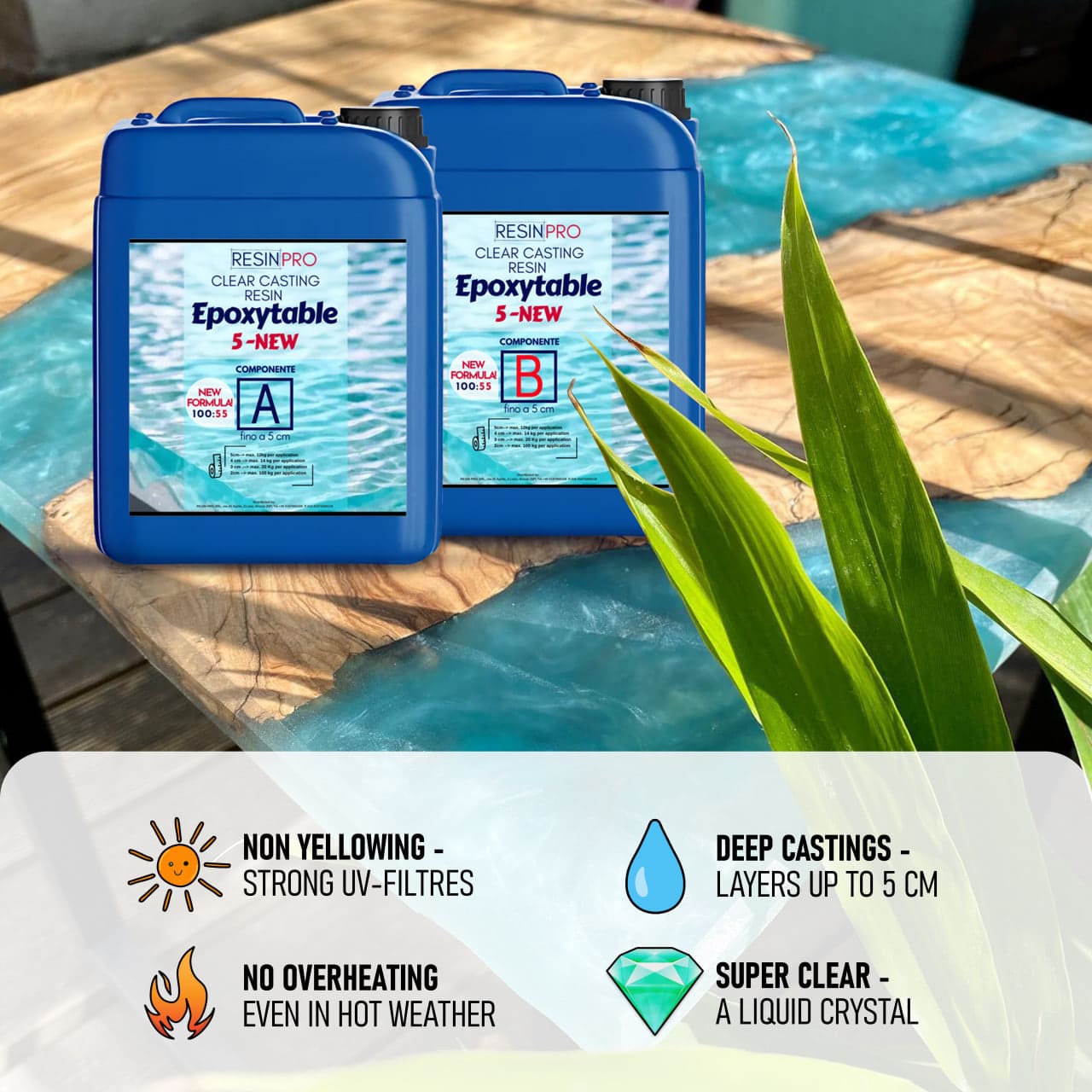
With your resin mixed, it’s time to work efficiently, as curing starts right away. Slowly pour the mixture into your mould, onto your wooden surface, or into your prepared formwork. For deep pours or river-style tables, working in layers—as guided in the “River-Table” kit—helps prevent overheating and cracking.
For small crafts or jewellery, fill the cavities gently to avoid excess bubbles. Eliminate bubbles before curing to achieve a flawless finish. This can be done using a toothpick, a heat gun on a low setting, or by gently blowing across the surface. Avoid excessive heat, as it may deform your mould or cause the resin to cure too quickly.
Step 4: Curing and Demoulding
Allow the epoxy resin to cure undisturbed according to the manufacturer’s recommended time—usually between 12 to 48 hours. Setting a dust cover over your piece helps protect the sticky surface from airborne particles.
Do not touch or move your project until the resin is fully cured. Demould gently: flexible silicone moulds make it easier for jewellery and crafts, while a release film (like in the River-Table kit) aids easy removal for larger work. Only handle cured resin with clean, dry hands to avoid fingerprints on the glossy surface.

Step 5: Sanding, Polishing, and Finishing Touches
Some projects require finishing for perfect clarity or touch. Sand cured resin with progressively finer-grit sandpapers, keeping the area and surface moistened to minimise dust. Once sanded smooth, polish with a compatible cream and pad set (the River-Table kit includes these) to restore a high-gloss shine. Sand and polish fully cured resin for that professional look.
For wood restoration with EpoxyWood, no additional topcoat may be needed, as the product cures to a waterproof finish that enhances the wood’s natural beauty. For crafts or jewellery, attach findings once the piece is fully polished.
Tips, Common Mistakes, and Troubleshooting
Measure carefully: Inaccurate ratios lead to soft or sticky resin. Always use separate, calibrated cups to measure resin and hardener.
Avoid moisture: Humidity can cause clouding or bubbles. Ensure both your surface and the surrounding environment are dry before starting.
Don’t rush curing: Moving or demoulding too soon may cause warping, fingerprints, or marking. Patience here means better results.
For extra guidance, select a kit that provides detailed instructions and tested accessories, such as the Evershine Collection for beginners or the River-Table kit for larger projects, to ensure you start with the right tools and advice.
Quick Project Fixes and Advanced Advice
If you spot imperfections after your resin cures, you can sand and polish the surface to recover the shine. Always begin with wet sanding and finish with a polishing cream, as included in epoxy kits. For persistent issues like cloudiness or sticky surfaces, check mixing accuracy and environmental conditions before your next pour.

- "River-Table" – Complete Kit for Creating Your First Epoxy Resin TablePrice range: £188.85 through £444.85"River-Table" kit includes essential materials and instructions for crafting resin and wood tables for users of all experience levels.
 "Evershine Collection" – Artisan Jewellery Epoxy Resin Kit with 100+ Accessories£20.85"Evershine Collection" offers a jewellery epoxy resin kit with clear 1:1 resin and over 100 accessories, suitable for beginners and craft enthusiasts.
 "One-2-One" – Epoxy Resin for Handcraft, 1:1 Mixing RatioPrice range: £14.85 through £56.85"One-2-One" epoxy resin is suited for both beginners and experienced crafters who seek a clear, medium viscosity resin with easy 1:1 mixing.
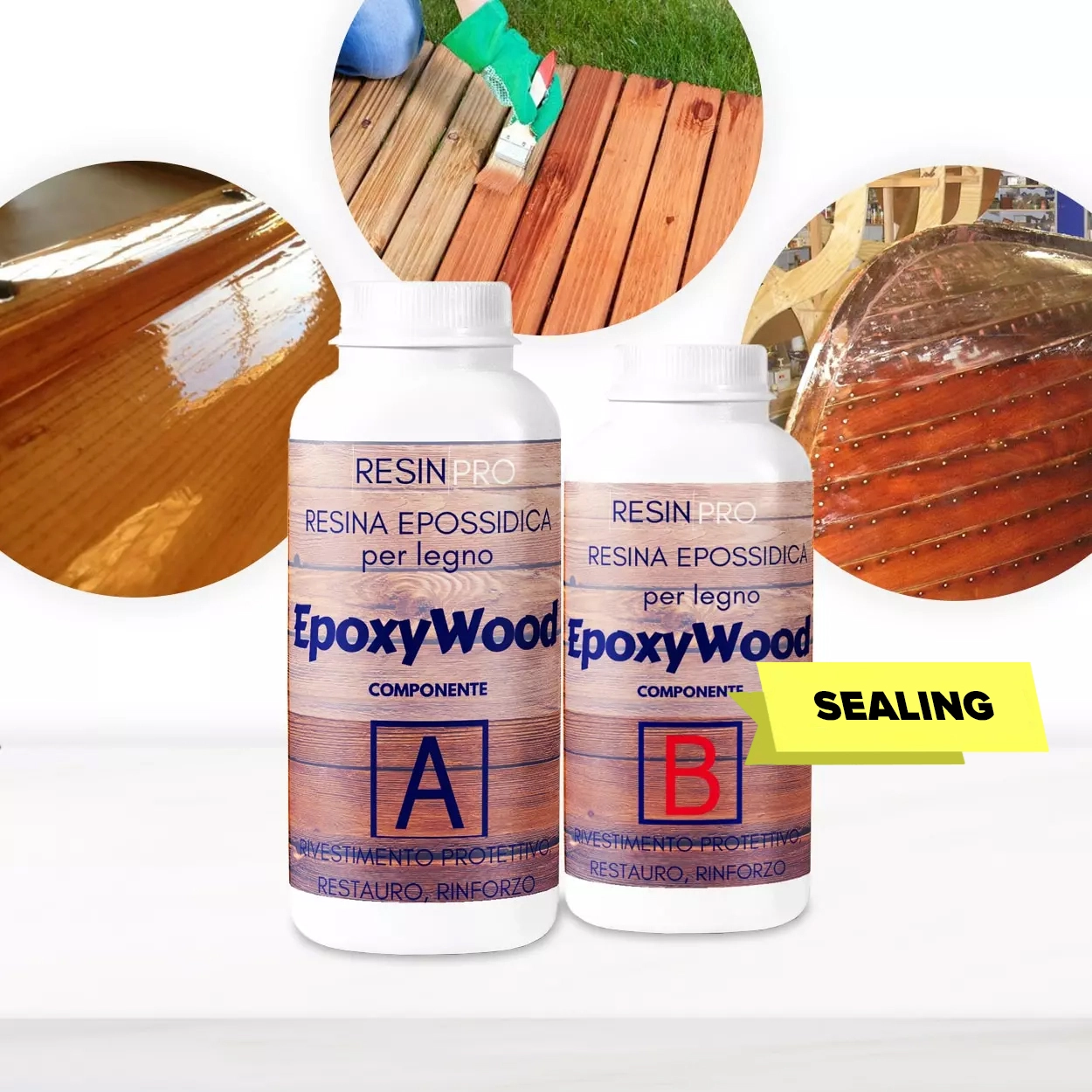 "EpoxyWood" – Wood Restoration Epoxy Resin for Deep Penetration and WaterproofingOriginal price was: £64.00.£39.85Current price is: £39.85."EpoxyWood" is designed for restoring and waterproofing wood with a clear finish emphasising natural grain, suitable for various restoration projects.
Frequently Asked Questions
Which epoxy resin should I use for crafts or jewellery?
One-2-One and the Evershine Collection are both ideal for jewellery and crafts, thanks to their clear finish and easy mixing ratios.
How can I avoid bubbles in my epoxy resin projects?
Mix slowly to prevent air entrapment and use a heat gun or gently blow over the surface to release bubbles before curing.
What safety measures should I take with epoxy resin?
Wear nitrile gloves, protect your eyes, and always work in a well-ventilated area. Avoid skin contact and inhaling fumes.
How long should epoxy resin cure before use?
Most epoxy resins cure in 12–48 hours, but always check your product’s instructions for recommended curing times.
What mixing ratios are required for ResinPro kits?
The One-2-One and Evershine kits use a 1:1 by volume ratio. Always consult your kit for the exact ratio needed.
Can I use epoxy resin to repair or seal wood?
Yes, products like EpoxyWood are made for deep wood penetration and waterproofing, making them ideal for timber restoration.
What to do if my resin stays sticky or soft?
Incomplete mixing or wrong ratios are common causes. Remove sticky resin and try again, ensuring accurate measurements.
Can I add inclusions or pigments to epoxy resin?
Yes, mix pigments in after the resin and hardener are fully combined. Use only compatible pigments for best results.