 Free shipping on orders over £29,85
  Shipping Tracking!


 Google
 Facebook
← Back to How do you polish resin jewellery?
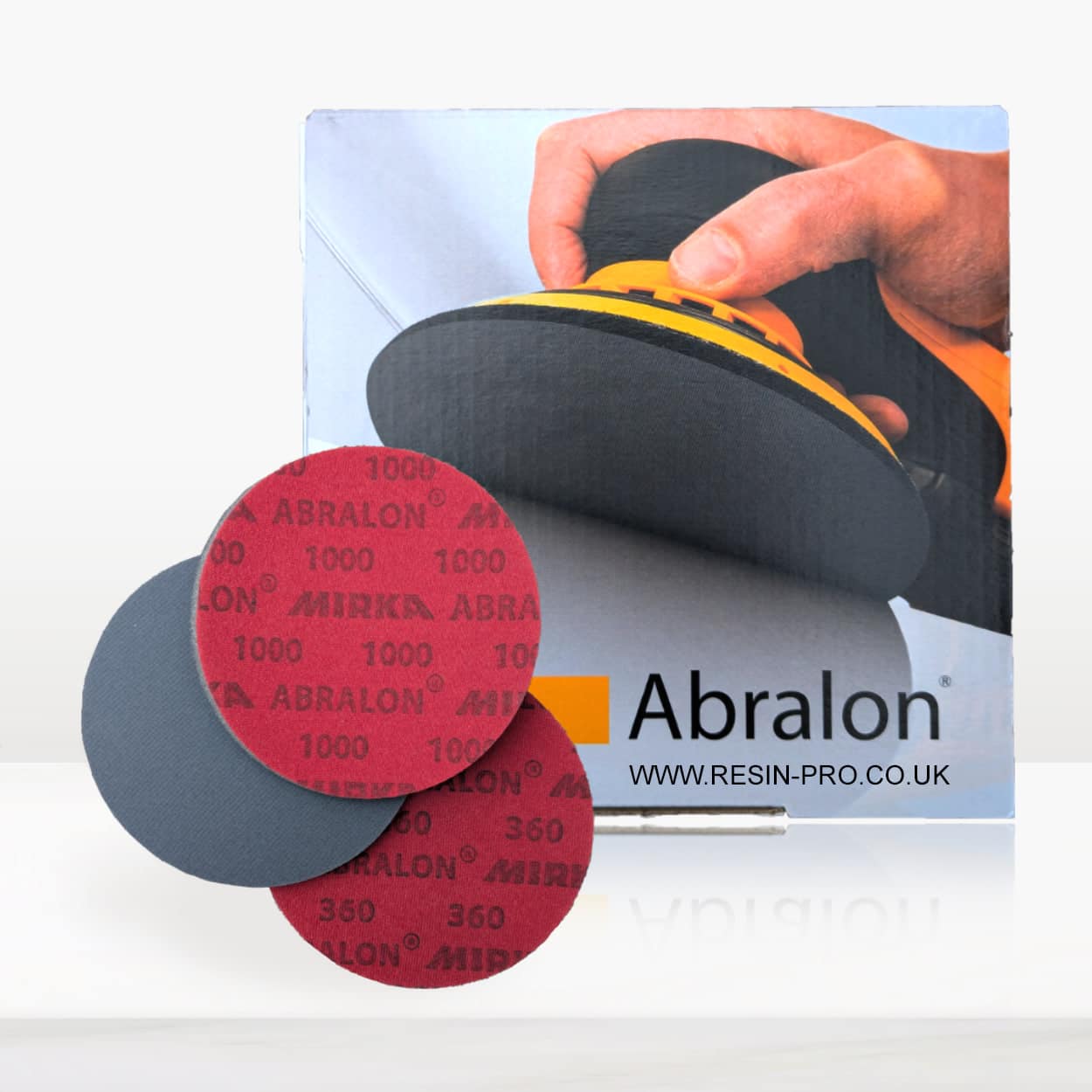
To achieve a professional, mirror-like finish on resin jewellery, it’s important to sand using progressively finer abrasive grits. This careful approach smooths imperfections and prepares surfaces for optimal shine.
What Does ‘Working Through Progressive Grits’ Mean?
Sanding with progressive grits involves starting with coarse abrasives to remove major flaws, then moving to finer and finer grits to refine the surface. Each step reduces visible scratches from the previous grit, ultimately producing a glassy base ready for polishing. For example, begin with a 360 grit pad and work up in stages to 4000 grit for excellent clarity.
- Start coarse, finish fine
- Remove all visible scratches before moving to the next grit
- Avoid skipping grit sizes for the most consistent results
Tools and Techniques for Effective Sanding
Using the right tools helps achieve an even, professional finish. Ebonite Abralon Sanding Pads are designed for both resin and wood, offering a range of grits. Pair them with a Manual Polishing Pad Holder for better control and ergonomic handling, especially for intricate pieces of jewellery.
Wet sanding can further minimise clogging and help produce smoother results. Finish by ensuring all sanding marks are removed before polishing cream is applied.
When Progressive Grits Matter Most
Progressive grit sanding is essential when aiming for a flawless, glossy appearance in clear or coloured resin jewellery. It’s particularly important for highly detailed pieces or whenever a high level of finish is desired. Skipping grits or rushing this stage can leave scratches visible beneath your final gloss coat.
Related products
Related guides
By working patiently through progressive grits, you lay the groundwork for beautifully polished resin jewellery. For more detailed guidance on each step and additional finishing touches, explore our complete advice on polishing resin jewellery.