 Free shipping on orders over £29,85
  Shipping Tracking!


 Google
 Facebook
← Back to How to polish a resin statue?
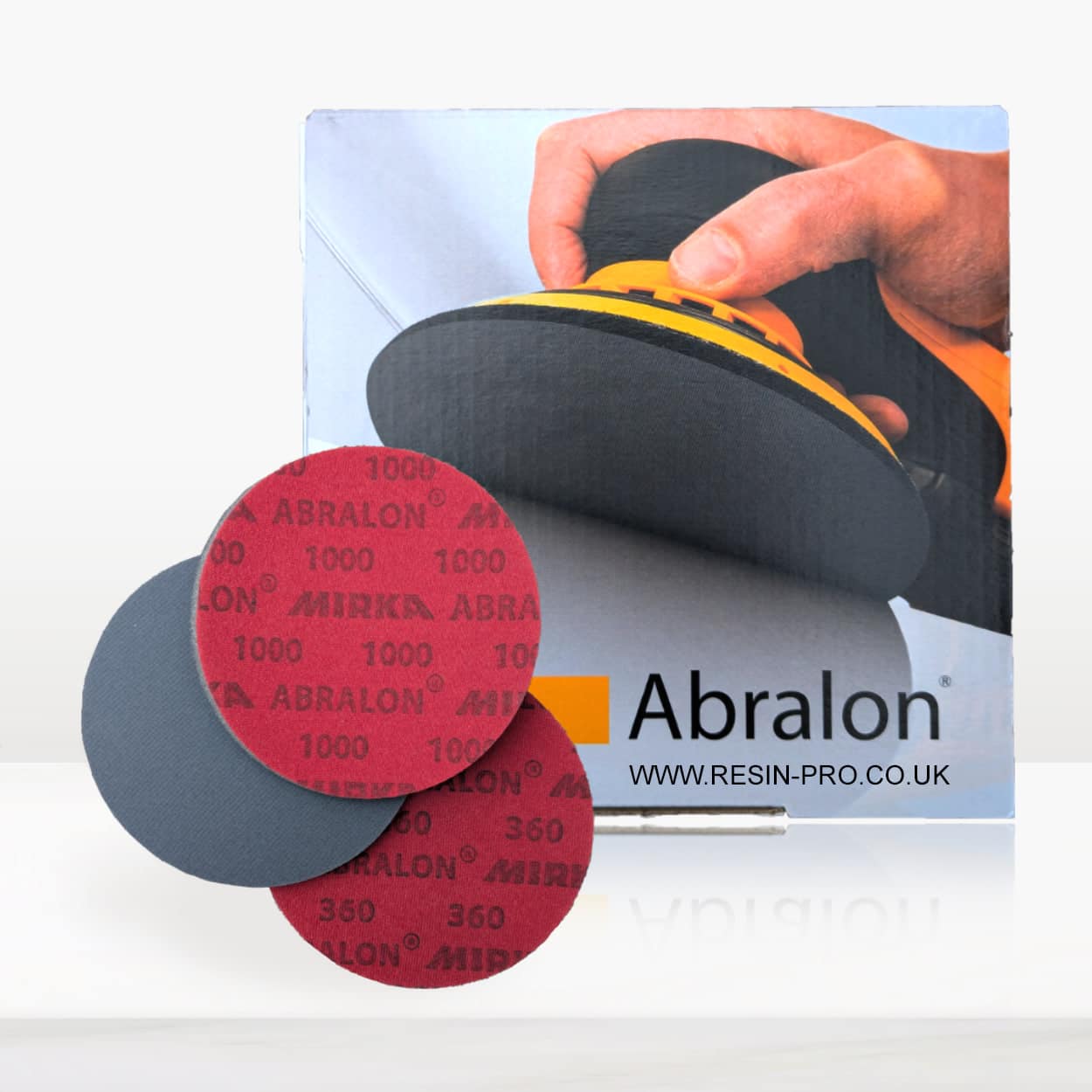
When aiming for a flawless finish on a resin statue, choosing the right sanding pads is essential. The use of sanding pads with grits ranging from 360 to 4000 enables you to refine the surface progressively, laying the groundwork for a highly polished, professional appearance.
Understanding Grits and Their Importance
Sanding pads are available in a wide range of grits, where lower numbers (such as 360) are coarser and suitable for initial smoothing, while higher numbers (up to 4000) are ultra-fine, perfect for the final stages. The proper progression through these grit stages is key to removing scratches and preparing the resin for a high-gloss polish.
- 360–600 grit: Start here to level out uneven patches or remove casting marks.
- 800–1500 grit: Move to these as the surface becomes smoother.
- 2000–4000 grit: These provide the silky finish that sets the foundation for polishing compounds.
How to Achieve a Smooth Finish
Begin by using your chosen coarse-grit sanding pad, ensuring even sanding across the statue—working either by hand or with a pad holder. For best results, use Ebonite Abralon sanding pads, which are designed for both wet and dry usage and provide consistent pressure due to their foam backing. Progress through higher grits, rinsing the surface between steps, and always check for uniform removal of previous sanding marks before moving on.
When This Level of Sanding Matters
Using a full grit progression from 360 to 4000 is especially important if your resin statue will be displayed in good light or is intended for finishing with a high-gloss polish. It ensures imperfections are minimised and allows polishing creams to produce a true mirror finish.
Related products
Related guides
Selecting high-quality sanding pads and using a complete range of grits is the first step toward achieving a beautifully polished resin statue. For a full guide to polishing, explore our main advice on how to polish a resin statue.