 Free shipping on orders over £29,85
  Shipping Tracking!


 Google
 Facebook
← Back to How do you mix epoxy resin?
Mixing epoxy resin is a creative and rewarding process, but it’s important to consider your safety throughout. One of the most straightforward protective steps you can take is wearing gloves during preparation and handling.
Why Gloves Are Essential
Epoxy resin can easily cause skin irritation or allergic reactions in some people, even if you are just mixing or pouring. Gloves form a barrier, preventing the resin from coming into contact with your hands. Beyond protecting your skin, gloves help keep your project free from fingerprints, dust, and other contaminants that can affect the clarity or final look of your resin piece.
Choosing and Using Gloves for Resin
Nitrile gloves are the most widely recommended choice for working with epoxy resin due to their resistance to chemicals and comfortable fit. They are disposable, ensuring you always start with a clean pair. Before beginning any resin work, inspect gloves for holes or tears. Put them on before you mix or touch any part of your epoxy set-up, and remove them carefully to avoid getting uncured resin on your skin.
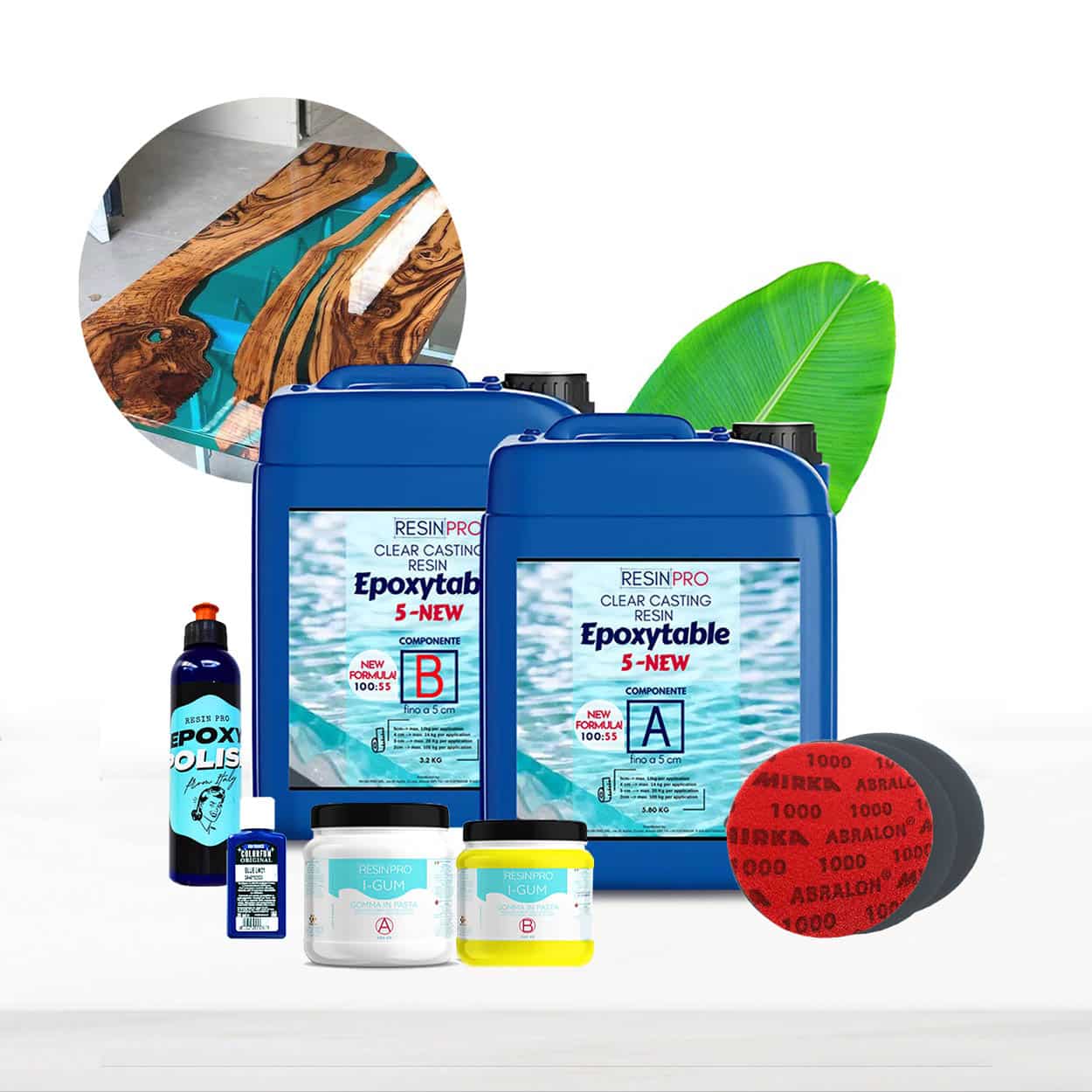
Many beginner resin kits, such as the “River-Table” Complete Kit, include gloves and mixing accessories, ensuring you have proper protection from the start.
When This Matters Most
Wearing gloves is especially vital if you are mixing larger batches, pouring, or colouring the resin, as splashes and drips are more likely. Even for small jewellery projects, it’s good practice to always keep your hands covered to maintain both safety and a flawless finish.
Related products
Related guides
Using gloves is a small step that makes a big difference to safety and quality in your epoxy work. For more tips on proper resin handling and preparation, see our full guide on how to mix epoxy resin.