 Free shipping on orders over £29,85
  Shipping Tracking!


 Google
 Facebook
How to apply resin in a garage?
Step-by-step guide for long-lasting, robust garage floors

Transforming your garage floor with a resin coating boosts both durability and aesthetics, creating a smooth, easily cleanable surface that resists stains and wear. Whether your goal is to upgrade a tired concrete floor or protect new screed or tiles, applying resin properly ensures a lasting finish. This guide walks you through each stage, helping you avoid common pitfalls and achieve professional-quality results.
[h1]What You’ll Need
- “Epoxyprimer” – Universal Water-Based Two-Component Epoxy Floor Primer: A water-based, odourless primer to promote adhesion and durability, especially on concrete, screed, tiles, or timber.
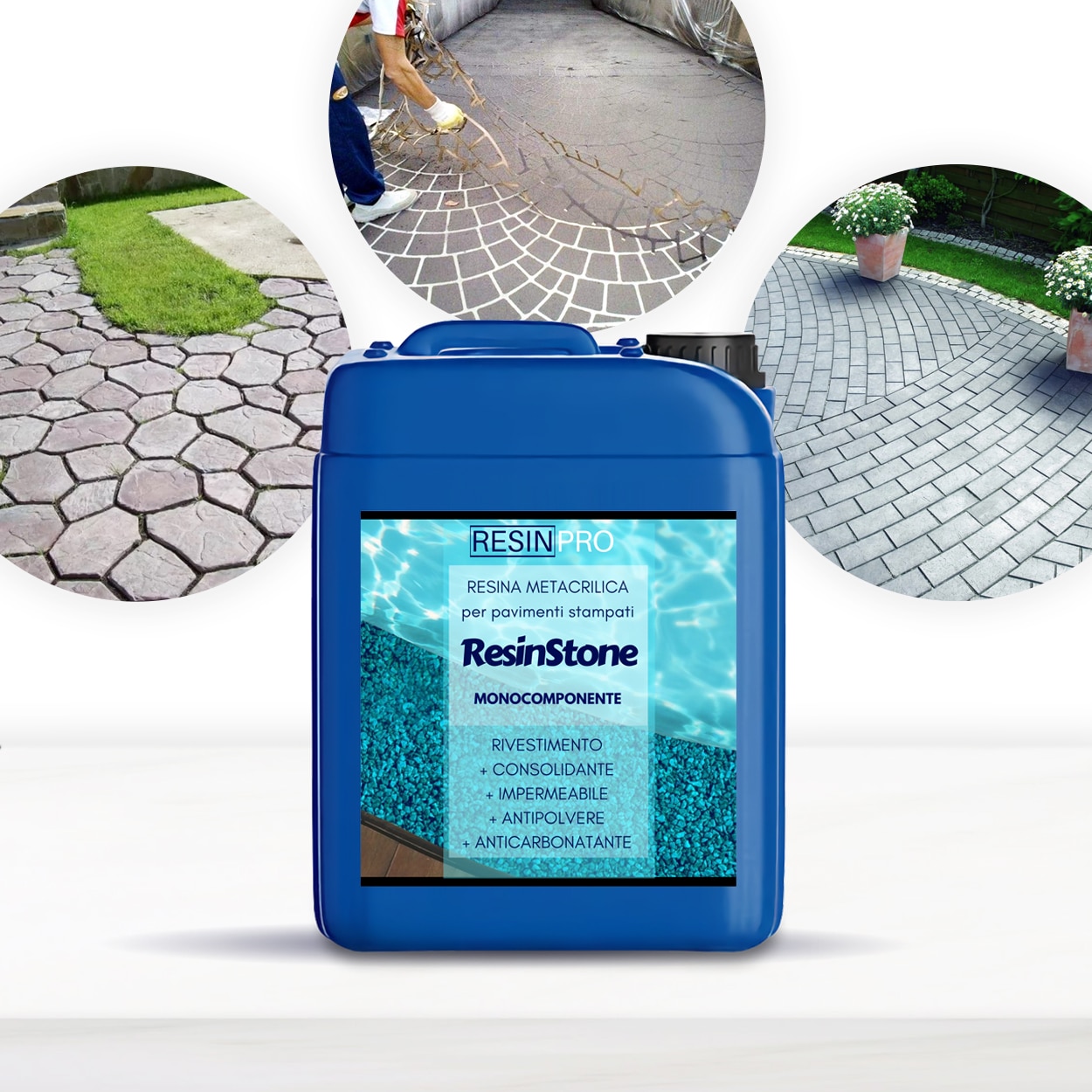
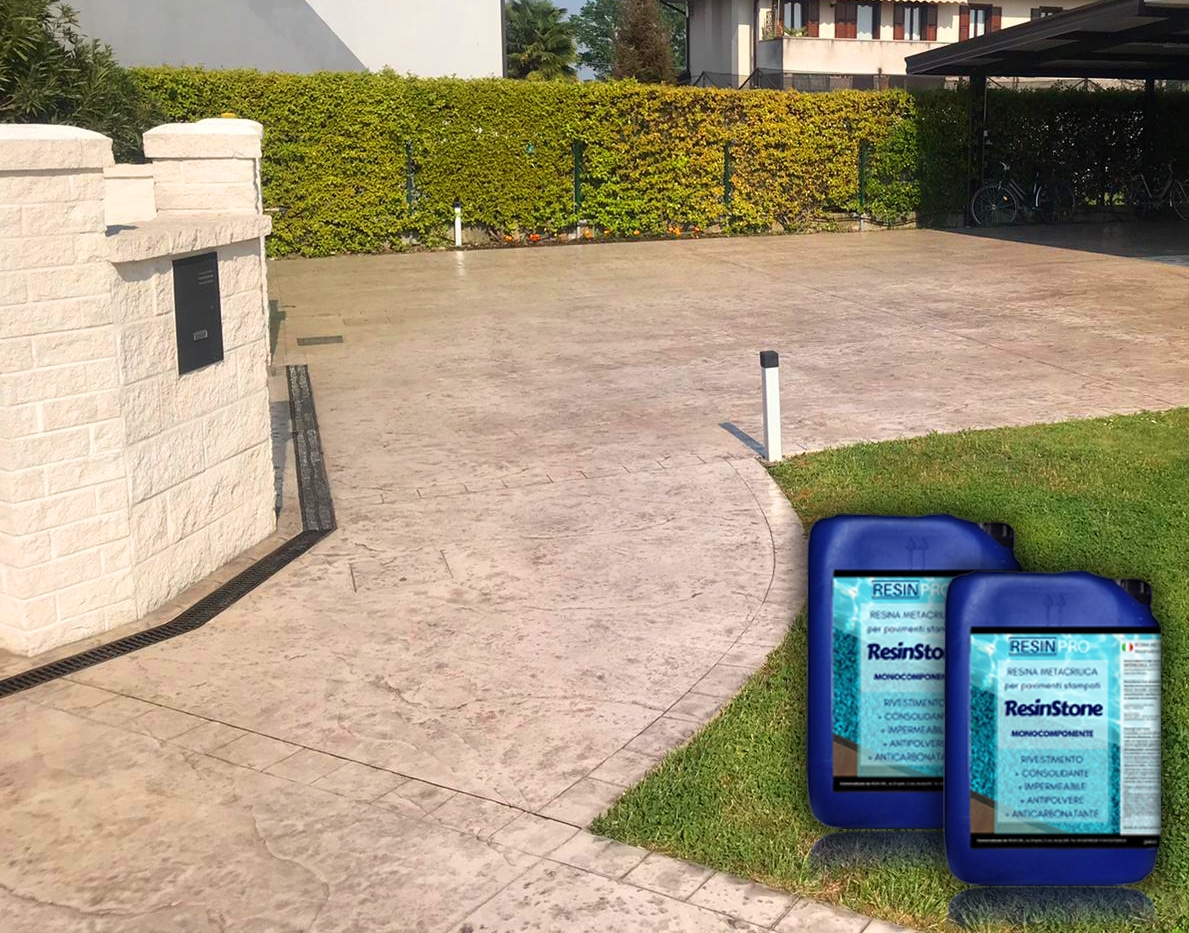
- “Resinstone” – One-Component Methacrylic Resin for Concrete Floors and Driveways: For sealing and protecting concrete floors before or after resin coating.
- “Flowstone” – Complete Permeable Floor Kit with Pebbles and Resin: If opting for a decorative or permeable floor system.
- “Trasparente” – Epoxy Binder for Coloured Pebbles and Grits: To bind and secure decorative aggregates for a distinct garage finish.
- Roller, brush, or spatula for application
- Protective gloves and safety glasses
- Clean buckets and mixing tools
- Floor degreaser/cleaner
- Fine-grit sandpaper (if smoothing imperfections)
- PPE and good ventilation

Resin Garage Floor Project Inspiration
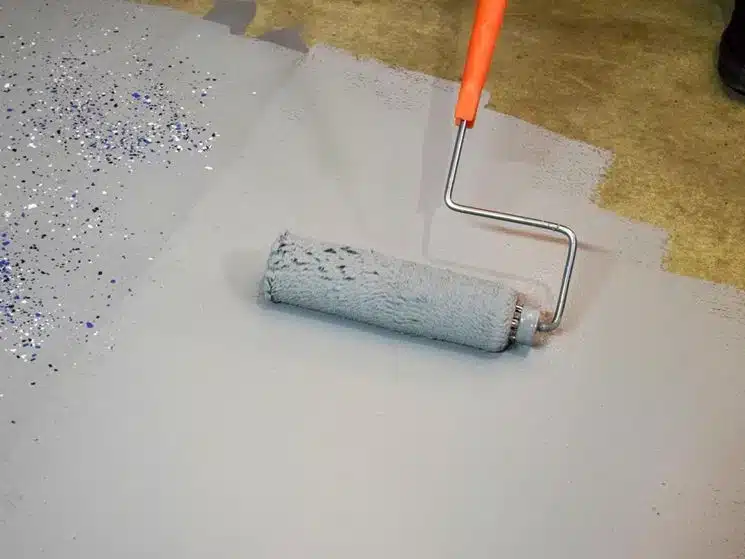
Imagine your garage transformed: a sleek, glossy resin finish that resists stains, tyre marks, and daily wear. View our gallery of real-world installations to inspire your own project and see how different finishes can enhance practicality and style.
Step 1: Prepare and Clean the Garage Floor
The first step is crucial: removing dirt, dust, stains, or any existing sealers from your garage floor ensures proper resin adhesion. Sweep the area thoroughly and use a degreaser to eliminate oil spots. For stubborn stains, apply a dedicated concrete cleaner and rinse well, allowing the surface to dry completely. Make sure any cracks, holes, or uneven spots are repaired and levelled out using an appropriate filler. Once the floor is clean and dry, sand down any rough patches and vacuum away residual dust.
Step 2: Prime the Surface for Resin Application
Priming is essential to promote strong adhesion and prevent bubbles or weak spots. Use a high-quality epoxy primer suitable for your substrate. On concrete, wooden, tile, or screed surfaces, a product like “Epoxyprimer” – Universal Water-Based Two-Component Epoxy Floor Primer offers an eco-friendly, odourless solution that maximises bonding. Mix the two components in the recommended ratio and apply evenly with a roller or brush, ensuring complete coverage.
Allow the primer to cure fully — typically 24 to 48 hours, depending on conditions. Do not rush this stage, as insufficient curing can undermine the final finish.
Step 3: Apply the Resin Coating
Once the primer has cured, proceed with the main resin layer. Choose a resin system suitable for your intended use and desired finish, such as a coloured epoxy, polyurethane, or decorative aggregate solution. For plain resin floors, a one-component resin like “Resinstone” – One-Component Methacrylic Resin for Concrete Floors and Driveways can be applied with a roller or spatula, forming a seamless, hard-wearing coating.
If opting for a permeable or decorative garage floor, blend coloured pebbles with a dedicated binder such as “Trasparente” – Epoxy Binder for Coloured Pebbles and Grits before spreading onto the primed surface. Spread the mixture evenly with a trowel, ensuring full compaction and a smooth finish.
Work in manageable sections to maintain control and avoid visible joins or inconsistencies.

Step 4: Allow the Floor to Cure and Finish
Proper curing is vital. Keep the garage well-ventilated and free from dust and moisture while the resin system hardens. Curing times vary: for primers and main resin coats, expect anywhere from 12 hours (for fast-drying systems) to 48 hours before you can walk on the surface. For full mechanical resistance (parking cars, heavy loads), allow at least 3–7 days before resuming normal use.
For extra durability or shine, a clear topcoat can be applied once the base layer has cured. Always follow the manufacturer’s timing and environmental recommendations.
Tips and Common Mistakes
Proper surface preparation is essential: Rushing the cleaning or priming stage is the leading cause of delamination or weak spots.
Curing time matters: Resist the urge to use the floor early. Full cure ensures maximum strength and longevity.
Avoid excessive humidity and dust: High humidity and airborne particles can affect curing and cause imperfections. Work in suitable weather and consider a dehumidifier if necessary.
If using aggregate mixes, always pre-mix resin and aggregates rather than spreading them separately for even encapsulation and stability.
See Tips in Action
Watch hands-on demonstrations and completed projects to help apply these techniques with confidence. Real application videos offer practical know-how, from surface preparation to the finishing touches.

- "Epoxyprimer" – Universal Water-Based Two-Component Epoxy Floor PrimerPrice range: £148.84 through £272.45Epoxyprimer is a water-based epoxy floor primer suitable for concrete, tiles, timber and screeds, offering reliable adhesion and simple application.
- "Resinstone" – One-Component Methacrylic Resin for Concrete Floors and DrivewaysPrice range: £29.85 through £59.85"Resinstone" is a one-component methacrylic resin designed for sealing and protecting concrete floors and driveways within garage applications.
- "Flowstone" – Complete Permeable Floor Kit with Pebbles and ResinPrice range: £42.85 through £3,389.85"Flowstone" offers a durable, draining pebble and resin kit designed for outdoor driveways and patios with simple application steps.
 "Trasparente" – Epoxy Binder for Coloured Pebbles and GritsPrice range: £31.85 through £948.85Epoxy binder designed for clear, UV-stable finishes on coloured pebbles and grits, suitable for garage flooring projects.
Frequently Asked Questions
Do I need to prime my garage floor before applying resin?
Yes, using a primer ensures optimal adhesion and prevents bubbles or peeling. It is highly recommended for concrete, tiles, and wood.
How long should I wait before using my garage after resin application?
Allow at least 12 to 48 hours before walking on the surface. For heavy use or vehicles, wait 3–7 days for full curing.
Which resin is best for garage floors?
Epoxy and methacrylic resins both suit garage floors. Epoxyprimers promote adhesion; methacrylic resins like Resinstone excel on concrete.
How can I make my resin garage floor non-slip?
For traction, scatter quartz sand or fine grit onto the wet resin before it sets. This adds slip resistance to the final surface.
What should I do if bubbles appear in my resin floor?
Bubbles usually result from poor priming or trapped moisture. Sand the area lightly and reapply a thin resin coat for repair.
Can I use decorative aggregates with resin in my garage?
Yes, combine the aggregate with a matching epoxy or polyurethane binder for a durable, stylish finish suitable for vehicle traffic.