 Free shipping on orders over £29,85
  Shipping Tracking!


 Google
 Facebook
← Back to How to achieve the same effect as two-component resin?
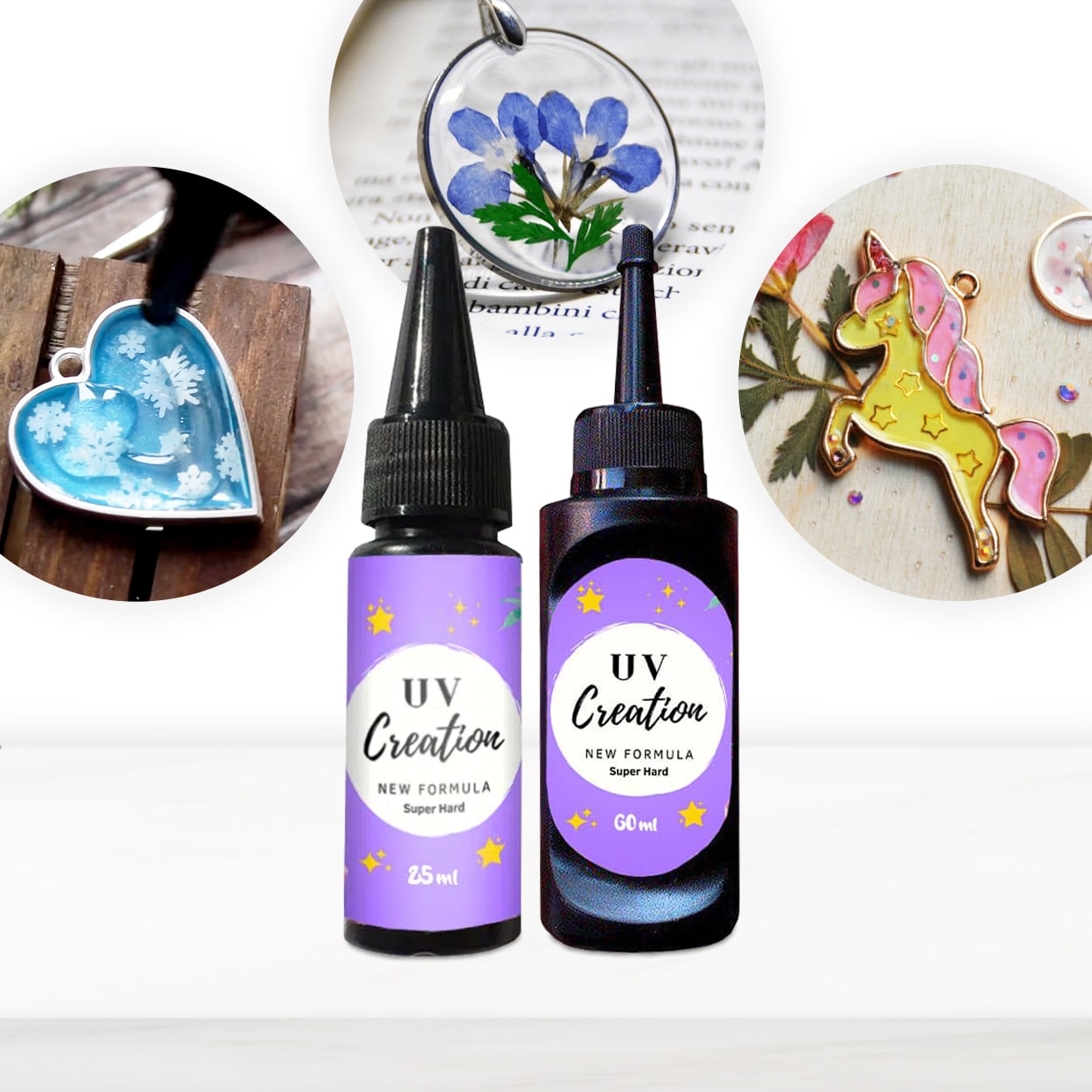
If your resin project feels sticky or fails to cure as expected, you are not alone. Tackiness and incomplete curing are common issues, but with careful troubleshooting, most can be resolved or avoided altogether.
Why Does Resin Remain Sticky?
Uncured or sticky resin typically results from incorrect mixing ratios, inadequate mixing, or unsuitable curing conditions. For example, two-component systems such as epoxy require precise measurement and thorough blending of both parts. Environmental factors, such as low temperatures or insufficient UV light (for UV-curing resins), can also prevent proper hardening. Before attempting a fix, determine whether you used the right resin type and followed recommended instructions for mixing and curing times.
Rescue Tactics: How to Fix Sticky Resin
- Assess the tackiness: If only the surface is slightly sticky, try gently wiping it with isopropyl alcohol. This method may remove the residual tack if the underlying resin has otherwise cured.
- Re-cure or apply more heat: Inadequately cured resin may benefit from increased exposure to a curing lamp (for products like UV–Creation) or gentle warming if you’re using a traditional two-part resin. Raising the ambient temperature or extending the curing period can often help set the resin fully.
- Remove and re-pour: If the resin remains soft or uncured even after these attempts, the best solution is to scrape away the sticky layer and apply a fresh, accurately measured and mixed coat. Always follow the product’s guidelines for ratios and cure times.
Prevention: Top Tips for Flawless Finishes
- Use accurate digital scales or measuring cups to ensure correct mixing proportions.
- Mix thoroughly but gently to ensure full integration of both components without adding excess air bubbles.
- Check environmental conditions: temperature and humidity can impact curing, so work in a controlled space whenever possible.
- Select a resin system that matches your project’s needs. Simple one-component systems like UV–Creation may help avoid mixing errors common with two-part resins.
When Does This Matter Most?
Sticky or uncured resin is especially problematic for jewellery, craft, and decorative projects where a crystal-clear, durable surface is critical. If timely production is important, fast-curing products or UV-cured options can be particularly useful.
Related products
Related guides
Resolving sticky or uncured resin is about understanding both technique and materials. By choosing the right resin—whether a traditional two-part epoxy or a user-friendly UV system—and ensuring precise preparation, you’ll get the durable, high-gloss effects that two-component resins are valued for. Return to our parent guide for more ways to achieve consistent and impressive resin results.