 Free shipping on orders over £29,85
  Shipping Tracking!


 Google
 Facebook
← Back to How to get resin from a plant?
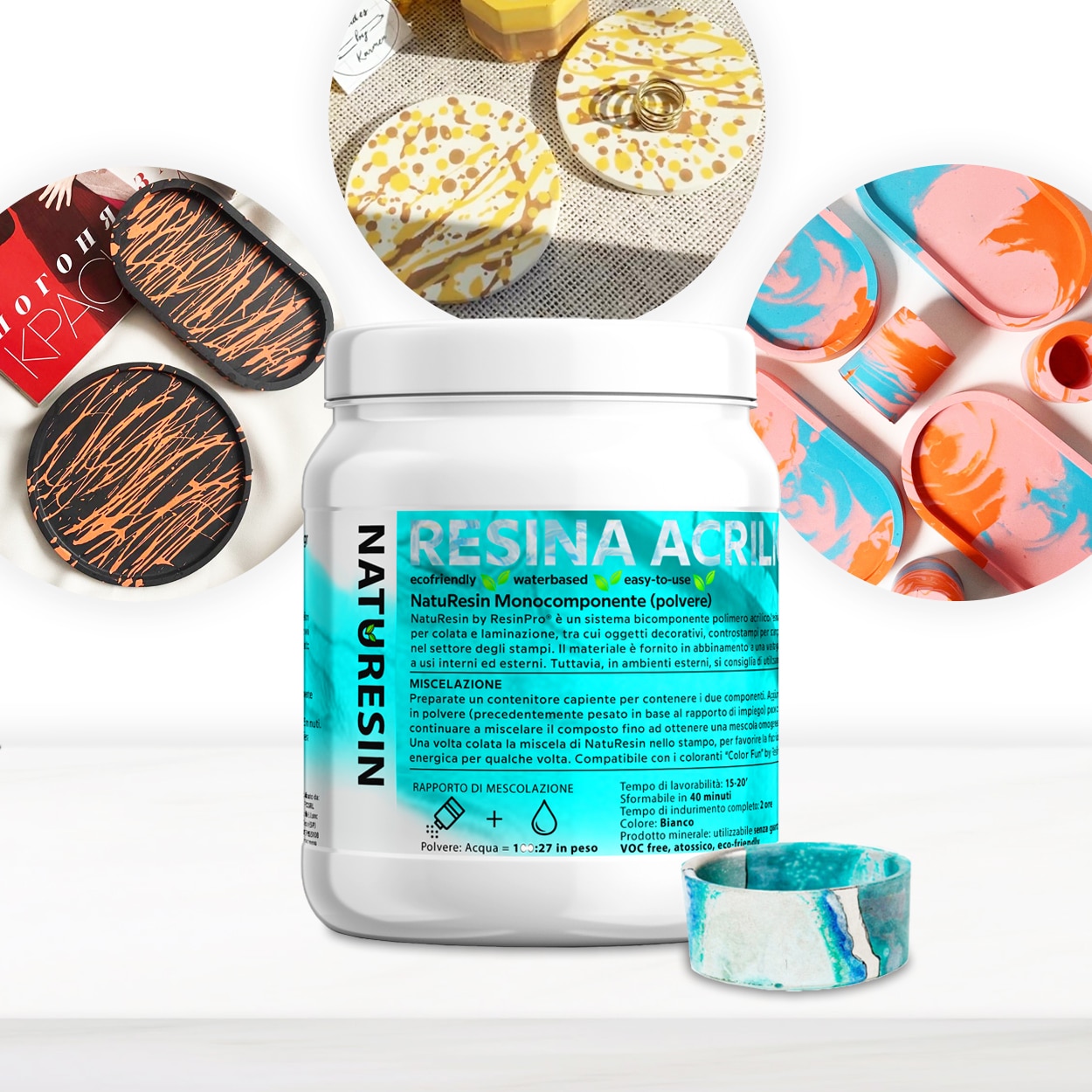
If you’ve collected resin from plants, proper storage is key to maintaining its quality for later use in crafting or creative projects. Here’s how to keep your resin safe from moisture, air, and sunlight.
Choosing Suitable Containers
Store your collected resin in clean, airtight glass jars or heat-resistant plastic containers. It’s wise to label each jar with the collection date and source. Using sealed containers helps prevent exposure to humidity and dust, which can degrade the resin over time.
Best Environment for Storage
Keep resin jars in a cool, dry place away from direct sunlight. Excess heat or UV rays may alter the consistency or colour, so a cupboard or shaded shelf is ideal. Avoid damp areas such as sheds or bathrooms to stop moisture interfering with the resin’s natural properties.
Practical Tips for Resin Use
When you’re ready to use your stored resin for projects like crafts or casting with NatuResin or clear epoxy resins, make sure the resin is free from debris. If any crystallisation or stickiness occurs, gently warming the sealed jar in lukewarm water can make it easier to work with.
When Proper Storage Matters Most
- For artists needing reliable materials for consistent results
- When preserving rare or hard-to-collect resins
- If you plan to use resin for decorative, craft, or functional resin projects in the future
Related products
Related guides
Following these simple storage guidelines will keep your plant resin ready for any creative or craft applications. For more on collecting and using natural resins, visit our main guide on how to get resin from a plant.