 Free shipping on orders over £29,85
  Shipping Tracking!


 Google
 Facebook
How to get resin from a plant?
Step-by-step guide for natural resin extraction at home

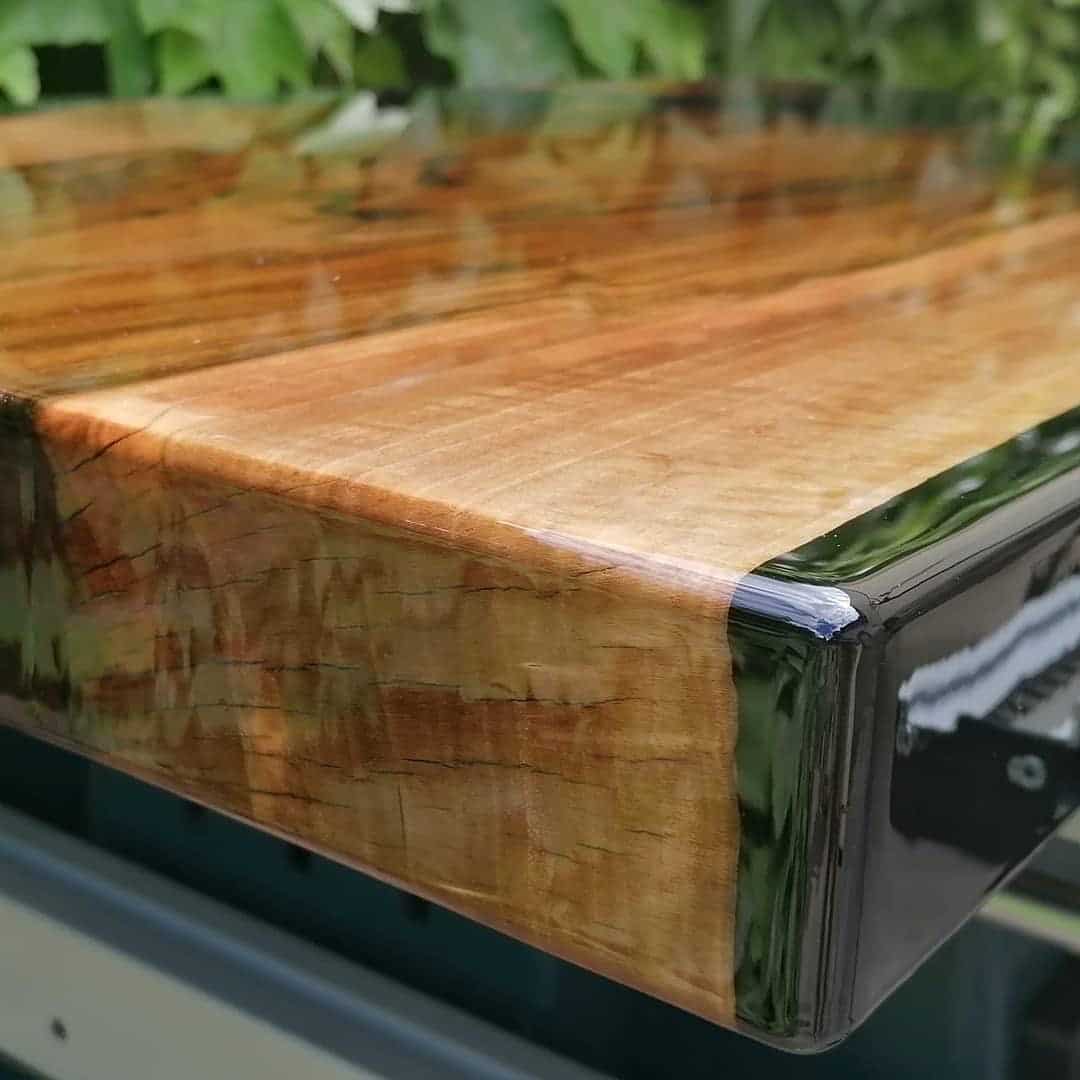
Extracting resin from plants is an age-old skill essential for natural artistry and crafting. Whether you’re interested in traditional uses or want to explore plant-based materials for your own projects, this guide will walk you through the methods for harvesting resin safely and effectively.
What You’ll Need
- Sharp, sterilised knife or blade
- Gloves for hand protection
- Clean glass or metal container for collection
- Protective apron (optional)
- Labelled jars or containers for storage
- “NatuResin” – Mineral Resin & Water System for Creative Casting and Crafts if you wish to compare with eco-friendly synthetic alternatives after collecting the natural resin

Natural Resin Harvest Inspiration
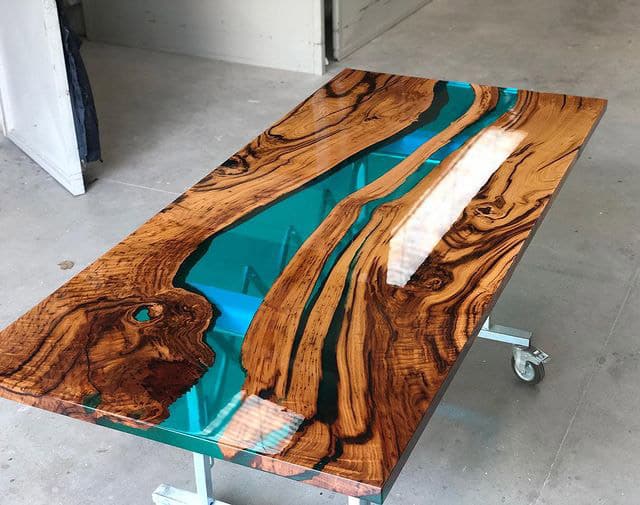
See how natural resin collected from trees can be transformed into stunning decorative crafts. These images feature both traditional and modern materials for creative projects.
Step 1: Identify and Prepare the Plant
Begin by selecting a suitable resin-producing plant, such as pine, fir, or spruce. Only harvest from healthy, mature plants, as young or stressed specimens are less likely to yield quality resin and may be harmed by extraction. Gently brush away debris and inspect the bark for existing resin pockets or healthy growth areas. Make sure tools are clean to limit infection risk.
Step 2: Make a Controlled Incision
Make a shallow incision in the plant’s bark using your sterilised knife. The cut should only penetrate the outer layer—not deep into the wood—to avoid long-term damage. Target areas free from visible defects or old wounds. A vertical or angled cut of about 3–5 cm is typically sufficient. Wipe away excess moisture, if present, to encourage better resin flow.
Step 3: Collect the Resin Safely
Resin will start to ooze from the incision over several hours. Hold your container underneath or use a clean tool to gently scrape the resin as it accumulates. Patience is key—do not force collection, as excess pressure can damage the plant further. For larger yields, return over the next 24–48 hours to collect additional resin. Handle the sticky residue carefully to avoid contamination.
Step 4: Store and Use Your Natural Resin
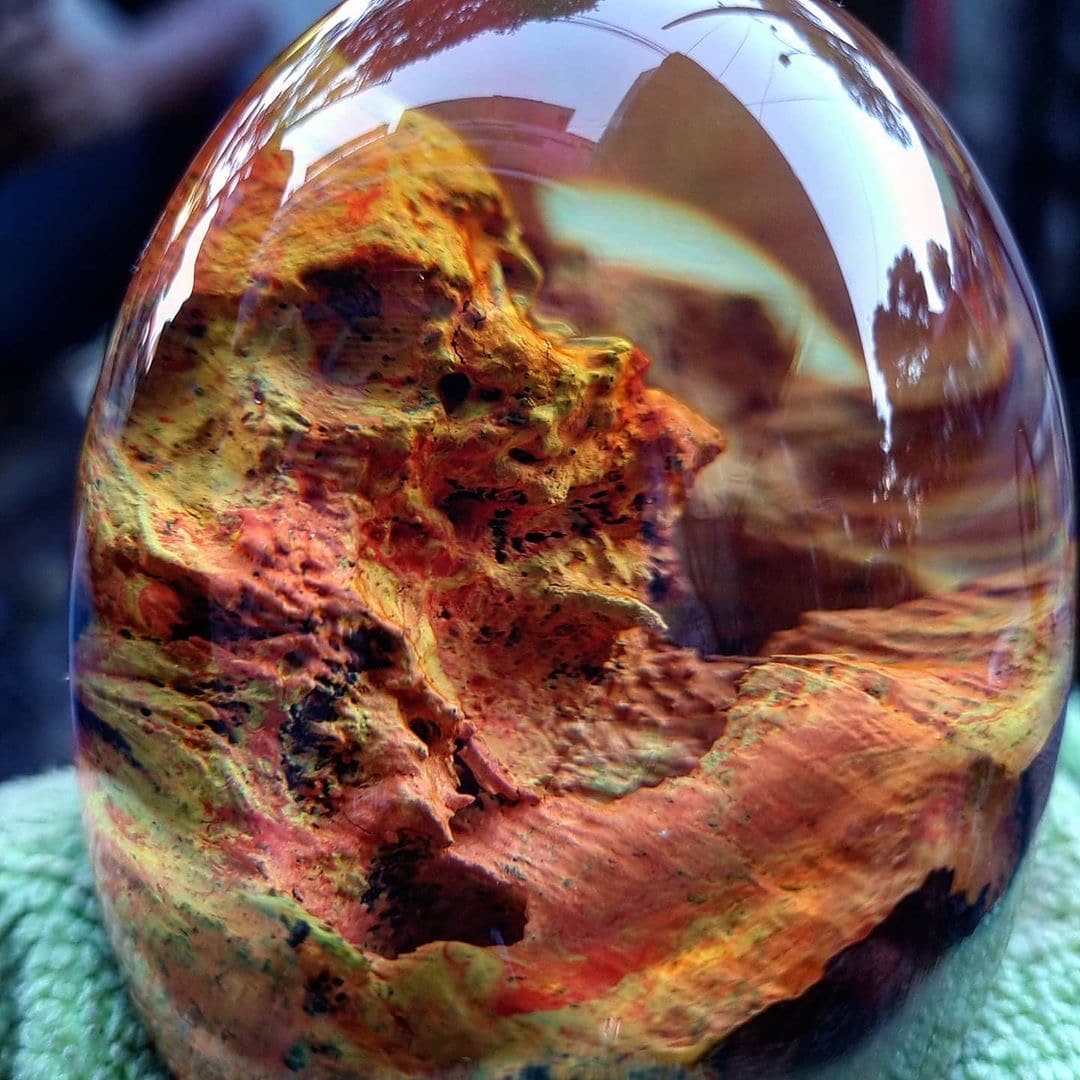
Once collected, transfer the raw resin into labelled, airtight containers. Store them in a cool, dry place to preserve their properties. You can use this resin in its natural form for crafts, sealing, or even natural incense. If you wish to create art objects or compare traditional results with modern alternatives, try eco-friendly synthetic systems like NatuResin for indoor decor and casting projects after your natural harvest.
Tips and Common Mistakes to Avoid
Collect early in the day when sap flow is most active for a higher yield. Avoid cutting too deeply as this can harm plant health and slow the healing process. Always keep tools clean and respect local guidelines regarding plant tapping and sustainability. Never strip multiple sections from a single tree in one season; rotate harvest sites to allow natural recovery.
Comparison of Natural and Eco-Friendly Resins
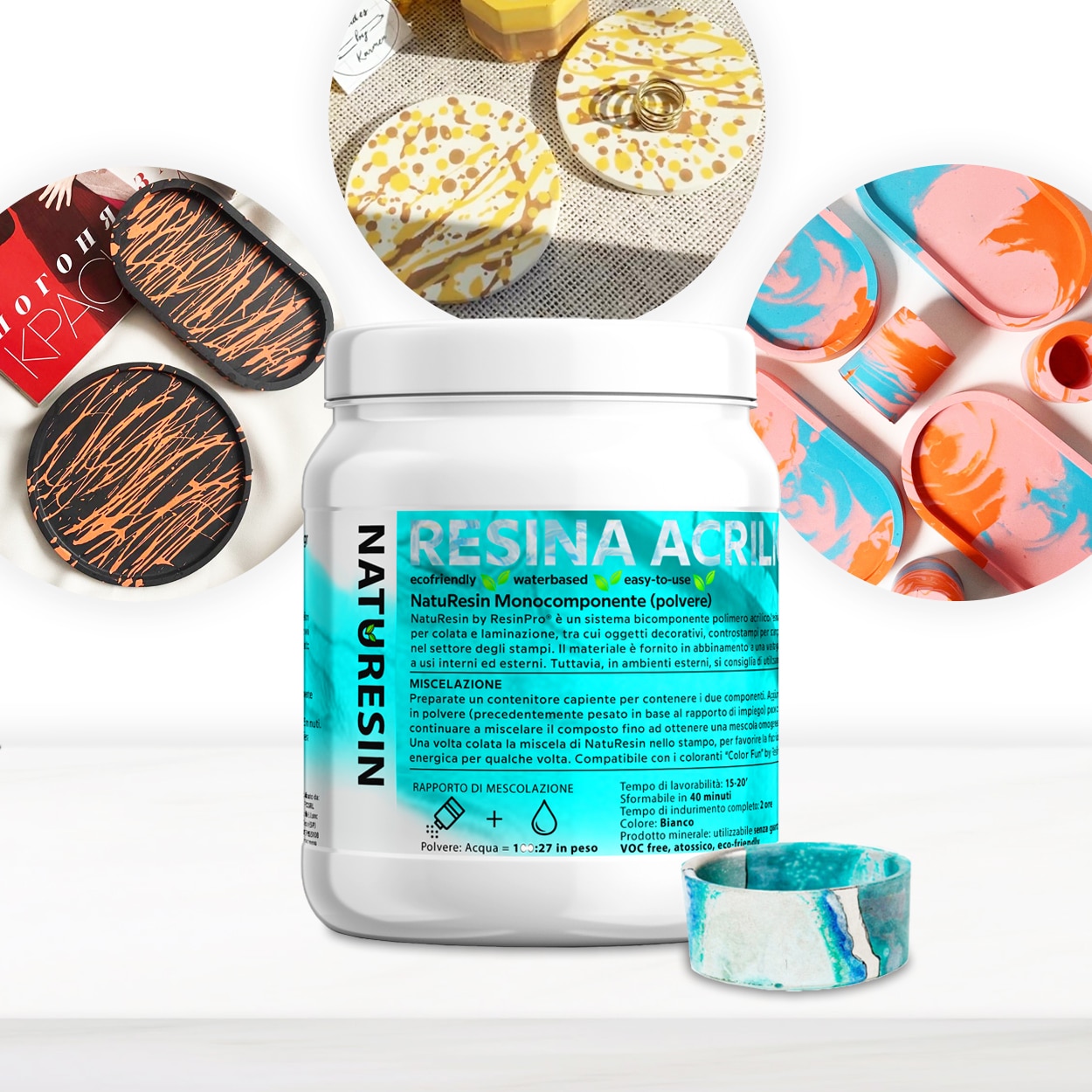
Natural plant resins and water-based mineral alternatives like NatuResin each offer unique textures and appearances. View project examples to discover the right choice for your next creative work.

- “Epoxytable 10-Ten” – Deep Pour Epoxy Resin for Tables, Up to 10cm CastingPrice range: £33.85 through £334.85Epoxytable 10-Ten is designed for deep casting up to 10cm, suitable for tables and artistic projects in a natural resin extraction context.
- “NatuResin” – Mineral Resin & Water System for Creative Casting and CraftsPrice range: £17.85 through £99.85NatuResin is a water-activated mineral resin designed for creative casting projects, offering a safe and eco-friendly option.
 "Trasparente" – Multipurpose Clear Epoxy Resin for Casting – Up to 2cmPrice range: £8.45 through £948.85"Trasparente" resin is a clear, multipurpose casting epoxy designed for layers up to 2cm. Suitable for detailed castings and table creation.
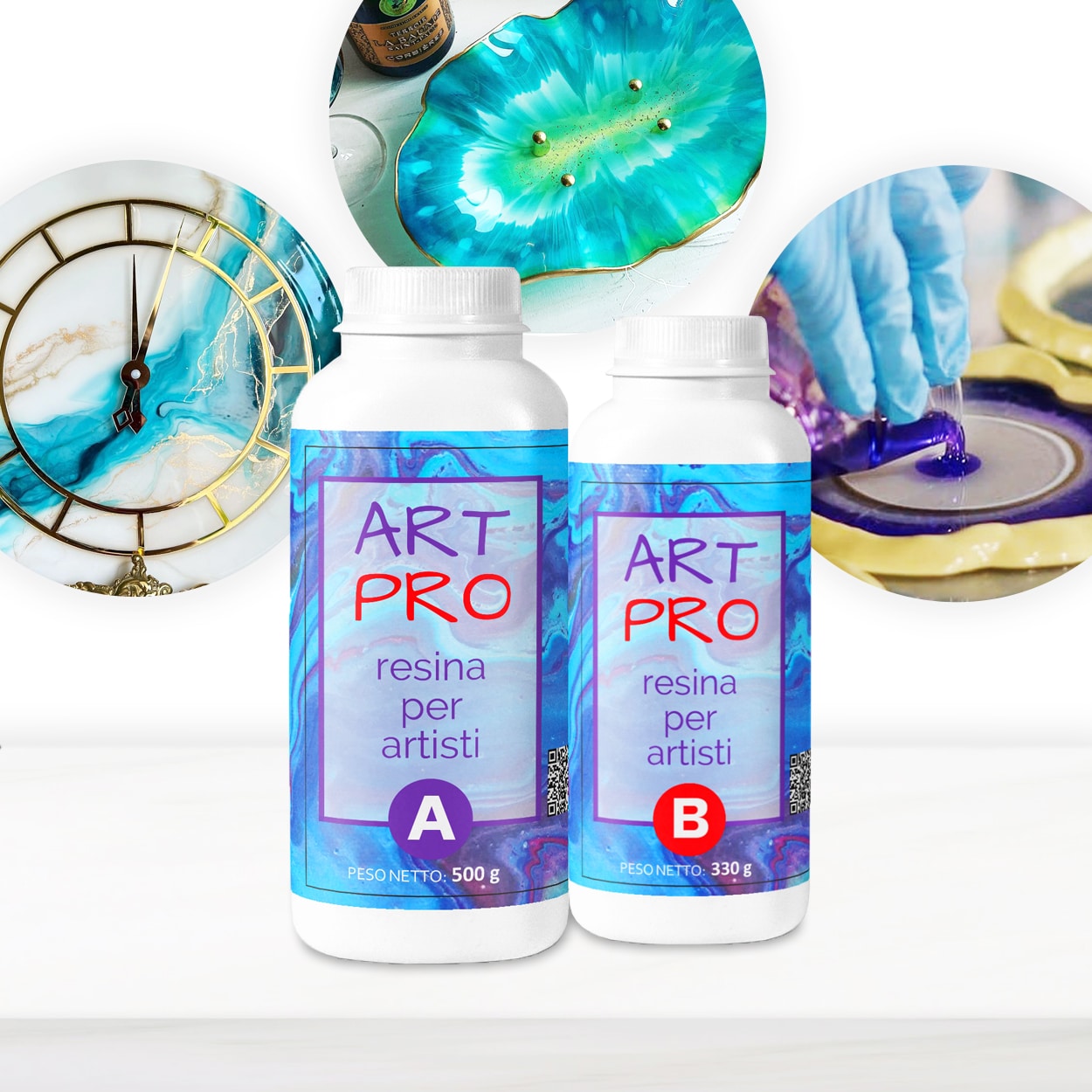 "Art Pro" – Clear Epoxy Resin for Artists and Surface CoatingPrice range: £31.15 through £388.85Art Pro is a clear epoxy resin designed for artists and crafters, suitable for decorative surface coatings with durability and UV protection.
Frequently Asked Questions
What plants are best for natural resin extraction?
Common sources are pine, fir, and spruce trees. Always choose mature, healthy trees for an optimal yield.
Is it legal to harvest resin from plants?
Regulations vary by location. Seek permission when harvesting in public or protected forests and respect local conservation rules.
How should I store collected plant resin?
Store resin in sealed, labelled jars in a cool, dry place away from sunlight to maintain quality.
Is natural resin as durable as synthetic resin?
Natural resin does not match the durability, clarity, or stability of synthetic systems but is valued for its traditional properties.
How does plant resin compare to NatuResin?
Plant resin is natural and aromatic, while NatuResin is non-toxic, water-based, and ideal for safe indoor crafting.
Can I use harvested plant resin with epoxies?
Generally, natural resin is not compatible with modern two-part epoxy systems due to chemical differences.