 Free shipping on orders over £29,85
  Shipping Tracking!


 Google
 Facebook
← Back to How to get soft resin to mold?
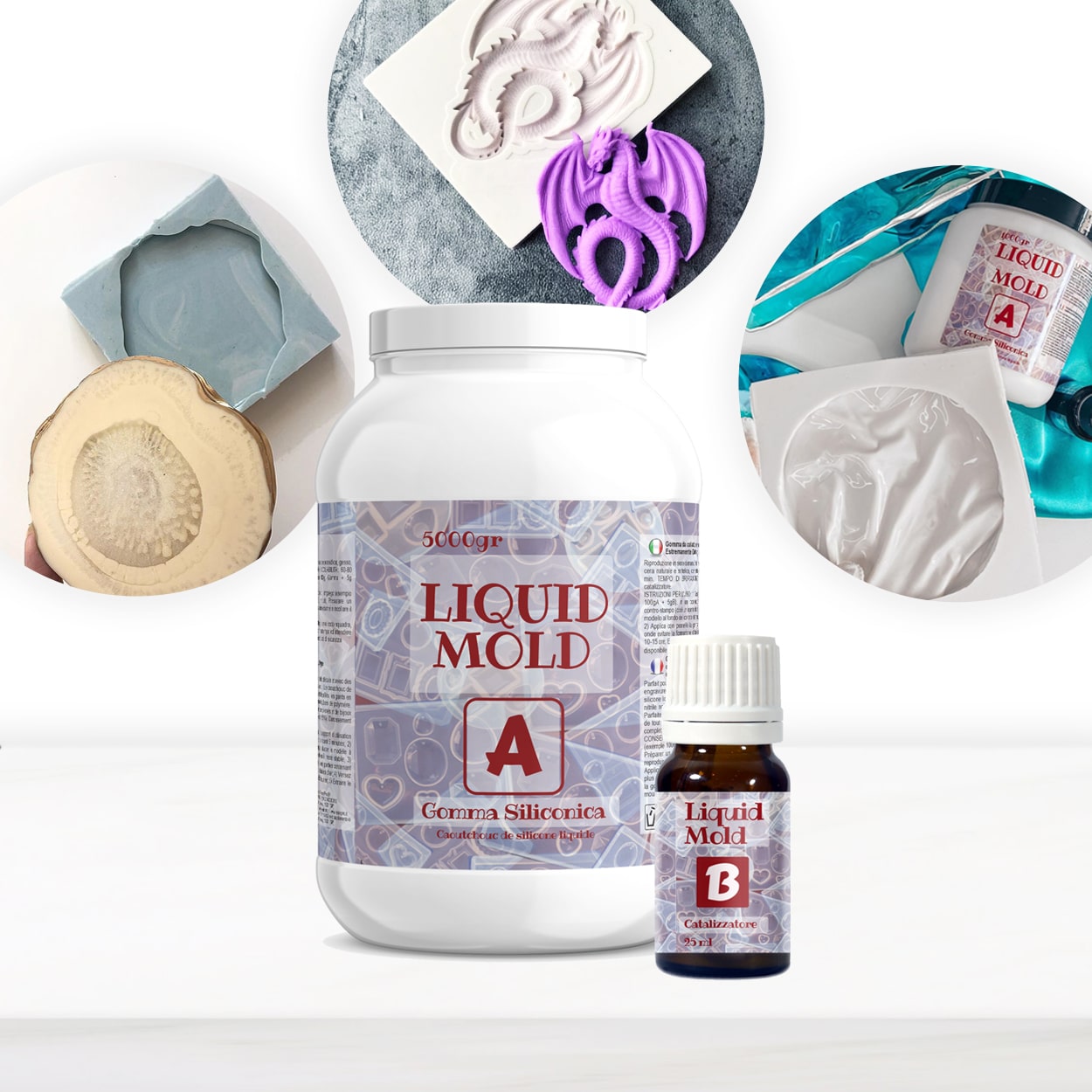
If you’re preparing to cast soft resin, selecting the right type of silicone for your mould is essential for achieving detailed results and effortless demoulding. Not every silicone will work well, especially when accuracy and ease of use are important.
Why Silicone Type Matters for Soft Resin
Ordinary silicones or those designed for general household repairs don’t provide the flexibility and detail-capturing properties required for resin casting. Instead, opt for casting-grade silicone rubbers formulated specifically to be compatible with resins. These products are formulated to flow into intricate shapes and undercuts, making them ideal for projects with fine features or unusual designs.
Choosing the Right Silicone Rubber
When moulding soft resin, look for silicones labelled as casting or mould-making grade. Products like “Liquid Mould” – Casting Liquid Silicone Rubber are popular because they can reproduce delicate details and tolerate repeated use. Translucent options, such as the ‘Pure Mould’ silicone, allow better visibility during pouring and curing, helping you catch air bubbles or material flow issues quickly.
- Ensure your silicone is compatible with resin—general craft or builder silicones may chemically react and cause sticking.
- Check curing times and ratio instructions before purchase, as these affect convenience and result quality.
When This Matters
Using the proper moulding silicone is most critical when precision and easy demoulding are priorities. Artists creating jewellery, miniatures, or keepsakes will notice the difference immediately, as quality silicone makes removal cleaner and detail more accurate.
Related products
Related guides
Choosing an appropriate casting silicone is key for soft resin work. By selecting a product designed for resin compatibility, you’ll make the process smoother and results sharper—essential for anyone serious about resin moulding. For more tips and advice, explore our main guide on how to get soft resin to mold.