 Free shipping on orders over £29,85
  Shipping Tracking!


 Google
 Facebook
How are molds for resin made?
Understand resin mould creation, from materials to expert tips.
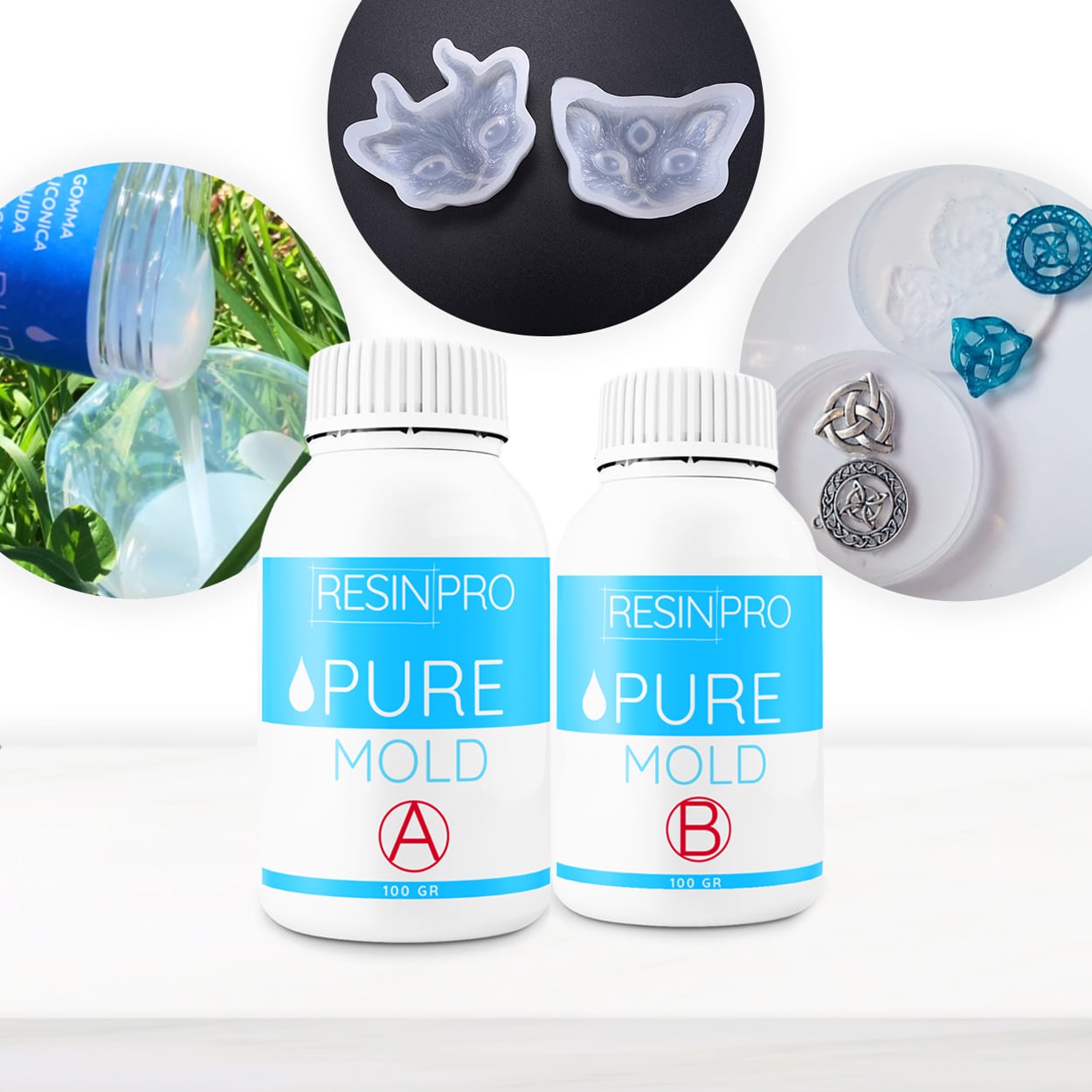
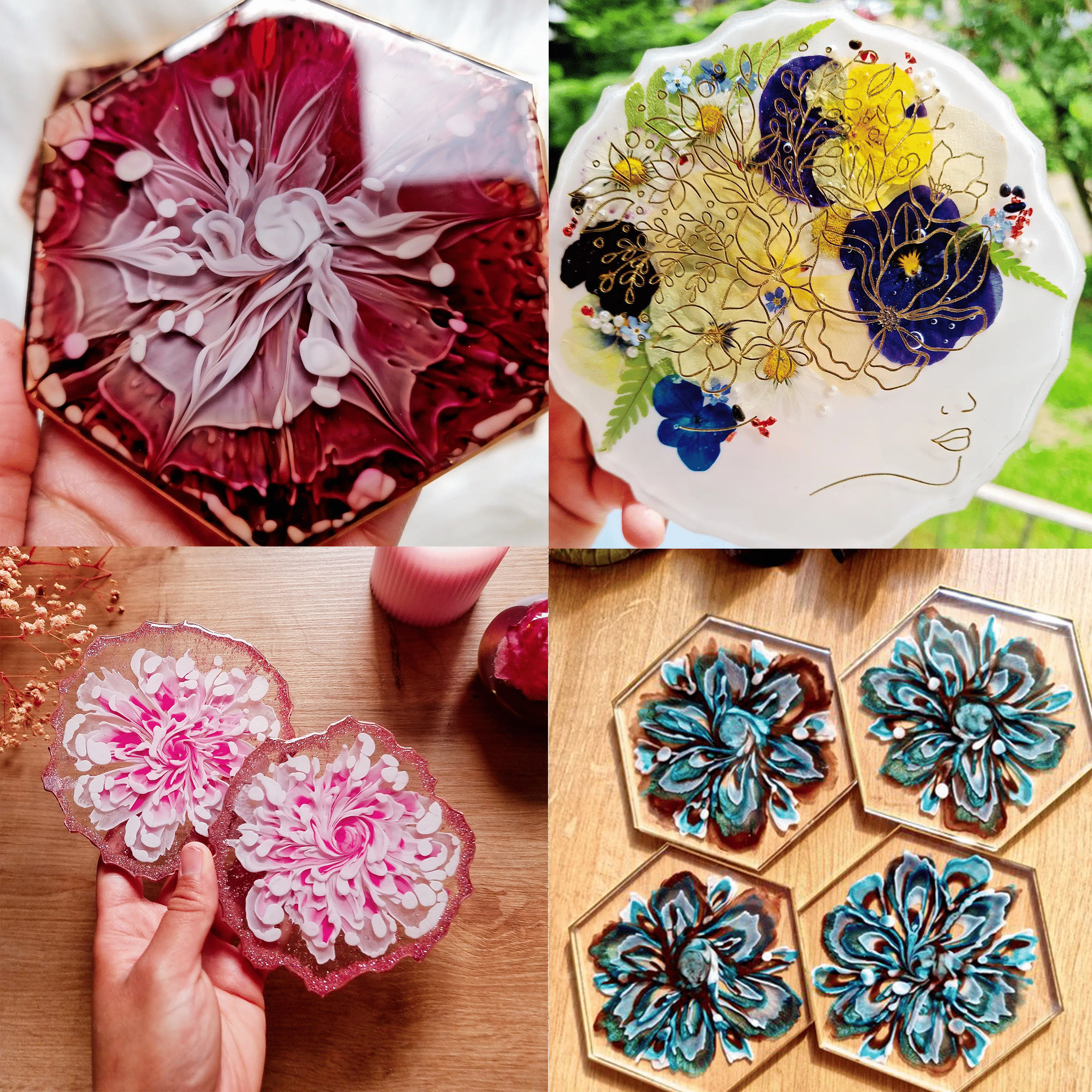
Curious about how resin moulds are crafted for art, jewellery, and furniture projects? This guide explains how to make resin moulds step by step, whether you are an enthusiast looking to produce your own silicone forms or a beginner considering ready-made options. You’ll discover the best materials—such as liquid silicone rubber—techniques for reliable mould making, and expert tips for achieving precise, reusable results.
Overview: How Are Resin Moulds Made and Compared
Mould making for resin involves creating a negative impression—usually from an object or shape—that can be filled with liquid resin to produce a replica. The most popular and reliable option for resin casting is platinum-based liquid silicone rubber due to its flexibility, detail-capturing ability, and reusability. There are also complete kits available for larger projects, such as river tables, which include not just resin but also formwork sealing materials and release films. Choosing between making your own mould with liquid silicone or using a kit depends on the project size, required precision, and whether you prefer custom or standard shapes.
Explore the Mould Making Process
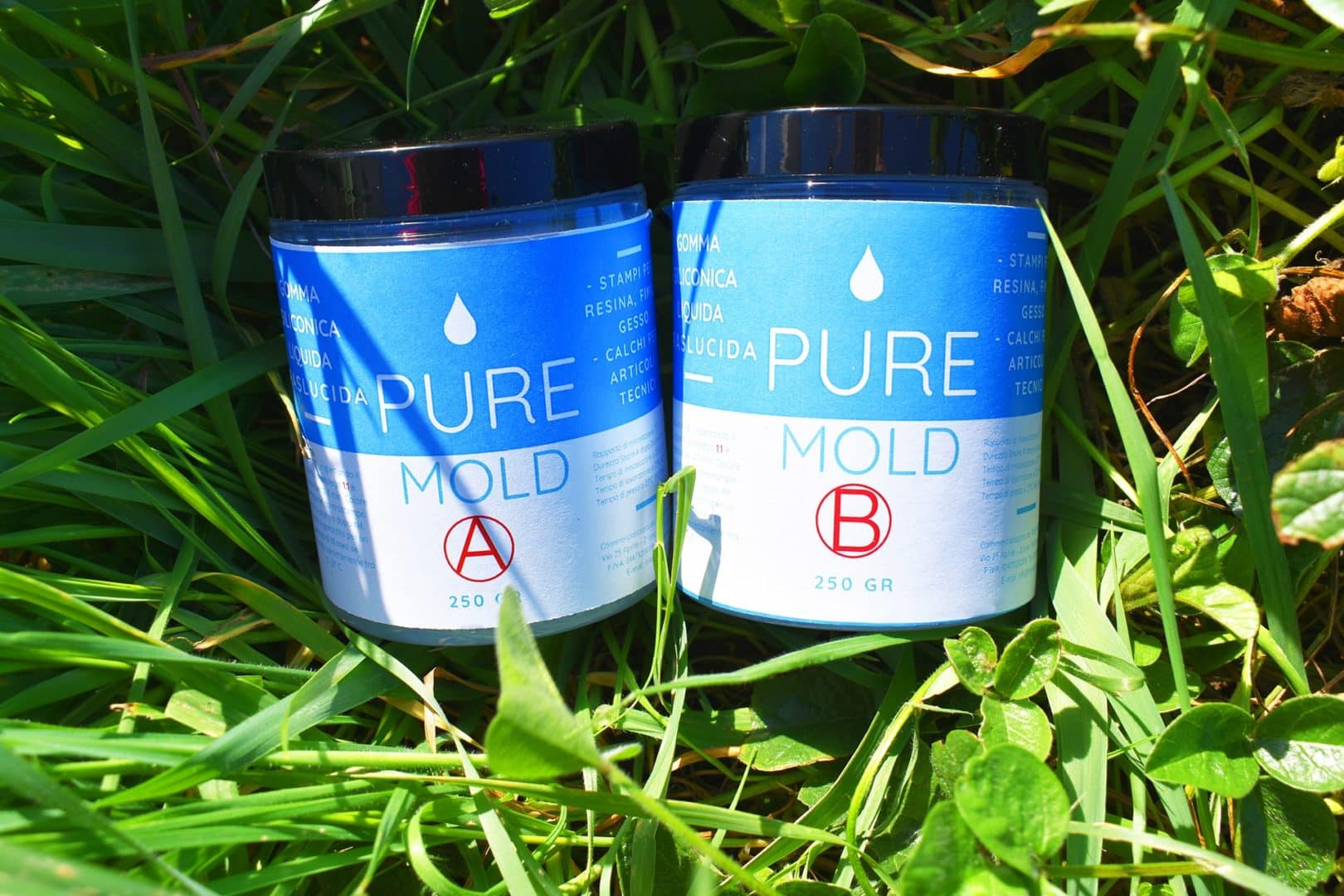
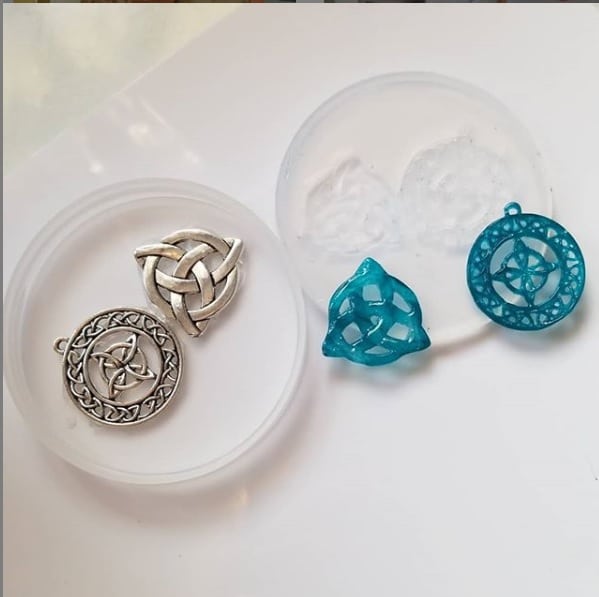
See how platinum-based silicone rubber captures intricate textures for resin, plaster, and wax. Watch demonstrations of different mould types, comparing transparent silicones with commercial kits designed for projects like river tables or detailed coasters. Visual guides illustrate step-by-step mixing, pouring, and demoulding, making the process accessible whether you’re a beginner or expert.
“Pure Mould” – Translucent Liquid Silicone Rubber for Mould Making
If you want to craft a detailed and reusable mould, “Pure Mould” – Translucent Liquid Silicone Rubber for Mould Making is the professional’s choice. Its platinum-based formula offers high transparency, allowing you to see the object during casting for better results. With a simple 1:1 mixing ratio, short curing time (3–8 hours), and resistance to shrinkage, this silicone is perfect for copying objects in resin, plaster, cement, and hot wax. It is certified non-toxic, solvent free, and odourless, making it safe for creative workshops as well as more advanced applications.
- Ideal for epoxy resin, polyester, polyurethane, acrylics, cements, and plasters
- Durable—can be reused multiple times without significant degradation
- Easy to mix and pour, even for hobby users
Resin Class – 3D Effects Coasters Masterclass, 120 Minutes
For anyone new to resin and mould making, the Resin Class – 3D Effects Coasters Masterclass, 120 Minutes offers guided instruction on every stage of the process. The class covers not just how to mix and pour resin, but also how to choose the right type of mould (silicone, plastic, etc.) for your design—whether you are making coasters, trays, or decorative bowls. Participants learn safety, material handling, and demoulding timing, as well as colouring techniques for truly custom results. This foundation will help you select the suitable tools and methods for both simple and intricate resin projects.
- Hands-on guidance for mixing, pouring, and mould selection
- Demonstrations on shaping and finishing functional resin art
- Perfect for beginners and those seeking to perfect their technique
“River-Table” – Complete Kit for Creating Your First Epoxy Resin Table
Looking to build a river table or large functional resin piece? The “River-Table” – Complete Kit for Creating Your First Epoxy Resin Table provides you with everything needed for formwork and finishing. The kit includes deep-pour epoxy resin, a silicone paste for sealing the edges of your formwork (to prevent resin leaks), special release film for easy demoulding, various pigments, a polishing set, and detailed instructions. This makes it ideal for first-time table makers or anyone wanting a one-stop solution for form preparation and finishing touches.
- Contains resin, sealants, release film, pigments, and polishing supplies
- Supports layer casting up to 2–5cm per application
- Clear instructions ensure a smooth project, even for beginners
“Trasparente” Epoxy Resin Kit 800g + Mica Powder 10g – 10 Colour Variations
The “Trasparente” Epoxy Resin Kit 800g + Mica Powder 10g – 10 Colour Variations is a multipurpose option perfect for small moulds and detailed creative work such as jewellery and coasters. The ultra-clear resin enhances the intricate shapes made with high-quality silicone moulds. Each kit comes with mica powder for creative colouring, plus mixing sticks, gloves, and instructions, making it an accessible choice for both beginners and seasoned crafters. The resin’s self-levelling, scratch-resistant and UV-filtered properties ensure high-quality results when paired with professional moulds.
- Excellent clarity and gloss—ideal for showcasing fine detail
- Comes with powdered pigments for colour customisation
- Non-toxic and odourless, safe for home workshops
Tips for Successful Resin Mould Making
Whether making your own moulds or choosing a kit, cleanliness and preparation are key. Always start with a clean, dust-free workspace. Use a release agent or release film when making formwork for larger resin projects to ensure easy demoulding and preserve the integrity of your silicone or acrylic moulds. Accurately measuring the silicone components and mixing thoroughly helps prevent air bubbles and incomplete curing. For beginners, a carefully structured masterclass can be invaluable for hands-on technique and troubleshooting.
Expert Advice for Mould Success
Learn from artists and professionals about preventing leaks, choosing the right release film, and curing techniques. Case studies from online classes and customer projects show how reliable materials improve results and extend the life of your moulds. Discover how preparation and proper formwork lead to professional-level finishes in resin art and furniture.
- "Pure Mould" – Translucent Liquid Silicone Rubber for Mould MakingPrice range: £23.95 through £166.95"Pure Mould" liquid silicone rubber is translucent and fast curing, suitable for moulds compatible with various materials including resins and…
- Resin Class – 3D Effects Coasters Masterclass, 120 MinutesThis course introduces working with resin to create coasters, trays and bowls focusing on colouring and shaping techniques.
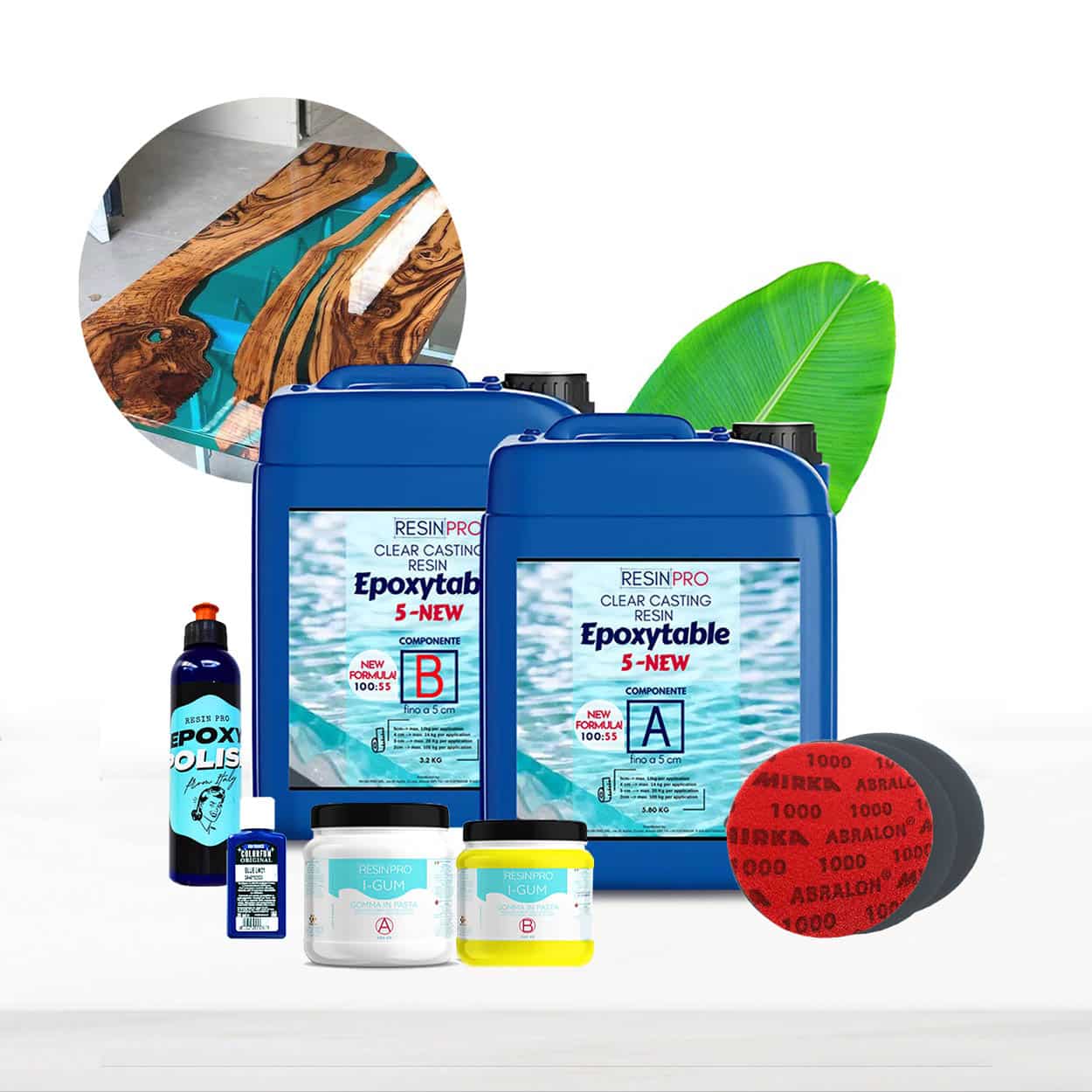 "River-Table" – Complete Kit for Creating Your First Epoxy Resin TablePrice range: £198.45 through £467.45"River-Table" Kit includes resin, silicone sealant, polishing kit and pigment with instructions for making wood and resin tables.
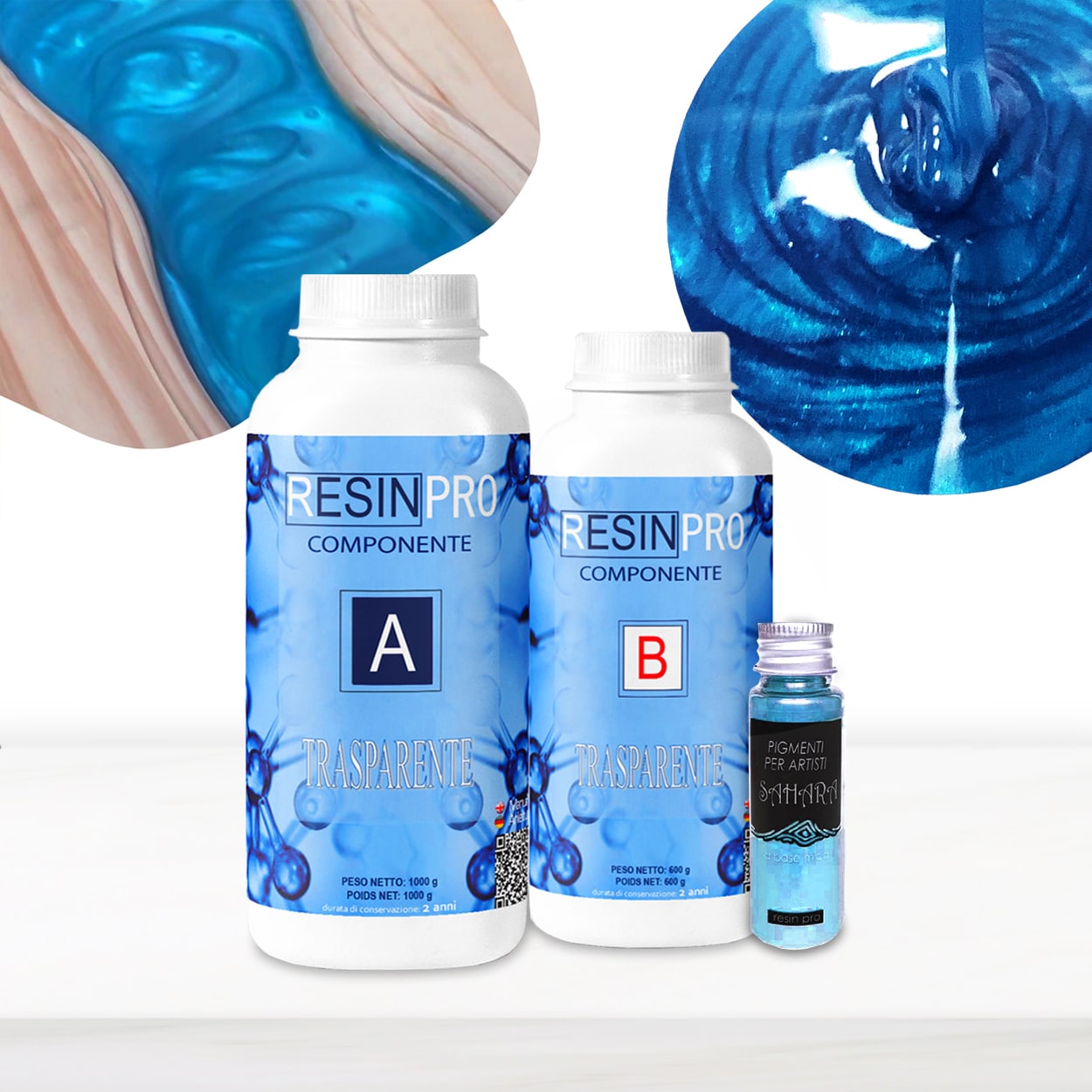 "Trasparente" Epoxy Resin Kit 800g + Mica Powder 10g – 10 Colour Variations£20.95"Trasparente" kit is an ultra-clear epoxy resin suitable for casting and table making with included mica powder, supporting creative resin mould…
Frequently Asked Questions
Can I make my own silicone mould for resin?
Yes, with a platinum-based liquid silicone rubber like "Pure Mould", you can create detailed, reusable moulds for your own projects.
What is the best material for resin mould making?
Platinum-based liquid silicone rubber is considered the best for most resin casting due to its flexibility, detail retention, and reusability.
How do I stop resin sticking to moulds?
Using a high-quality mould release agent or release film for formwork helps ensure easy removal and protects the mould surface.
Can I reuse my resin mould multiple times?
Yes, with quality materials like platinum-based silicone, moulds can be reused many times without losing definition.
What type of resin works with silicone moulds?
Epoxy, polyester, polyurethane, and acrylic resins all work well with platinum-cured silicone moulds.
Is special training needed to make resin moulds?
No formal training is required, but beginner classes or guides can help avoid common mistakes and improve results.