 Free shipping on orders over £29,85
  Shipping Tracking!


 Google
 Facebook
← Back to How to make resin clutches?
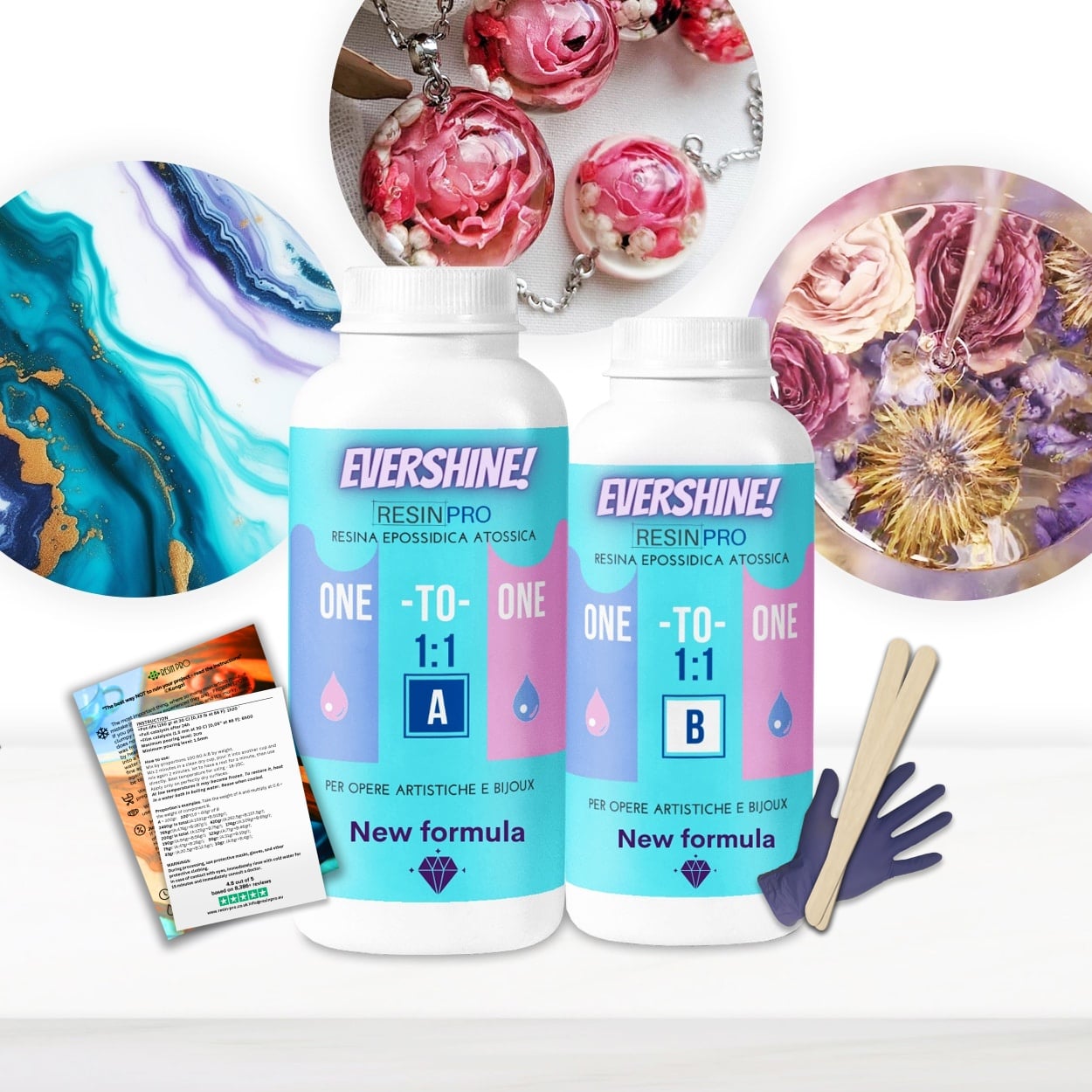
Dealing with sticky, soft, or under-cured resin can be frustrating, especially when crafting something as beautiful as a resin clutch. Understanding the reasons behind incomplete curing ensures your next project sets perfectly.
Key Reasons Resin Stays Tacky
The most common culprit for tacky resin is an incorrect resin-to-hardener ratio. Even small measurement errors result in a sticky finish that won’t cure properly. Other issues include mixing too briefly, not scraping the sides and bottom of your mixing cup, or pouring in a cold or humid environment, which can slow or stall curing.
How to Achieve a Perfect Cure
- Follow Instructions: Rigorously check the specified mixing ratio for your chosen resin. For example, One-2-One Epoxy Resin uses an easy 1:1 volume ratio, while faster options like “ICreation” require a 2:1 resin to hardener mix.
- Mix Thoroughly: Stir for at least 3 minutes, ensuring all product is incorporated by scraping the sides and base of your container.
- Suitable Environment: Work at room temperature (typically 20–25°C) and in a dry area. Moisture or cold can dramatically delay or prevent hardening.
- Patience with Curing: Leave your clutch undisturbed for the full recommended curing time—some fast resins cure in 6–12 hours, others may take longer.
When This Matters
If you plan to add paint, metallic leaf, or layers to your resin clutch, a fully cured surface is essential for durability and appearance. Sticky finishes can attract dust, fail to bond further layers, or leave imprints, making good curing habits a must for quality results.
Related products
Related guides
A solid, glossy finish on your resin clutch is all about careful measuring, mixing, and allowing time for thorough curing. Mastering these essentials not only solves tackiness but helps create resin accessories you’ll be proud to use or gift. For more clutch-making tips, return to our main resin clutch guide.