 Free shipping on orders over £29,85
  Shipping Tracking!


 Google
 Facebook
← Back to How is resin laid on floors?
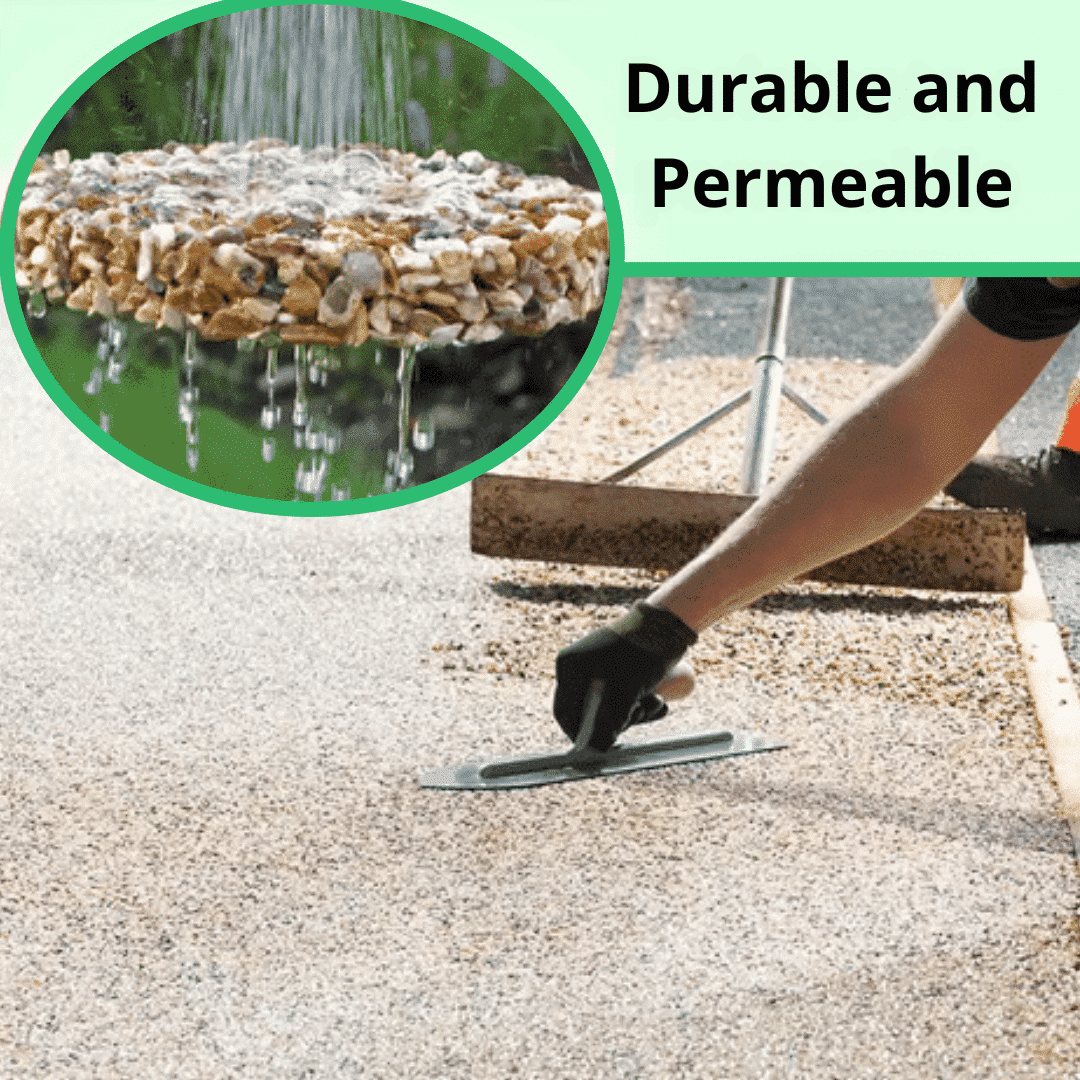
Selecting the right resin for laying decorative pebble floors is vital if you want to maintain the vibrant look of coloured aggregates or keep white stones looking crisp outdoors. The right choice protects against yellowing and keeps the whole surface looking fresh for longer.
Choosing the Correct Resin Binder
When creating a decorative pebble floor, the binder resin you select will play a major part in your finished result. For white or very light aggregates, it’s best to use a non-yellowing polyurethane resin. This helps prevent yellowing, so your floor remains bright over time. For coloured, warm, or dark stones, a high-quality low-yellowing epoxy binder is usually recommended, as it preserves the clarity and intensity of the original hues. The “Trasparente” Epoxy Binder is designed specifically for coloured pebbles and offers enduring results with a UV-stable finish.
Practical Guidance for Mixing and Laying
Proper mixing is essential. Always blend the clean, dry aggregates thoroughly with your chosen binder before spreading onto a prepared base. This ensures every stone is fully coated, helping the floor to remain stable and decorative. Using a kit like the Flowstone Complete Permeable Floor Kit can simplify the process, providing step-by-step resin ratio guidance and all materials needed for a successful DIY-friendly installation.
When Does Resin Choice Matter Most?
- Outdoor exposure: UV rays can discolour resins not formulated for sunlight, so always choose a product specified as low or non-yellowing for surfaces exposed to the elements.
- Light-coloured or white pebbles: These are particularly prone to unsightly yellowing from many standard resins, making a carefully chosen binder even more critical.
Related products
Related guides
Using the appropriate resin for your chosen pebbles delivers a strong, lasting, and attractive surface. For more insights into the full process and other floor types, see our main guide on how resin is laid on floors.