 Free shipping on orders over £29,85
  Shipping Tracking!


 Google
 Facebook
How is resin laid on floors?
A practical, step-by-step guide for effective floor resin application
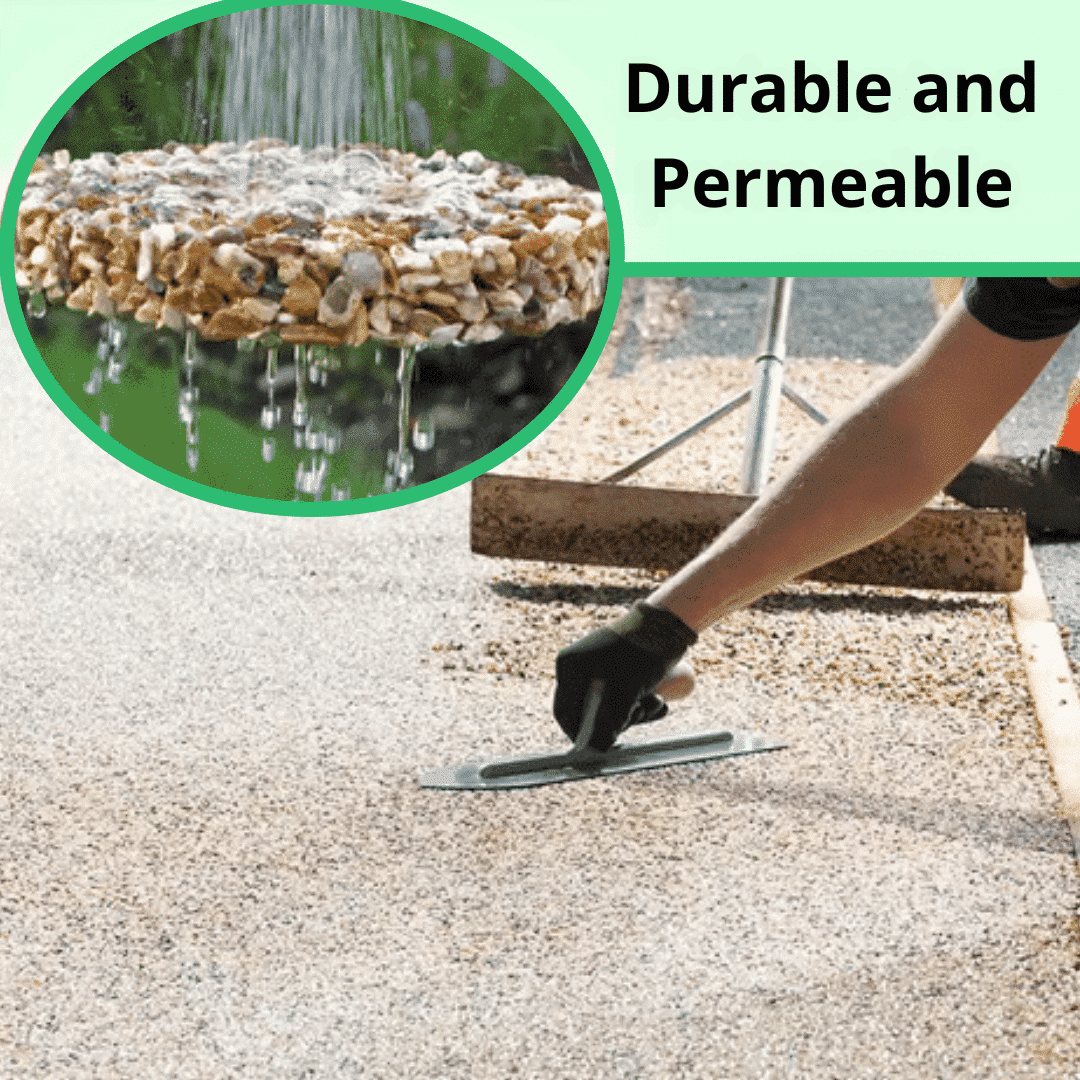
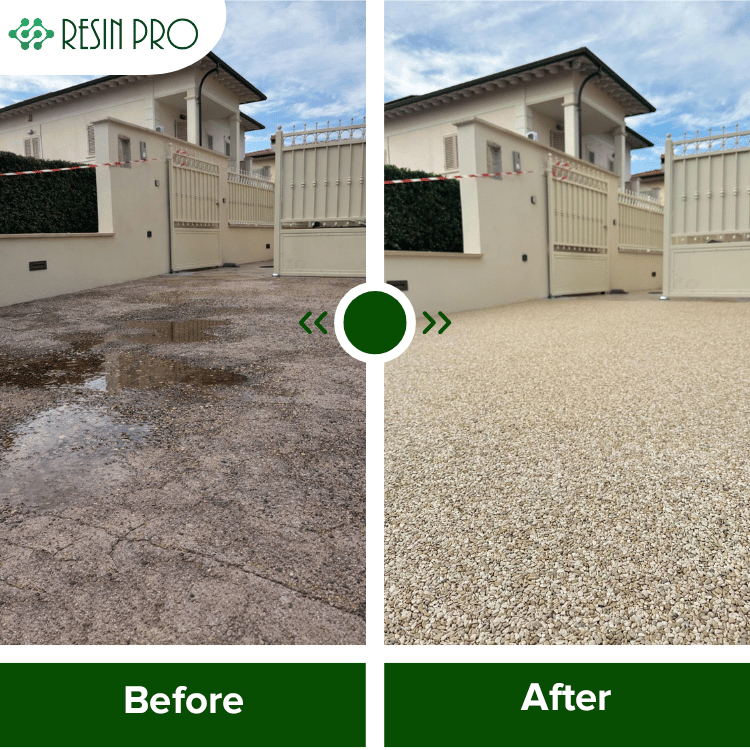
Resin flooring offers a modern, attractive, and robust solution for driveways, patios, and indoor spaces. Laying resin correctly is essential to ensure a lasting, aesthetically pleasing, and safe walking surface that withstands both weather and daily wear. This guide provides clear, practical steps suitable for DIYers and professionals alike, focused on building confidence and achieving professional results with resin floors.
What You’ll Need
- “Flowstone” – Complete Permeable Floor Kit with Pebbles and Resin: A comprehensive system for creating permeable, decorative, and durable pebble floors.
- “Trasparente” – Epoxy Binder for Coloured Pebbles and Grits: Ideal for projects using coloured or dark aggregates for a clear, UV-resistant finish.
- “Resinstone” – One-Component Methacrylic Resin for Concrete Floors and Driveways: Designed for sealing and strengthening concrete surfaces prior to resin application.
- “Epoxyprimer” – Universal Water-Based Two-Component Epoxy Floor Primer: Ensures excellent adhesion to concrete, timber, tiles, or screed.
- Mixing tools (paddle mixer, bucket or cement mixer for large areas)
- Gloves, masks, and suitable safety clothing
- Levelling trowel or rake
- Roller, brush, or spatula (for primer)
- Cleaning materials for spills and clean-up
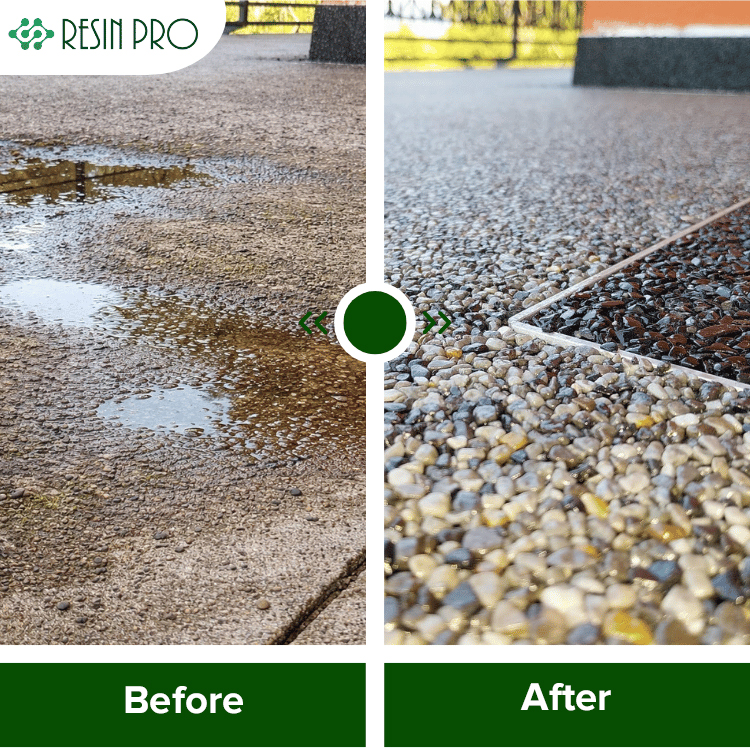
Visual Examples of Resin Floor Preparation
See how a clean, well-prepared surface creates the foundation for a successful resin floor installation. Spotless substrates enable better bonding, prevent defects, and offer the best start for vibrant and robust resin finishes.
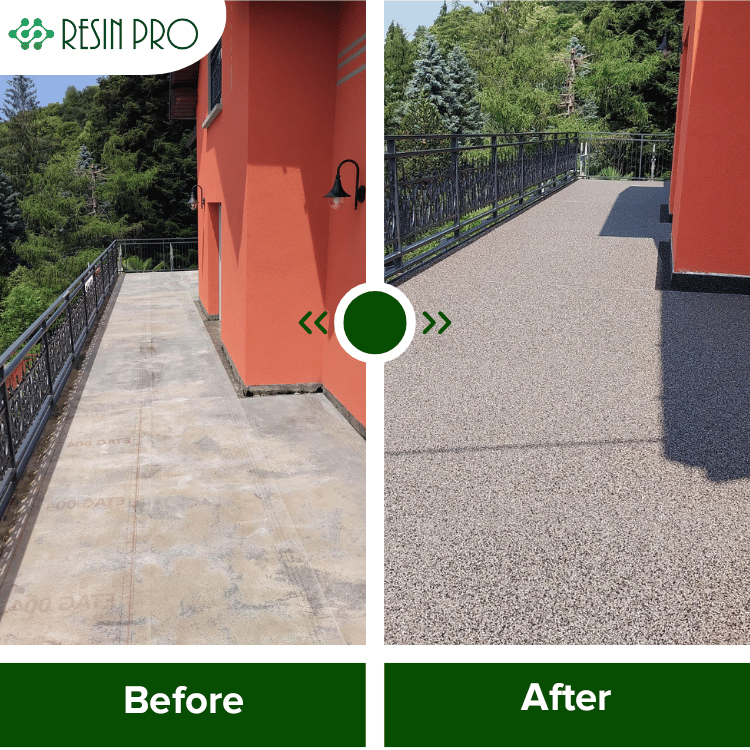
Step 1: Prepare the Substrate Properly
Plan your resin flooring project carefully by checking the substrate. Resin floors require a stable, dry, and clean base—whether it’s concrete, screed, wood, or properly fixed tiles. Start by thoroughly sweeping and vacuuming to remove dust, dirt and debris. Repair significant cracks or holes and ensure all surfaces are level and free from grease or compounds that may hinder resin bonding.
Allow the substrate to dry fully before moving forward. For concrete, moisture content should be minimal to prevent delamination later. Cover and protect edges and adjacent surfaces with masking tape or boards if needed.
Step 2: Apply a Suitable Primer Layer
Gather your materials and prepare the area. Applying a compatible primer improves adhesion between your substrate and resin floor, reduces porosity, and prevents air bubbles. For most indoor and outdoor floors, a water-based epoxy primer such as “Epoxyprimer” – Universal Water-Based Two-Component Epoxy Floor Primer can be used. Mix and apply as directed using a roller, brush, or spatula, focusing on achieving a consistent, uniform application. Leave to cure for 24–48 hours depending on temperature and humidity.
Check that the primed surface feels dry and slightly tacky before proceeding to resin application.
Step 3: Mix Resin and Aggregates Thoroughly
Follow the mixing instructions for your chosen resin and aggregate system—whether you use a ready kit like “Flowstone” – Complete Permeable Floor Kit with Pebbles and Resin or bespoke materials. In a clean mixing container, add the aggregate and gradually introduce the resin, ensuring all stones are evenly coated and the mix is homogeneous. For white or light-coloured aggregates, use a recommended non-yellowing polyurethane or a low-yellowing epoxy such as “Trasparente” – Epoxy Binder for Coloured Pebbles and Grits to maintain colour clarity and protection.
Limit mixing time to just what is required to avoid trapped air and premature curing.

Step 4: Spread and Compact the Resin-Aggregate Mix
Work systematically in sections for the best result. Pour the mixed resin and aggregate blend onto the prepared substrate and use a levelling rake or trowel to distribute it evenly to the desired thickness (typically 12–18 mm for external driveways or patios). Compact the surface gently using a float to aid evenness and ensure stability. Pay attention to edges and detail areas.
Aim for a uniform, smooth layer without visible gaps or loose material. Tidy up transitions and expansion joints where needed for a professional finish.

Step 5: Allow for Proper Curing and Sealing
Always wear gloves and appropriate safety wear during finishing and curing. Allow the resin surface to set according to product instructions—usually surface-dry in 10–12 hours, and fully cured after 24–48 hours. Protect the area from foot traffic, water, or debris during this phase. For specific projects like sealing and protecting stamped concrete or absorbent floors, applying a dedicated methacrylic resin such as “Resinstone” – One-Component Methacrylic Resin for Concrete Floors and Driveways can give extra waterproofing and durability.
Once set, review the finish, check for any imperfections, and tidy up the work area.
Tips for Success and Common Mistakes to Avoid
Ensure surfaces are dry and dust-free before starting, as trapped moisture or dust leads to weak bonding and clouding. Always measure and mix components accurately, as incorrect ratios cause incomplete curing and reduce durability.
Do not rush the primer or curing steps—patience is key for reliable, long-term performance. Watch the weather forecast for outdoor installations, avoiding rain or high humidity periods. Test a small area before full-scale application if working with unfamiliar substrates or aggregates.
Key Details in Laying Resin Floors
View images of proper aggregate mixing and spreading techniques, illustrating how even application results in long-lasting, beautiful surfaces suitable for UK outdoor and indoor environments.
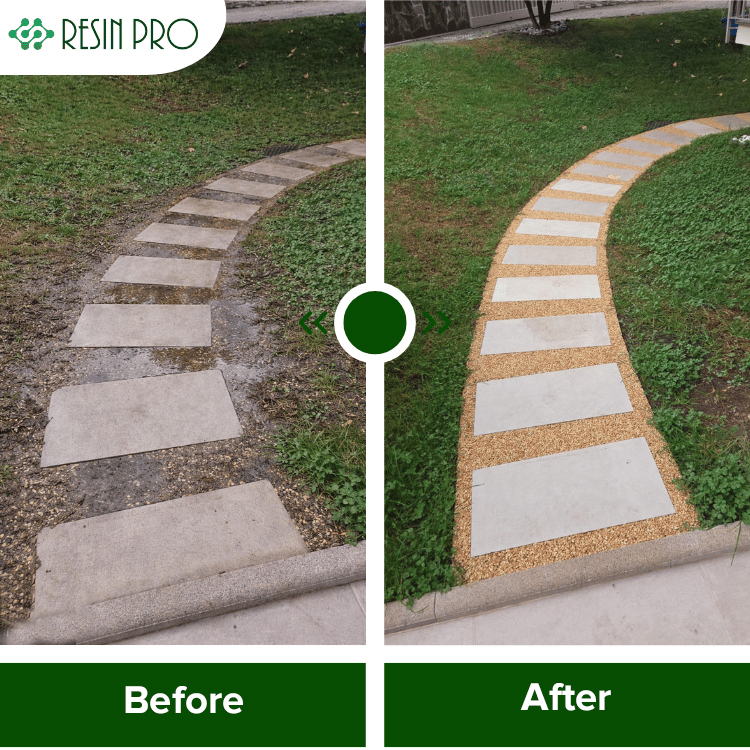
- "Flowstone" – Complete Permeable Floor Kit with Pebbles and ResinPrice range: £49.95 through £3,915.45The Flowstone kit provides a permeable pebble and resin flooring system with step-by-step guidance suitable for outdoor spaces in the UK.
- "Trasparente" – Epoxy Binder for Coloured Pebbles and GritsPrice range: £33.45 through £397.95This transparent epoxy binder is designed for coloured pebbles and grits, offering a clear, UV-resistant finish suitable for floors.
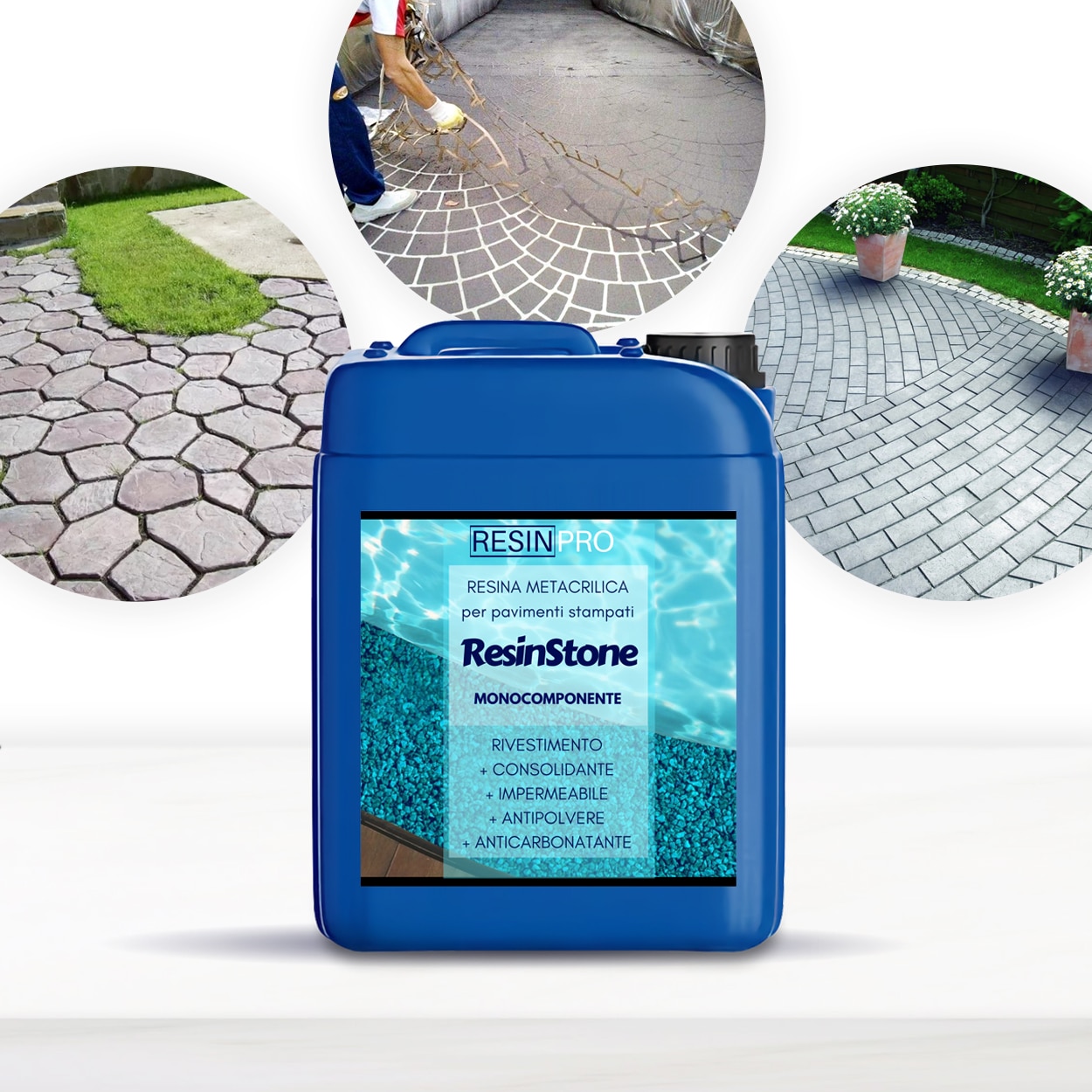 "Resinstone" – One-Component Methacrylic Resin for Concrete Floors and DrivewaysPrice range: £36.71 through £336.48Resinstone is a one-component methacrylic resin designed to seal and protect concrete floors and driveways with durable, water-resistant performance.
 "Epoxyprimer" – Universal Water-Based Two-Component Epoxy Floor PrimerPrice range: £156.45 through £286.45"Epoxyprimer" is a water-based two-component epoxy floor primer designed for reliable adhesion on various surfaces including concrete and timber.
Frequently Asked Questions
Can I install a resin floor myself?
Yes, many resin floor systems are DIY-friendly with clear instructions, provided you follow the preparation and curing steps carefully.
How long does a resin floor take to cure?
Most resin floors are touch-dry in 10–12 hours and achieve full hardness after 24–48 hours, but timing can vary by product and weather.
Which primer should I use for resin floors?
A water-based epoxy primer is suitable for most concrete, tile, or screed substrates, ensuring proper adhesion for your resin flooring.
What is the best way to mix resin with pebbles or aggregates?
Add resin gradually to the aggregate and mix thoroughly until all particles are evenly coated, avoiding air entrapment and dry spots.
Which resin should I use for coloured or white pebbles?
Use a low-yellowing epoxy or non-yellowing polyurethane to preserve the clarity and colour integrity in decorative pebble flooring.
Can I lay resin flooring when it is raining or cold?
Resin needs dry conditions and moderate temperatures to cure. Avoid installing during rain, high humidity, or extreme cold for best results.