 Free shipping on orders over £29,85
  Shipping Tracking!


 Google
 Facebook
How do you resin coat polyester wood?
Step-by-step guide to achieving a durable resin finish on wood

Resin coating polyester wood creates a robust, glossy, and waterproof finish that not only highlights the natural beauty of timber but also provides long-term protection. Whether you are restoring old furniture, crafting river tables, or sealing decorative wood pieces, mastering resin coating means better results and greater durability.
What You’ll Need
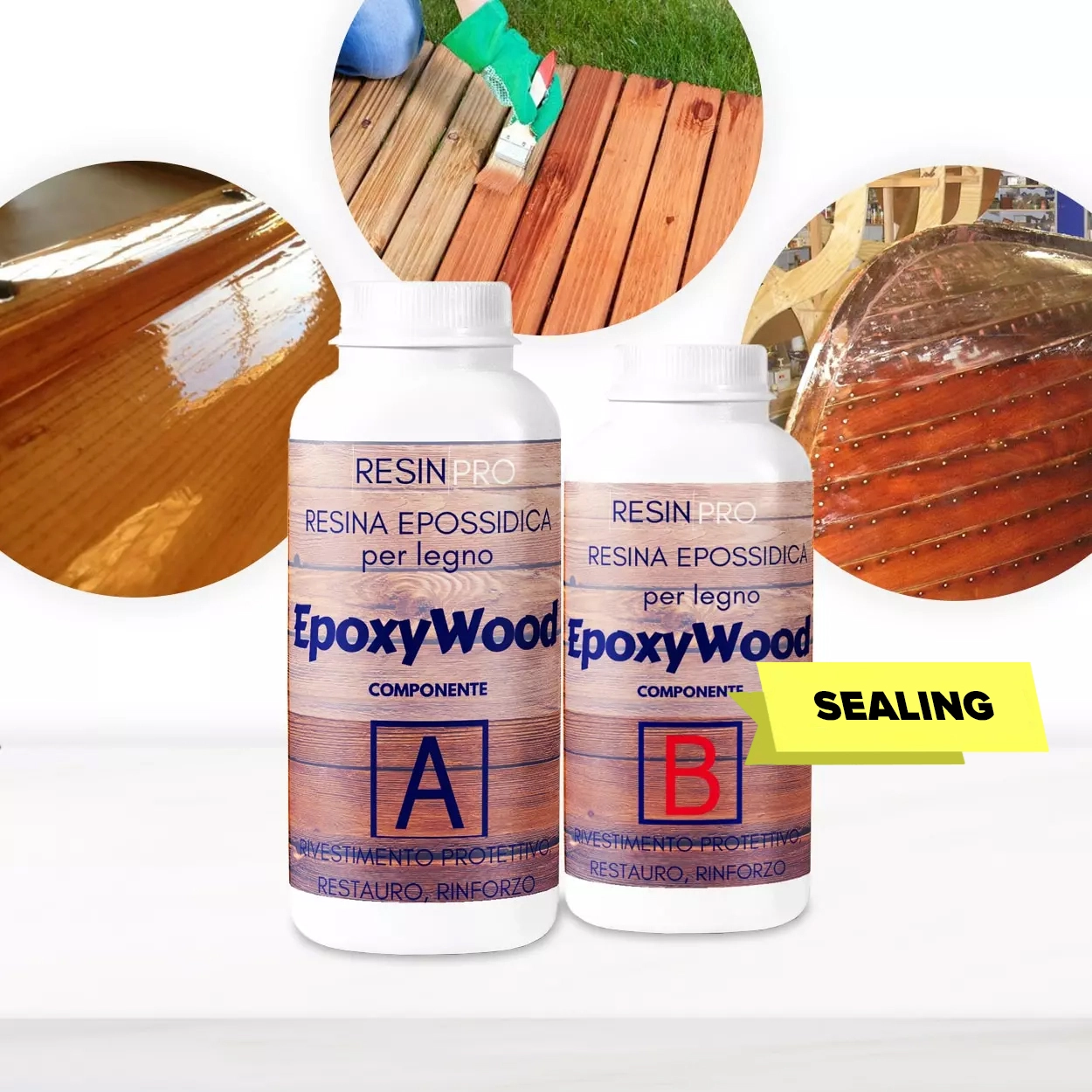
- “EpoxyWood” – Wood Restoration Epoxy Resin for Deep Penetration and Waterproofing – Ideal for deep penetration and waterproofing of wood bases
- “Trasparente” – Multipurpose Clear Epoxy Resin for Casting – Up to 2cm – Best for clear, glossy coatings under 2cm
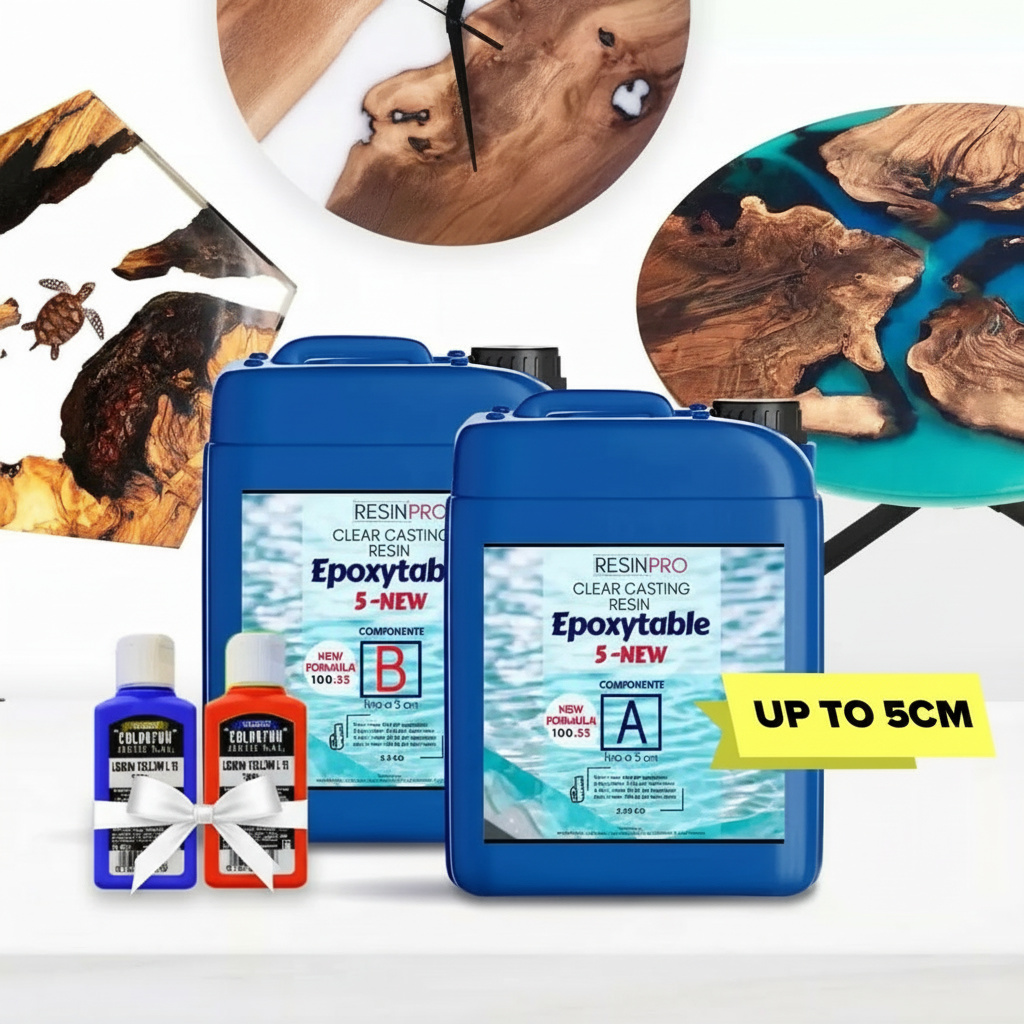
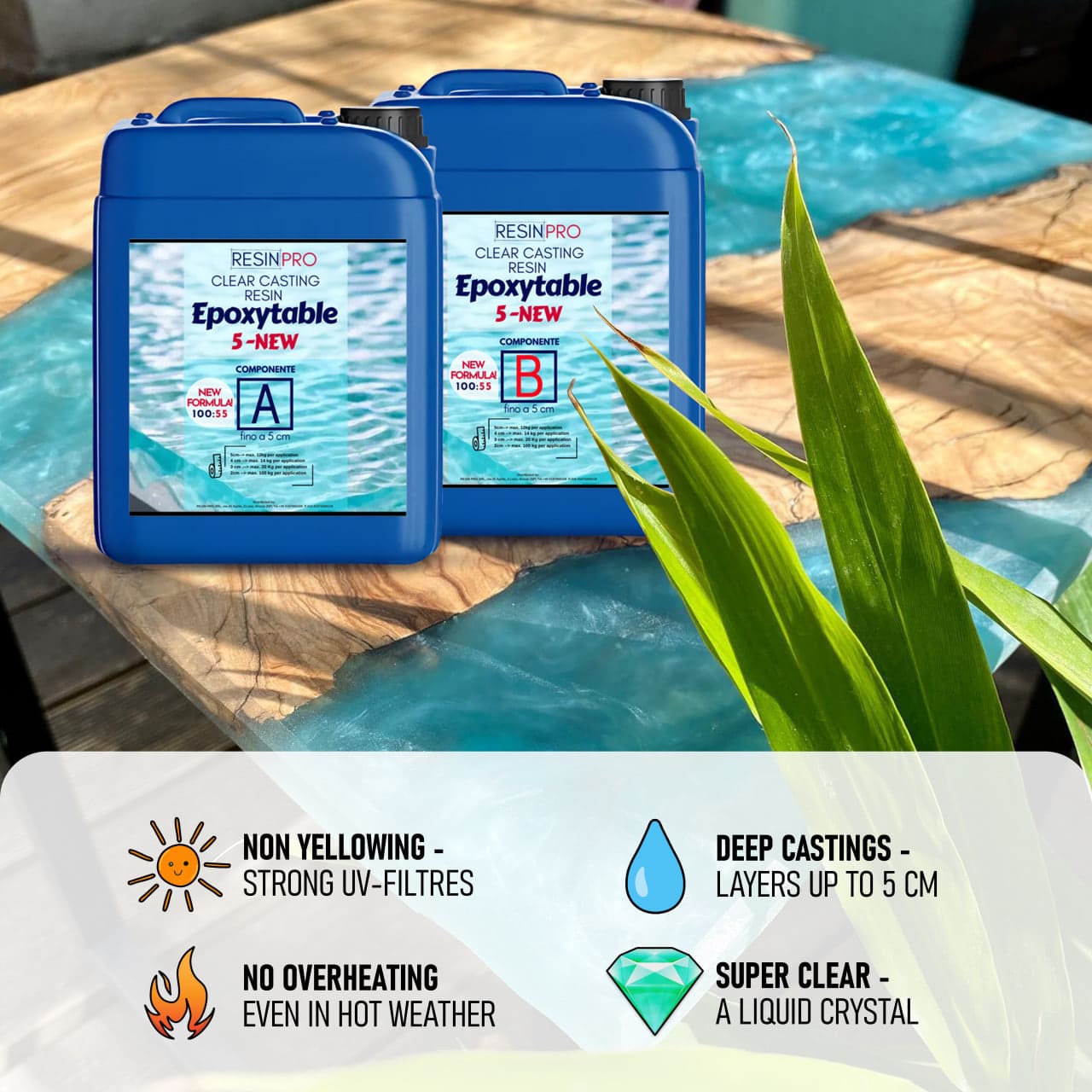
- “EpoxyTable 5-Five” – Deep Pour Epoxy Resin for Tables and Large Projects – Up to 5cm – Suitable for deep pour projects
- “Epoxytable 10-Ten” – Deep Pour Epoxy Resin for Tables, Up to 10cm Casting – For super-thick resin layers or large-scale tables
- Protective gloves and mixing containers
- Polishing kit (optional, for high-gloss finish)
- Sandpaper (grits from 120 to 400)
- Cotton cloth, masking tape
Essential Tools and Workspace Tips
Gather all resin, wood, and safety materials at your workstation before beginning. Having everything within reach streamlines application and reduces mistakes. Protect your workspace with heavy-duty plastic sheets and ensure adequate lighting for even resin coverage.

Step 1: Prepare and Secure the Wood Surface
Begin by ensuring your polyester wood is thoroughly dry, clean, and stable. Remove any dust, old coatings, or greases with a suitable cleaner and lightly sand the surface for optimal adhesion. If there are any cracks or voids, fill these with a wood filler or use a small amount of penetrating epoxy for reinforcement. Use masking tape to create clean boundaries around the area to be coated—especially for live-edge tables or complex shapes.
Step 2: Seal and Prime the Wood
For best results, apply a thin sealing layer. This initial coat prevents outgassing and absorbs into porous areas, reducing the risk of bubbles. “EpoxyWood” is an excellent choice here, as it deeply penetrates the wood, reinforces weak fibres, and waterproofs the entire surface. Allow this sealing coat to cure as recommended before proceeding.
Check that the primed wood is smooth and fully cured before moving on to the next stage—the finish pour.
Step 3: Mix and Pour the Epoxy Resin
Pick your final pour resin based on the desired thickness. For thin, crystal-clear coats up to 2cm, “Trasparente” is ideal. For deeper pours—think river tables or embedded objects—choose “EpoxyTable 5-Five” (up to 5cm) or “Epoxytable 10-Ten” (up to 10cm per layer).
Read and follow the manufacturer’s mixing instructions carefully. Generally, mix the resin carefully and slowly to avoid introducing air bubbles. Let the mixture rest briefly to allow bubbles to rise and escape.
Pour the resin slowly and evenly onto the wood, spreading with a spatula if necessary. Pop any surface bubbles with a heat gun or torch, using caution to prevent burning. For deep pours, consider layering to prevent overheating and ensure proper curing.
Step 4: Curing, Sanding, and Finishing Touches
Let the resin cure undisturbed as per the instructions. Allow each coat to cure fully before the next pour. Once cured, sand any imperfections with progressively finer sandpaper grits. If a high-gloss finish is desired, polish the surface with a specialised kit and clean with a non-abrasive cloth.
Remove the masking tape carefully for a crisp edge. The result should be a durable, clear, and beautiful resin-coated polyester wood surface.

Pro Tips and Common Mistakes
- Work in a well-ventilated, dust-free area to keep the finish clear and safe.
- Avoid humidity and sudden temperature changes during curing for best clarity.
- Test your process on a small offcut before attempting a large project.
- Avoid pouring resin too thick in one go to prevent overheating, cracks, or cloudy spots—always follow recommended maximum pour depths.
Gallery: Resin Coating Results and Finishing Ideas
View project examples and explore finish inspirations for river tables, decorative panels, and restored wooden furniture. Consider different resin thicknesses and tint options to personalise your polyester wood creations.
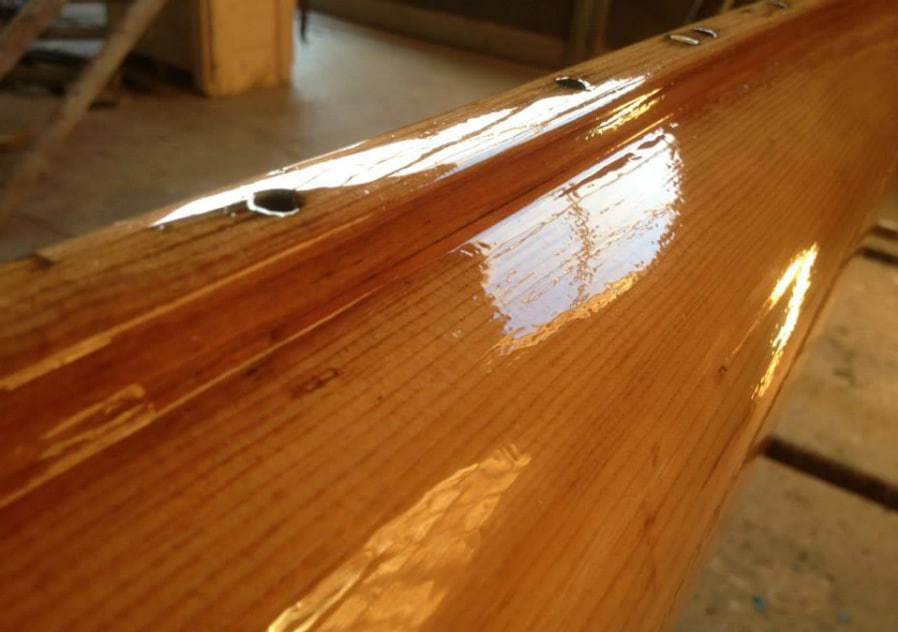
- "EpoxyWood" – Wood Restoration Epoxy Resin for Deep Penetration and WaterproofingPrice range: £27.95 through £41.95EpoxyWood is formulated to deeply penetrate and waterproof wood, enhancing natural grain with a straw-yellow tint.
- "EpoxyTable 5-Five" – Deep Pour Epoxy Resin for Tables and Large Projects – Up to 5cmPrice range: £17.95 through £1,154.95"EpoxyTable 5-Five" is a suitable deep pour epoxy resin for tables and large projects, designed for clear, durable surfaces.
 “Epoxytable 10-Ten” – Deep Pour Epoxy Resin for Tables, Up to 10cm CastingPrice range: £35.95 through £351.95Epoxy resin designed for deep pours up to 10cm, suitable for tables and artistic projects with clear casting and UV resistance.
 "Trasparente" – Multipurpose Clear Epoxy Resin for Casting – Up to 2cmPrice range: £8.95 through £397.95Clear epoxy resin designed for up to 2cm layer casting with a self-levelling, gloss finish, suitable for woodworking and related projects.
Frequently Asked Questions
What is the best epoxy resin for deep pours on polyester wood?
For deep pours between 2–5cm, use EpoxyTable 5-Five, and for up to 10cm, Epoxytable 10-Ten is recommended.
How can I prevent bubbles when applying resin to polyester wood?
Always seal the wood first, mix resin slowly, and use a heat gun to remove bubbles after pouring.
Is EpoxyWood suitable for marine and exterior projects?
Yes, EpoxyWood is solvent-free and waterproof, ideal for marine and outdoor wood projects.
How thick can I pour epoxy resin on polyester wood in one go?
Always follow product guidelines, typically up to 2cm with Trasparente, 5cm with EpoxyTable 5-Five, and 10cm with Epoxytable 10-Ten per layer.
Do I need to sand between resin coats on polyester wood?
If more than 24 hours elapse between pours, lightly sand the previous layer for proper bonding.
Why did my resin coating not cure properly on polyester wood?
Common causes are incorrect mixing, improper ratios, or pouring in excessive humidity or low temperatures.