 Free shipping on orders over £29,85
  Shipping Tracking!


 Google
 Facebook
← Back to How are resin pellets made?
Resin pellets play a vital role in both large-scale manufacturing and creative craft projects. Understanding what they are and how they’re used can help you choose the right materials for your next project, whether you’re casting décor or interested in sustainable crafting solutions.
Understanding Resin Pellets
Resin pellets are small, bead-like forms of raw polymer material. Created through a process known as polymerisation, these pellets serve as an easily handled starting point for various applications. In manufacturing, they’re melted down and shaped into finished products such as containers, casings, and components.
Common Uses and Creative Options
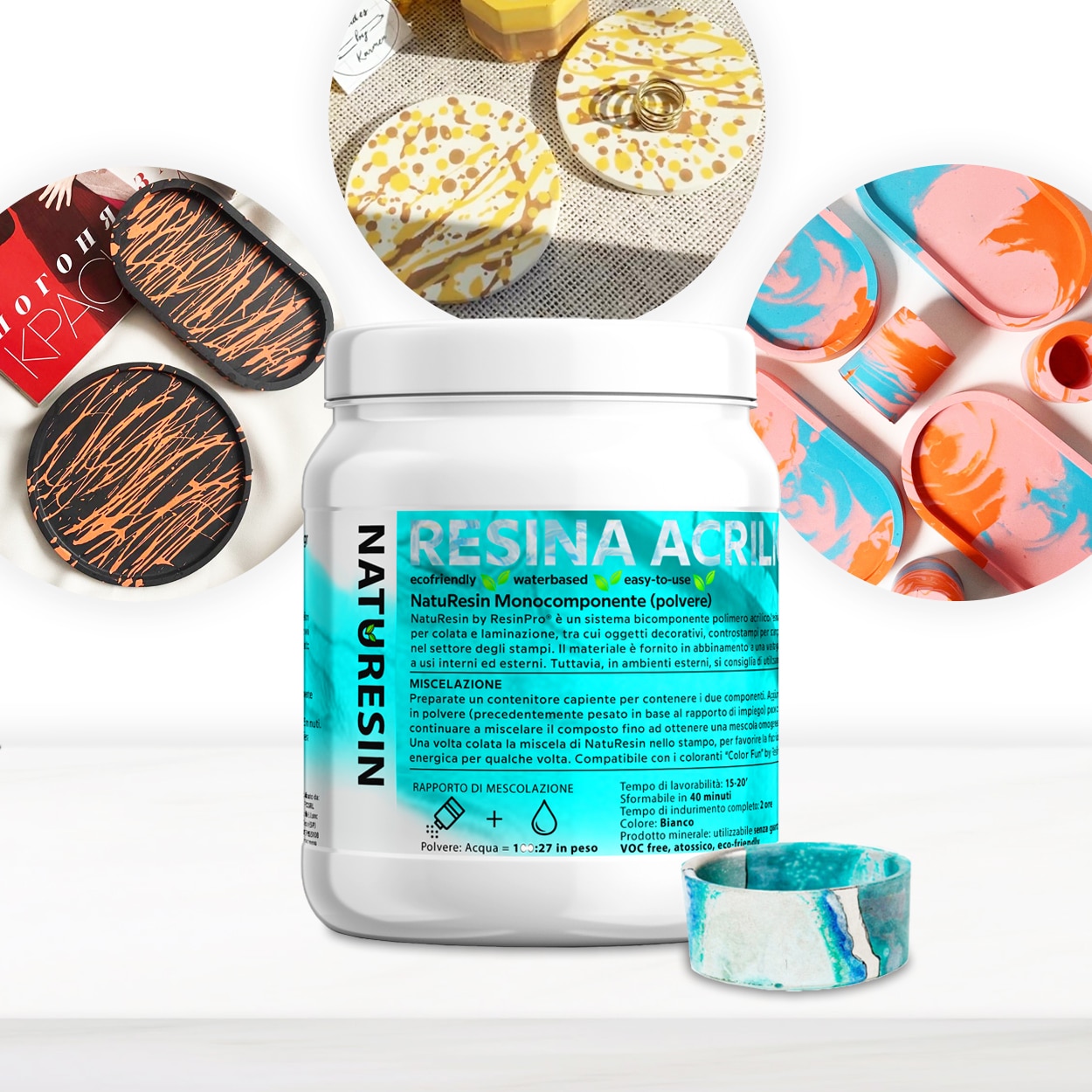
While industrial facilities rely on resin pellets as a standard input for moulding and extrusion, hobbyists and artists often use similar pellet forms or ready-mix powders for creative casting projects. For example, single-component mineral resins, such as NatuResin, can be mixed with water to create durable, customisable shapes and décor.
- Facilitate even melting and mixing for consistent results
- Enable easy customisation with pigments, additives, or paints
- Provide a clean, efficient way to measure material amounts
When This Matters
Understanding resin pellet form is important when selecting the right casting material—especially if you’re seeking eco-friendly, low-VOC, or water-based options for home use. Modern alternatives like mineral resin kits are ideal for safe, creative exploration without handling traditional petrochemical resin pellets.
Related products
Related guides
Resin pellets are the foundation for countless creations, but the evolution of the materials—such as water-activated mineral resins—opens up safer and more innovative approaches for makers and manufacturers alike. To explore more about how these materials are produced, return to our main guide on how resin pellets are made.