 Free shipping on orders over £29,85
  Shipping Tracking!


 Google
 Facebook
← Back to How to paint walls for resin floors?
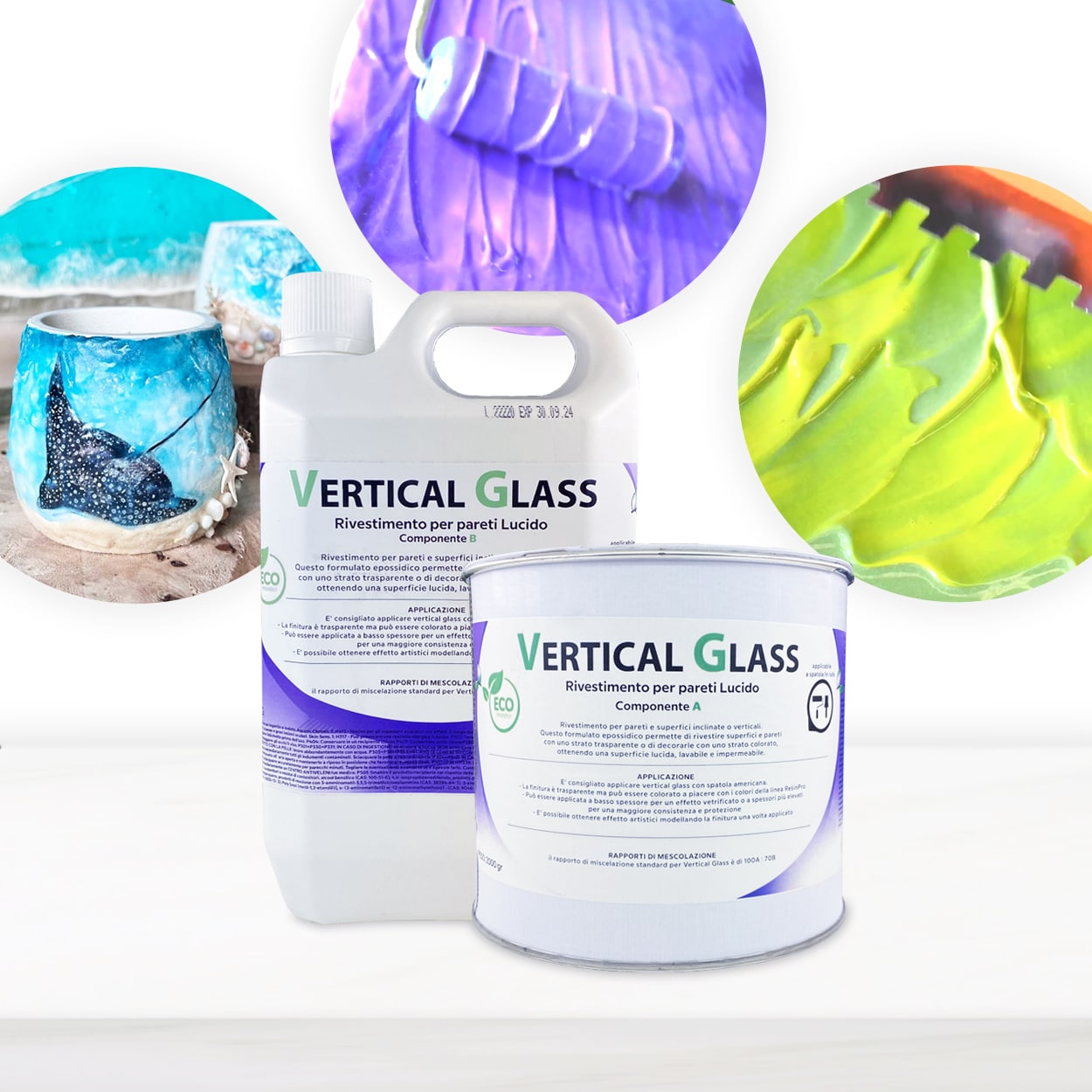
Whether you’re applying resin or paint to a wall or floor, preventing unsightly drips is key to achieving a professional finish. A carefully prepared approach will save time on clean-up and deliver seamless results.
Masking and Surface Prep: Your Best Defence
The first step to avoiding drips is using quality masking tape along the wall-floor junction or any adjacent surfaces you need to protect. Press the tape firmly to prevent paint or resin from seeping underneath. Beyond taping, ensuring your surface is clean, dry, and free from dust or grease makes the application process more predictable and controlled. Remove tape while the coating is still slightly tacky for sharp, clean lines.
Application Technique: Less Is More
Overloading your roller, brush, or spatula is the most common cause of runs and drips. Instead, pick up modest amounts of product, work in small sections, and apply in thin, even layers. For precision on resin projects, specialist rollers such as the short-pile or sponge types can help regulate distribution and reduce the risk of drips. Always move with steady, controlled strokes and check work as you go to catch and smooth out any excess.
When This Matters Most
Taking extra care to prevent drips is essential when neatness matters—for example, where wall and floor coatings meet for a seamless look, or when using bold colours and glossy resins such as Vertical Glass coatings. Attention to technique is particularly important for DIYers and detail-oriented projects.
Related products
Related guides
Mastering drip prevention brings your wall and resin floor coatings together for a flawless effect. For more in-depth advice on painting walls next to resin floors, see our full guide: How to paint walls for resin floors?