 Free shipping on orders over £29,85
  Shipping Tracking!


 Google
 Facebook
How to paint walls for resin floors?
Expert technique for seamless, durable wall and resin floor finishes

Painting your walls in a space with resin floors requires careful planning and the correct technique to ensure a harmonious and durable finish. This guide walks you through the entire process, from preparation to final refinements, helping both DIYers and professionals achieve professional-quality results that complement the distinctive look of resin flooring.
What You’ll Need
- “Epoxyprimer” – Universal Water-Based Two-Component Epoxy Floor Primer: Delivers reliable adhesion to wall surfaces prior to painting or resin application.
- Resin & Paint Application Rollers – Short-Pile, Large, and Sponge Types: Ensure even distribution of primer and paints for a professional finish.
- High-quality wall paint, compatible with the room’s expected use (moisture resistance is crucial for kitchens and bathrooms).
- Painter’s tape, drop cloths, sanding paper (fine to medium grit), clean cloths, buckets for mixing.
- Personal protective equipment: gloves, safety glasses, mask for sanding and painting.
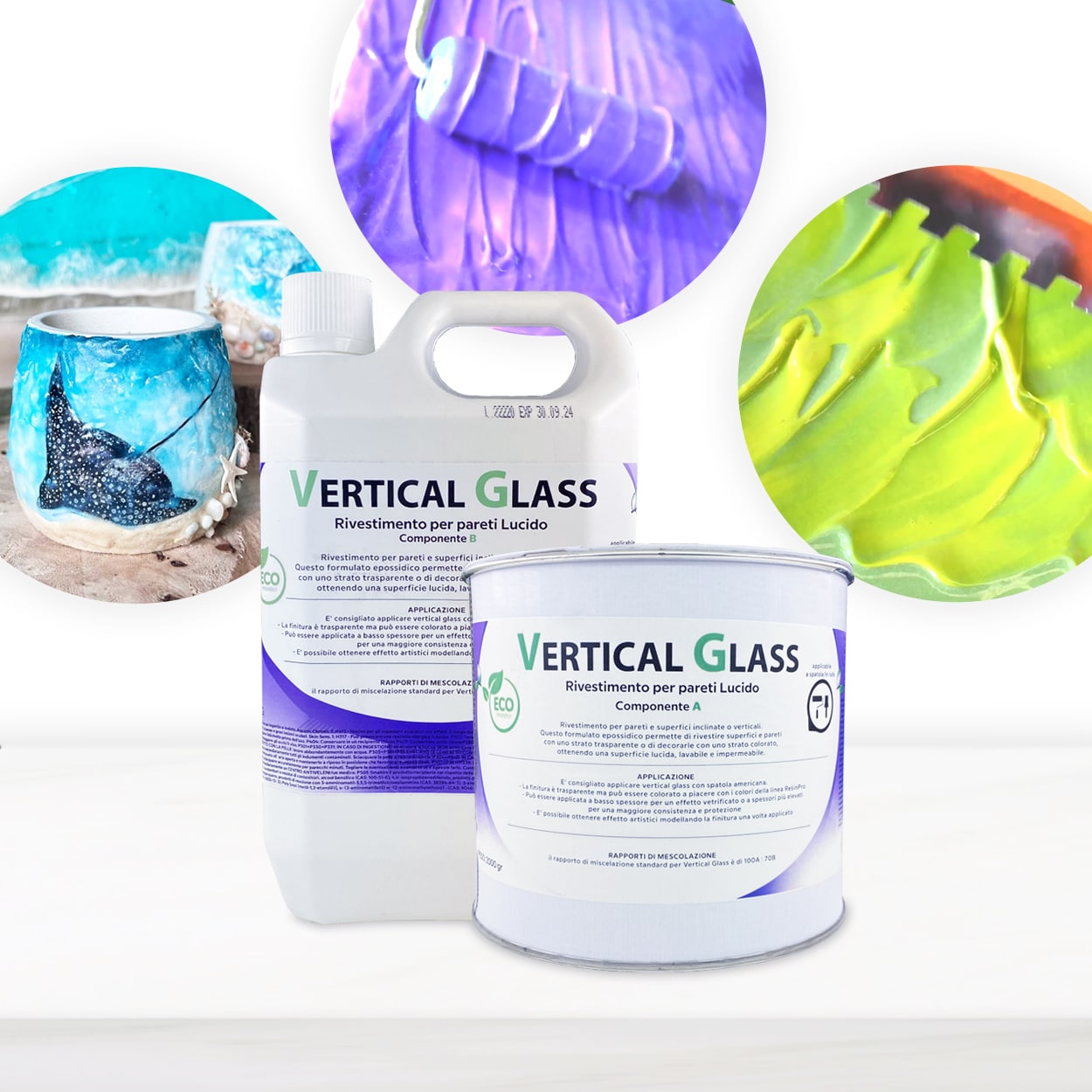
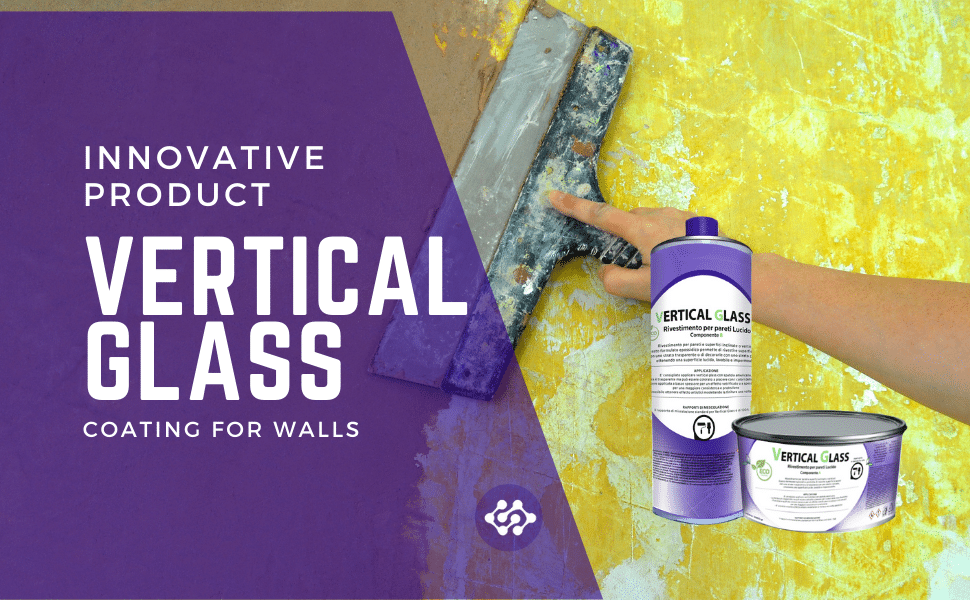
- “Vertical Glass” – Thick Resin Decorative Wall Coating (optional): For a premium, decorative resin finish on feature walls.
Optimal Preparation for Lasting Results
Proper surface preparation is the foundation of any successful wall painting project near resin floors. Spend time on cleaning, masking, and sanding to ensure paints and coatings bond perfectly and reflect your desired level of finish.
Step 1: Prepare and Protect the Space
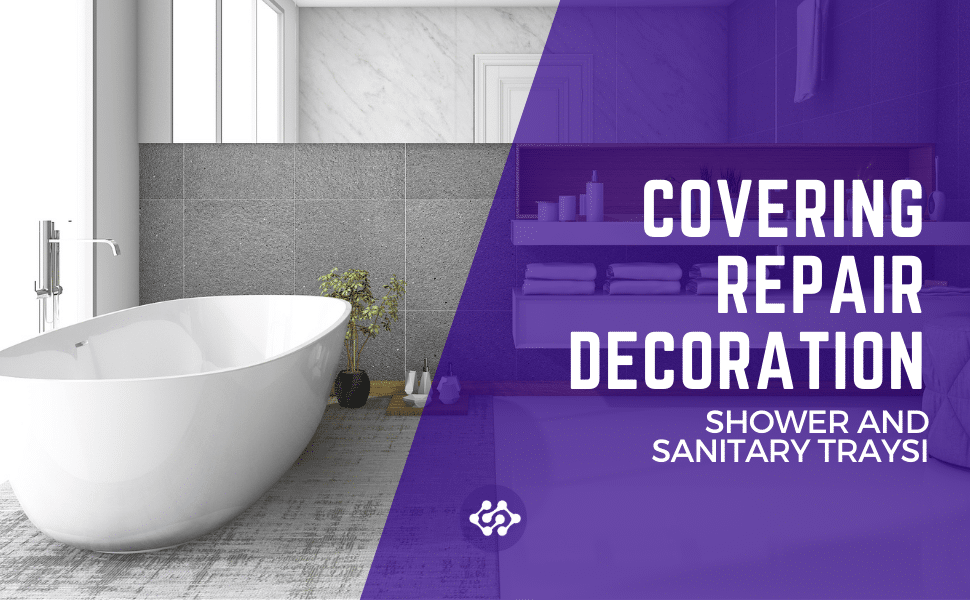
Start by removing furniture or covering it with drop cloths to shield against dust and splashes. Use painter’s tape to mask off the edge of the resin floor, ensuring straight lines where wall and floor meet. Clean the walls thoroughly to remove grease, dust, or previous flaking paint—this promotes excellent adhesion and a smooth finish. For best results, lightly sand glossy or painted surfaces with fine to medium grit sandpaper, then wipe away residues with a damp, clean cloth.
Preparation is key for long-lasting results. Pay particular attention to the base of the wall—any debris or dirt can compromise both the floor and the wall finish.
Step 2: Prime for Durability and Adhesion
Priming the wall is essential, especially in bathrooms, kitchens, or where decorative resin coatings are planned. Apply a suitable primer with your chosen roller for a uniform coating. If you’re finishing with resin or experiencing problematic substrates (porous plaster, new plaster, or patchy paint), a dedicated two-component epoxy like “Epoxyprimer” – Universal Water-Based Two-Component Epoxy Floor Primer offers excellent adhesion and durability, setting a solid foundation for subsequent coatings. Allow the primer to dry and cure fully—typically 24–48 hours, as per product instructions.
Allow adequate drying and curing times between coats to avoid issues such as peeling or bubbling.
Step 3: Paint or Apply Resin Coating
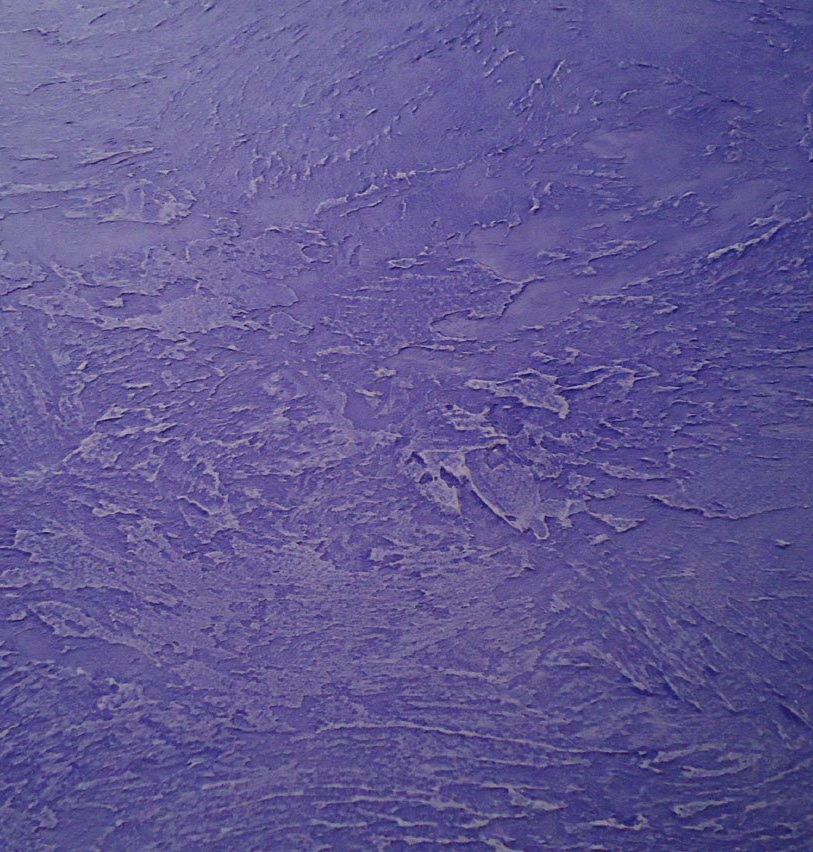
Once the primed surface is dry, proceed with your selected wall paint or feature wall finish. For standard paints, apply two coats using a roller or brush, beginning at the edges and working downwards. Maintain a wet edge to avoid lap marks. If you want a bespoke resin effect or enhanced durability—especially for splash zones or feature walls—consider a resin wall coating like “Vertical Glass” – Thick Resin Decorative Wall Coating. This product is designed for vertical application and can be finished glossy or sanded for a satin look. Use a spatula for an even, creative application on tiles, cement, or brick walls.
Use rollers or tools designed for resin application like Resin & Paint Application Rollers to achieve a smooth, professional surface. For resin coatings, follow the manufacturer’s instructions on thickness and drying intervals.
Step 4: Remove Masking and Final Checks
After the final coat is applied and allowed to cure fully, carefully remove painter’s tape from the edge where the resin floor meets the wall. Inspect your work for any missed spots or uneven edges—touch up if necessary. Clean tools immediately to keep them in good working order for future projects.
Maintain ventilation during application and curing to facilitate drying and minimise fumes—particularly important when using primers or resin coatings.

Tips, Common Mistakes, and Troubleshooting
To prevent paint or resin bleeding onto your perfectly finished resin floor, always use quality masking tape and press it down firmly at the base of the wall. Avoid applying overly thick coats of primer or paint in a single pass—this can cause drips and poor adhesion. When using resin coatings, monitor room temperature and humidity for optimal curing. If bubbles form in resin, pass a heat gun lightly over the surface for a flawless finish. Should you notice any blotchy areas, sand lightly and recoat as needed.
Finishing Touches for Seamless Integration
Well-planned wall finishes create a visually unified space with resin floors. Take care with tape removal and touch-ups—it’s the small details that distinguish a truly professional result.
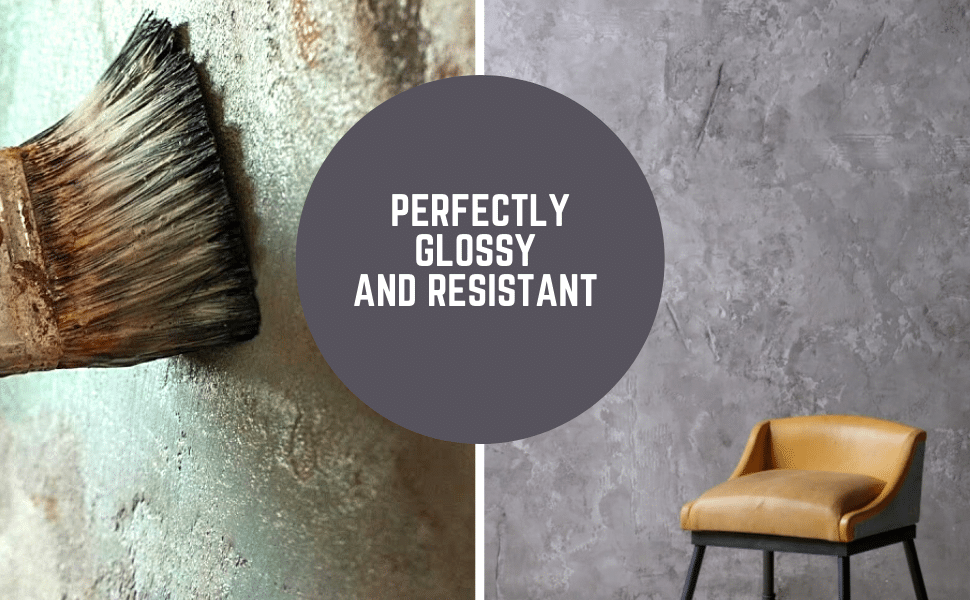
- "Vertical Glass" – Thick Resin Decorative Wall CoatingPrice range: £78.95 through £188.95"Vertical Glass" offers a customisable and durable epoxy resin coating for vertical and sloping surfaces, suitable for decorative wall applications.
- Resin & Paint Application Rollers – Short-Pile, Large, and Sponge TypesPrice range: £3.62 through £5.09Rollers designed for precision and uniformity on resin surfaces, suitable for detailed and large area application in resin projects.
 "Epoxyprimer" – Universal Water-Based Two-Component Epoxy Floor PrimerPrice range: £156.45 through £286.45"Epoxyprimer" is a water-based two-component epoxy floor primer designed for reliable adhesion and durability on multiple substrates.
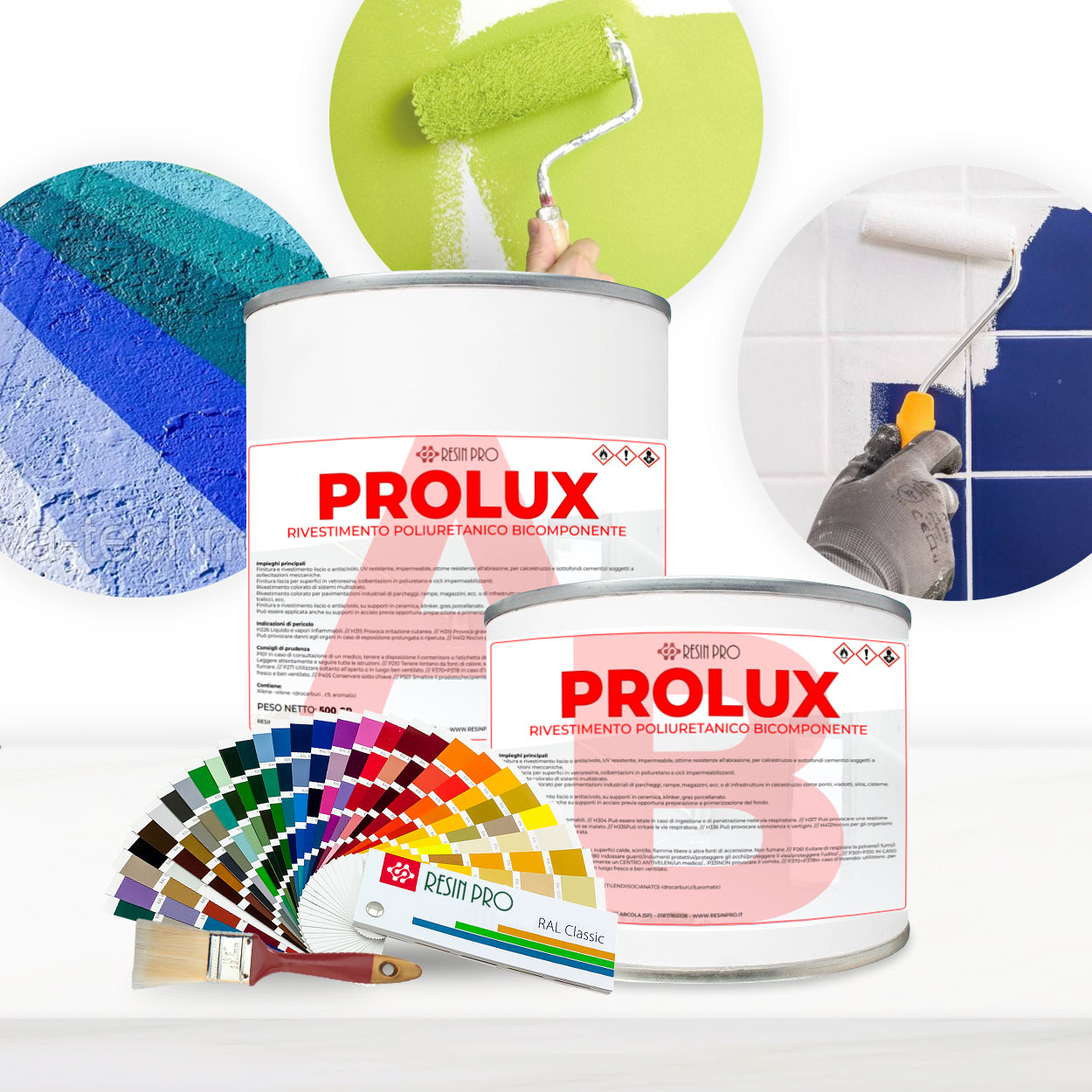 "Prolux" – PU coating for tiles, concrete, plastic and metal – suitable for driveable surfacesPrice range: £44.85 through £494.85"Prolux" is a polyurethane coating suitable for various surfaces, offering durability and a choice of gloss or satin finishes.
Frequently Asked Questions
Do I need a special primer for walls near resin floors?
Using an epoxy-based primer helps ensure superior adhesion and moisture protection both for paint and resin finishes in these areas.
Which paint finishes best match resin floor environments?
Satin and gloss paints offer durability and wipe-clean convenience that complement resin's modern look and resistance.
Can I use resin wall coatings near bathroom resin floors?
Yes, specific wall resins are ideal for wetrooms and splash zones, providing decorative, waterproof protection where needed.
How do I stop paint or resin from dripping onto floors?
Secure masking tape at the wall-floor intersection and avoid overloading rollers or spatulas during application for crisp results.
When is the best time to remove masking tape after painting?
Pull tape away while the final coat is still tacky or just dry to the touch for the cleanest edge with minimal risk of peeling.
Which application tools are best for resin wall coatings?
Choose short-pile or sponge rollers and flexible spatulas made for resin to achieve smooth, even decorative finishes.