 Free shipping on orders over £29,85
  Shipping Tracking!


 Google
 Facebook
← Back to How do you cover an old industrial concrete floor with resin?
Moisture trapped in old industrial concrete can create real problems when laying a new resin floor, risking peeling and poor adhesion. Addressing damp is essential for a lasting, professional finish.
How Moisture Impacts Resin Floors
If the underlying concrete contains moisture, resin coatings are prone to delamination—lifting or bubbling away from the substrate. Worse still, moisture can migrate up through the floor over time, undermining your beautiful new finish. Preparation is always the first line of defence.
Steps to Prepare Damp or Old Concrete
- Assess and dry: Measure moisture content before any resin work. Where possible, allow the surface to thoroughly dry with good ventilation.
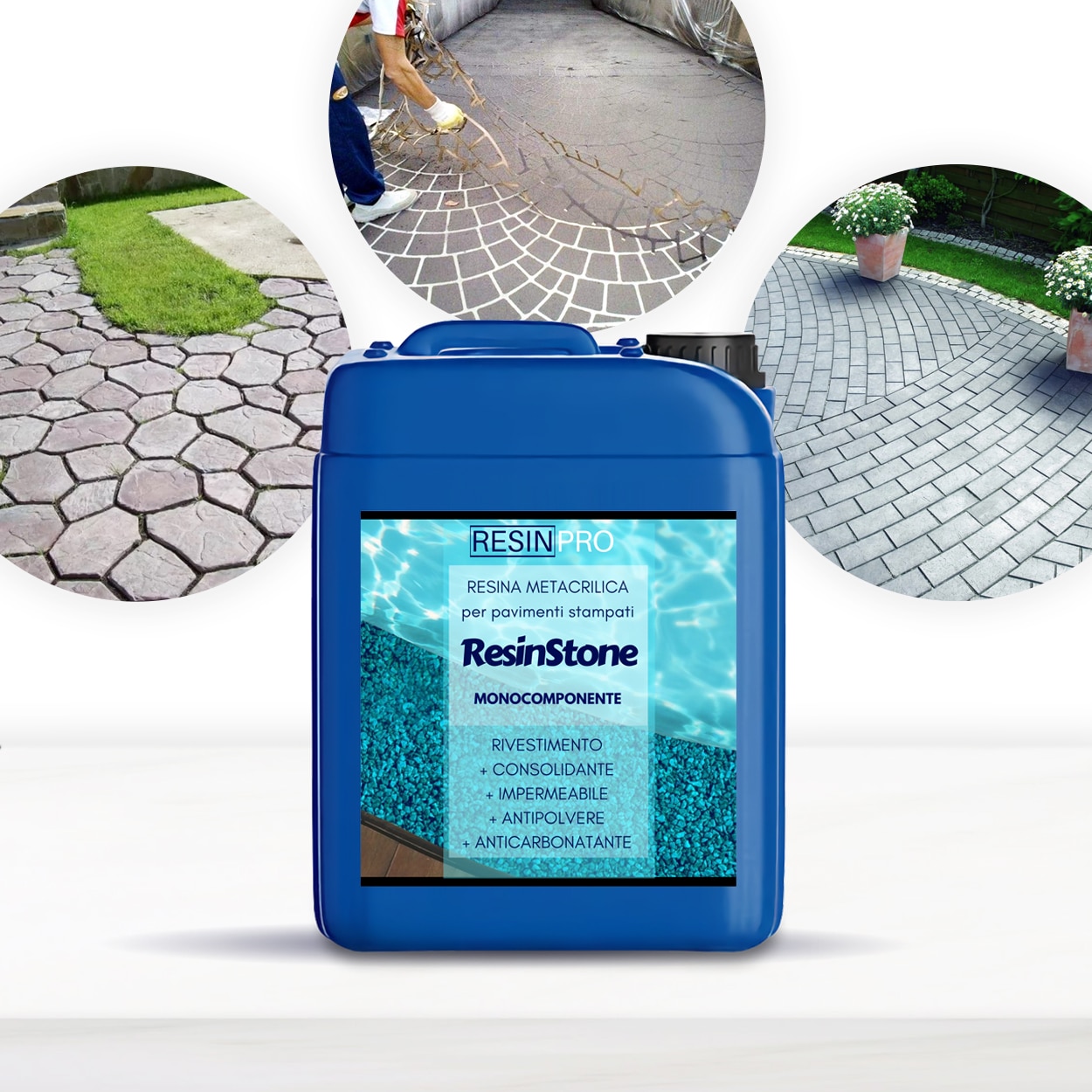
- Consider breathable resins: If the concrete cannot be fully dried (for example, in old warehouses), opt for systems designed to tolerate some residual moisture. Resinstone is a breathable sealing solution that allows vapour out while blocking bulk water penetration.
- Prime with care: Using a compatible water-based primer such as Epoxyprimer helps bond the resin system to the substrate and improves the surface for topcoats.
When This Matters Most
Damp conditions are most critical in below-ground spaces, exterior slabs or ageing industrial floors lacking damp-proof membranes. In these cases, correct product selection and preparation are vital for longevity.
Related products
Related guides
Dealing with moisture before resin application protects your investment and delivers a resilient result. Explore more about best practice flooring solutions on our main guide to covering old industrial concrete with resin.