 Free shipping on orders over £29,85
  Shipping Tracking!


 Google
 Facebook
← Back to How to install troweled resin flooring?
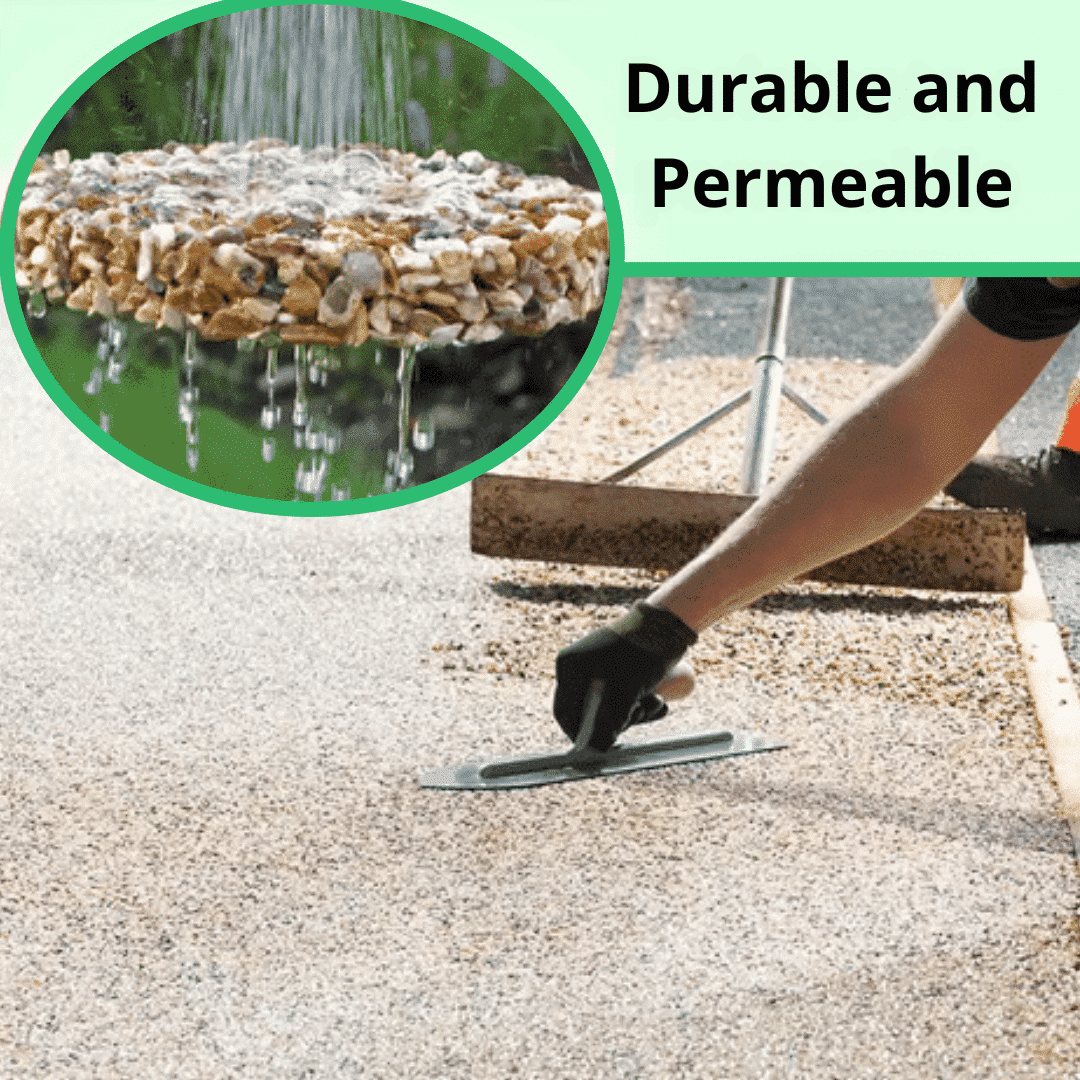
Choosing the right thickness for your troweled resin-bound pebble floor is essential to ensure long-lasting strength, safety, and proper drainage. This quick guide covers what you need to know when planning your next outdoor resin flooring project.
Recommended Thickness for Outdoor Use
For driveways and pathways, a resin-bound pebble layer should be laid at a thickness of 12–15 mm. This depth achieves a robust and even surface capable of withstanding regular foot and light vehicle traffic. When installed correctly, this thickness helps maintain a stable finish that resists cracking and shifting over time.
Ensuring Durability and Permeability
A layer within the 12–15 mm range allows the resin and aggregate mixture to form a connected, permeable structure. Proper drainage is crucial—especially in the UK climate—to avoid puddles and reduce the risk of ice or moss forming. The Flowstone Complete Permeable Floor Kit includes guidance to help you achieve the right thickness and drainage for both renovation and new installations.
Practical Installation Advice
- Prepare a stable, suitable substrate before trowelling your resin-bound mix.
- Consistently check depth as you trowel to ensure an even 12–15 mm layer across the whole area.
- Choose a binder and aggregate to match your aesthetic and maintenance needs—coloured stones may require a UV-resistant binder for the best lasting effect.
When Precise Thickness Matters
If the resin-bound layer is too thin, durability and permeability may be compromised. If it is too thick, proper curing and drainage could become an issue. This is especially important for high-traffic areas or exposed garden paths where an even, safe surface matters most.
Related products
Related guides
Setting the recommended thickness ensures your resin-bound flooring performs well for years to come. To learn more about every stage of the process, return to our complete guide to installing troweled resin flooring.