 Free shipping on orders over £29,85
  Shipping Tracking!


 Google
 Facebook
How to install troweled resin flooring?
Step-by-step guide for a durable, decorative finish outdoors
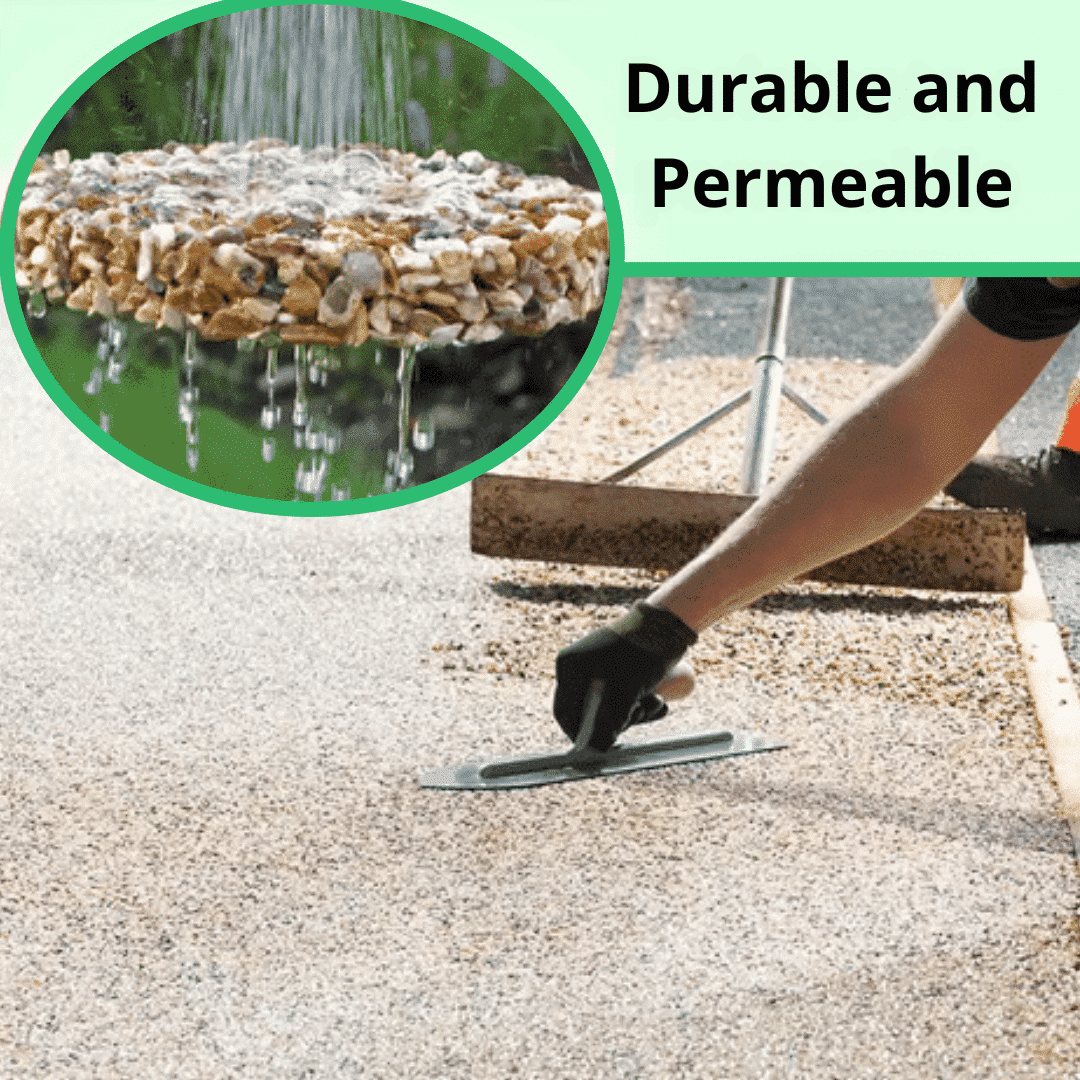
Troweled resin flooring offers a modern solution for creating decorative, long-lasting, and permeable outdoor surfaces. Whether you’re resurfacing a driveway, patio, or pathway, the technique produces an attractive and robust finish suitable for the UK climate. This guide breaks down each step to help you achieve a professional result, avoid common mistakes, and understand what materials you’ll need for every part of the process.
What You’ll Need
- “Epoxyprimer” – Universal Water-Based Two-Component Epoxy Floor Primer: Essential for priming and sealing surfaces like concrete, tiles, or screed, ensuring optimal adhesion.
- Washed Pebbles for Permeable Floors 25kg – Outdoor Resin-Bound Surfaces: Pre-washed natural stones for a permeable and decorative layer.
- “Trasparente” – Epoxy Binder for Coloured Pebbles and Grits: Suitable for mixing with coloured and dark aggregates for a clear, UV-resistant finish.
- “Flowstone” – Complete Permeable Floor Kit with Pebbles and Resin: Provides all-in-one materials and specific resin choices for different finishes, especially for larger projects.
- Trowel, cement mixer (for large surfaces), roller, brush, gloves, and safety wear.
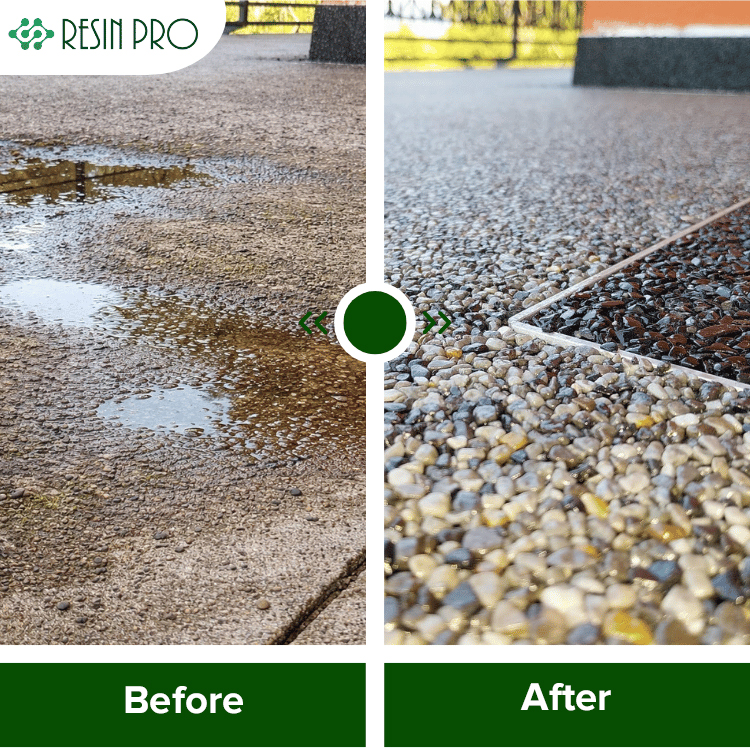
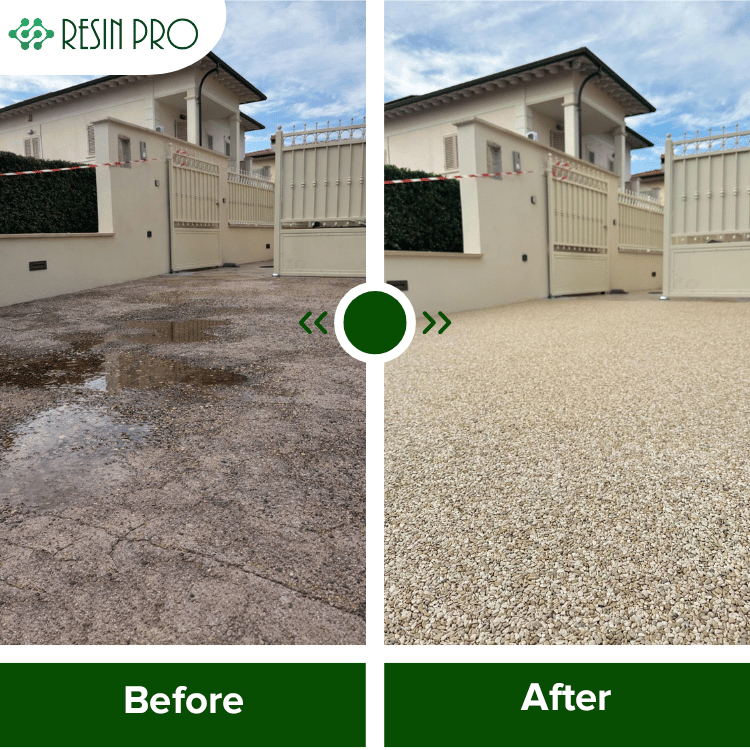
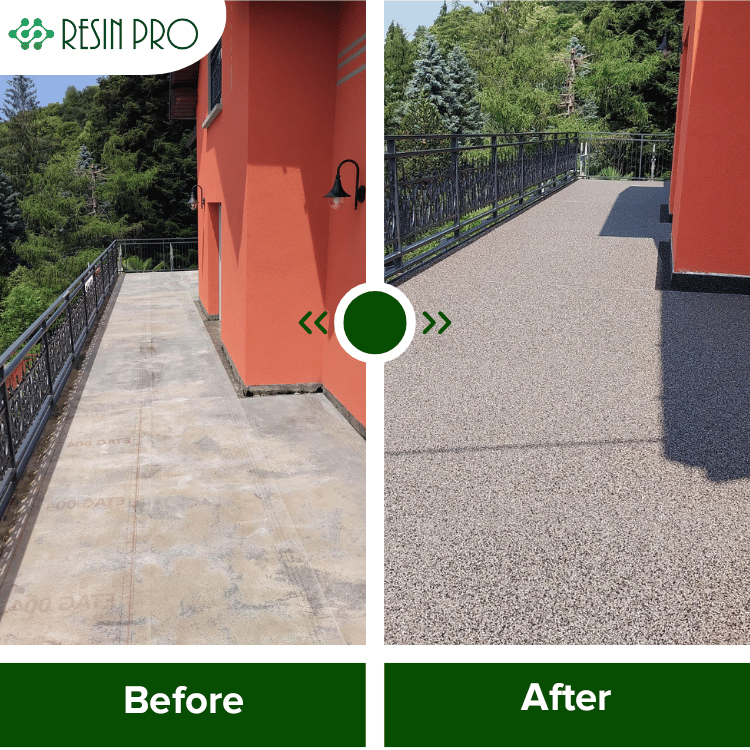
See Resin Flooring in Action
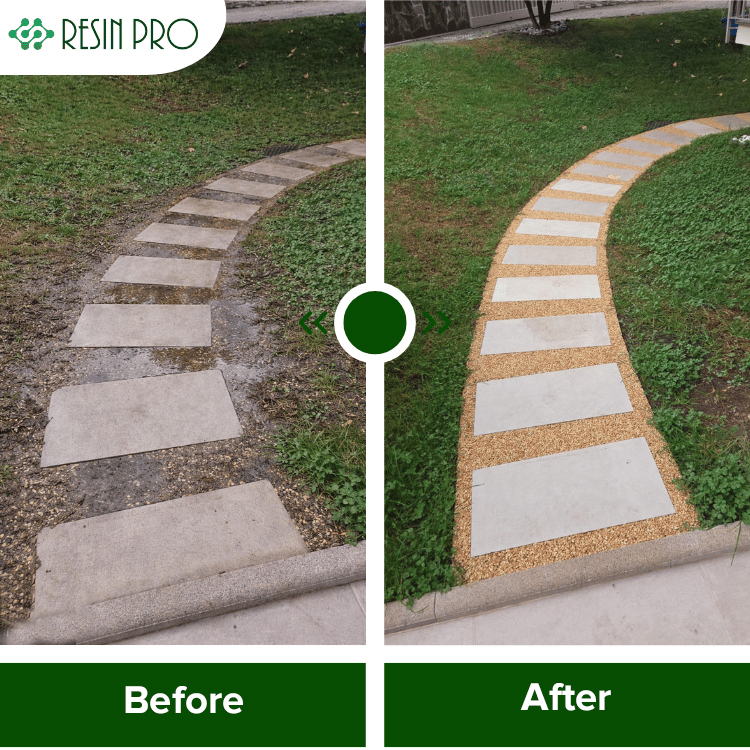
Explore stunning examples of troweled resin flooring applied to driveways, patios, and footpaths. Notice how the seamless finish and a range of aggregate colours elevate outdoor spaces while delivering year-round durability and drainage.
Step 1: Prepare the Surface Thoroughly
Start with a clean, stable, and level base. Remove all debris, dust, and grease. For best results, repair cracks and fill holes before any further work. If working over old concrete, check for moisture ingress or loose patches and address them as needed. A well-prepared substrate is critical for longevity and avoiding uneven surfaces.
Once the substrate is clean and dry, apply Epoxyprimer – Universal Water-Based Two-Component Epoxy Floor Primer according to instructions. Use a roller or brush for an even coat. Allow 24–48 hours for complete curing before proceeding to the resin-bound application step.
Step 2: Mix Resin Binder and Aggregates
Accurately weigh and measure the aggregate and resin components. For small areas, a clean bucket and paddle mixer suffice; for larger ones, it’s best to use a mechanical cement mixer. Carefully combine washed pebbles and selected resin binder, ensuring all stones are evenly coated for consistent performance.
If using coloured or dark aggregates, opt for “Trasparente” – Epoxy Binder for Coloured Pebbles and Grits to guarantee clarity and UV resistance. Follow all recommended mixing ratios and work swiftly to avoid premature curing in the mixer.
Step 3: Trowel and Finish the Resin Mixture
Pour the resin-bound mix onto the primed surface and distribute roughly using a rake or shovel. Then, with a steel trowel lubricated with a little solvent (as per guidelines), work in small sections to achieve an even layer, typically 12–15 mm thick. Apply consistent, firm pressure for a densely compacted and level surface.
When using a comprehensive system like “Flowstone” – Complete Permeable Floor Kit with Pebbles and Resin, follow the detailed kit guidance for the chosen aggregate and resin combination. Take care to maintain a uniform thickness throughout for best drainage and durability.

Step 4: Allow to Cure and Inspect the Surface
Once applied, protect the new floor from rain, direct sun, and debris for at least 24–36 hours, or as specified. Curing times vary by temperature and product but always ensure the surface is properly hardened before putting it into use. Check for evenness and touch up any small defects as needed before final foot or vehicle traffic is permitted.

Tips, Common Mistakes, and Troubleshooting
- Always prepare the substrate thoroughly before application — skipping this step can lead to lack of adhesion and early failure.
- Choose the right resin and aggregate combination for durability — white pebbles may require specific resin types to prevent yellowing.
- Measure your mix ratios carefully and only prepare as much material as can be spread within the working time window.
- Avoid working in unsuitable weather conditions such as high humidity, extreme heat or cold.
- If in doubt, refer to your kit instructions or seek advice for unusual site conditions.
Expert Advice for Reliable Results
For a truly professional outcome, pay close attention to surface preparation and resin selection for your chosen aggregate. Whether you opt for a complete kit or mix components, following the steps closely ensures lasting aesthetics and performance in all weather conditions.
- "Flowstone" – Complete Permeable Floor Kit with Pebbles and ResinPrice range: £49.95 through £3,915.45Flowstone kit provides a durable, permeable pebble and resin surface with detailed guidance for easy installation, matching UK climate conditions.
- "Trasparente" – Epoxy Binder for Coloured Pebbles and GritsPrice range: £33.45 through £397.95"Trasparente" is a transparent epoxy binder designed for coloured pebbles and grits, suitable for durable, UV-resistant decorative floors.
- Washed Pebbles for Permeable Floors 25kg – Outdoor Resin-Bound SurfacesPrice range: £28.45 through £29.95Washed Pebbles for Permeable Floors 25kg provide pre-washed stones suitable for permeable outdoor surfaces using resin binders.
 "Epoxyprimer" – Universal Water-Based Two-Component Epoxy Floor PrimerPrice range: £156.45 through £286.45Epoxyprimer is a water-based two-component epoxy floor primer designed for reliable adhesion and durability on various surfaces.
Frequently Asked Questions
How thick should troweled resin flooring be?
A typical layer is 12–15 mm for driveways or paths, ensuring durability, drainage, and even finish.
Do I need to prime the surface before installing resin flooring?
Yes, priming with a compatible epoxy primer greatly improves adhesion and prevents issues like delamination.
Can I use any type of pebbles with resin-bound flooring?
Always use pre-washed, dried aggregates designed for resin applications to ensure proper adhesion and drainage.
Does weather affect installing troweled resin floors?
Yes, avoid extreme cold, heat or humidity to ensure the resin bonds and cures properly for a lasting surface.
When can I use my resin floor after installation?
Wait 24–36 hours for initial curing; full strength is typically reached in 3–7 days depending on product and conditions.
Is it better to buy a complete resin kit or separate materials?
Kits simplify the process and ensure compatibility. Separate materials offer more customisation for experienced users.