 Free shipping on orders over £29,85
  Shipping Tracking!


 Google
 Facebook
← Back to How do you repair a sink with epoxy resin?
Epoxy resin is a popular choice for sink repairs, but not every material responds in the same way. Knowing which sinks are suitable ensures repairs are durable and effective.
Common Sink Materials for Epoxy Repair
Epoxy resin is compatible with a wide range of sink materials, making it a versatile repair solution for many households. Ceramic sinks are a classic candidate, as epoxy bonds firmly and can fill cracks or chips with precision. Stone and composite sinks—such as those made with granite or marble blends—are also good options, as the resin forms a robust seal on these porous surfaces.
Some metal sinks, especially stainless steel, can also be repaired with epoxy, as long as the surface is clean and slightly roughened to help adhesion. However, always check the resin’s instructions for any specific limitations regarding the material.
How to Assess Compatibility Before Repair
- Surface Preparation: Clean and dry the area thoroughly; for non-porous surfaces, gentle sanding helps the epoxy stick.
- Check for Special Coatings: Sinks treated with chemical-resistant or non-stick finishes may not bond well with typical epoxy.
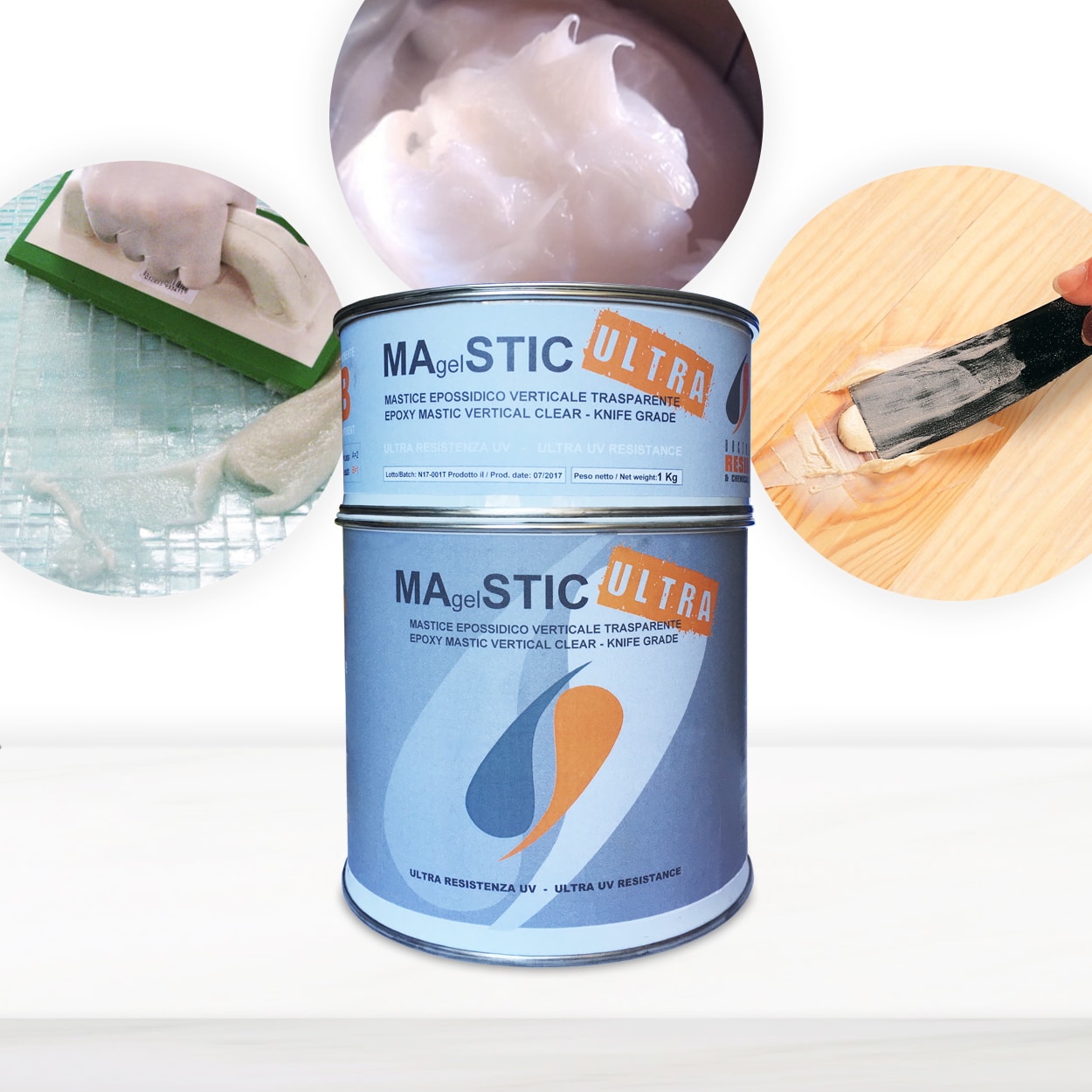
- Read Product Guidance: Some epoxy kits are formulated for certain materials—such as the “Kintsugi” Ceramic Repair Kit for ceramics, or “Magelstick” for stone and metal.
If uncertain, start with a small test patch in an inconspicuous area.
When This Matters Most
Choosing the right epoxy and confirming material compatibility is essential for visible, high-use sinks in kitchens or bathrooms. Proper pairing helps ensure your repair holds up against water, cleaning products, and daily wear.
Related products
Related guides
Matching your epoxy repair approach to the sink’s material makes all the difference for long-lasting results. For more on technique and full repair steps, visit our main guide on how to repair a sink with epoxy resin.