 Free shipping on orders over £29,85
  Shipping Tracking!


 Google
 Facebook
How do you create resin flooring video?
A practical guide for DIY resin-bound outdoor surfaces
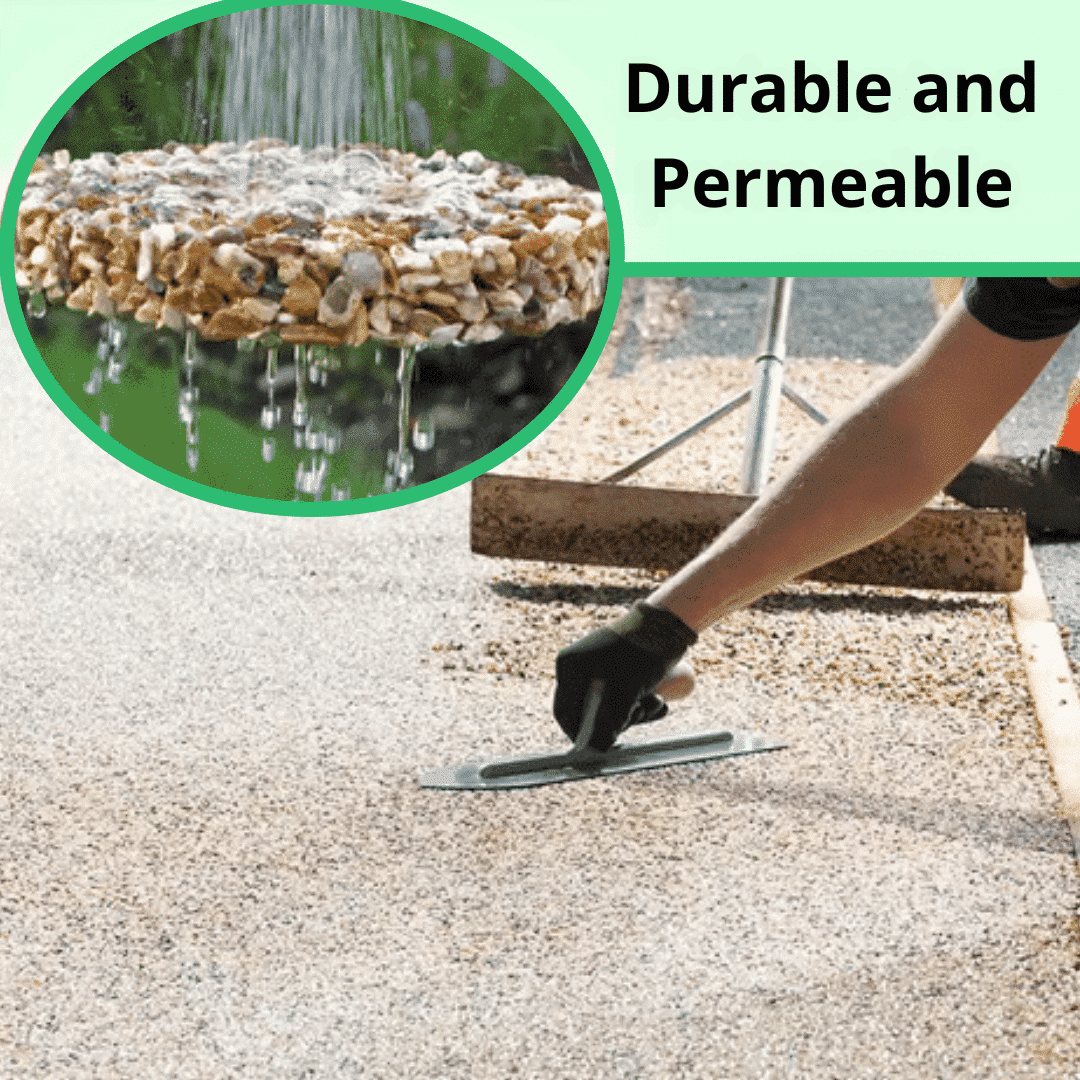
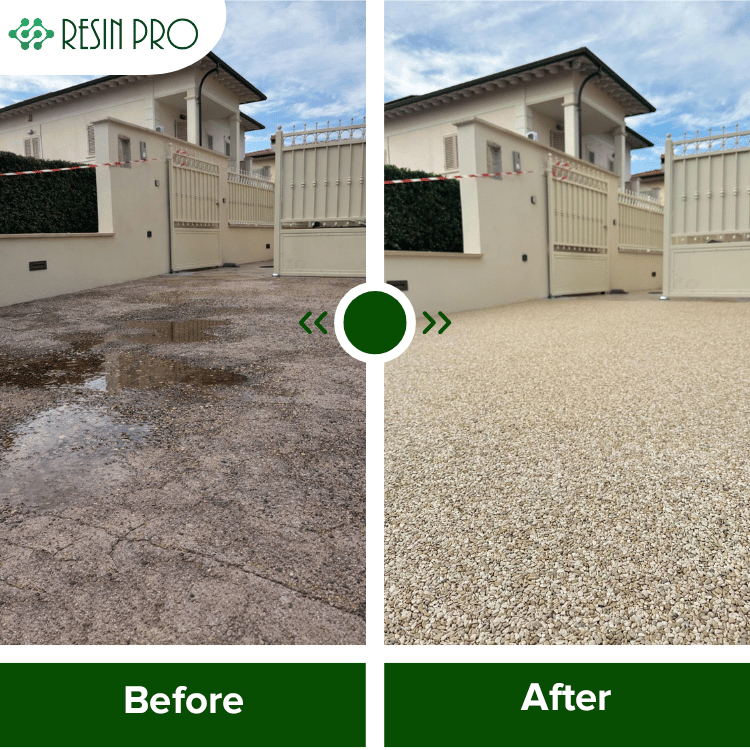
Resin flooring offers a stylish, durable, and permeable solution for outdoor paths, patios, and driveways. In this guide, you’ll learn the essential steps to create your own resin-bound floor, from preparing the surface to achieving a flawless, long-lasting finish. Whether you are a DIY enthusiast or a first-time installer, following these steps will help ensure your floor is strong, attractive, and weather-resistant.
What You’ll Need
- “Epoxyprimer” – Universal Water-Based Two-Component Epoxy Floor Primer – For strong adhesion to the base surface.
- Washed Pebbles for Permeable Floors 25kg – Outdoor Resin-Bound Surfaces – Clean, decorative aggregates compatible with resin.
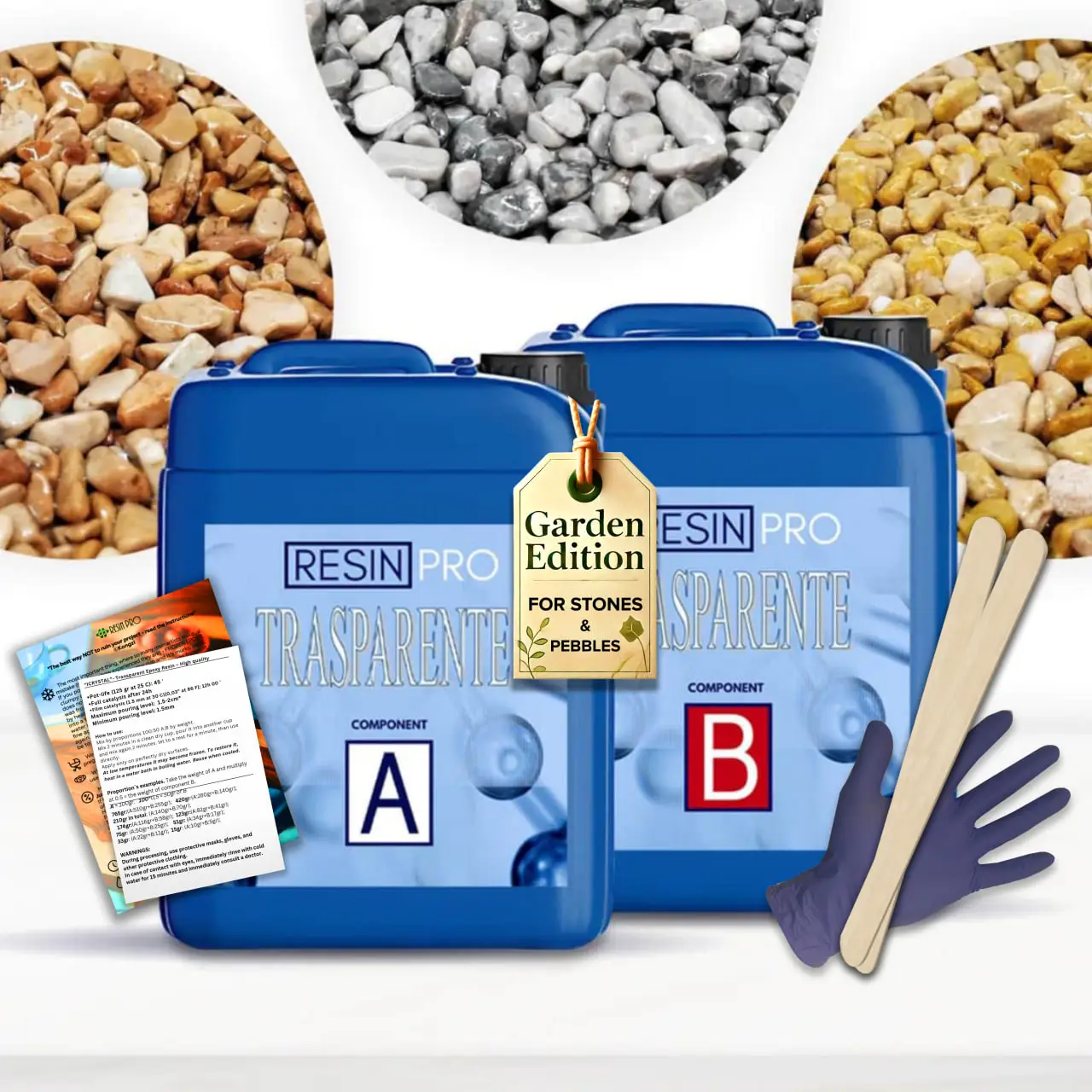
- “Trasparente” – Epoxy Binder for Coloured Pebbles and Grits – Ideal binder for coloured or decorative aggregates.
- “Flowstone” – Complete Permeable Floor Kit with Pebbles and Resin – All-in-one option for easy installation.
- Protective gloves, mixing buckets, measuring tools, trowel or float, and a suitable dust mask.
Visual Overview: Tools and Materials for Resin Flooring
See examples of the main tools and materials required for resin flooring: priming solutions, washed pebbles, resin binders, and protective equipment. Familiarising yourself with the right kit ensures a smoother installation and a lasting result. Planning your workspace ahead of time helps avoid delays once you begin mixing and spreading your resin-bound floor.
Step 1: Prepare the Base Surface
Thoroughly clean and dry the surface before starting. Remove any debris, dust, grease, or old coatings from the concrete, screed, or tile base. Any weakness here can cause poor adhesion or imperfections, so attention to detail matters. Check that the surface is level, free from cracks, and fully cured if newly laid. Let it dry completely to avoid moisture getting trapped under the resin-bound layer.
For best results, apply a suitable primer. The “Epoxyprimer” – Universal Water-Based Two-Component Epoxy Floor Primer creates a secure, long-lasting bond and helps seal any surface porosity. Use a roller or brush for an even, thin coat and allow the primer to cure for 24–48 hours as directed.
Step 2: Mix the Resin and Aggregates
Careful preparation of the mixture is essential for a strong, attractive resin floor. Use pre-washed, dry aggregates to prevent moisture-related issues. Wear protective gloves and a mask to ensure safety.
Mix resin and aggregates precisely according to instructions. For permeable outdoor floors using coloured grits, combine the dried pebbles (such as Washed Pebbles for Permeable Floors 25kg – Outdoor Resin-Bound Surfaces) with the appropriate resin binder like “Trasparente” – Epoxy Binder for Coloured Pebbles and Grits. Follow your product’s mix ratio and ensure the coated stones look glossy and fully bound, without excess resin pooling.
If using the “Flowstone” – Complete Permeable Floor Kit with Pebbles and Resin, all required components and step-by-step mixing guidance are included.
Step 3: Spread and Level the Resin-Bound Mix
Once mixed, immediately pour the resin-bound aggregate over the primed area. Use a trowel or float to spread the mixture to a consistent thickness, usually around 15–18 mm, and compact gently to remove small air pockets.
Ensure even spreading for consistent drainage, taking care to reach edges and corners. Aim for a level surface that allows rainwater to drain freely without puddling. Work in manageable sections so the mix remains pliable for shaping and finishing before it begins to harden.

Step 4: Allow to Cure and Finalise
After the resin-bound surface is evenly installed, restrict access to the area to avoid marks or disturbances during curing. Curing time depends on temperature and product, but expect at least 10 hours before light foot traffic and 24 hours or more for full strength.
Allow curing time as recommended for optimal durability. Protect the area from rain or debris until the resin is fully hardened. Once cured, check for any missed areas or edge imperfections, and carry out minor finishing touches if needed.
Tips and Common Mistakes to Avoid
Always follow temperature guidelines: avoid application during extreme cold, heat, or very humid weather, as these can affect curing and finish. Measure mix ratios accurately—insufficient resin results in weak surfaces, while too much may cause stickiness.
Plan your work efficiently so the mixed resin and aggregate do not set before spreading. Overworking the surface can introduce bubbles, while under-compacting can leave voids. If using multiple batches, mix aggregates together first for colour consistency.
Setting the Scene: Flawless Finishes and What to Expect
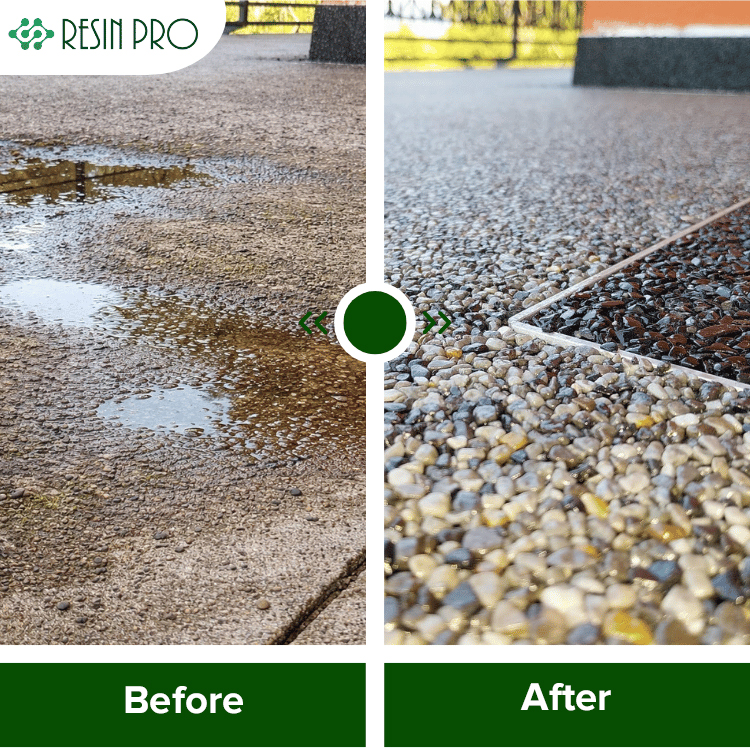
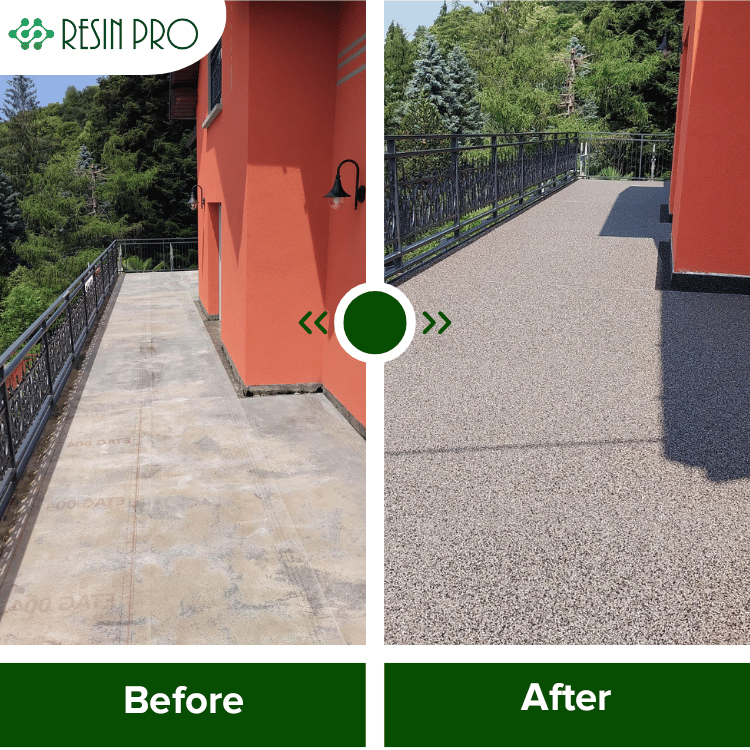
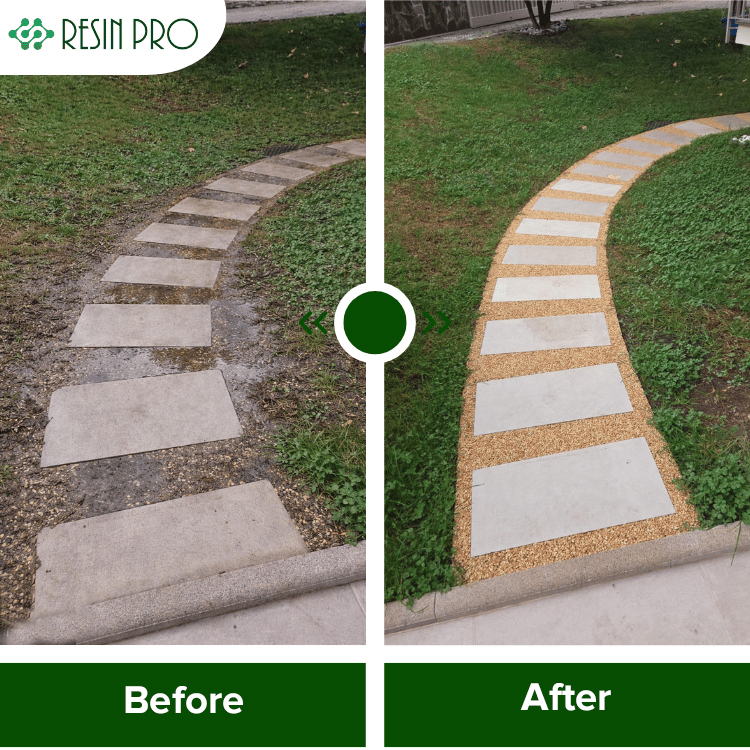
Finished resin flooring should offer a uniform, permeable surface that blends style with utility. Consistent colour, even levels, and reliable drainage are the hallmarks of a well-installed resin-bound floor. View project images and real-world examples to visualise the final impact in gardens, driveways, or terraces.
- "Flowstone" – Complete Permeable Floor Kit with Pebbles and ResinPrice range: £49.95 through £3,915.45"Flowstone" is a durable, permeable pebble and resin floor kit designed for driveways and patios, with guidance for suitable resin usage in the UK…
- "Trasparente" – Epoxy Binder for Coloured Pebbles and GritsPrice range: £33.45 through £397.95"Trasparente" is a transparent epoxy binder designed for coloured pebbles and grits, providing a clear, bubble-free finish with UV resistance.
- Washed Pebbles for Permeable Floors 25kg – Outdoor Resin-Bound SurfacesPrice range: £28.45 through £29.95Washed Pebbles for Permeable Floors 25kg enable creation of permeable, eco-friendly outdoor surfaces suited to resin flooring.
 "Epoxyprimer" – Universal Water-Based Two-Component Epoxy Floor PrimerPrice range: £156.45 through £286.45Epoxyprimer is a water-based two-component epoxy floor primer for reliable adhesion and durability on various surfaces.
Frequently Asked Questions
Can you DIY resin-bound flooring at home?
Yes, with the right products and preparation, resin-bound flooring is suitable for home DIY projects following clear step-by-step guidance.
How long does a resin floor take to cure?
Resin flooring is typically walkable after 10 hours, with full curing in 24 hours or more depending on conditions and product used.
What is the difference between permeable and impermeable resin floors?
Permeable resin floors allow water drainage and reduce puddling, while impermeable floors create a sealed surface that does not absorb water.
Do you need a primer for installing resin flooring?
A suitable primer is recommended to promote adhesion, prevent moisture issues, and ensure a lasting bond with the substrate.
What resin should I use for coloured pebble floors?
A transparent, UV-resistant binder like "Trasparente" is ideal for coloured stones to enhance brightness and durability outdoors.
Can you walk on a freshly installed resin-bound floor?
Wait at least 10 hours before walking on new resin floors and allow a full 24 hours or longer for heavier use.
What are common pitfalls in resin flooring installation?
Errors include using damp aggregates, poor mixing, applying in poor weather, or ignoring curing times. Following proper instructions helps avoid these.
How do you maintain resin-bound floors?
Keep the floor clear of debris, sweep regularly, and rinse with water to maintain permeability and appearance.