 Free shipping on orders over £29,85
  Shipping Tracking!


 Google
 Facebook
How to repair marble resin statues?
Step-by-step restoration for chips, cracks, and missing pieces
Marble resin statues bring elegance to both home and garden, but chips, cracks, or breaks can mar their appearance. With careful technique, most damage is repairable, restoring sculptures to their original glory. This guide covers every step—cleaning, bonding, filling, and finishing—to help you achieve seamless, lasting repairs on marble resin statues.
What You’ll Need
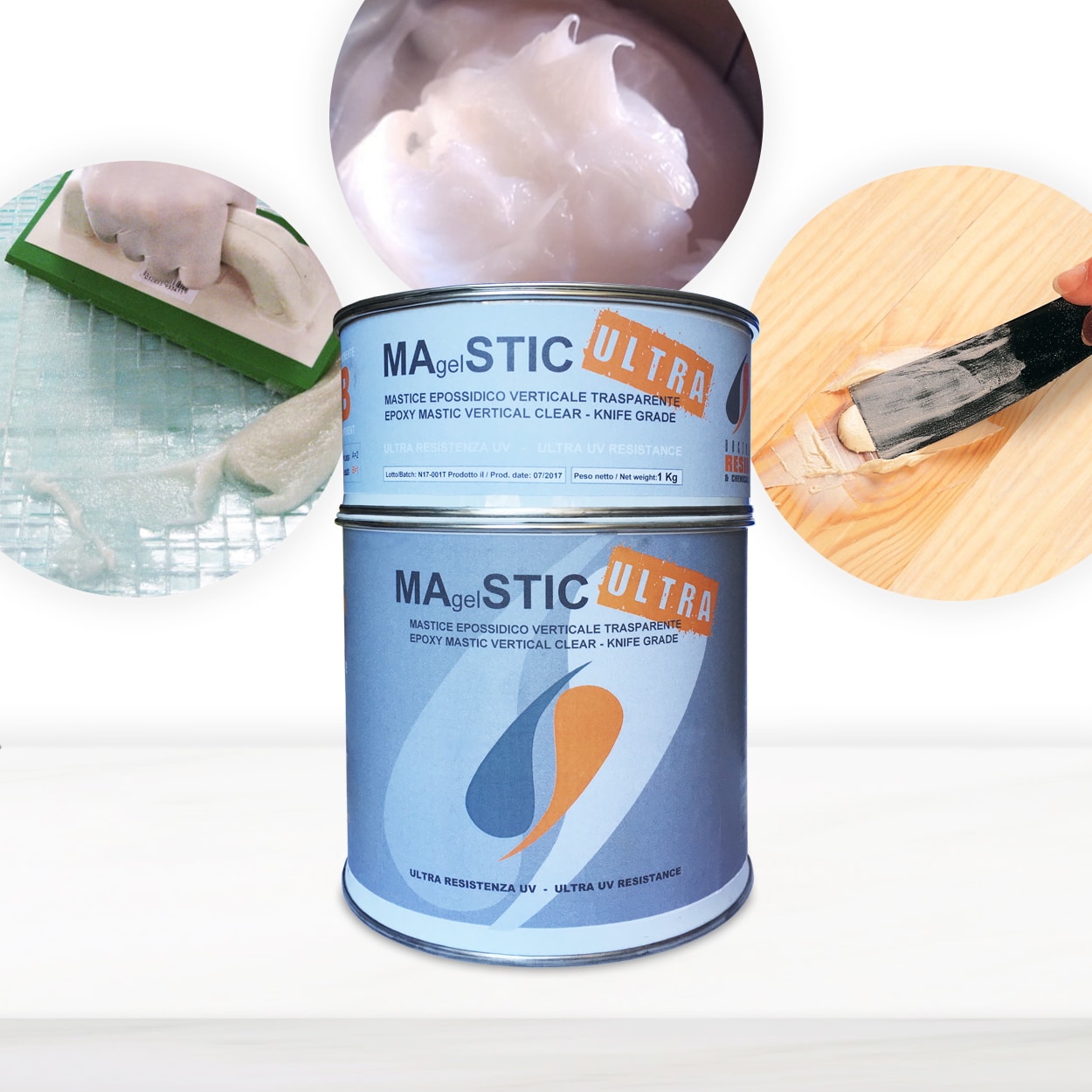
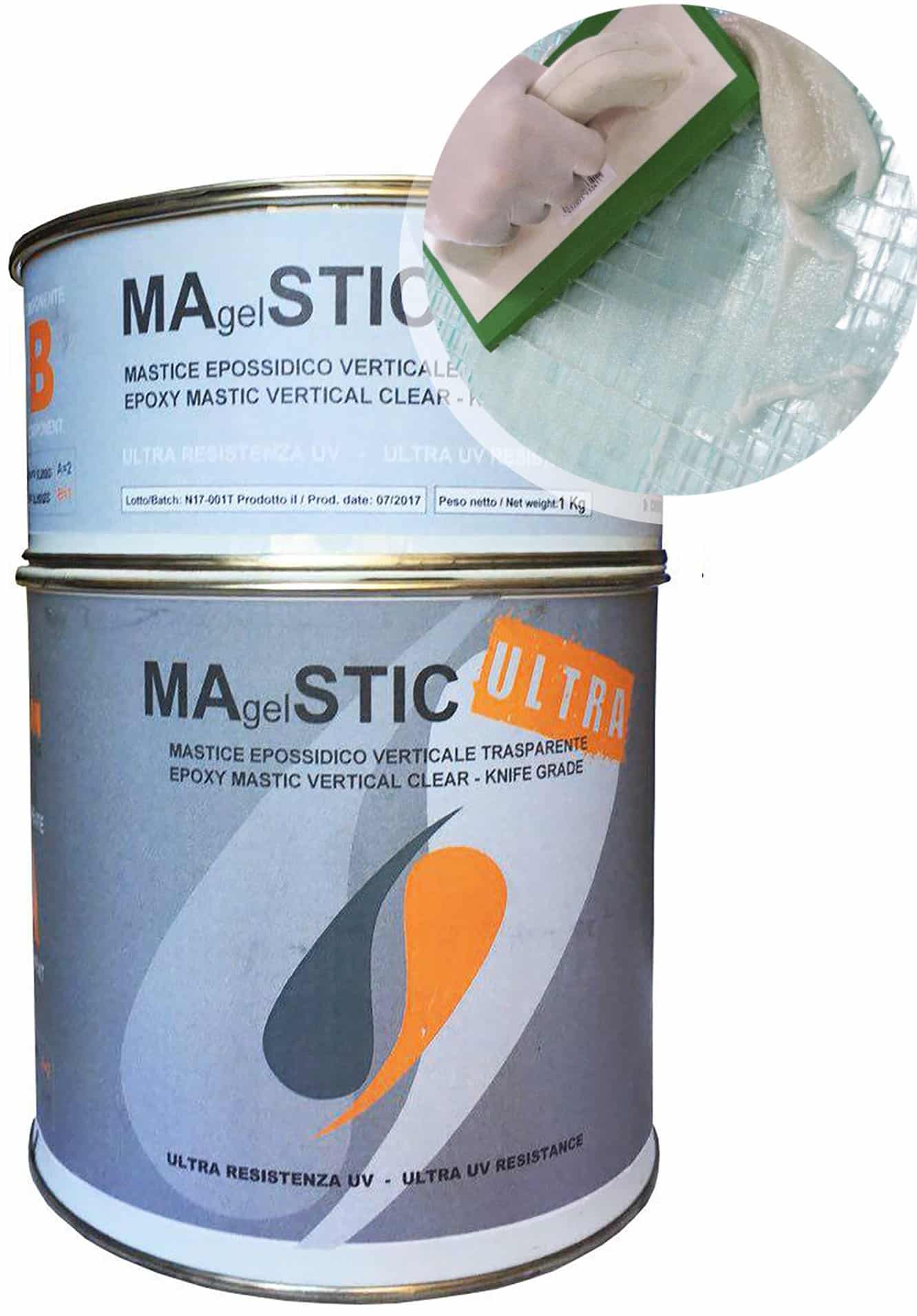
- “Magelstick” – Epoxy Mastic for Stone, Metal, and Cement Bonding and Grouting: For strong bonding and structural repairs, especially on stone-like finishes
- “FixExpress” – Two-Component Epoxy Glue 500g: For fast, precise adhesion on broken or chipped areas
- “Klebfix” – Two-Component Fast Epoxy Glue 2K, 25g Syringe: For clear, rapid repairs in detailed or exposed areas
- CROP 2K Fiberglass Putty – 750 ml + Hardener: Filling deep cracks or missing material requiring reinforced strength
- Clean, lint-free cloth
- Mild detergent, sponge, water
- Fine-grit sandpaper (400–600 grit)
- Protective gloves
Visual Guide to Statue Repair Stages
See a step-by-step transformation as a damaged marble resin statue is cleaned, bonded, filled, and finished back to its original look. Notice the seamless finish achieved by using the correct adhesive and putty at each stage.
Step 1: Clean and Prepare the Damaged Area
Thorough preparation is crucial for a successful repair. Gently remove dirt, dust, and any loose fragments using a damp cloth and mild detergent. Allow the statue to dry completely before proceeding. Pay special attention to cracks or chips: Remove all dust and debris as any leftover particles can weaken the adhesive bond.
Protect your hands by wearing gloves and work in a well-ventilated area. If grease is present, degrease the area to ensure a secure repair. Never skip this step, as the quality of cleaning dictates repair strength.
Step 2: Bond Broken Pieces or Stabilise Cracks
If there are detached fragments or open cracks, dry-fit the pieces together first to check alignment. For rapid setting and high-strength bonds on marble resin or stone parts, a two-component epoxy such as “FixExpress” – Two-Component Epoxy Glue 500g is ideal for precise, quick-setting adhesion. Mix the adhesive as directed—typically equal parts—and apply thinly to both surfaces.
Press the parts firmly together, holding steady for several minutes. Use gloves at all stages to avoid skin contact with adhesives. Avoid applying excess glue which can squeeze out and leave visible marks. Ensure perfect alignment and let the joint cure without disturbance.
Step 3: Fill Gaps, Chips, or Lost Areas
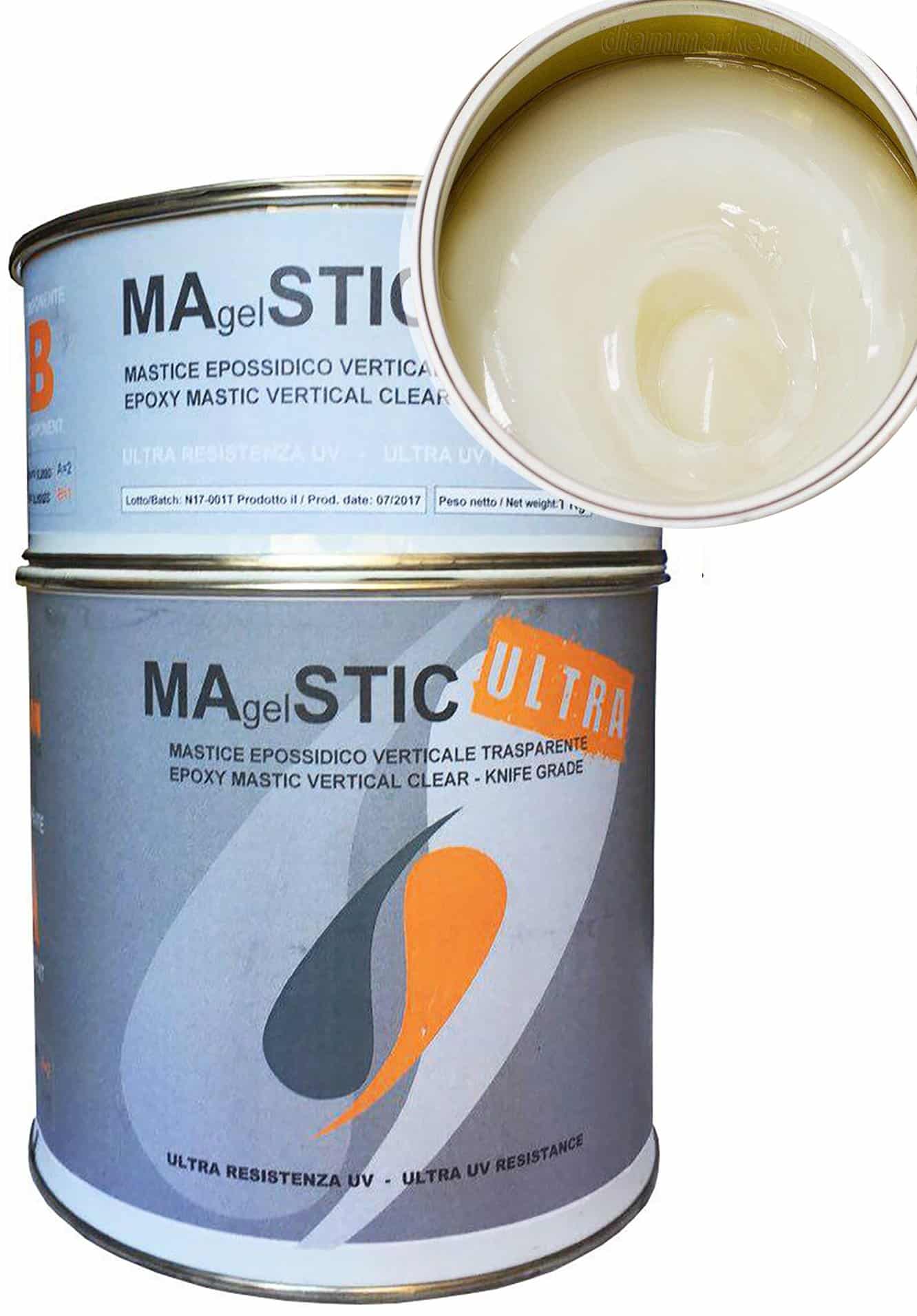
For small chips or cracks too large for glue but not requiring structure, use a specialist mastic like “Magelstick” – Epoxy Mastic for Stone, Metal, and Cement Bonding and Grouting. Its thixotropic formula helps prevent sag on vertical statue surfaces and allows for easy shaping during application.
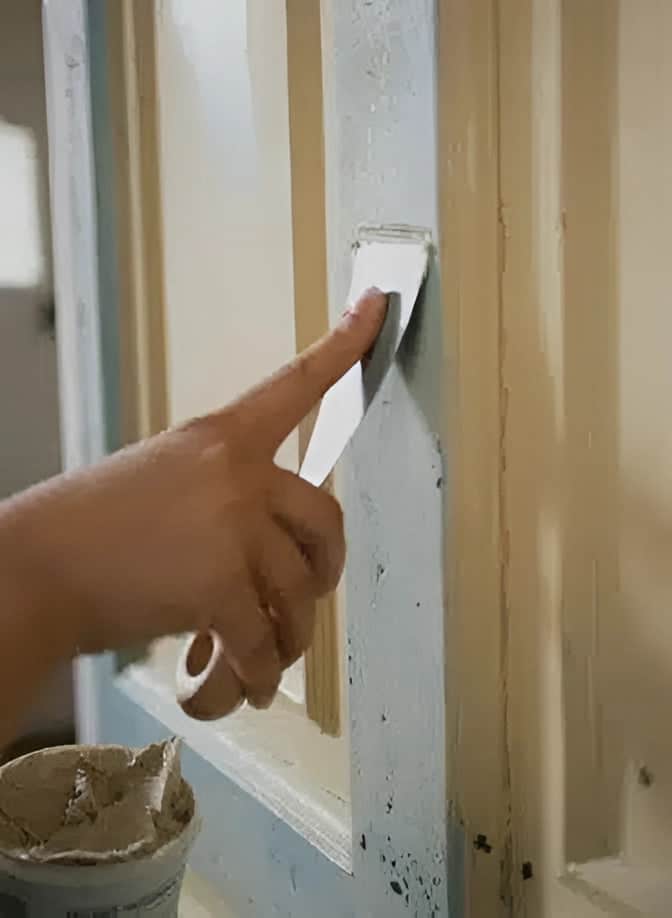
If the damage is a deep gouge or section loss, opt for CROP 2K Fiberglass Putty – 750 ml + Hardener. Mix components as instructed; apply with a spatula, slightly overfilling so it can be shaped after curing. Do not rush curing—wait for full hardening before touching or sanding the repair.
Step 4: Sand and Blend the Repair
Once the adhesive, mastic, or putty is completely cured, use fine-grit sandpaper to smooth the area. Feather edges into the surrounding statue to make repairs as seamless as possible. Match adhesive colour to statue if feasible—some products can be tinted with compatible dyes before application.
After sanding, gently wipe down the entire repaired zone again to remove dust. Take care not to remove surrounding finish or details by over-sanding.

Step 5: Finish and Protect the Surface
Depending on statue placement, consider applying a protective sealant or paint for colour matching and weather resistance. This step helps to blend the repair visually and guards against UV or moisture damage, particularly for outdoor sculptures. Follow sealant or paint manufacturer instructions, ensuring complete dryness before returning the statue to its usual environment.
Tips, Common Mistakes, and Troubleshooting
Handle all pieces gently—Never force joined sections, as marble resin can be brittle. Always allow repairs to cure entirely; premature sanding or handling weakens the result. Sand only after complete cure to ensure a glass-smooth, strong repair. For best visual results, use colour-matched adhesives and fill—test finish on an inconspicuous area first to check compatibility.
Before-and-After Results: Professional Restoration
Review dramatic before-and-after images showcasing expert repairs. Proper preparation and using specialist products produce repairs that are strong, subtle, and weather resistant.
- "Magelstick" – Epoxy Mastic for Stone, Metal, and Cement Bonding and Grouting"Magelstick" Epoxy Mastic is a professional-grade epoxy putty designed for durable bonding and grouting of stone, metal, and cement surfaces.
- "FixExpress" – Two-Component Epoxy Glue 500g£26.95"FixExpress" offers rapid repair and strong adhesion suitable for various materials, intended for careful restoration tasks.
 "Klebfix" – Two-Component Fast Epoxy Glue 2K, 25g Syringe£24.00The Klebfix epoxy glue sets rapidly and forms a clear, strong bond suitable for various materials in repairs related to marble resin statues.
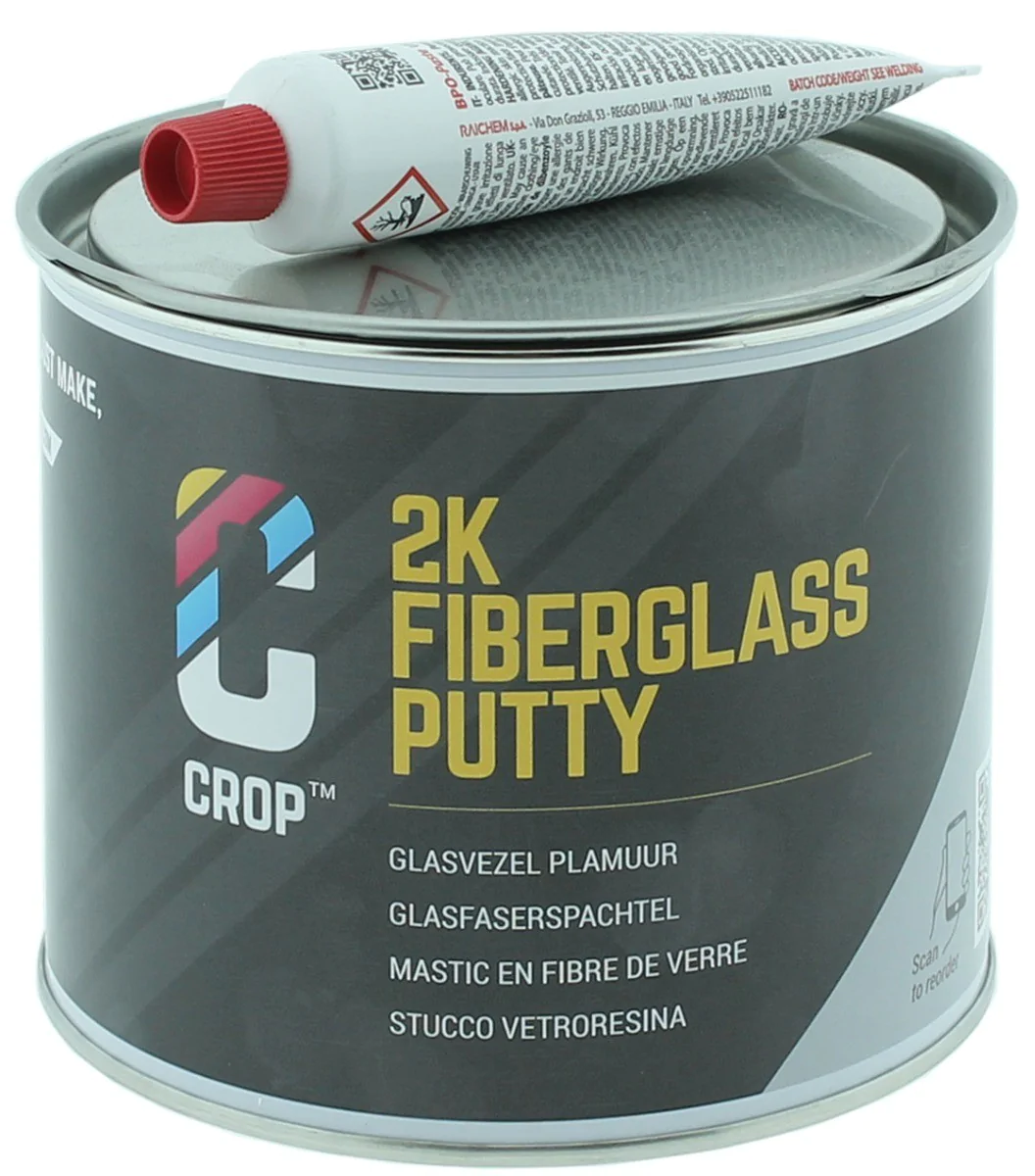 CROP 2K Fiberglass Putty – 750 ml + Hardener£15.85CROP 2K Fiberglass Putty is a reinforced polyester putty designed to fill cracks and dents with strength and durability, suitable for how to repair…
Frequently Asked Questions
Can I repair outdoor marble resin statues?
Yes, with weather-resistant adhesives and fillers, outdoor statues can be restored to handle climate exposure.
How long before the repaired statue is usable?
Most adhesives and filler products require full cure—usually 24 hours—before handling or displaying repaired statues.
Can I repair fine detail or complex breaks?
Yes, use fast-setting epoxy glue for small details and premium mastic or putty for rebuilding lost sculpture features.
How do I match adhesive colour to my statue?
Select a tintable epoxy or mastic to blend colour with your statue or use compatible dyes designed for use with adhesives.
Is fibreglass putty suitable for large gaps?
Yes, fibreglass reinforced putty is designed to fill and reinforce deep cracks or missing material in resin statues.
Do I need special tools for statue repairs?
For most repairs, only basic items such as gloves, spatula, fine sandpaper, and a clean cloth are necessary.