 Free shipping on orders over £29,85
  Shipping Tracking!


 Google
 Facebook
Can molds also be made with resin?
Understanding the right materials for durable, flexible moulds
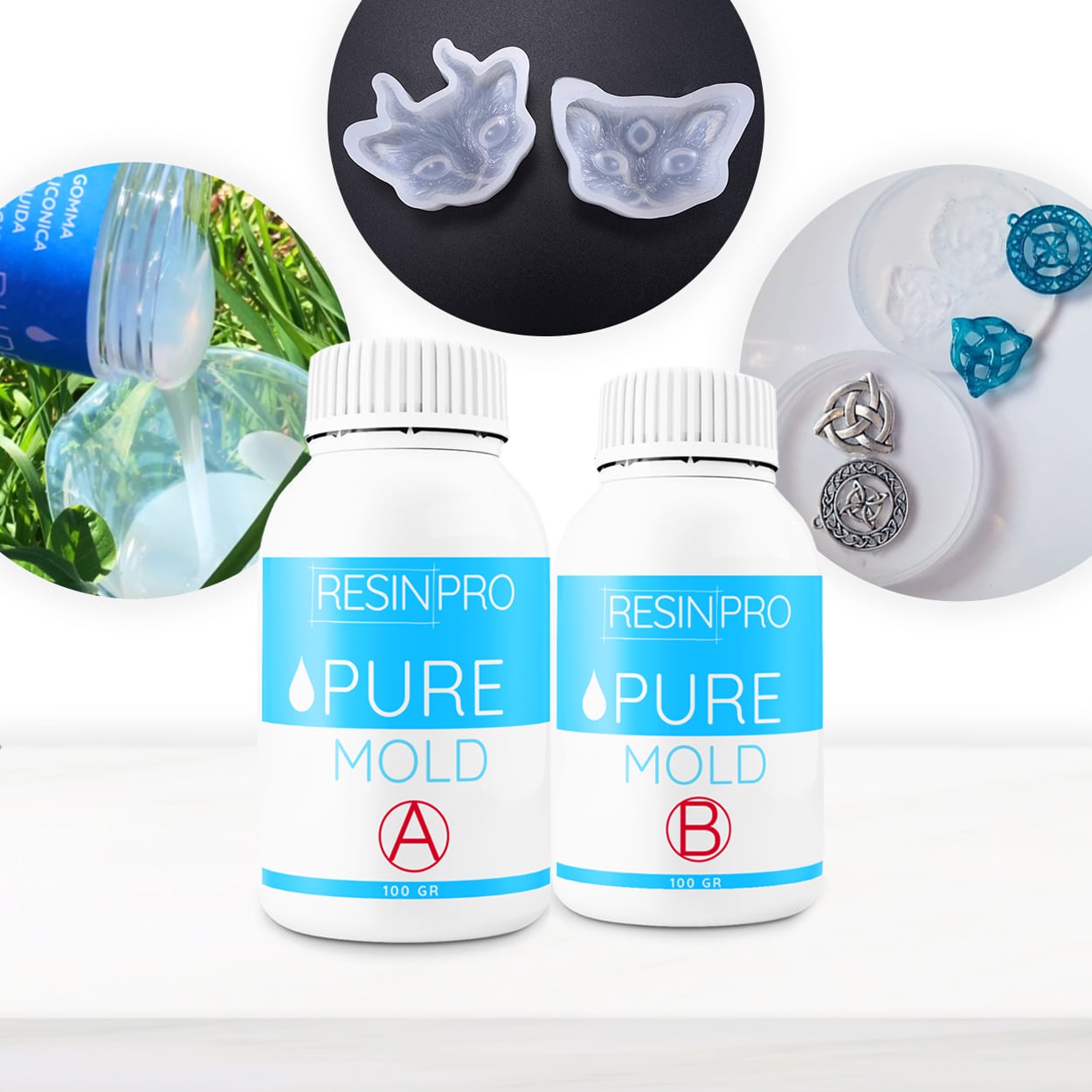
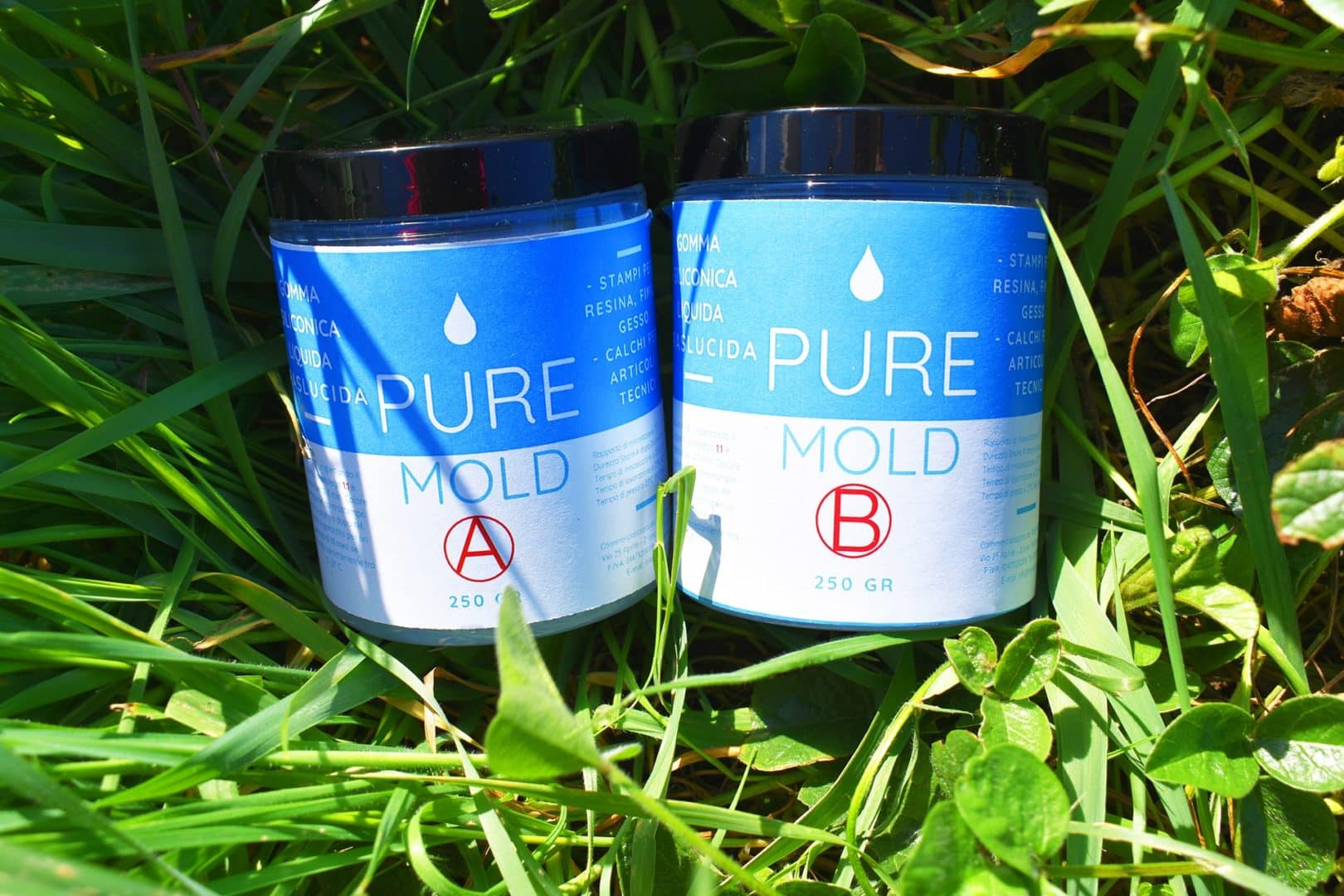
Curious about whether you can make your own moulds out of resin? This guide dives into the best materials for crafting detailed, flexible, and reusable moulds. We compare the use of resins and specialist silicone compounds, helping crafters, artists, and professionals choose the optimal solution for their DIY and commercial casting projects.
Choosing the Best Material for Mould Making
While it may seem tempting to create a mould directly with resin, the reality is that standard casting resins harden to a rigid, inflexible finish. This makes them unsuitable for most mould-making needs, especially where precision or undercuts are involved. In contrast, silicone rubbers offer the perfect blend of flexibility, detail reproduction, and durability required for high-quality, reusable moulds. Dedicated products like “Pure Mould” – Translucent Liquid Silicone Rubber for Mould Making are designed specifically for this purpose, ensuring both ease of use and superior results. If you want a mould that is easy to demould, compatible with epoxy or polyester resins, and durable for multiple uses, silicone is the preferred option over resin.
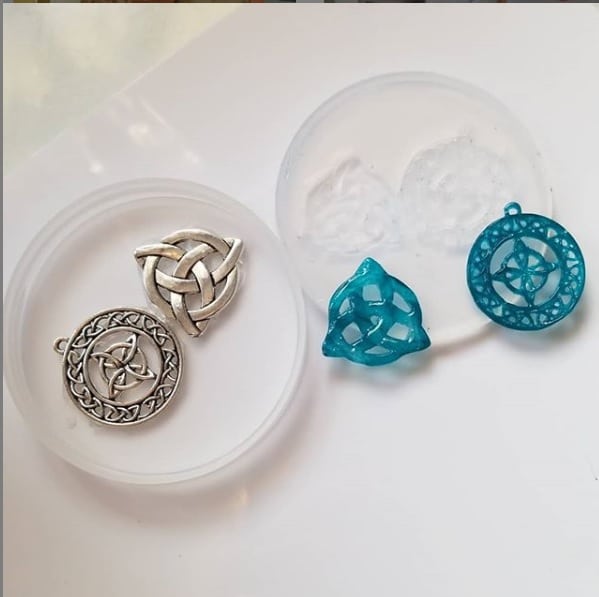
How Silicone Outperforms Resin for Mould Making
Silicone rubber provides the essential flexibility and detail retention needed for casting applications that resin cannot match. For repeated mould use and intricate castings, silicone ensures ease of demoulding and a long lifespan—critical aspects that resins, due to their rigidity, simply cannot provide.
“Pure Mould” – Translucent Liquid Silicone Rubber for Mould Making
PLATINUM BASED TRANSLUCENT AND FAST CASTING LIQUID SILICONE RUBBER FOR MOULDS
“Pure Mould” – Translucent Liquid Silicone Rubber for Mould Making brings together a unique combination of translucency, mechanical resistance, and easy handling. Its innovative formula is compatible with a wide range of casting materials, including various resins, plaster, cement, and more. The transparency of this silicone rubber enables you to observe the casting process within the mould, which is especially beneficial when working with resin projects requiring accuracy.
Key features: easy 1:1 mix ratio, quick curing in around 3–8 hours, reduced shrinkage, solvent-free, odourless, and certified non-toxic. This platinum-based silicone is ideal for both hobby and professional use, ensuring the creation of reusable, detailed moulds for years to come. Its cruelty-free and vegan-friendly status makes it a thoughtful choice for all makers.
Why Not Just Use Resin for Making Moulds?
Standard casting resins such as epoxy, polyester, or polyurethane, cure to a very rigid final state. While these materials excel as casting mediums for artwork, jewellery, and river tables, they do not offer the flexibility necessary for removing intricate castings from a mould. Attempting to use resin to create a mould almost always results in breakage—either of the mould or the finished piece. Silicone rubbers, on the other hand, exhibit both stretch and ‘memory’, snapping safely back into shape with no loss of detail, even after repeated use. This makes them the professional’s choice for mould making, whether using silicone rubbers for artistic, decorative, or industrial applications.
Extra Care for Your Silicone Moulds
To keep your silicone rubber moulds in peak condition, always clean them with mild soap after use and let them dry completely before storing. Avoid using sharp objects that could scratch the surface and do not expose the moulds to heat sources or direct sunlight, which can significantly reduce their service life.
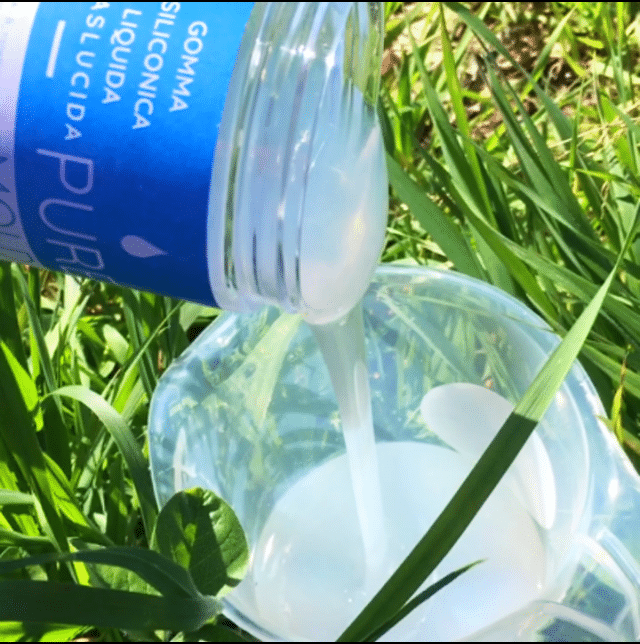
Top Tips for Reliable Resin Casting Moulds
When aiming for the highest quality results in resin casting, always select a specialised silicone rubber for your mould. Ensure you fully degrease and clean your master object before pouring your mould material, and avoid rushing the curing process—silicone like Pure Mould offers fast yet thorough cure cycles. Always mix in precise 1:1 ratios, and gently remove bubbles by tapping your mould or using a vacuum chamber if working with high-detail objects. Storing your finished silicone moulds flat and away from direct sunlight will further extend their service life and preserve detail for future projects.
Frequently Asked Questions
Can resin be used to make its own moulds?
Standard resin is too rigid for most mould-making needs. Silicone rubber is strongly preferred due to its flexibility and ease of use.
What is the difference between a resin mould and a silicone mould?
Silicone moulds are flexible, reusable, and deliver detailed results, while resin cures hard and cannot flex for easy demoulding.
Why is silicone rubber the preferred material for making moulds?
Silicone combines flexibility, strength, and detail accuracy—making it ideal and cost-efficient for repetitive casting with resins.
Is Pure Mould silicone rubber suitable for waxes and 3D printed pieces?
Yes, it is excellent for detailed moulds, including wax injection and 3D-printed resin masters, with only minor shrinkage for large casts.
How long does a silicone mould made with Pure Mould last?
With proper care, Pure Mould silicone moulds can last significantly longer than standard rubbers—typically over 30% longer.
What materials are suitable for casting into Pure Mould silicone?
It is compatible with epoxy resins, polyester, polyurethanes, acrylics, cements, plasters, and more.
Is Pure Mould silicone rubber safe to use?
Yes. It is certified non-toxic, solvent-free, odourless, and made in Italy with a safety certificate.