 Free shipping on orders over £29,85
  Shipping Tracking!


 Google
 Facebook
How do you apply epoxy primer?
Step-by-step guide to durable, professional epoxy priming

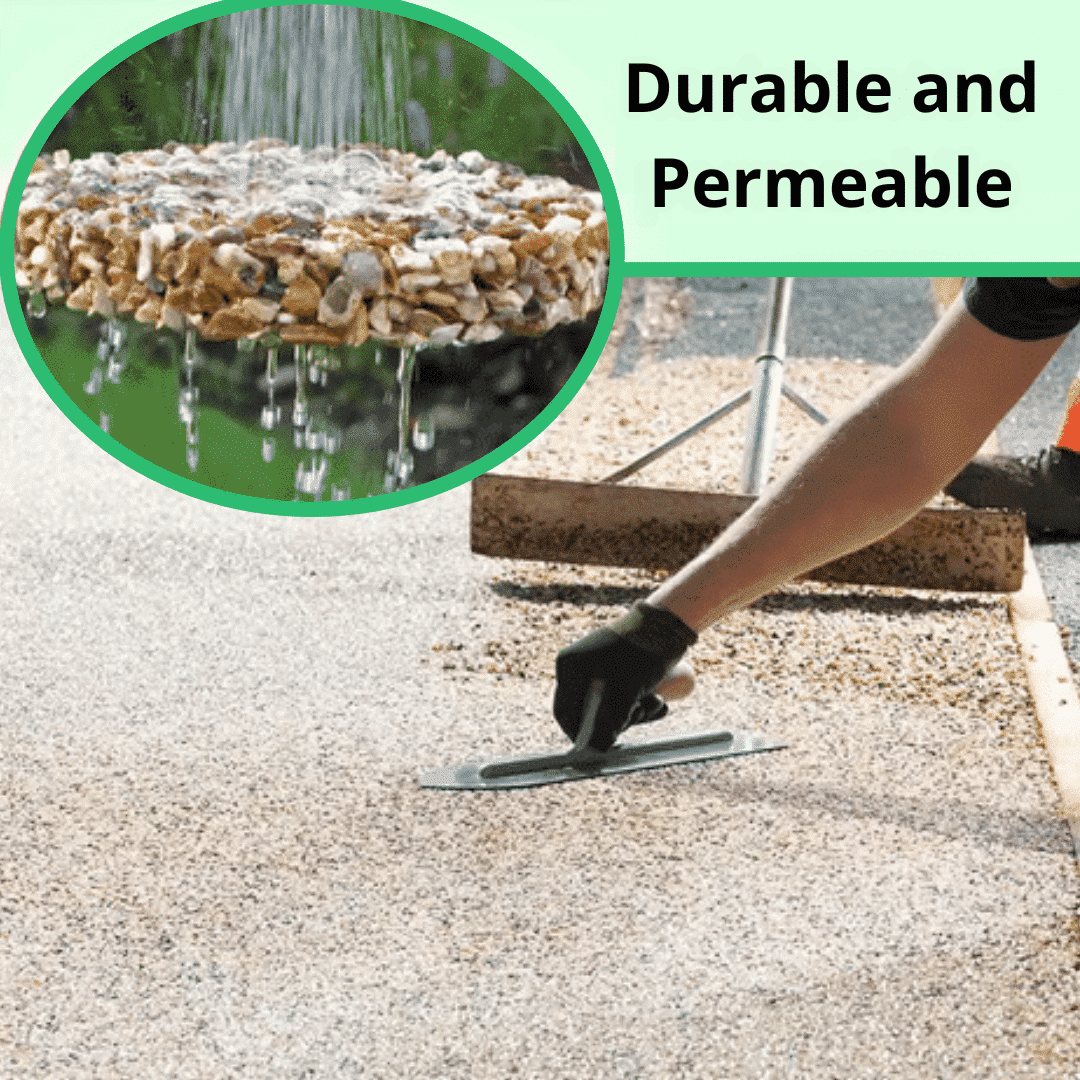
Applying epoxy primer properly is fundamental for achieving a professional, long-lasting finish on floors of concrete, wood, tile or screed. Whether you are preparing a surface for a premium epoxy resin coating or a decorative pebble system, following the right technique ensures durability, optimal adhesion and a smooth base for all your flooring projects.
What You’ll Need
- “Epoxyprimer” – Universal Water-Based Two-Component Epoxy Floor Primer — for priming floors before resin application
- Protective gloves and eyewear
- Paint roller, brush or spatula
- Mixing container and stirring stick
- Mop or vacuum (for surface cleaning)
- Masking tape (to protect adjoining surfaces)
- Drop cloths or sheeting

Essential Tools and Safety for Epoxy Priming
Wearing gloves and eyewear is crucial when working with two-component epoxy primers. Prepare your workspace by ventilating well and protecting adjacent surfaces with masking tape and drop cloths. A quality roller or brush is recommended for smooth, consistent coverage.
Step 1: Prepare the Surface
Begin by ensuring that the floor is completely clean, dry and free of dust, oils, debris or previous coatings. Any contamination can compromise primer adhesion. For concrete or tile, a vacuum and mop may be used, while timber surfaces should be degreased and lightly sanded if necessary. Use masking tape to shield baseboards, walls, or adjoining areas from accidental drips.
Pay close attention to cracks or holes; repair them before proceeding. Allow all cleaning agents or patch repair products to fully cure, as any trapped moisture or soft spots can weaken the primer bond.
Step 2: Mix the Epoxy Primer
Epoxy primers like “Epoxyprimer” – Universal Water-Based Two-Component Epoxy Floor Primer are supplied in two components. Measure the components precisely according to the instructions (for this product, a mixing ratio of 100:40 by weight). Pour both parts into a clean container and stir slowly and thoroughly for several minutes until the mix is uniform and streak-free.
Do not mix more product than you can apply within the pot life stated on the packaging. Proper mixing ensures a uniform cure and avoids tacky or underperforming spots on your substrate.
Step 3: Apply the Primer Evenly
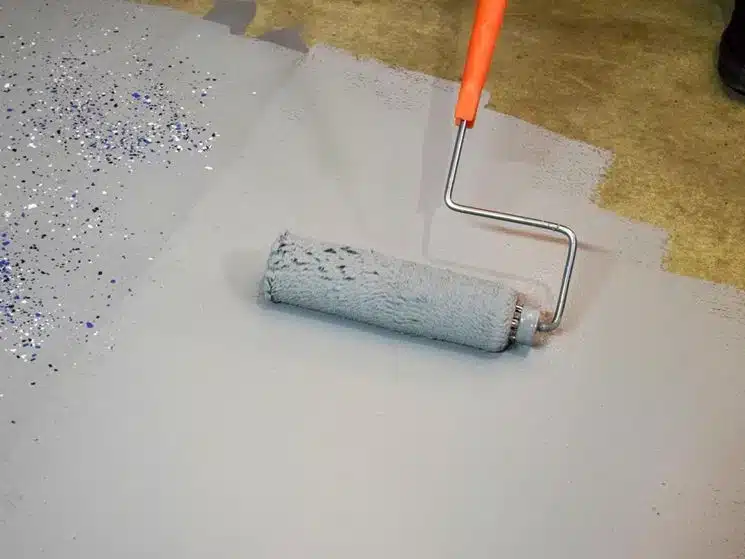
Pour or dip your roller, brush, or spatula into the mixed primer and apply a thin, even layer across the surface. Work methodically in small sections, maintaining a wet edge at all times. Be attentive to coverage rates (100–300 g/m², depending on surface type and porosity).
Work the primer into textured or porous areas for full penetration and leave no pooling or puddling. If required, apply a second thin coat after the first has dried to touch, particularly for highly absorbent or uneven floors.
Step 4: Allow for Proper Curing
After application, allow the primer to cure fully for 24–48 hours at room temperature as specified by the manufacturer before applying any further resin coatings or flooring materials. Avoid heavy traffic, cleaning, or exposure to moisture during this period.
Good ventilation supports curing but avoid rapid drafts or direct sunlight, which may unevenly dry the surface. Only proceed to subsequent flooring steps once the primer feels fully dry and tack-free.

Tips, Common Mistakes and Troubleshooting
Tip: Always check substrate suitability—avoid using epoxy primer on metal or plastic unless expressly rated for such surfaces. Ensure the space is dust-free before and during application.
Common mistakes: Skipping thorough surface cleaning, under- or over-diluting the mixture, and applying in a thick layer can result in poor adhesion or uneven finishes. Measure, mix and spread according to product recommendations for the best outcomes.
If bubbles, blushing or patchiness appear, it usually relates to poor substrate preparation or humidity issues—lightly sand and reapply primer if necessary for touch-ups.
Technical Advice for Seamless Epoxy Primer Results
Ensure consistent temperature and humidity during application for optimal curing. Always follow the recommended mixing ratio, and never rush the curing time between coats or before laying the next resin system. If unsure, test the primer on a discreet patch first.

- "Epoxyprimer" – Universal Water-Based Two-Component Epoxy Floor PrimerPrice range: £156.45 through £286.45Epoxyprimer is a water-based two-component floor primer designed for strong adhesion on concrete, wood, tiles and screeds.
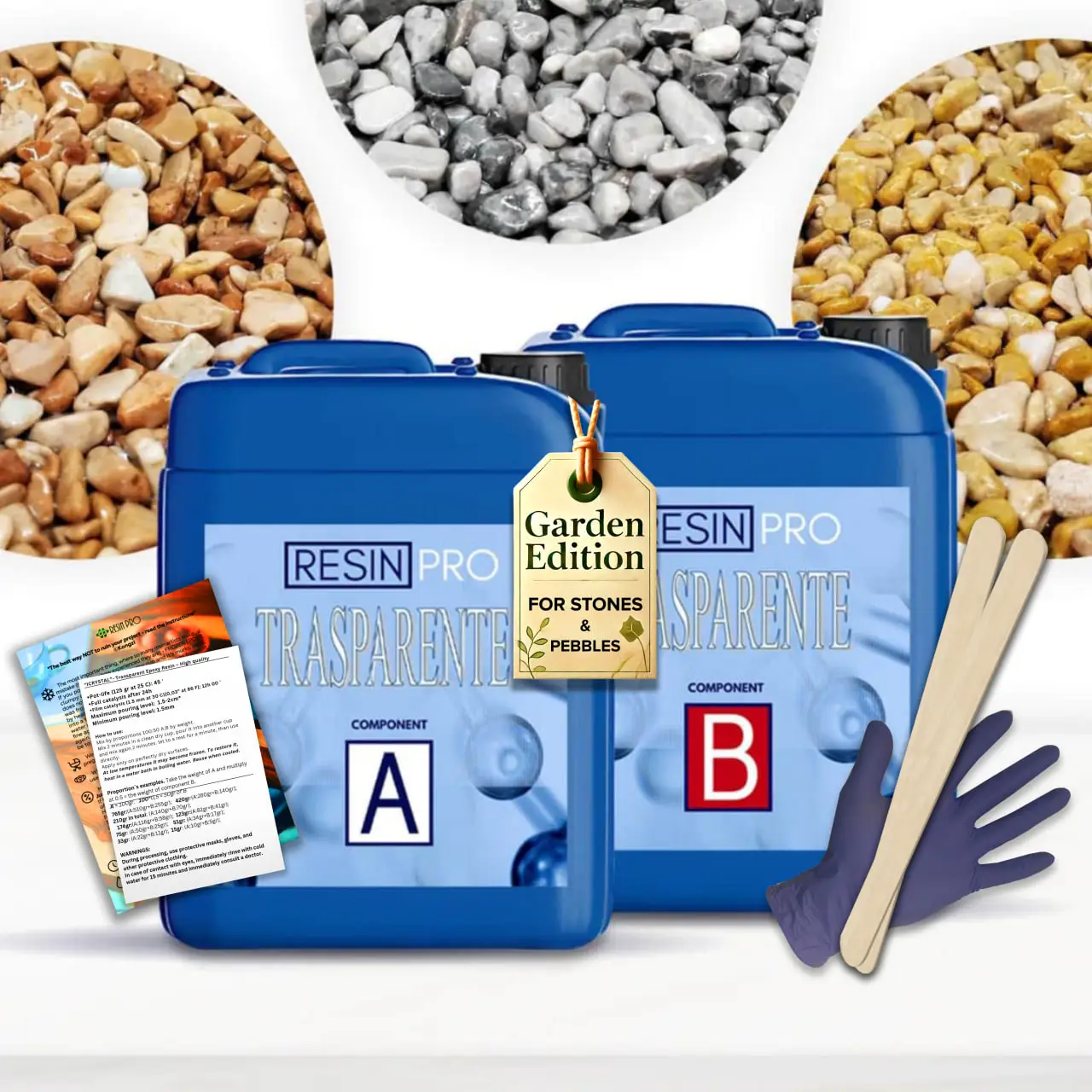
- "Trasparente" – Epoxy Binder for Coloured Pebbles and GritsPrice range: £33.45 through £397.95"Trasparente" is a transparent epoxy binder designed for coloured pebbles and grits, providing a clear finish suitable for flooring projects.
- "Flowstone" – Complete Permeable Floor Kit with Pebbles and ResinPrice range: £49.95 through £3,915.45Flowstone kit provides guidance for durable, permeable pebble and resin flooring with suitable resin types for colour integrity.
Frequently Asked Questions
What surfaces can epoxy primer be used on?
Epoxy primer is ideal for concrete, tile, screed, and timber floors. Avoid use on metals or plastics unless specified.
How long should epoxy primer cure before applying epoxy resin?
Allow 24–48 hours curing at room temperature for best adhesion before applying further resin or decorative coatings.
Is a roller or brush better for epoxy primer?
Both are suitable. Rollers cover larger areas quicker; brushes are helpful for edges or corners.
Do I need safety gear for applying epoxy primer?
Yes, gloves, protective eyewear and good ventilation are important to ensure safe handling and application.
How should I prepare a floor for epoxy primer?
Clean surfaces thoroughly, repair cracks, and use masking tape to protect adjoining areas before priming.
What if the epoxy primer finish is patchy or uneven?
Sand lightly, clean off dust, and reapply a thin primer coat after checking surface dryness.