 Free shipping on orders over £29,85
  Shipping Tracking!


 Google
 Facebook
How does resin harden?
Comparing UV, epoxy, and polyurethane curing methods
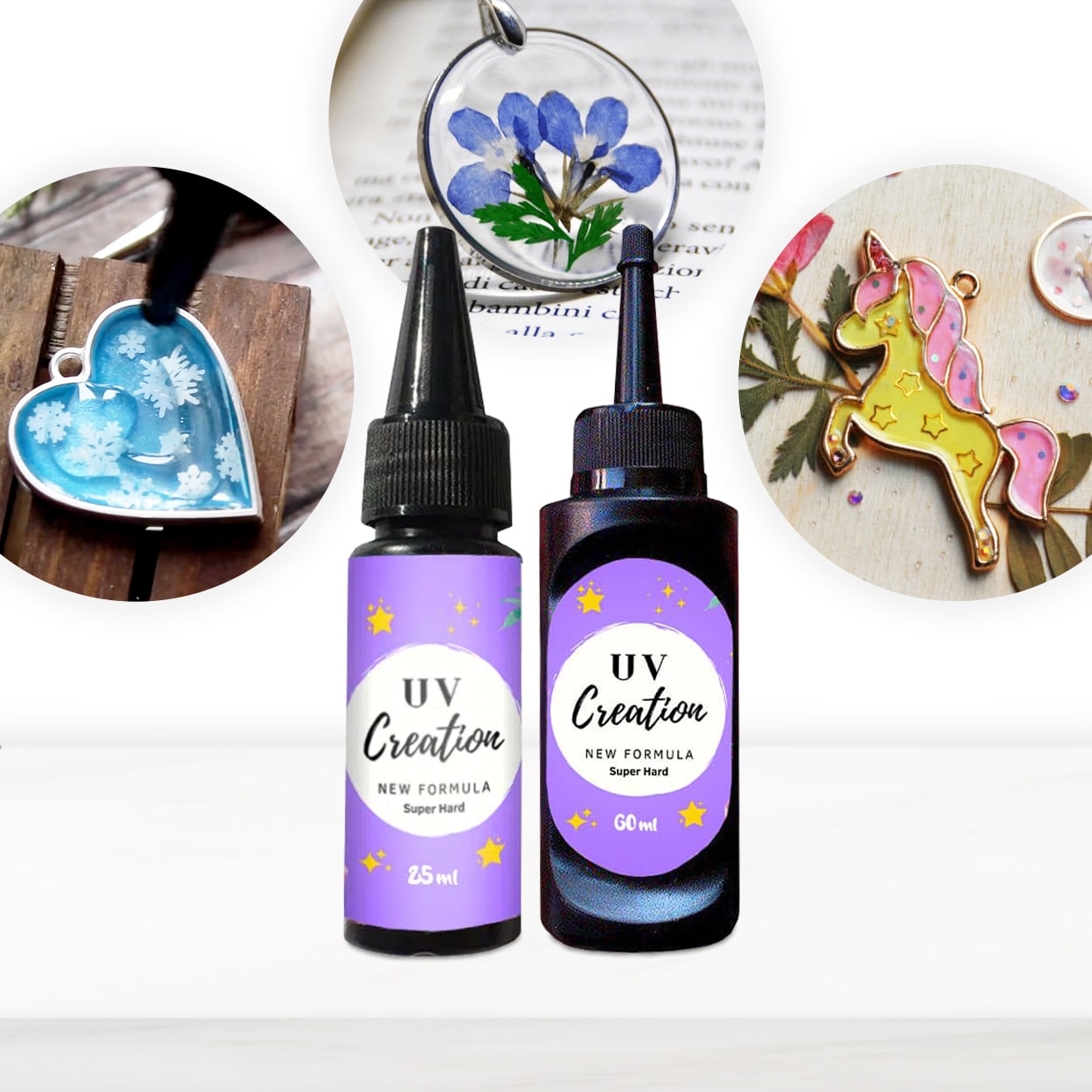
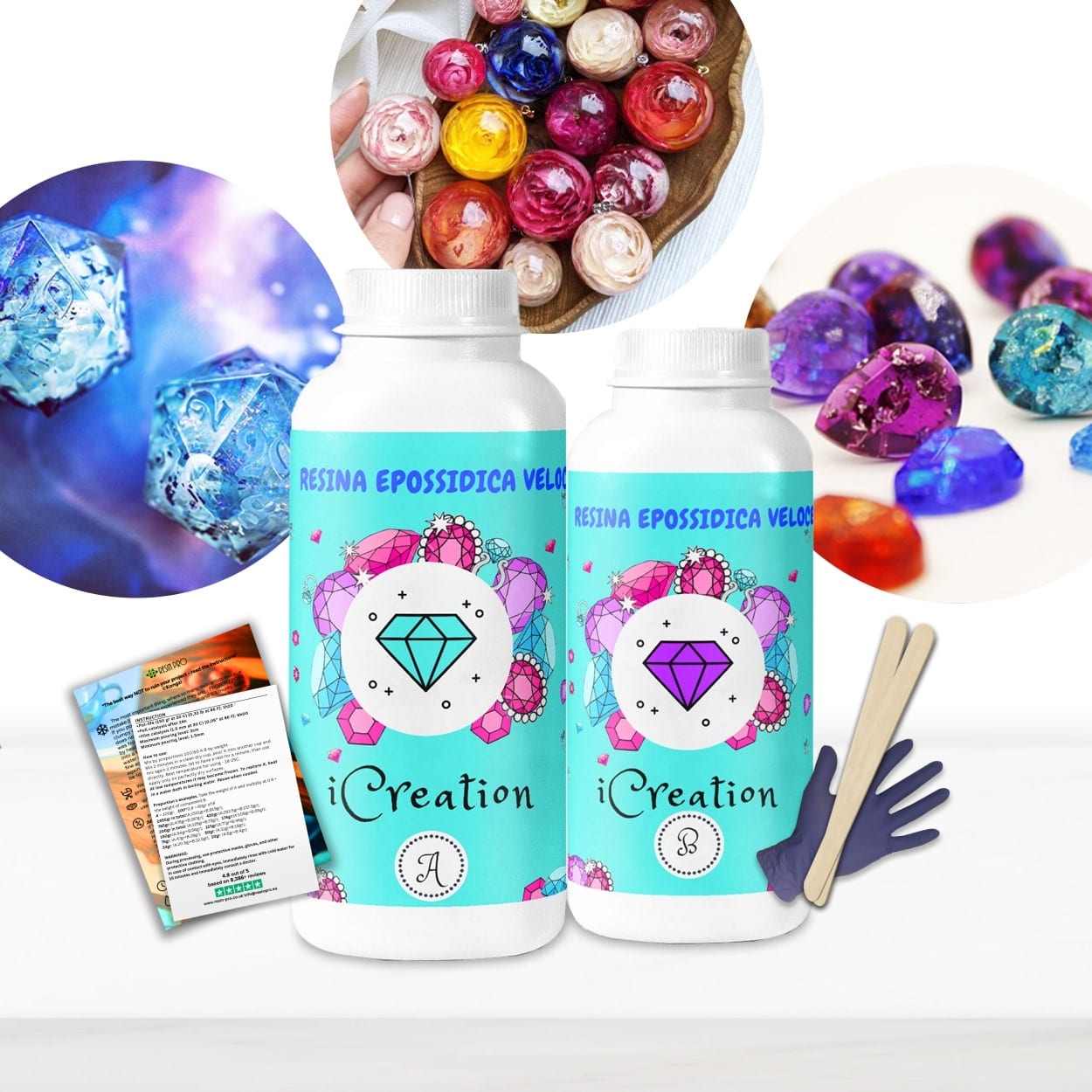
Understanding how resin hardens is essential for artists, crafters, and makers who want reliable, beautiful, and long-lasting results. This guide explores the fundamental resin curing processes—comparing UV, epoxy, and polyurethane resins—and helps you select the best option for your creative or practical project.
Resin Hardening Overview: Curing Mechanisms and Key Differences
Resin hardening relies on specific curing mechanisms, each suited to a unique set of applications. Instant curing UV resins harden rapidly under focused light, while epoxy and polyurethane systems depend on chemical reactions between two components for a solid, durable finish. The main differences are curing speed, application thickness, clarity, and handling requirements. Deciding between these options depends on timing, project type, and the quality of results desired.
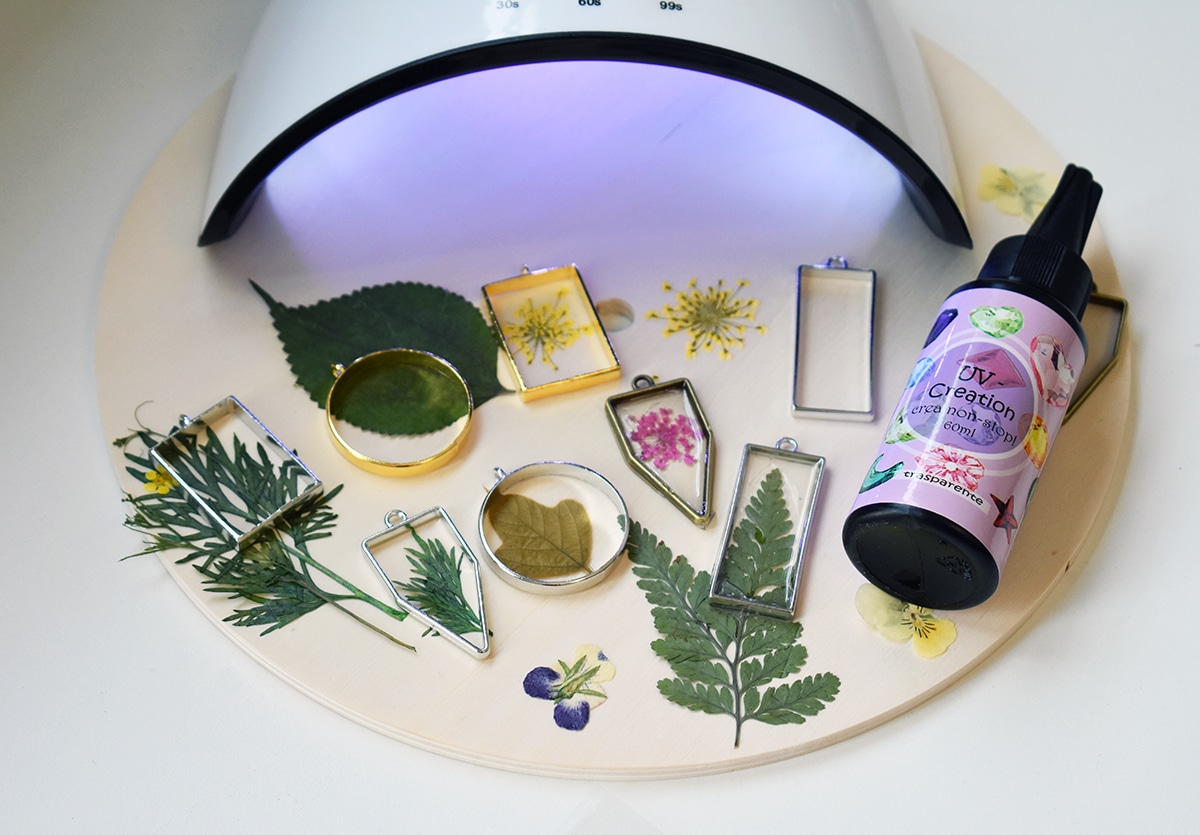
Visual Guide: Resin Curing in Action
Observe the curing differences between UV, epoxy, and polyurethane resins by examining the typical outcomes. Notice the instant setting of UV resin, the gradual but reliable hardening of epoxies, and the swift demoulding possible with polyurethane casting resins. Technique and material selection affect transparency, surface finish, and detail reproduction.
Fast Curing Under UV Light: “UV–Creation” – Fast Acrylic Resin, 3 Minute UV Cure
“UV–Creation” – Fast Acrylic Resin, 3 Minute UV Cure offers a one-component solution that hardens in just 2–3 minutes under a UV lamp. This process is ideal for those who want a non-yellowing, crystal-clear finish in minimal time—especially valued by jewellery makers and crafters. No mixing is required: simply apply, expose to light, and your project is solid—no sticky residue or extended wait. If rapid turnaround and high clarity matter, UV resin is highly efficient for moulded pieces and thin layers.
Epoxy System: “ICreation” – Fast Epoxy Resin, 6h Demoulding, Transparent Gloss Finish
The “ICreation” – Fast Epoxy Resin, 6h Demoulding, Transparent Gloss Finish exemplifies two-part epoxies designed for a super-fast catalysis and 6-hour demoulding time. Epoxy resins cure through the chemical reaction of resin and hardener, giving you more working time compared to UV options but much faster turnaround than traditional systems. A 2:1 mixing ratio ensures easy preparation. This transparent, glossy surface is perfect for both beginners and seasoned crafters aiming to balance speed, clarity, and resilience in their pieces.
Simple Mixing for All Levels: “One-2-One” – Epoxy Resin for Handcraft, 1:1 Mixing Ratio
For crafters who prefer straightforward, error-free measuring, “One-2-One” – Epoxy Resin for Handcraft, 1:1 Mixing Ratio offers a consistently reliable result. Its equal-parts mixing ratio endears it to both newcomers and experienced makers, while the non-toxic formulation enables safe working in various environments. The resulting crystal clear, super-glossy finish makes it a favourite for jewellery, cabochons, and coatings. It cures via a chemical reaction similar to other epoxies, but is particularly valued for its user-friendly application.
Precision Casting: “IWhite” – Polyurethane Casting Resin – White, Fast-Curing Two-Part System
If your focus is rapid prototyping, model making, or detailed casting, “IWhite” – Polyurethane Casting Resin – White, Fast-Curing Two-Part System will appeal. This two-part polyurethane resin sets in about 30 minutes, much quicker than most epoxies. Its fast-setting capability is matched by its ability to capture fine details and remain colourable and paintable. Professionals and serious hobbyists depend on its efficient hardening and precision, particularly when time and accuracy count.
Choosing the Right Resin for Your Project
Each resin type has a unique hardening profile, so it pays to know what best suits your goals. For the fastest results, a UV resin is ideal, provided your application is thin and you have access to the correct light source. Epoxy resins offer greater depth and durable results with a balance of speed and finish quality, with some, like ICreation, enabling quicker demoulding. Polyurethane resins like IWhite are fast-curing solutions favoured where detail and working speed are vital. Consider curing time, ease of use, and post-cure handling to ensure a smooth experience from start to finish.
Pro Tips for Flawless Resin Hardening
For optimal hardening always follow precise ratios and recommended cure times. Use UV resins in thin layers, mix epoxy or polyurethane thoroughly, and work within manufacturer guidelines for your chosen system to avoid sticky surfaces or cloudiness. Choosing the right environment and curing method minimises common flaws and maximises project satisfaction.

- "UV–Creation" – Fast Acrylic Resin, 3 Minute UV CurePrice range: £8.45 through £62.95"UV–Creation" UV resin cures quickly under UV light for crafting jewellery with a clear, glossy, non-yellowing finish.
- "ICreation" – Fast Epoxy Resin, 6h Demoulding, Transparent Gloss FinishPrice range: £15.95 through £55.95ICREATION fast epoxy resin cures quickly to a transparent glossy finish, suitable for jewellery and crafts under the theme How does resin harden?
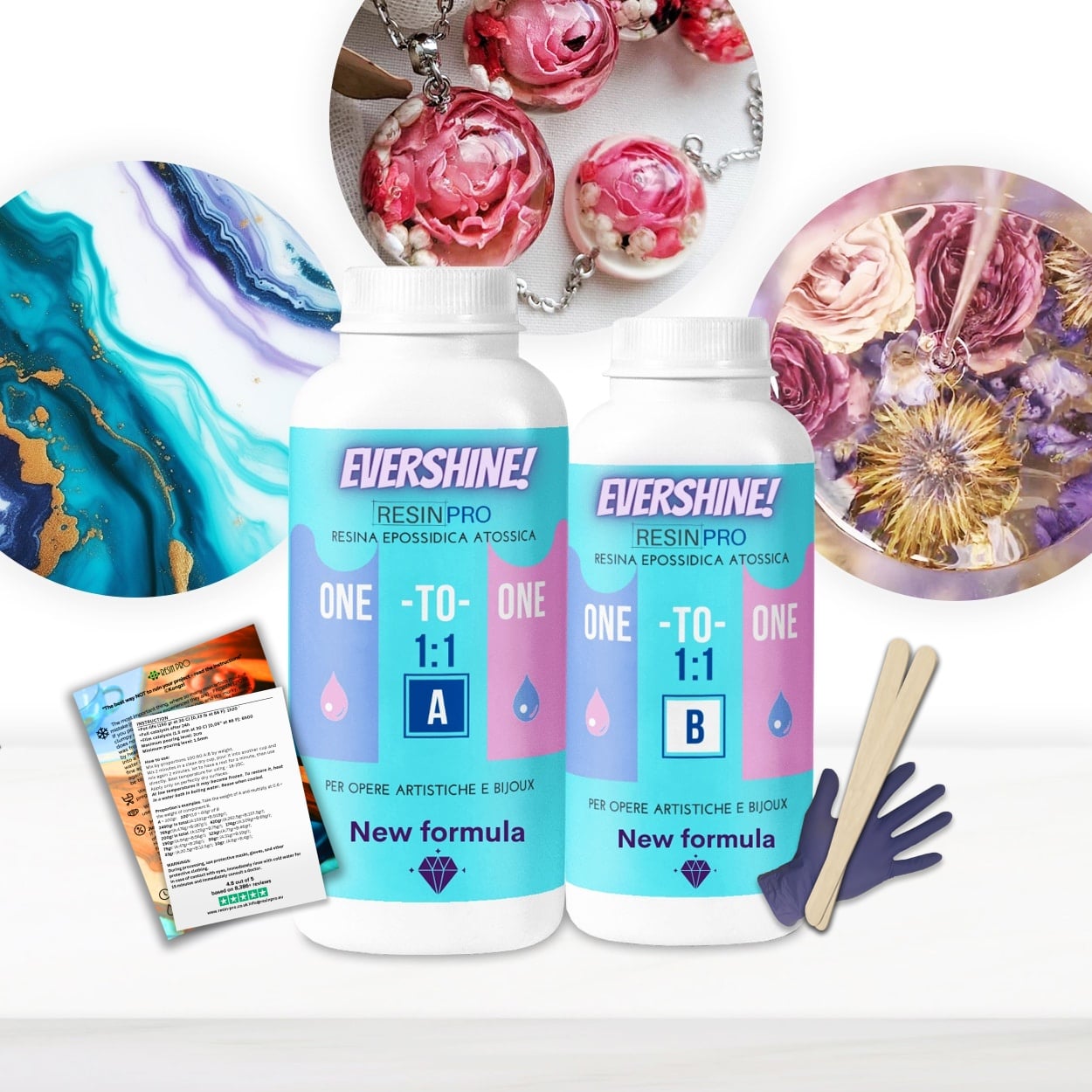 "One-2-One" – Epoxy Resin for Handcraft, 1:1 Mixing RatioPrice range: £15.95 through £59.95This 1:1 mixing ratio epoxy resin offers a clear, glossy finish suitable for handcraft jewellery and decorative uses.
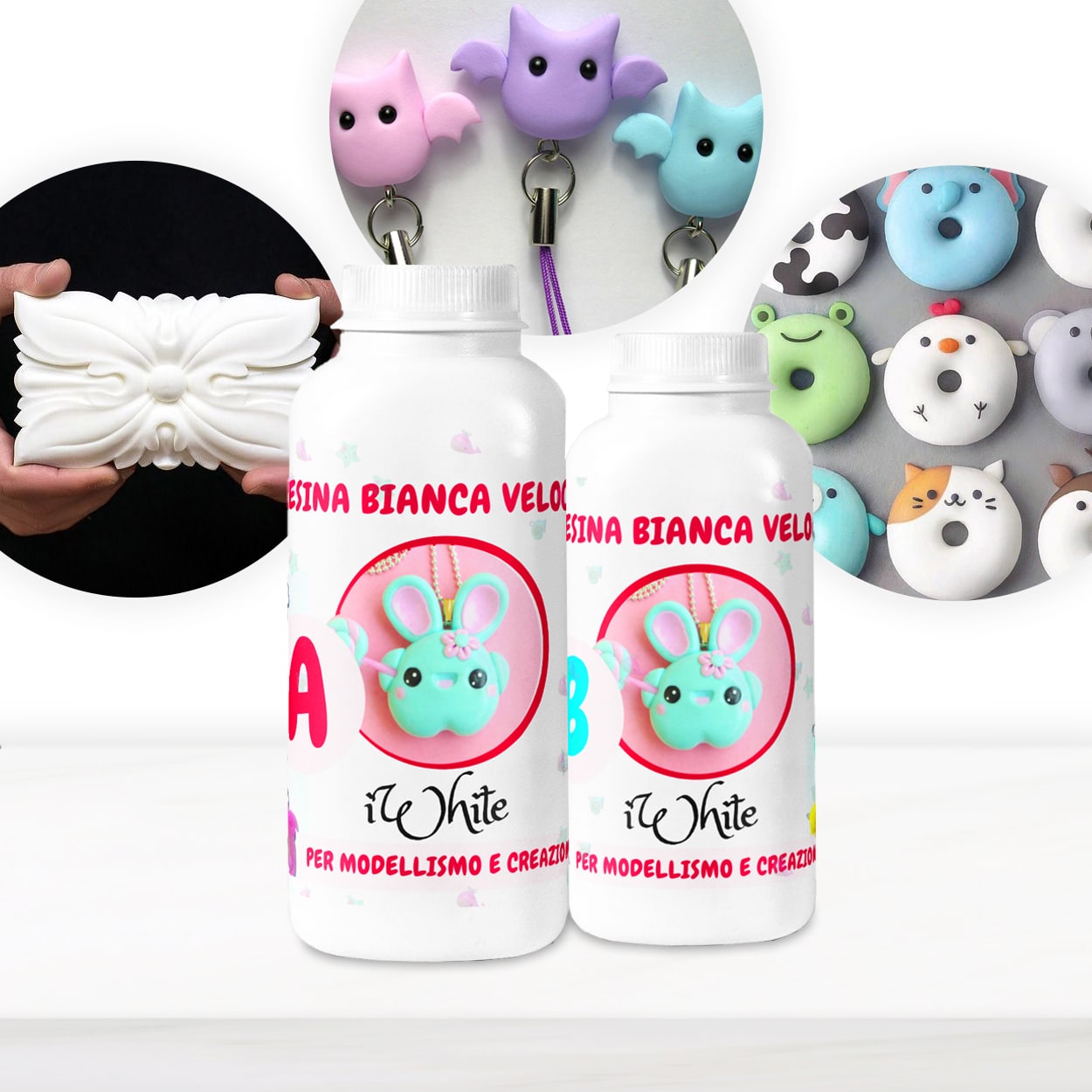 “IWhite” – Polyurethane Casting Resin – White, Fast-Curing Two-Part SystemPrice range: £24.00 through £36.95IWhite polyurethane casting resin is a fast-curing two-part system designed for detailed modelling and rapid prototyping.
Frequently Asked Questions
How does UV resin cure and harden?
UV resin hardens instantly when exposed to UV light, curing in just a few minutes depending on lamp strength and layer thickness.
How long does epoxy resin take to harden?
Fast-acting epoxies can demould in 6 hours and fully cure in 12 hours, but standard types may need 24–48 hours for a complete cure.
How quickly does polyurethane casting resin harden?
Polyurethane casting resins typically set in about 30 minutes and are ideal for rapid prototyping and models requiring fast turnaround.
Which resin offers the quickest hardening results?
UV resin cures the fastest, solidifying within 2-3 minutes under UV light, while polyurethane systems set in around half an hour.
What is the main difference between UV and epoxy resin hardening?
UV resin uses light to cure instantly, while epoxy resin relies on a chemical reaction between two mixed components for gradual hardening.
Why might resin stay sticky after curing?
Stickiness usually results from incomplete mixing, inaccurate ratios, or insufficient curing time or light exposure for UV types.
What precautions should be taken when curing resin?
Wear gloves and eye protection and ensure good ventilation, especially with two-part polyurethane or epoxy systems before full cure.