 Free shipping on orders over £29,85
  Shipping Tracking!


 Google
 Facebook
How to prepare two-component epoxy putty?
Expert guide to mixing and applying epoxy putty for repairs
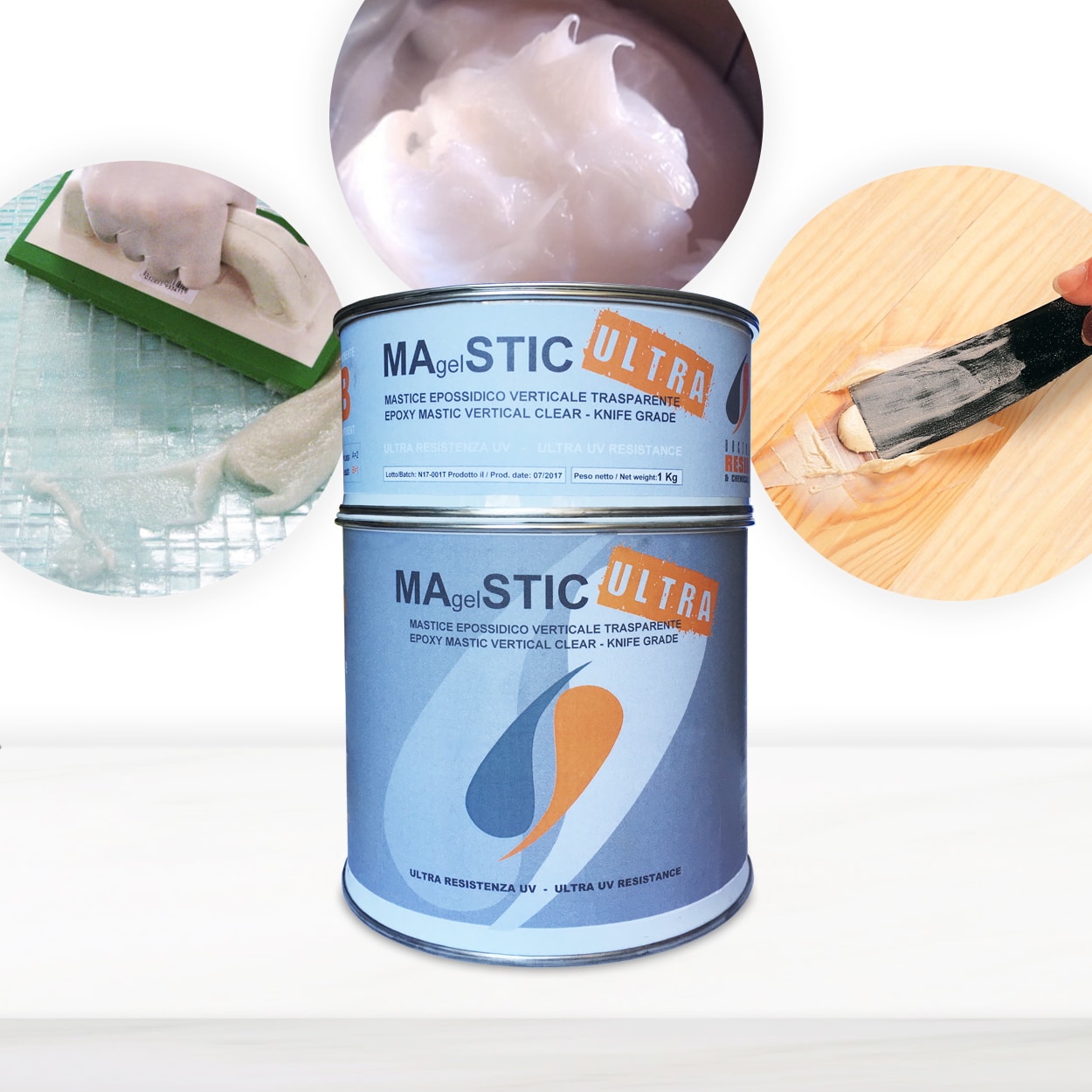
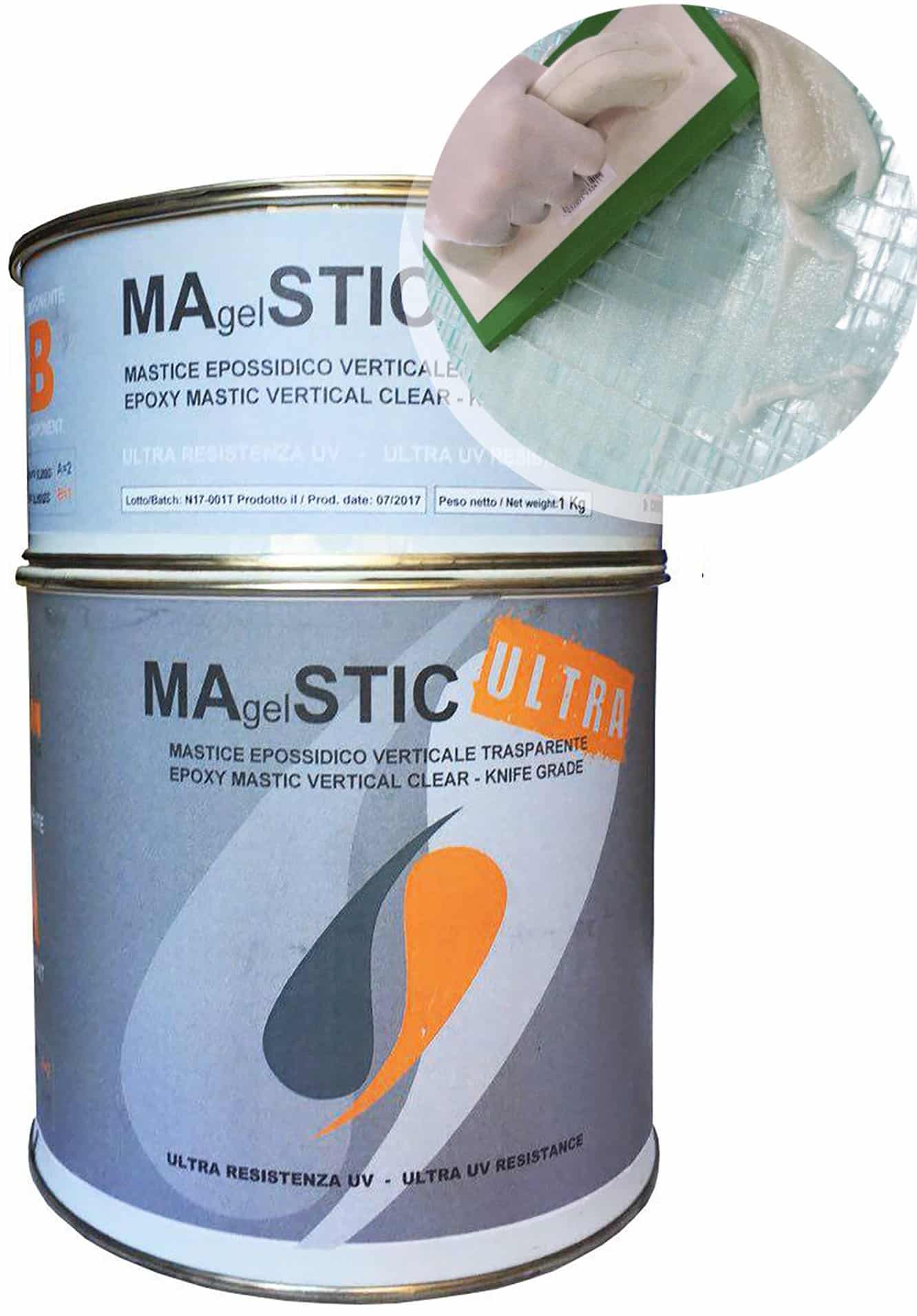
Preparing two-component epoxy putty is essential for achieving strong, precise repairs on stone, metal, cement, plastics, and more. This guide covers the key steps to properly measure, mix, and apply epoxy putty, so your repairs bond effectively and last. Whether you are a professional mason, a home renovator, or an avid DIYer, mastering these techniques will ensure professional-quality results, every time.
What You’ll Need
- “Magelstick” – Epoxy Mastic for Stone, Metal, and Cement Bonding and Grouting – for precision grouting and stone or metal repair
- “Klebfix” – Two-Component Fast Epoxy Glue 2K, 25g Syringe – for fast, versatile bonding on small repairs
- “FixExpress” – Two-Component Epoxy Glue 500g – for rapid setting and strong adhesion across materials
- “Mixer Nozzle” – For Mixing Epoxy Glue, 50ml, Araldite 2000 Series Compatible – for thorough blending of two-part epoxies
- Protective gloves and eye protection
- Mixing spatula or flat tool
- Clean mixing surface, like a disposable board or tray
Essential Tools for Mixing Epoxy Putty
Use accurate measuring tools and mixing implements for best results. Choose a clean, disposable surface to mix your components, and always have gloves and protective eyewear ready to ensure your repair is both precise and safe.
Step 1: Measure the Components Accurately
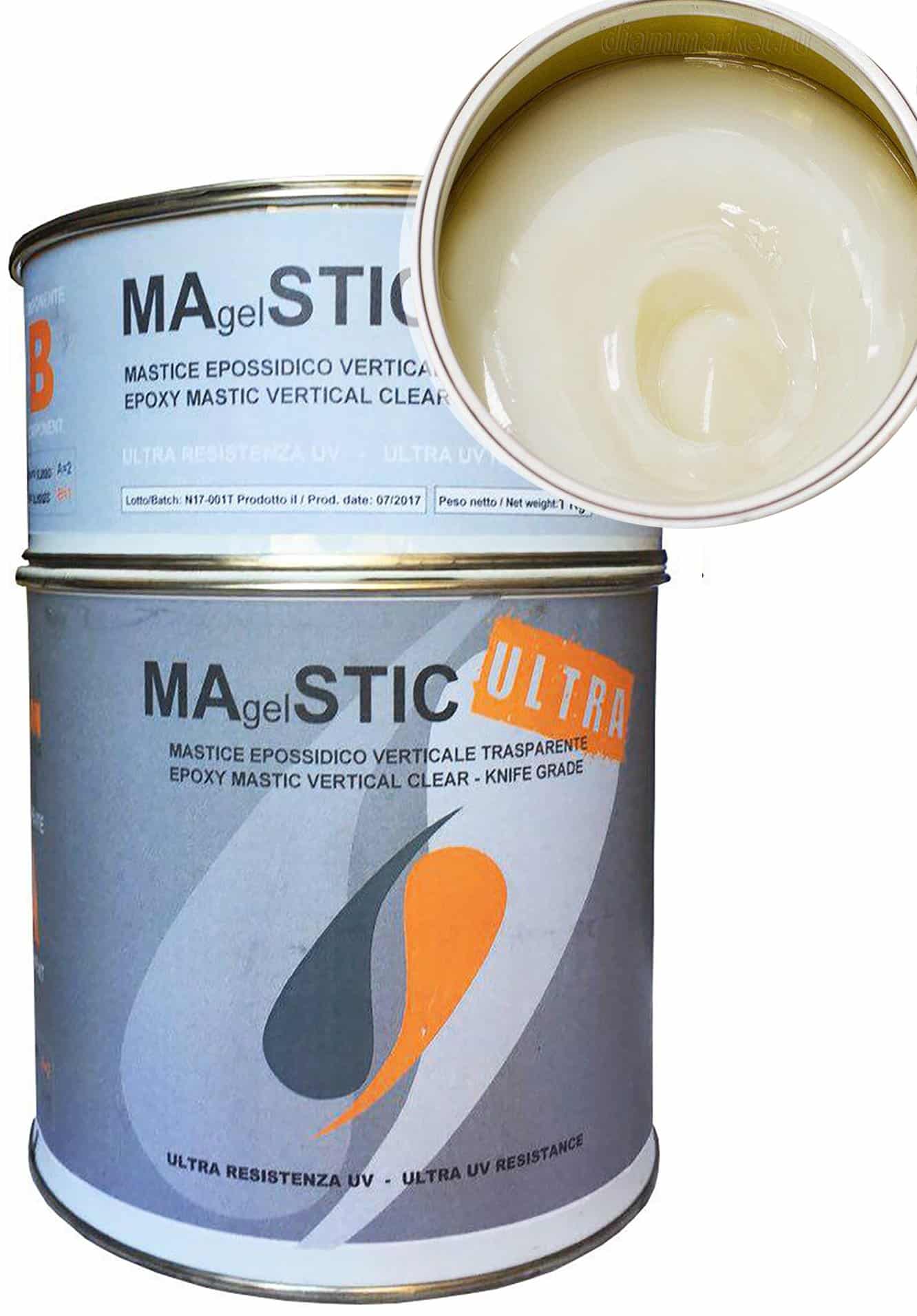
Accurate measurement is crucial to ensure the epoxy putty cures properly and achieves its intended strength. Carefully measure each component based on the product instructions—some epoxies require a 1:1 ratio, while others use unique measurements like 100:50 by weight. Use precise tools such as measuring spoons, syringes, or kitchen scales and avoid estimating by eye, as inaccuracies can result in a sticky or brittle mix.
Prepare only the amount needed for your repair, as epoxy mixtures begin curing once combined and have a limited working time. If you are using pre-filled cartridges—like those requiring a Mixer Nozzle – For Mixing Epoxy Glue, 50ml, Araldite 2000 Series Compatible—attach the nozzle securely before dispensing to ensure correct proportions are mixed simultaneously.
Step 2: Mix the Epoxy Components Thoroughly
Immediately after measuring, blend the resin and hardener together until you achieve a consistent texture and colour, with no visible streaks. Thoroughly mix using a flat tool, such as a spatula or mixing stick, to reach all edges and avoid leaving unmixed sections, which can weaken the final bond. Scrape the sides and base of the mixing container regularly for an even result.
If your epoxy is supplied in a syringe or cartridge, dispensing through a mixer nozzle automates blending, but manual stirring may still be required for larger batches or if the nozzle is not used.
Step 3: Apply the Epoxy Putty to the Surface
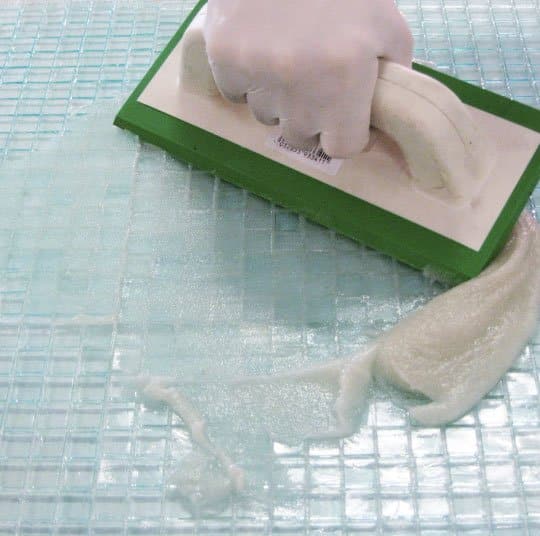
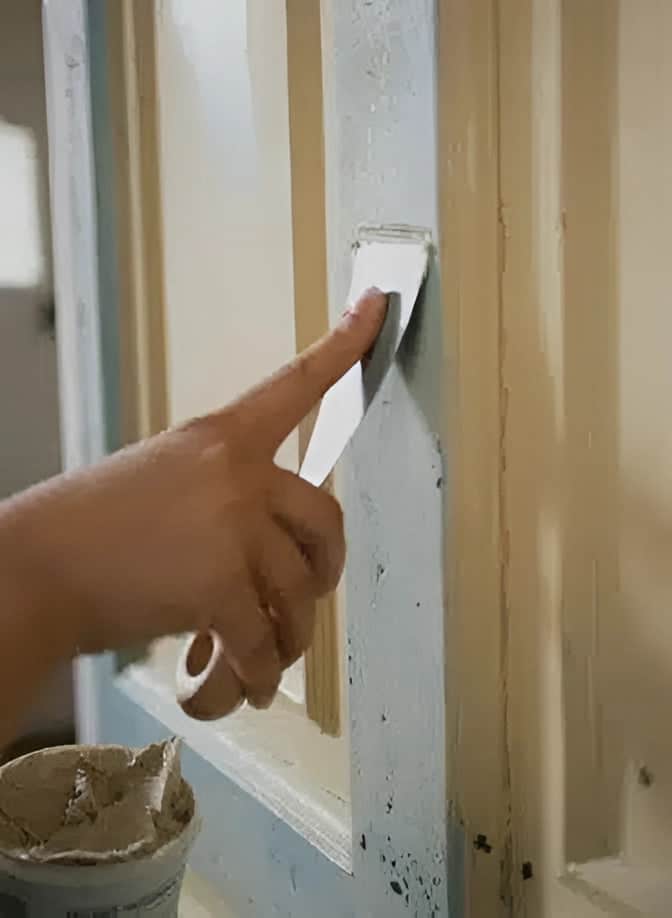
With the putty mixed, use a spatula, putty knife, or finger (wearing gloves) to press the epoxy into the joint, crack, or repair area. Apply while the mixture is workable, spreading it evenly and filling gaps completely. Be sure to push the putty into any crevices to maximise adhesion and mechanical strength. Work efficiently but steadily, as some products start to set within 5–10 minutes.
Smooth the surface with a damp gloved finger or spatula for a neat finish. For vertical or overhead applications, choose a thixotropic epoxy (such as Magelstick Epoxy Mastic) to avoid sagging or running during application.

Step 4: Allow the Putty to Cure Properly
After application, allow proper curing time as specified in the product instructions. This can range from 5 minutes for fast-setting blends to several hours for structural repairs. Do not disturb or subject the repair to stress during curing, as premature movement can compromise the bond. Maintain the required temperature, generally above 10°C, for full strength and durability.
Once set, the repair can be sanded, painted, or subjected to mechanical loads. Epoxy putty’s minimal shrinkage and weather resistance make it suitable for both indoor and outdoor projects.

Tips, Common Mistakes, and Troubleshooting
Always wear gloves and work in a well-ventilated area to avoid skin contact with uncured epoxy. Double-check your mixing ratio—most curing or bonding failures arise from inaccurate measurements or incomplete mixing. Only prepare what you can use within the product’s open time to prevent waste.
If the epoxy stays sticky or soft, remove and clean the repair area, then start again with fresh, carefully measured materials. For hard-to-reach or cartridge-based applications, consider using a mixer nozzle for even blending and precise dispensing. Store unused materials properly sealed to maximise shelf life.
Professional Results Every Time
Attention to proportion and thorough mixing leads to superior repairs. Patience during curing and using the right tools, like a mixer nozzle or specialised spatula, can make all the difference for clean, lasting results.
- "Magelstick" – Epoxy Mastic for Stone, Metal, and Cement Bonding and GroutingMagelstick Epoxy Mastic is designed for bonding and grouting stone, metal, and cement surfaces with professional precision.
- "Klebfix" – Two-Component Fast Epoxy Glue 2K, 25g Syringe£24.00"Klebfix" is a transparent two-component epoxy glue designed for fast, reliable bonding of various materials with simple 1:1 dosing.
 "FixExpress" – Two-Component Epoxy Glue 500g£26.95FIX EXPRESS offers rapid repairs with strong adhesion, suitable for multipurpose bonding and quick setting.
 "Mixer Nozzle" – For Mixing Epoxy Glue, 50ml, Araldite 2000 Series Compatible£1.52A plastic epoxy mixer nozzle designed for Araldite 2000 series 50ml cartridges, suited for mixing two-component epoxy.
Frequently Asked Questions
What surfaces can I use two-component epoxy putty on?
Two-component epoxy putty is suitable for natural and artificial stone, metal, cement, plastics, glass, wood, and ceramics depending on the specific product.
What is the best temperature for preparing epoxy putty?
Always prepare and apply epoxy putty at or above 10°C for optimal curing, as colder conditions may slow or prevent proper hardening.
What is the difference between epoxy mastic and epoxy glue?
Epoxy mastic is thicker for filling and grouting, while epoxy glue is a runnier adhesive meant for bonding surfaces together.
How do I fix sticky or soft epoxy putty after mixing?
Sticky putty is usually from incorrect measuring or incomplete mixing; remove it, clean the area, and start with a new, precisely mixed batch.
When should I use a mixer nozzle for epoxy putty?
Mixer nozzles are ideal for cartridge-based epoxies, ensuring thorough blending and reducing the risk of unmixed resin in your repair.
How long does epoxy putty need to cure?
Cure times vary: fast-setting putties may set in 5–10 minutes, while others may require several hours. Always follow the product instructions.