 Free shipping on orders over £29,85
  Shipping Tracking!


 Google
 Facebook
How to use the resin parts of plastic models?
Achieve perfect finishes by choosing the right resin type
Whether you are a model-making enthusiast or working on professional-level plastic kits, understanding how to utilise resin parts is essential for achieving detailed, durable, and visually striking results. This page guides you through the best resin options for casting, coating, finishing, and bonding resin components in plastic models. Perfect for hobbyists, artists and makers seeking flawless outcomes in their craft.
Key Resin Types for Plastic Model Parts
Resin for model-making generally falls into two categories: epoxy and polyurethane. Each type has unique benefits and is suited to specific tasks, from fast prototyping to high-gloss finishing. Epoxy resins are ideal for clear, durable surface coatings and casting detailed parts up to certain thicknesses, while polyurethane resins offer rapid curing and exceptional detail for moulded components.
Epoxy resins such as “3D Finish”, “Art Pro”, and “Trasparente” are recognised for their clear, glossy appearance and versatility, especially when working with plastic model assemblies that require precision and longevity. On the other hand, polyurethane resins like “IWhite” are renowned for their quick-setting times and ease in capturing intricate model details, making them highly effective for fast prototyping and custom parts.
Gallery of Resin-Finished Plastic Model Parts
See how epoxy and polyurethane resins elevate the detail, clarity, and finish of plastic model parts. From precision-cast components to high-gloss surfaces, these examples highlight what’s achievable with the right choice of resin.
3D Finish – Fast Coating Epoxy Resin for 3D Prints
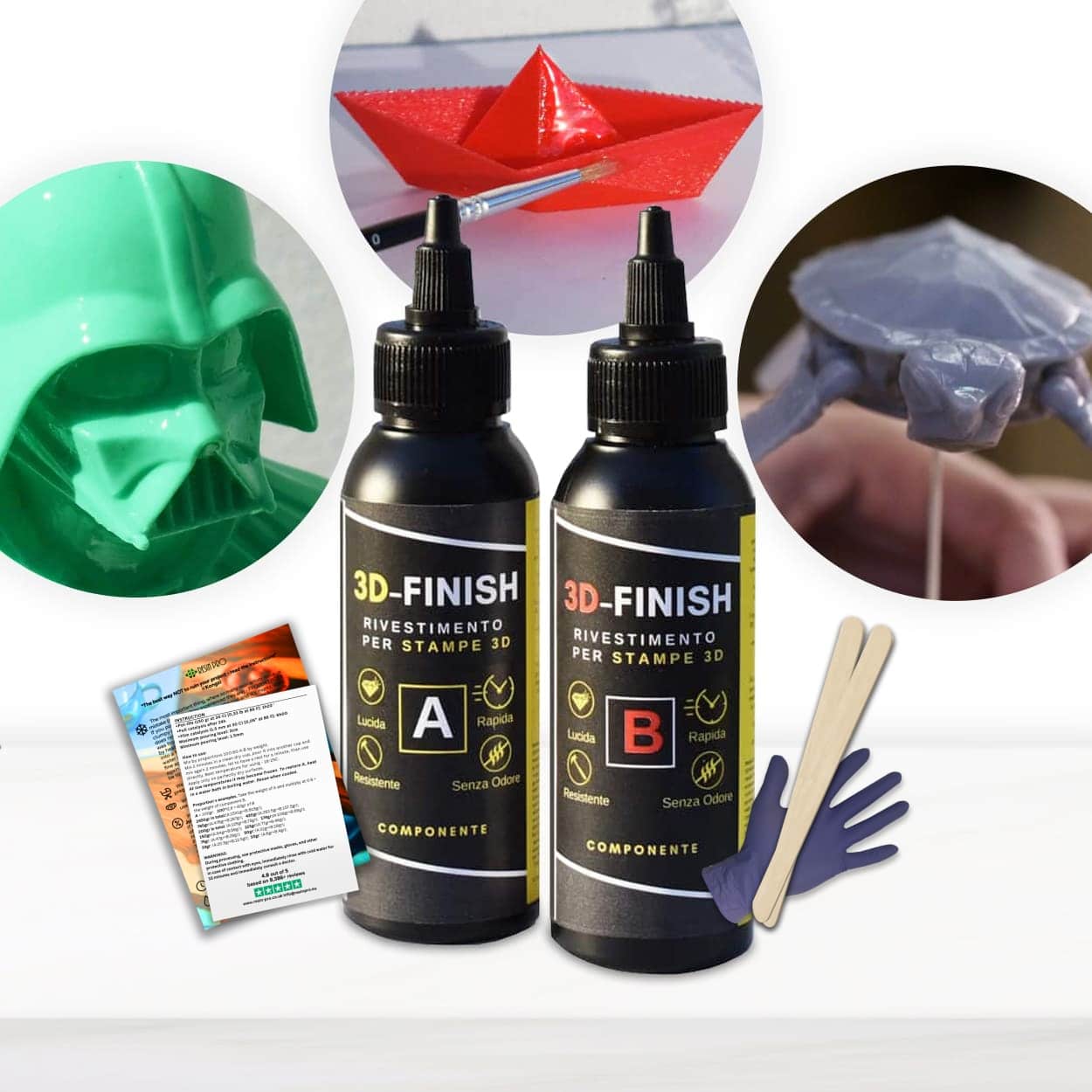
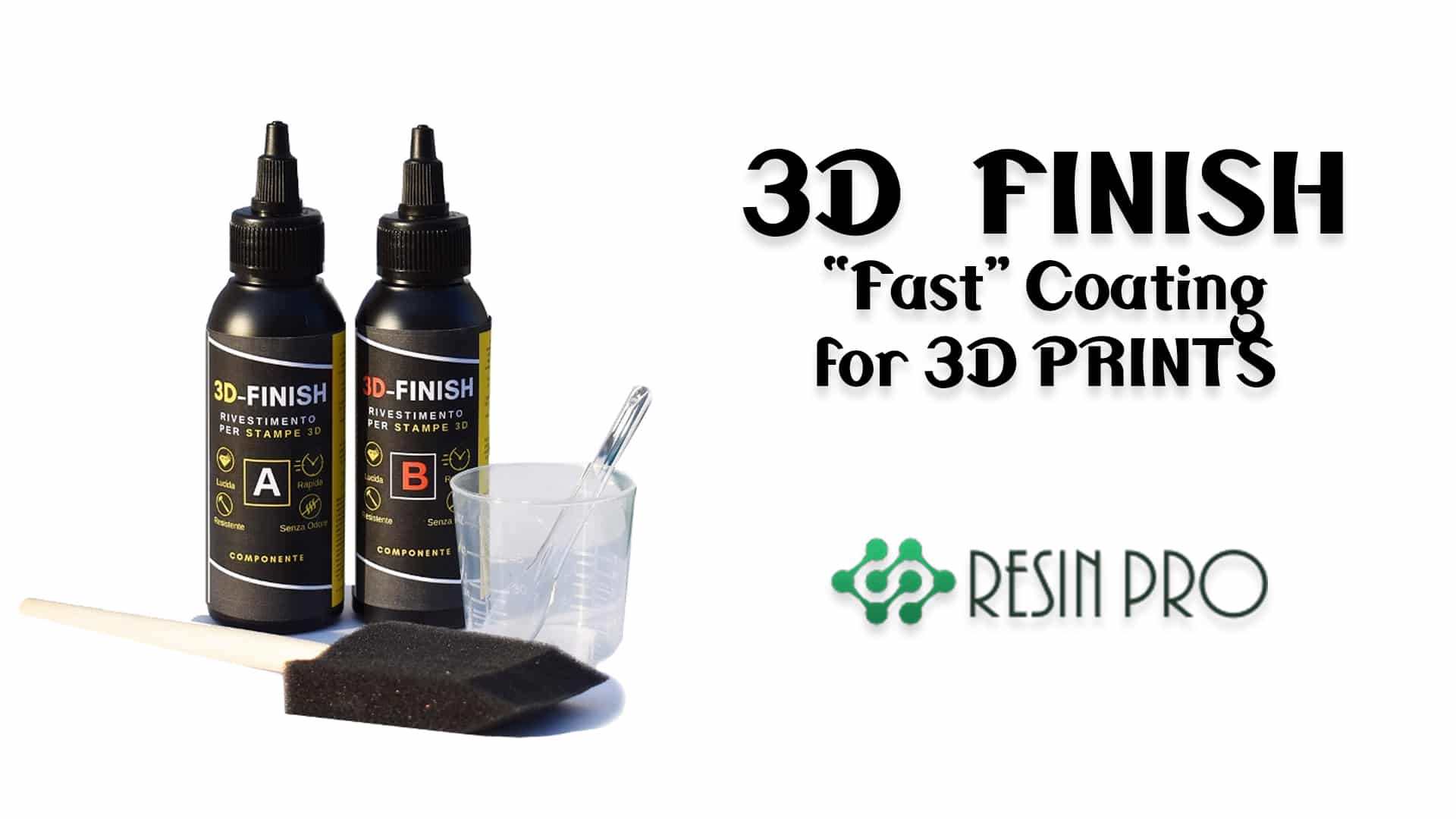
For model builders using 3D printed resin parts, “3D Finish” – Fast Coating Epoxy Resin for 3D Prints stands out. Its accelerated 4-hour curing at 20°C delivers faster project turnover. It provides exceptional adhesion to materials like PLA, ABS, and LAYWOOD and features a detail-preserving formula that eliminates print layer lines. Suitable for both amateur and professional applications, this resin is polishable and paintable after curing, making it versatile for final finishing, bonding, and repairs on 3D printed and traditional resin parts.
Art Pro – Clear Epoxy Resin for Artists and Surface Coating
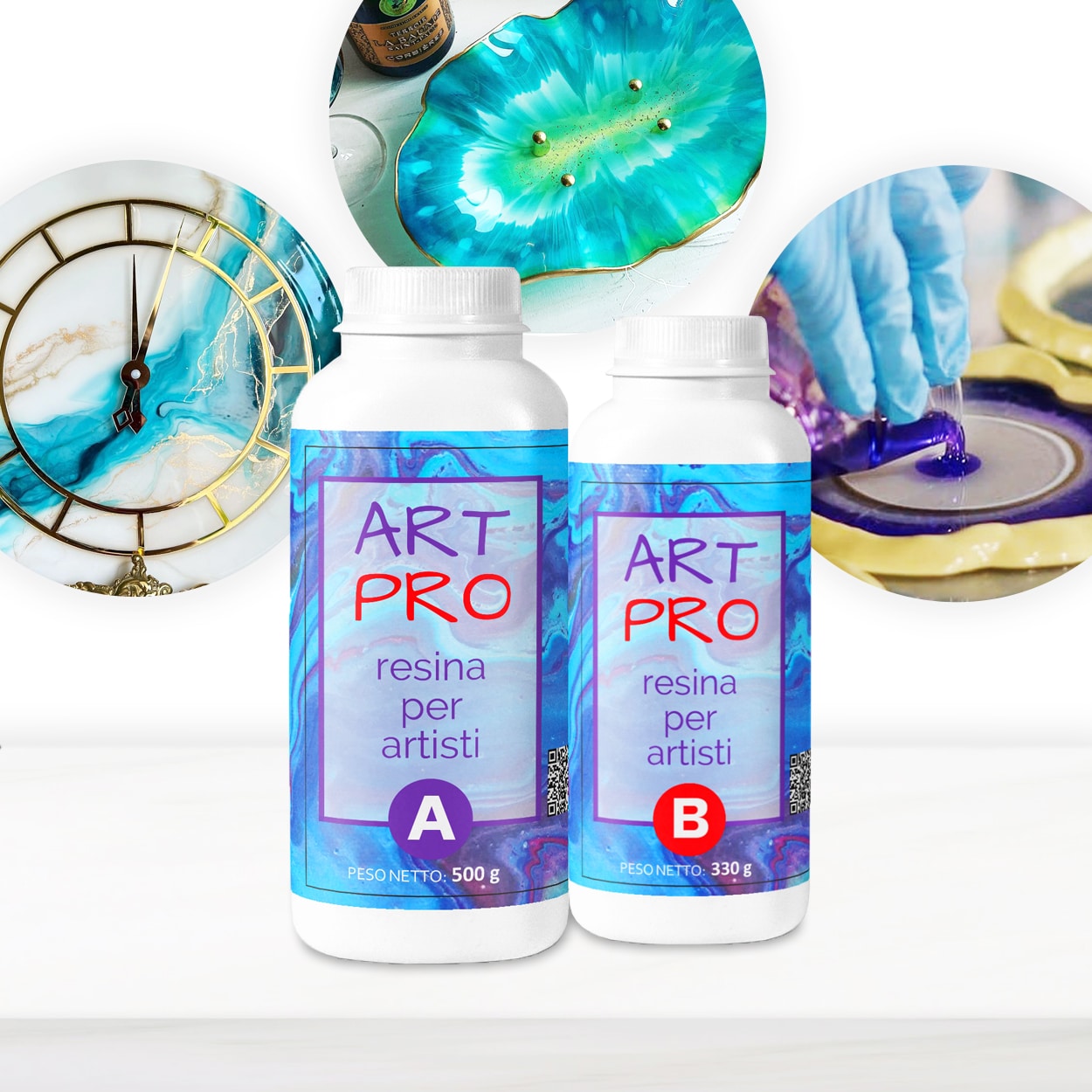
For those seeking a refined, glass-like finish on display models or artistic surfaces, “Art Pro” – Clear Epoxy Resin for Artists and Surface Coating is ideal. Its exceptional clarity gives a high-gloss finish, while its durable, scratch-resistant surface and UV protection help the appearance last. The easy 3:2 mixing ratio and non-drip formula allow for precise, even coatings, making this resin suitable for thin decorative layers on model parts requiring a pristine, professional finish.
Trasparente – Multipurpose Clear Epoxy Resin for Casting
If your project involves casting larger or thicker resin elements (up to 2cm), the “Trasparente” – Multipurpose Clear Epoxy Resin is a trusted choice for hobbyists and professionals alike. This certified non-toxic, ultra-clear formula boasts high scratch resistance and an integrated UV filter—perfect for clear cast elements, detail work, or preserving embedded objects within your models. Its self-levelling qualities ensure hassle-free pouring, while the included accessories streamline the casting process for beginners and veterans.
IWhite – Polyurethane Casting Resin for Fast Prototyping
For intricate part replication or when time is of the essence, “IWhite” – Polyurethane Casting Resin offers fast-setting action—fully curing in just 30 minutes. Its colourable and paintable finish (before or after cure) and highly fluid nature allow for exceptional capture of fine details in moulds. “IWhite” is especially useful for professional workshops and enthusiasts creating white model parts, accessories, or prototype assemblies that need to be handled quickly and finished to a high standard.
Tips for Working with Resin Parts in Plastic Models
Achieving the best results with resin parts in your plastic models depends on careful preparation and mindful application. Always work in a clean, dust-free environment and check compatibility between resin and your base materials, especially if combining several plastics or finishes. When casting, avoid exceeding recommended thicknesses (e.g., 2 cm for “Trasparente”) to minimise the risks of overheating or incomplete curing. For coating, ensure surfaces are sanded, dry, and free of grease before application to support strong adhesion and a flawless final look. Lastly, proper mixing according to specified ratios prevents tackiness or weak spots in finished elements—this is crucial for all resin types listed above.
Expert Insights for Model Makers
Plan your projects with safety and precision. Wear gloves and a mask in ventilated areas, and strictly follow product instructions for each resin. Layer in stages and allow full curing before assembling or displaying your models for optimal durability and appearance.
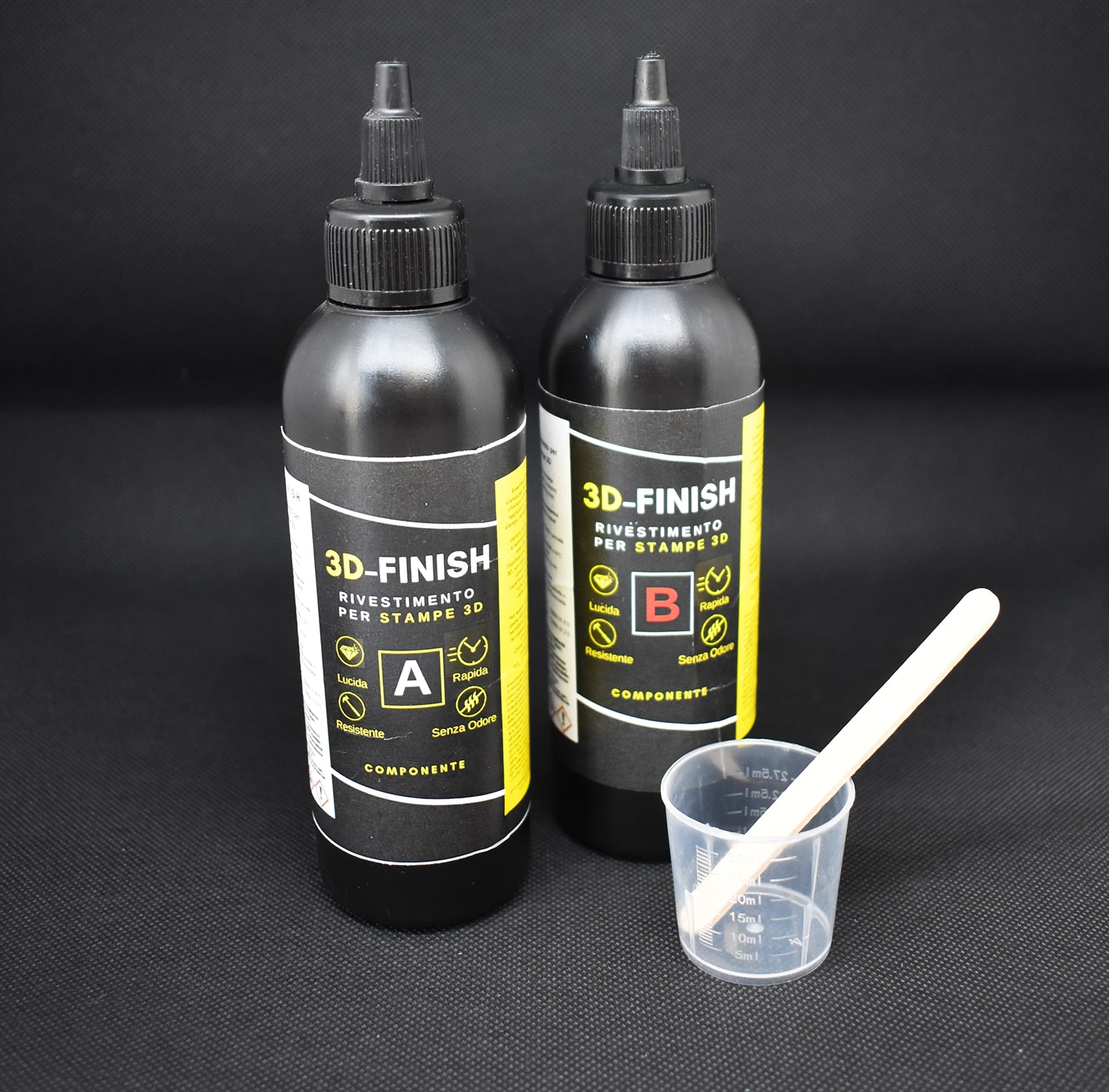
- "3D Finish" – Fast Coating Epoxy Resin for 3D PrintsPrice range: £13.95 through £19.95"3D Finish" is a fast-curing epoxy resin for coating and repairing 3D printed plastic models, preserving detail and enhancing surface quality.
- "Art Pro" – Clear Epoxy Resin for Artists and Surface CoatingPrice range: £19.95 through £267.95Art Pro is a clear epoxy resin suitable for artists and crafters seeking durable glass-like finishes with UV protection in medium viscosity form.
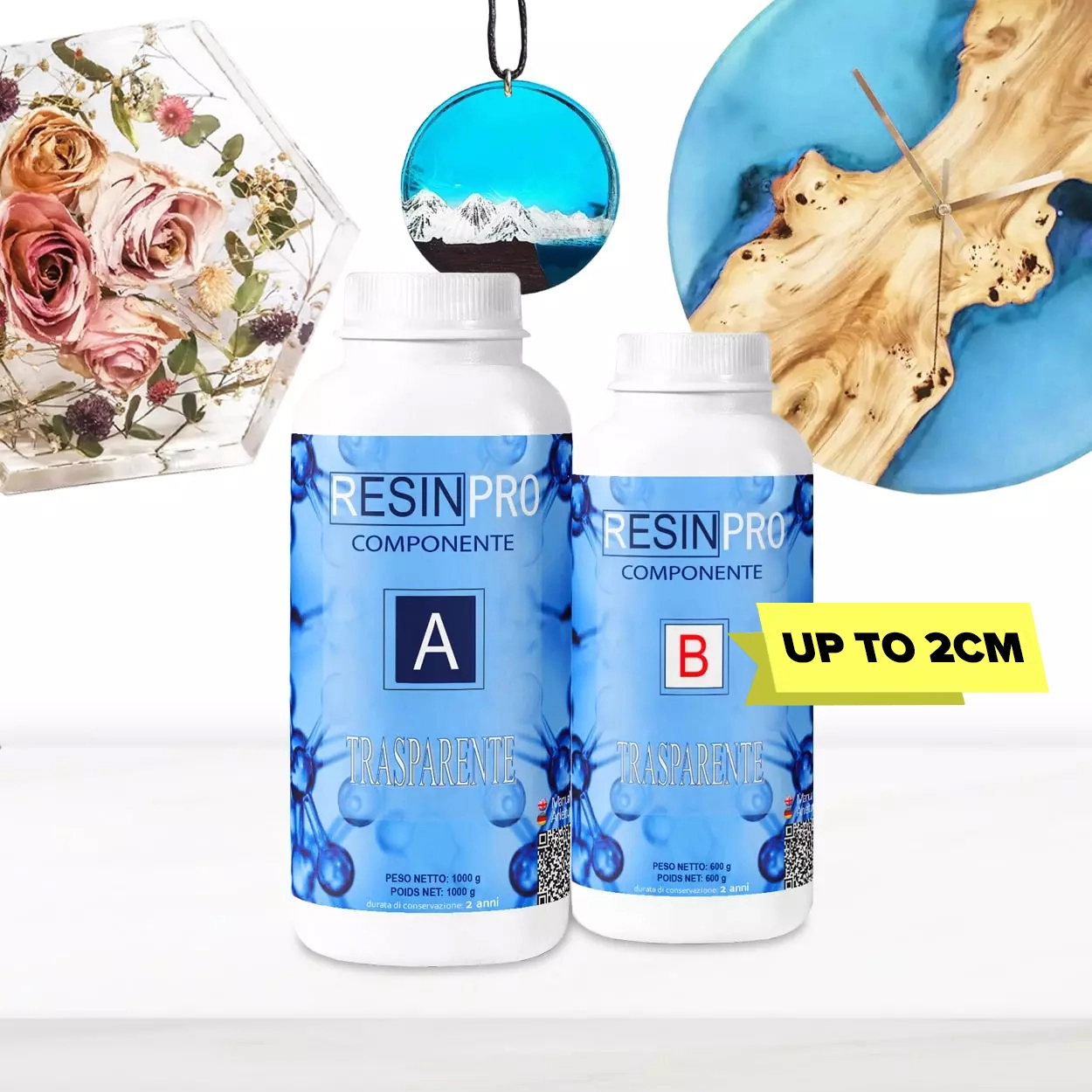 "Trasparente" – Multipurpose Clear Epoxy Resin for Casting – Up to 2cmPrice range: £8.95 through £397.95"Trasparente" is a clear epoxy resin suitable for detailed castings and DIY projects, offering a self-levelling, glossy finish up to 2 cm thick.
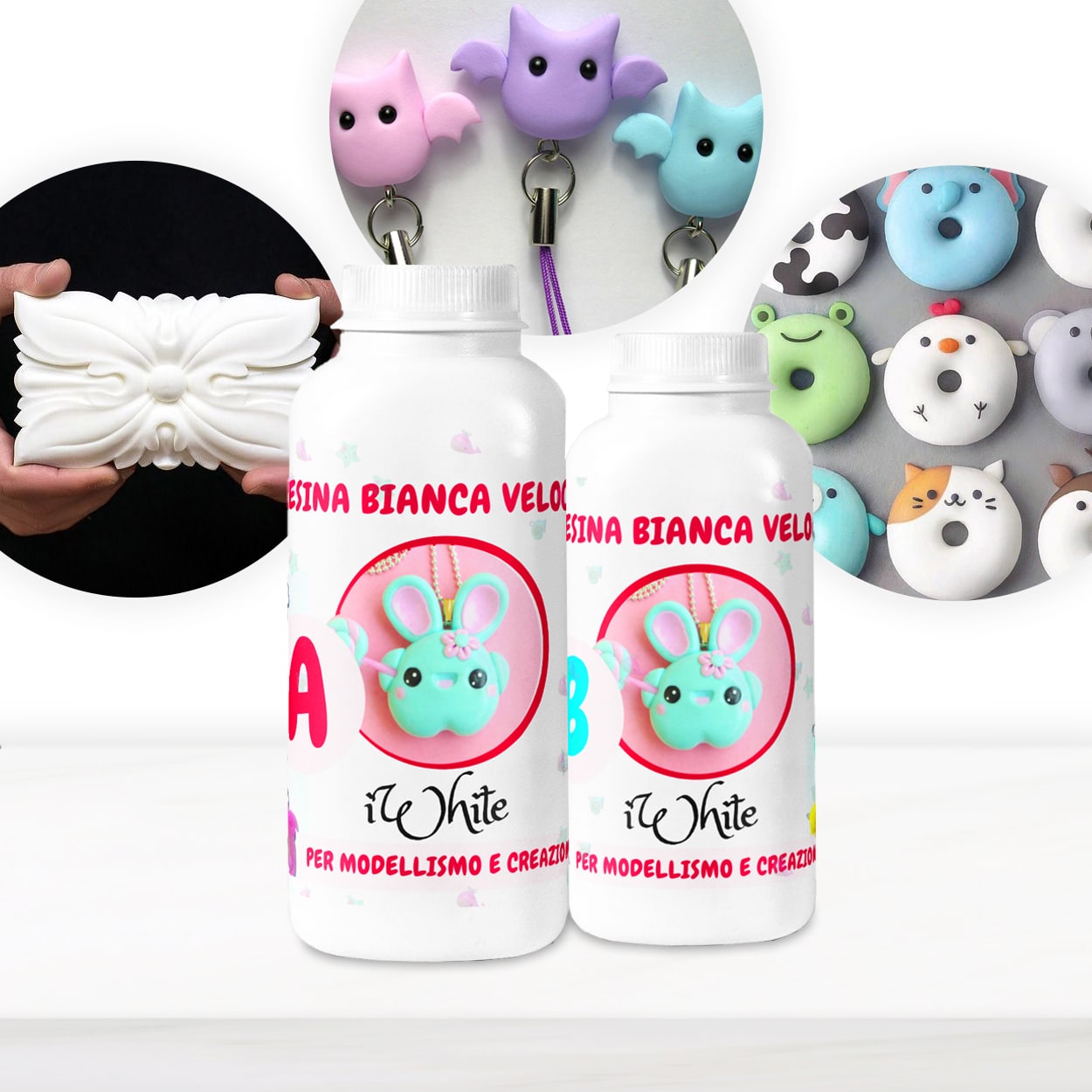 “IWhite” – Polyurethane Casting Resin – White, Fast-Curing Two-Part SystemPrice range: £24.00 through £36.95IWHITE is a fast-curing polyurethane resin suited for handcrafted and model-making projects requiring accurate moulding and detailed replication.
Frequently Asked Questions
How should I mix and apply the 3D Finish resin?
Measure the components by weight in a 100A:50B ratio and mix thoroughly for 2 minutes. Always apply in a dry, temperature-controlled space on a clean, sanded model surface.
What resin is suitable for thin layers in artistic projects?
Art Pro resin is ideal for artistic projects requiring thin, clear layers of at least 1.5 mm thickness, offering a professional surface finish.
How does Art Pro compare with One-2-One resin?
Art Pro uses a 3:2 weight mixing ratio and produces a harder surface. One-2-One is less viscous and results in a glossier but softer finish.
What thickness range is suitable for resin "Trasparente"?
"Trasparente" resin is suitable for casting layers up to 2 cm thick, making it perfect for coasters, trays, and similar small castings.
What causes overheating when pouring large amounts of "Trasparente" resin?
Exceeding 2 cm layer thickness, working in warm conditions, or using heat guns may lead to overheating during curing. Always follow thickness guidelines.
What are the main differences between polyurethane and epoxy resins?
Polyurethane resins cure quickly and capture fine details, while epoxy resins generally provide a clearer, glossier finish. Choose based on your project requirements.
Can this resin be coloured or painted during or after curing?
Yes, IWhite can be tinted in its liquid state and painted after full cure—ideal for custom model work.