 Free shipping on orders over £29,85
  Shipping Tracking!


 Google
 Facebook
How do you prepare rosin resin?
Step-by-step resin preparation for creative, clear finishes
Preparing rosin resin with care ensures your jewellery pieces, art, or decorative projects have the clarity, finish, and durability you desire. Whether you are new to working with resin or looking to refine your technique, this guide covers the essential steps from preparing your workspace and moulds to mixing and pouring, ensuring a beautiful, professional result every time.
What You’ll Need
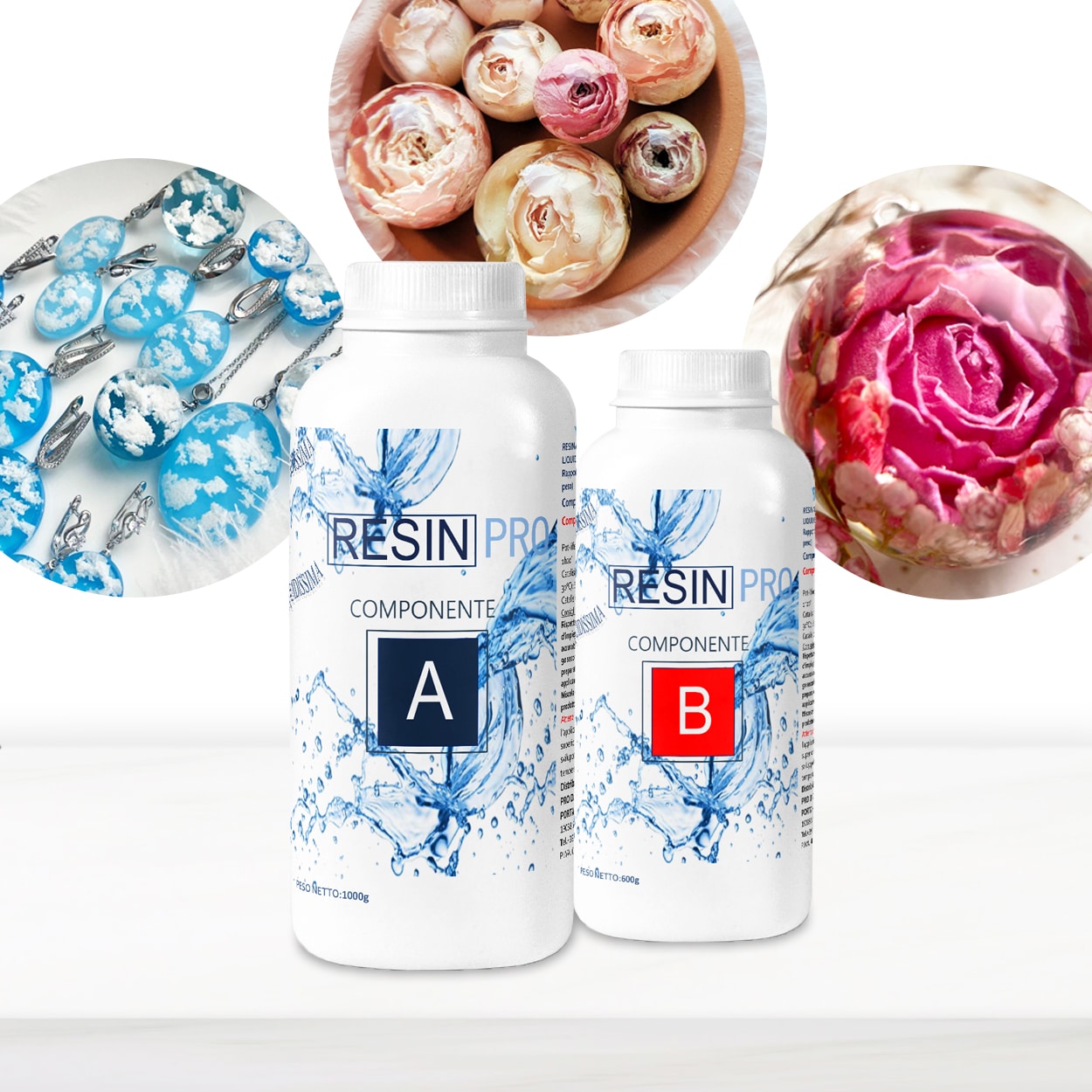
- “Liquidissima” – Epoxy Resin For Creations & Jewellery: Epoxy resin suited for transparent, detailed jewellery and smooth finishes.
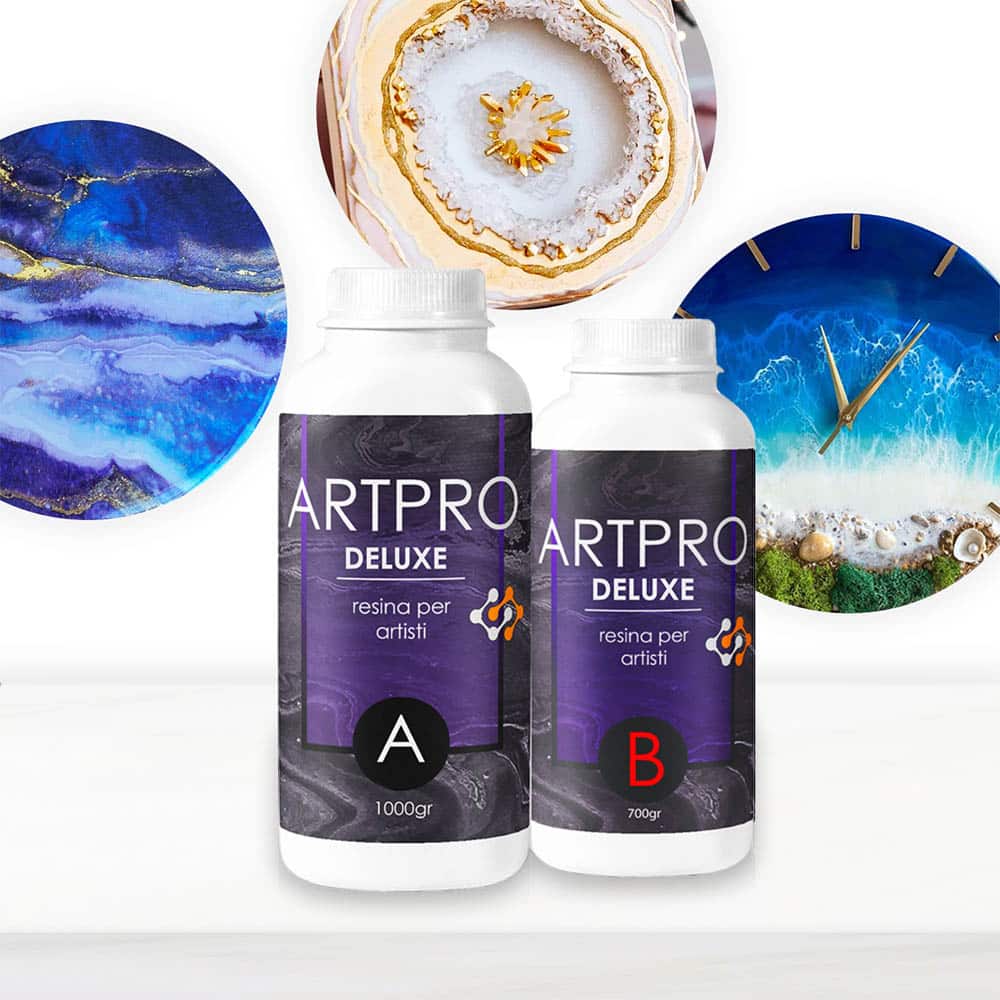
- “Art Pro Deluxe” – Ultra-High Viscosity Epoxy Resin for Artists: For precise control in fine artistic projects.
- “UV–Creation” – Fast Acrylic Resin, 3 Minute UV Cure: Quick-cure UV resin for instant jewellery and crafts.
- Pure Isopropyl Alcohol 99.9% – 1000ml Bottle for Epoxy Resin Projects & DIY: For cleaning tools, preparing moulds, and bubble removal.
- Silicone, plastic, or metal moulds (depending on your project)
- Mixing cups and stirring sticks
- Measuring scales or syringes
- Nitrile gloves and protective mask
- UV lamp (for UV resin projects)
Preparing Moulds and Workspace
Clean and organise your work area before starting. Remove any dust and debris. Using Pure Isopropyl Alcohol 99.9% helps ensure your moulds are residue-free, which is essential for flawless resin results.
Step 1: Prepare Your Workspace and Moulds
Ensure the workspace is dust-free and well-ventilated to prevent contamination and maintain safety. Cover your surface to protect it from unwanted spills or drips. Gather all equipment before you begin, as resin working time may be limited. Silicone moulds are ideal for easy demoulding and smooth finishes.
Wear protective gloves and a mask when handling resin and alcohol. For best results, clean your moulds prior to use. You can use Pure Isopropyl Alcohol 99.9% – 1000ml Bottle for Epoxy Resin Projects & DIY on a lint-free cloth to remove dust, oils, or residue, ensuring a flawless final surface.
Step 2: Measure and Mix the Resin
Resin preparation accuracy is crucial for quality results. Work at room temperature to optimise curing and reduce bubbles. Carefully follow the mixing ratio instructions for your chosen resin—different products require different ratios, so always check the packaging.
For two-part epoxies, measure components precisely using digital scales or syringes. Pour both parts into a clean mixing cup and stir slowly but thoroughly for at least two to three minutes, scraping the sides and bottom to ensure complete blending. Incomplete mixing can lead to sticky or soft spots in your cured piece.
Step 3: Pour and Cure the Resin
Once mixed, pour resin slowly to avoid introducing new bubbles. Fill your moulds according to the design’s requirements, working in shallow layers if thickness exceeds product recommendations.
For intricate jewellery, “Liquidissima” – Epoxy Resin For Creations & Jewellery offers excellent transparency and is self-levelling for detailed results. Artists seeking defined lines and a glossier finish in pour art may opt for “Art Pro Deluxe” – Ultra-High Viscosity Epoxy Resin for Artists for superior control. If you need a rapid set, the “UV–Creation” – Fast Acrylic Resin, 3 Minute UV Cure cures under UV in minutes for quick projects.
Always refer to the product’s cure times and avoid disturbing the piece until fully set for a flawless surface.

Step 4: Remove Air Bubbles for a Perfect Finish
Visible bubbles can reduce clarity and detract from your final piece. While careful mixing and slow pouring are your best preventative measures, use a high purity isopropyl alcohol to tackle stubborn bubbles. Lightly spritz the surface with Pure Isopropyl Alcohol 99.9% – 1000ml Bottle for Epoxy Resin Projects & DIY immediately after pouring to help bubbles rise and pop without disturbing the resin.
For UV resins, avoid overusing alcohol as it may inhibit curing. Always allow the recommended time and use only as needed.
Tips, Common Mistakes, and Troubleshooting
Plan sufficient time, especially with epoxies that offer longer working times. Rushing can cause mixing errors or spillages. Do not mix large batches if you are inexperienced, as resin can heat rapidly and cure unevenly.
Common mistakes include incorrect mixing ratios and forgetting to clean moulds, leading to sticky results or marks. Follow all safety instructions and never use open flames with alcohol or resin. If you notice incomplete curing or tacky spots, check your ratios and mixing technique for next time.
Finishing Touches and Presentation
Allow your resin piece to cure fully before demoulding. Smooth or polish the surface as desired and display your completed creation with pride, knowing the preparation process supported a professional outcome.
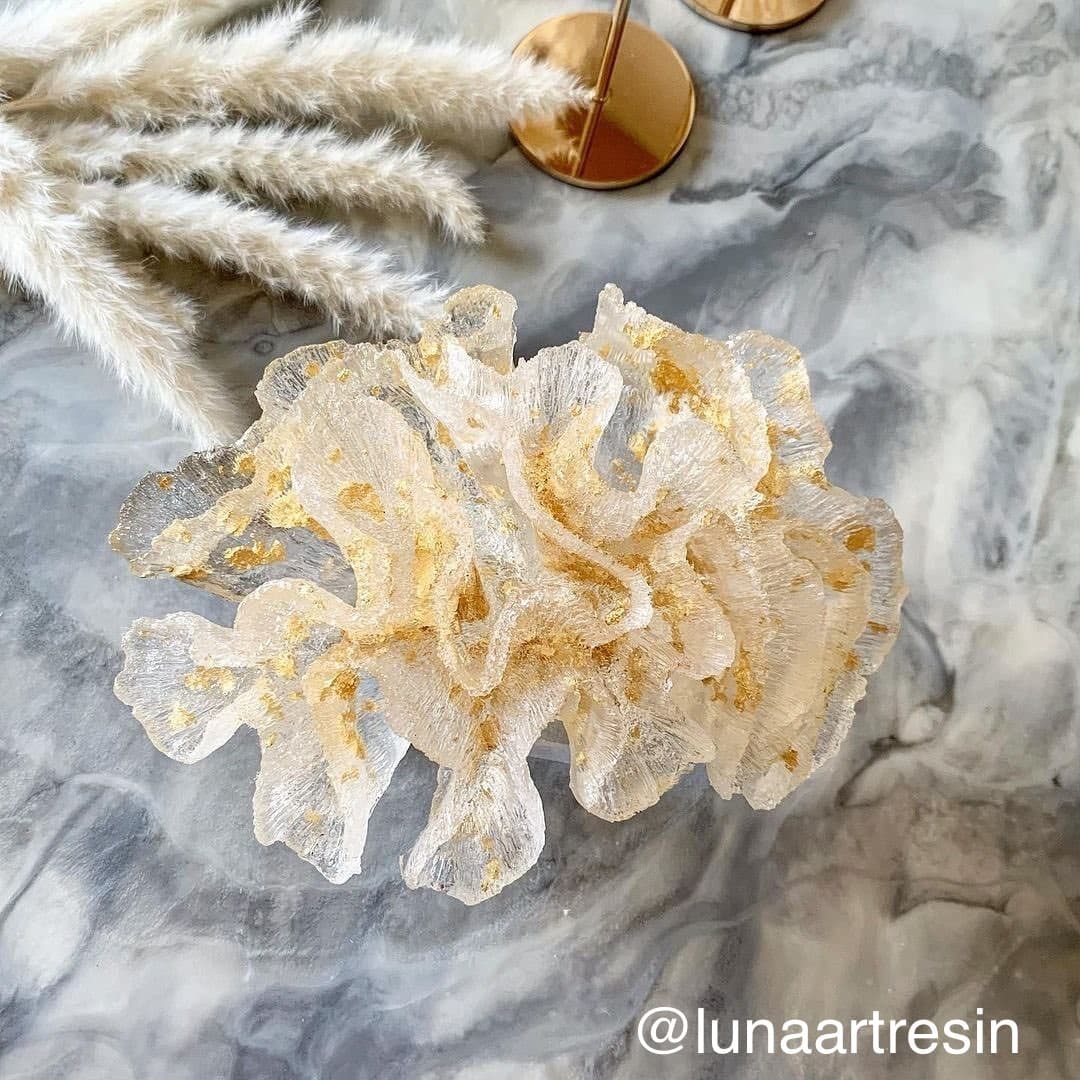
- "Liquidissima" – Epoxy Resin For Creations & JewelleryPrice range: £12.85 through £31.85"Liquidissima" is an epoxy resin designed for intricate jewellery moulds, featuring high transparency and a self-levelling finish.
- "Art Pro Deluxe" – Ultra-High Viscosity Epoxy Resin for ArtistsPrice range: £35.95 through £302.45Art Pro Deluxe is an ultra-high viscosity epoxy resin designed for artists seeking precise control with a crystal-clear, self-levelling finish.
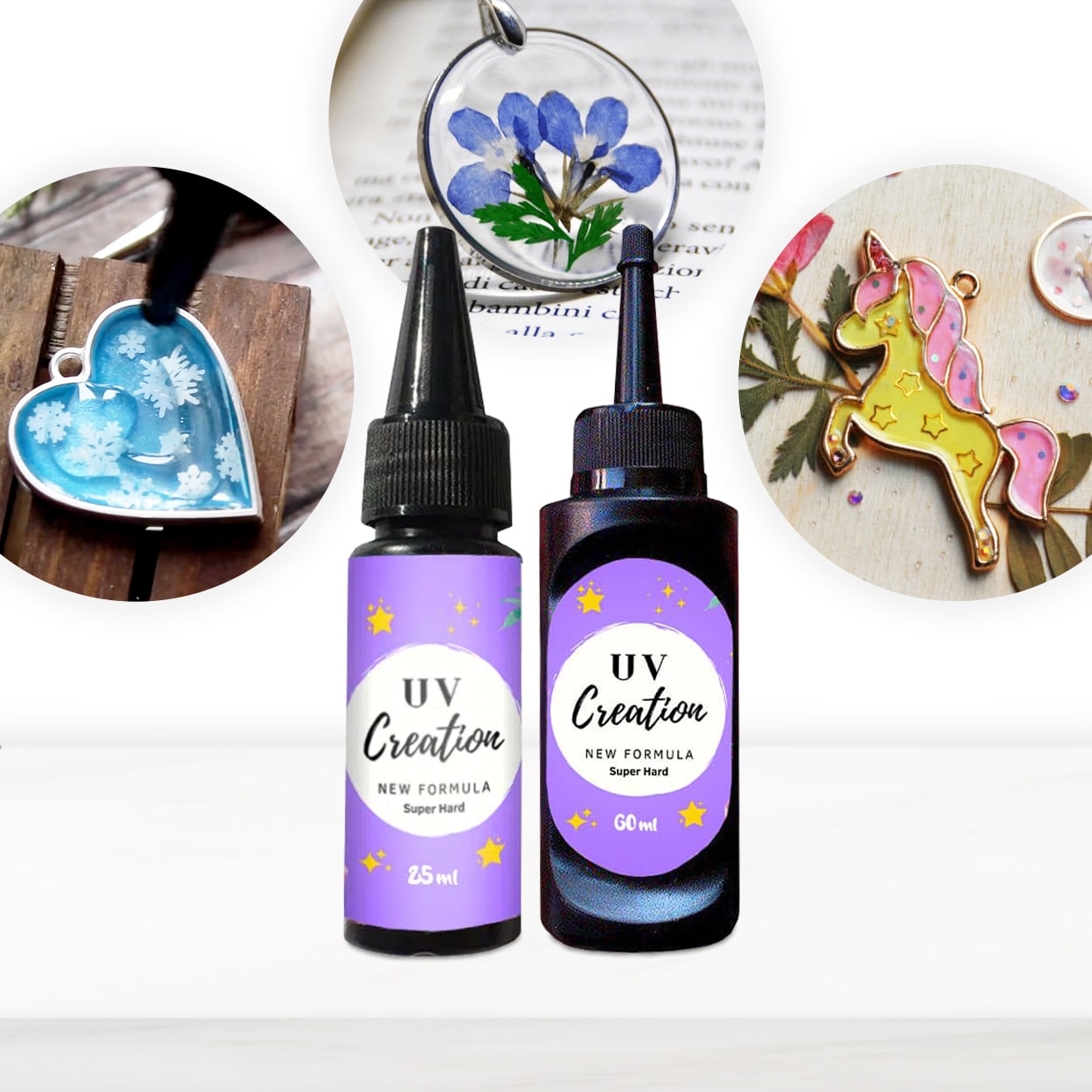 "UV–Creation" – Fast Acrylic Resin, 3 Minute UV CurePrice range: £8.45 through £62.95"UV–Creation" is a fast acrylic resin curated for jewellery makers and crafters, offering a ready-to-use, clear finish that cures within minutes…
 Pure Isopropyl Alcohol 99.9% – 1000ml Bottle for Epoxy Resin Projects & DIYPrice range: £10.45 through £20.95Pure Isopropyl Alcohol 99.9% in 1000ml is suitable for epoxy resin projects and cleaning, supporting bubble removal and creative effects.
Frequently Asked Questions
How important is the mixing ratio when preparing rosin resin?
Accurate mixing is vital, as incorrect ratios can lead to incomplete curing or tackiness. Always follow the resin supplier’s recommended proportions.
Why should I clean moulds with isopropyl alcohol before pouring resin?
Isopropyl alcohol removes dust, oils, and residue, ensuring a smooth finish and clean demoulding for your resin project.
What is the best method to remove air bubbles from poured resin?
Gently spritz with isopropyl alcohol or use a heat gun on low setting to help bubbles rise and pop, achieving a clearer result.
How long does rosin resin take to cure?
Epoxy resins typically cure in 12–48 hours, while UV resins harden in minutes under a UV lamp. Always check the product's instructions.
Are there special precautions when using UV-curing resins?
Wear gloves, work in a ventilated area, and use only suitable UV lamps. Avoid direct exposure of UV light to skin or eyes.
What type of rosin resin should I use for jewellery or detailed casting?
A resin like "Liquidissima" is ideal for jewellery and fine detail casts thanks to its high transparency and self-levelling properties.
What safety measures should I take when preparing resin?
Wear nitrile gloves, a mask, work in a well-ventilated area, and avoid open flames near resin or isopropyl alcohol.