 Free shipping on orders over £29,85
  Shipping Tracking!


 Google
 Facebook
How do you dry resin jewelry?
Mastering the drying process for flawless resin creations
Achieving a perfect, durable finish for resin jewellery relies on proper drying and curing techniques. If you’ve ever struggled with sticky surfaces or imperfections, mastering the drying process is crucial. This guide covers the essential steps for drying resin jewellery, helping both beginners and experienced crafters achieve long-lasting, professional results.
What You’ll Need
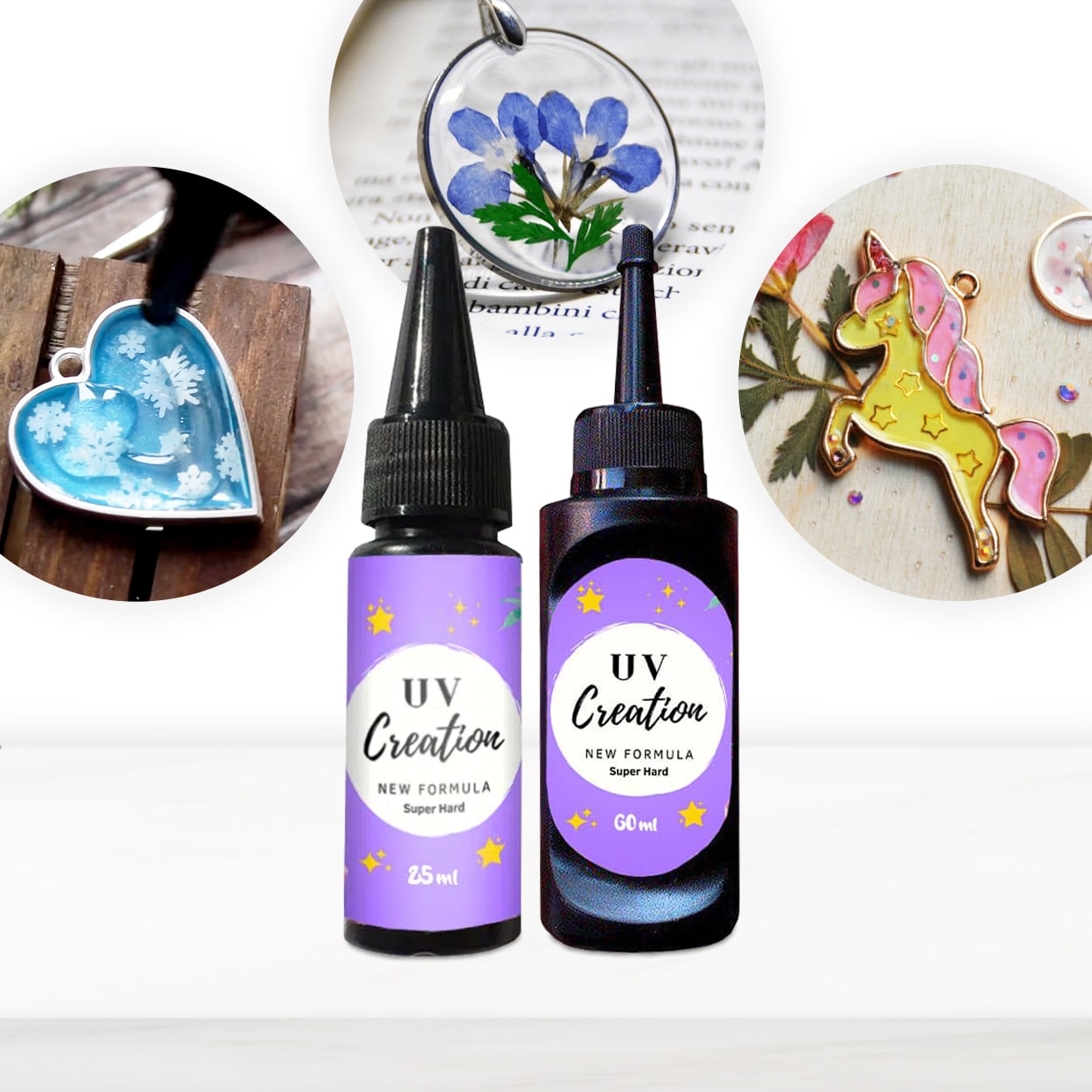
- “UV–Creation” – Fast Acrylic Resin, 3 Minute UV Cure: Fast-curing UV acrylic resin for jewellery with a clear, glossy, non-yellowing finish.
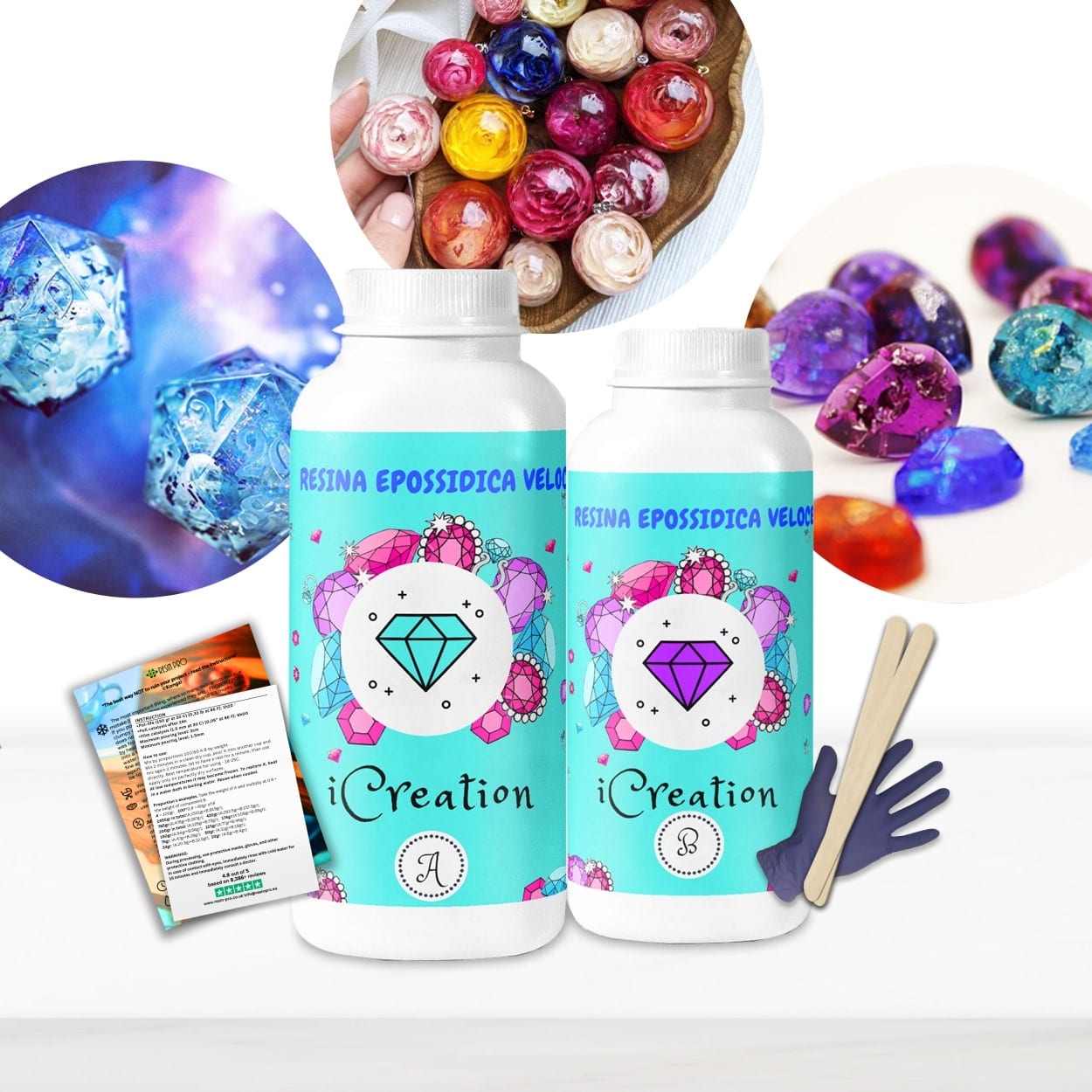
- “ICreation” – Fast Epoxy Resin, 6h Demoulding, Transparent Gloss Finish: Quick demould epoxy for short waiting times and high clarity.
- “One-2-One” – Epoxy Resin for Handcraft, 1:1 Mixing Ratio: Ideal for beginners who want a user-friendly, crystal-clear finish.
- “Liquidissima” – Epoxy Resin For Creations & Jewellery: Perfect for detailed designs needing longer working time and clarity.
- UV lamp (for UV resin)
- Measuring cups and stirrers (for epoxy resins)
- Protective gloves and mask
- Moulds or bezels
- Clean, dust-free drying area
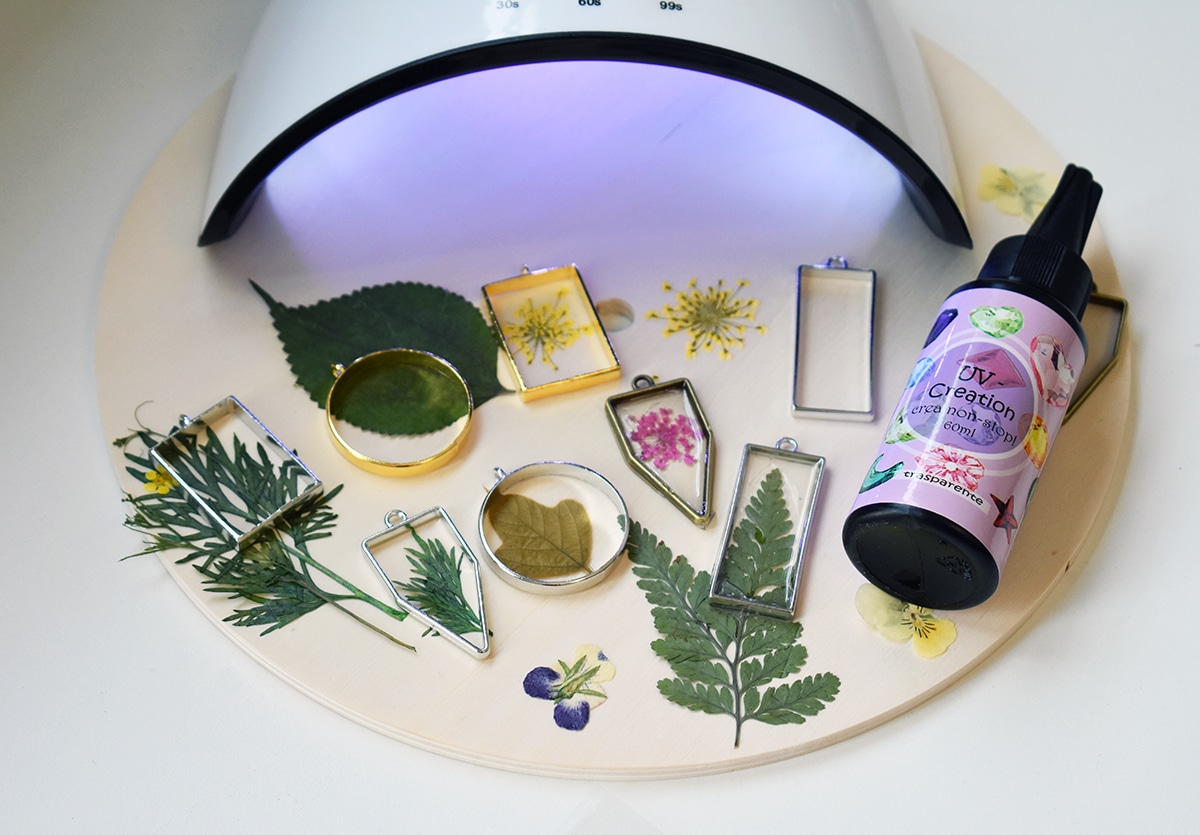
See Essential Tools and Resin Types in Action
Visualise the difference between UV and epoxy curing for jewellery projects. A clean workspace and the right lamp or mixing technique enable you to achieve professional, bubble-free results. Notice how the clarity of each resin and the correct application influence the final look of your dried jewellery pieces.
Step 1: Select and Prepare Your Resin Type
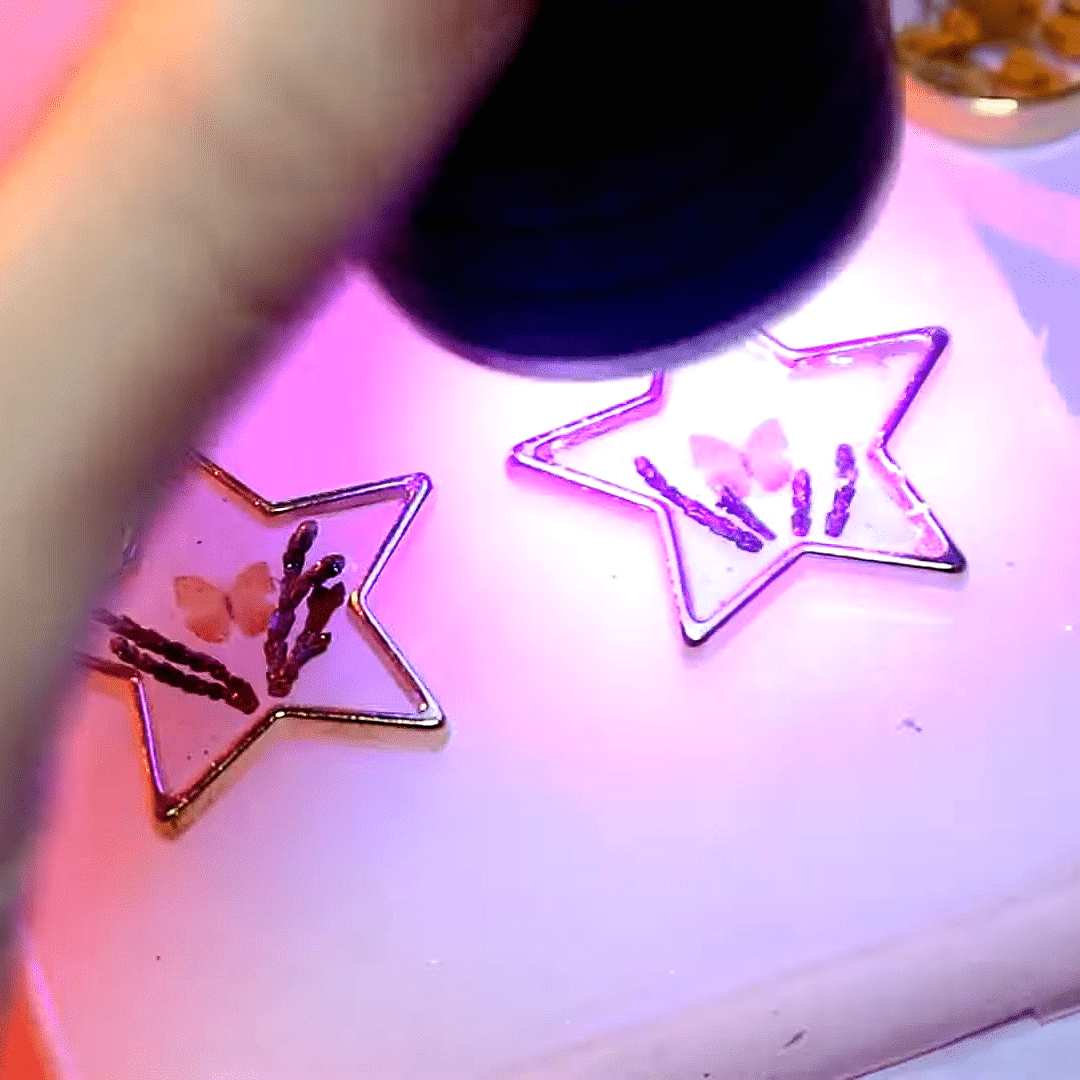
Begin by choosing your resin based on your design and time requirements. UV-cured resins, like “UV–Creation” – Fast Acrylic Resin, 3 Minute UV Cure, are ideal for quick projects, curing within minutes under UV light. For more intricate pieces or longer working time, consider an epoxy resin. Gather all tools and ensure your workspace is clean to prevent dust from settling on sticky resin surfaces during the drying phase. Wear protective gloves and work in a well-ventilated area.
Step 2: Mix and Pour the Resin
Follow the manufacturer’s instructions for mixing ratio and method. For easy handling, “One-2-One” – Epoxy Resin for Handcraft, 1:1 Mixing Ratio requires a simple 1:1 by volume mix, while “ICreation” uses a 2:1 ratio. Mix gently to minimise bubbles, and pour slowly into your mould or bezel. For detailed designs, a low-viscosity resin like “Liquidissima” – Epoxy Resin For Creations & Jewellery is excellent for capturing fine details with fewer imperfections.
Step 3: Cure and Dry the Resin Properly
For UV resins, place your filled mould under a UV lamp for 2–3 minutes or as directed. Ensure the entire piece is exposed evenly to the light for a smooth cure. Epoxy resin jewellery needs to cure undisturbed for several hours — typically 6 hours for demoulding with “ICreation” – Fast Epoxy Resin, or overnight for full curing with other options. Allow sufficient curing time for your chosen resin. Keep the drying area free from draughts, dust, and excess humidity for the best clarity and hardness.
Step 4: Protect and Handle Your Dried Jewellery
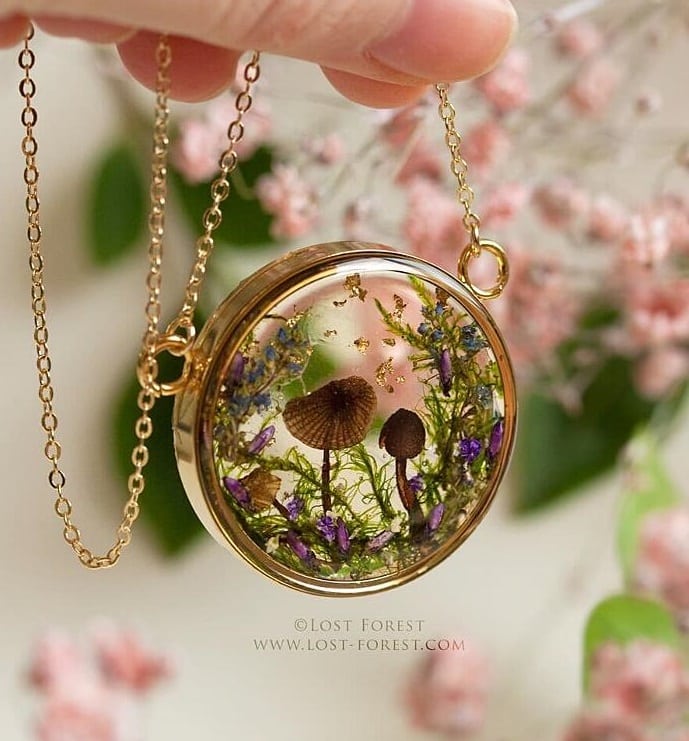
Once cured, gently remove the jewellery from its mould, using a silicone release agent if needed. Handle the finished pieces with care to avoid fingerprints and scratches while the resin reaches maximum hardness. Avoid exposing uncured resin to dust or moisture. Store your pieces in a stable, covered area as they fully finish curing over 24 hours as needed.
Tips, Common Mistakes, and Drying Issues
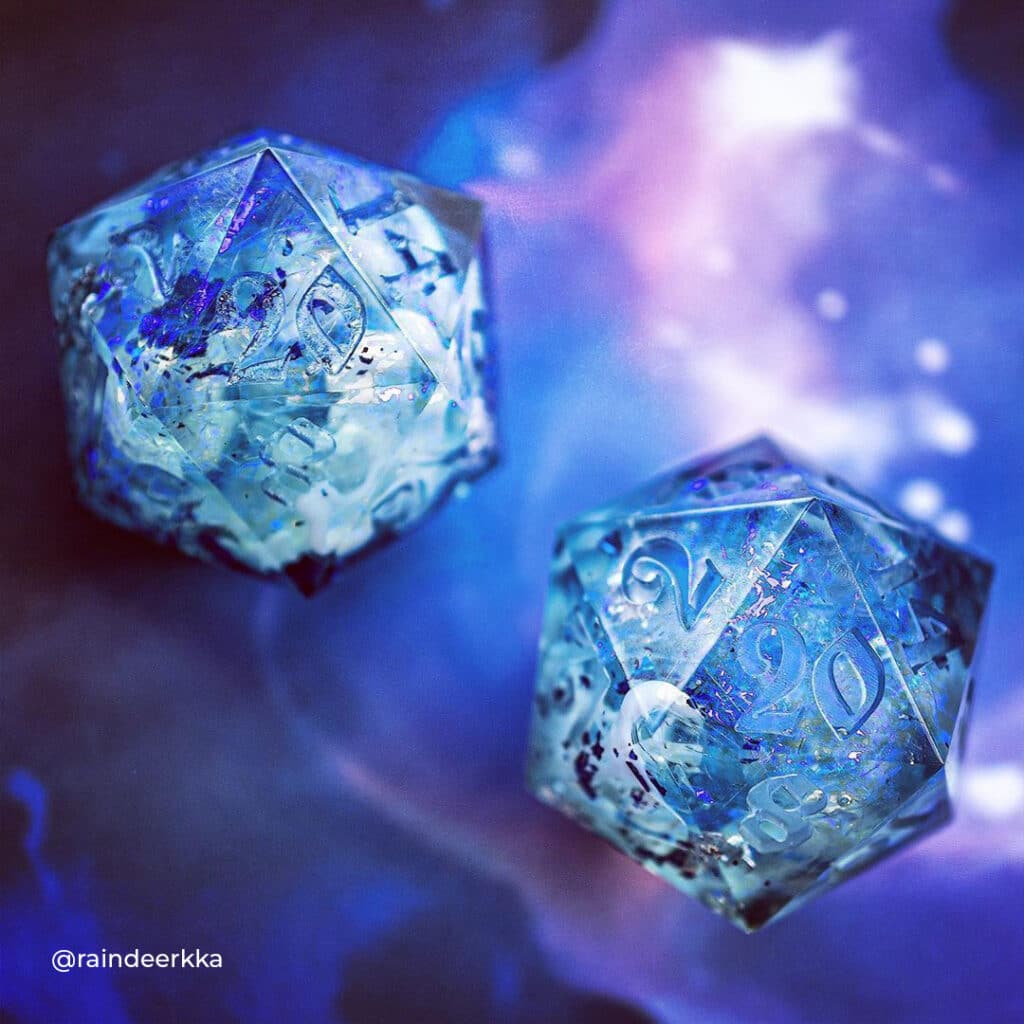
Achieve a flawless result by avoiding over-mixing (which introduces air), pouring in dusty environments, or rushing the cure (leading to sticky results). Monitor temperature and humidity for best results. Always allow thorough drying, resist touching the resin surface before curing is complete, and consult the resin’s specific guidance for optimal performance.
Troubleshooting: Sticky or Cloudy Resin Jewellery
Fight sticky finishes by giving your piece enough time to cure, ensuring no moisture or dust affect the surface. Remember, working at ideal room temperature and following correct ratios decreases chances of a tacky outcome, leaving you with crystal-clear, strong jewellery every time.
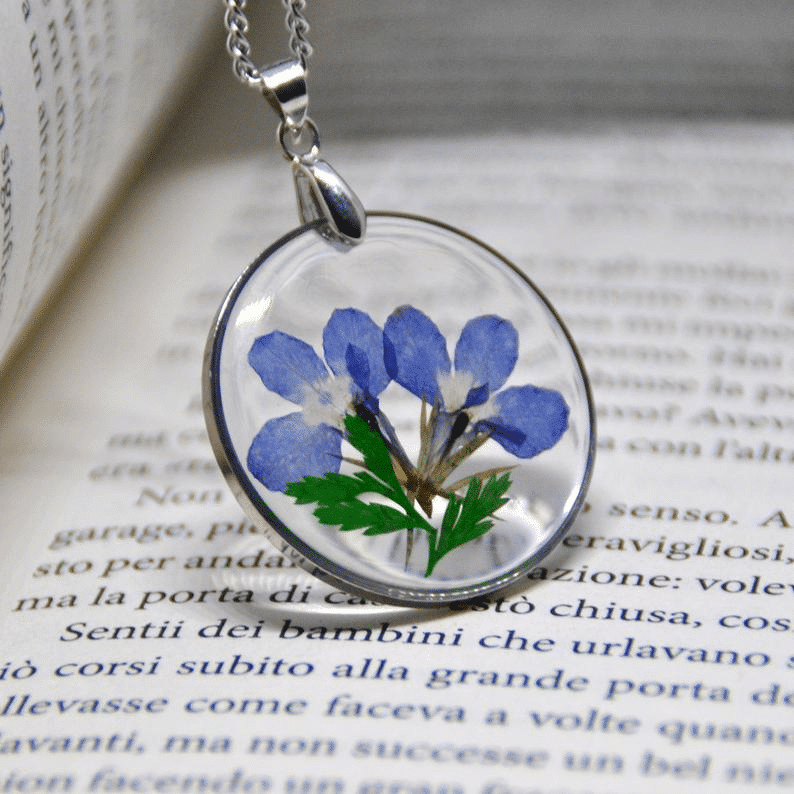
- "UV–Creation" – Fast Acrylic Resin, 3 Minute UV CurePrice range: £8.45 through £62.95UV–Creation is a fast-curing resin suitable for jewellery makers needing a clear, non-yellowing finish with simple UV lamp drying.
- "ICreation" – Fast Epoxy Resin, 6h Demoulding, Transparent Gloss FinishPrice range: £15.95 through £55.95Fast epoxy resin with 6-hour demoulding and crystal-clear glossy finish, suitable for jewellery and craft projects.
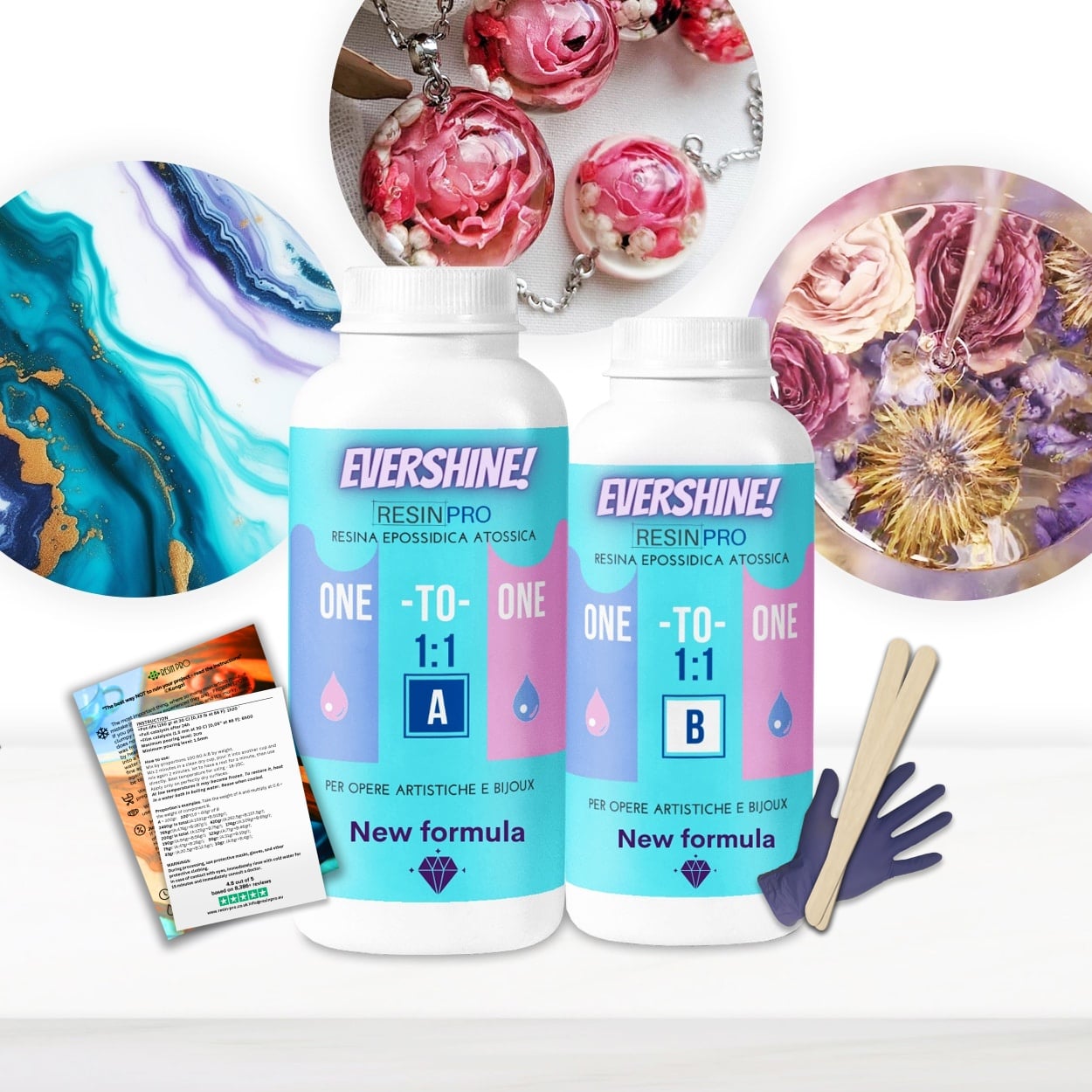 "One-2-One" – Epoxy Resin for Handcraft, 1:1 Mixing RatioPrice range: £15.95 through £59.95"One-2-One" epoxy resin is suitable for beginners and experienced crafters seeking a clear, glossy finish in jewellery and decorative projects.
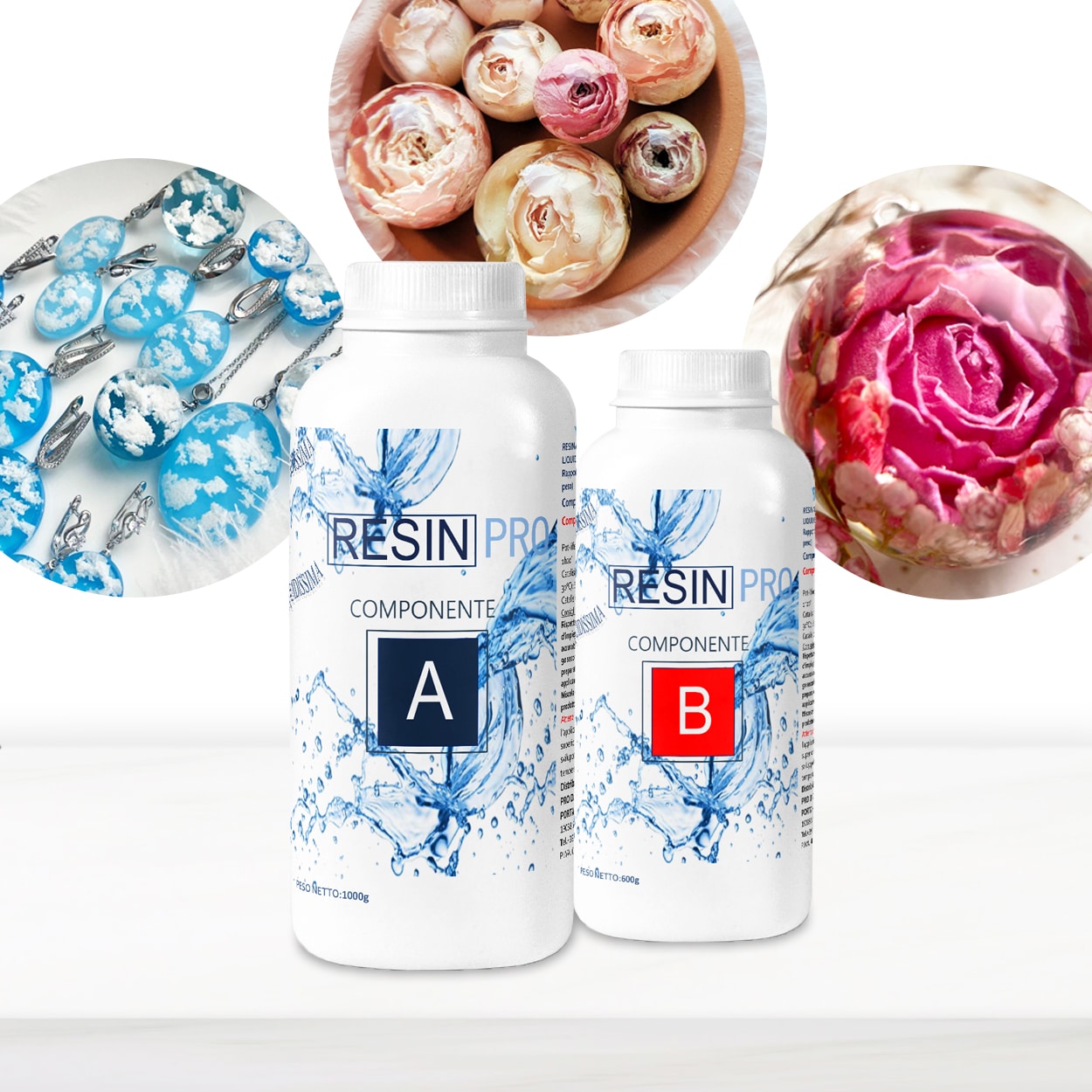 "Liquidissima" – Epoxy Resin For Creations & JewelleryPrice range: £12.85 through £31.85"Liquidissima" epoxy resin offers clear results and a self-levelling finish suitable for intricate moulds in jewellery making.
Frequently Asked Questions
How long does it take for resin jewellery to cure?
UV resin cures in just 2–3 minutes under a UV lamp, while epoxy resin can require 6–12 hours for full curing depending on the formula.
Why is my resin jewellery still sticky after drying?
Sticky surfaces are often due to incomplete curing or incorrect mixing. Follow precise ratios and allow enough time for a full cure.
What is the best place to dry resin jewellery?
Use a clean, dust-free, and temperature-controlled environment to prevent imperfections and support proper curing.
When can I demould and use my resin jewellery?
Demould as soon as the resin is fully cured. Allow additional time before heavy handling to ensure maximum hardness.
Can moisture or humidity affect how resin dries?
Yes, high humidity can slow curing or cause cloudiness. Dry in a low-humidity area for best clarity and finish.
Is UV or epoxy resin better for drying jewellery?
UV resin is faster, ideal for quick projects, while epoxy offers flexibility for more complex or larger pieces.