 Free shipping on orders over £29,85
  Shipping Tracking!


 Google
 Facebook
How to choose resin flooring?
Expert advice on selecting the right resin system for your floor
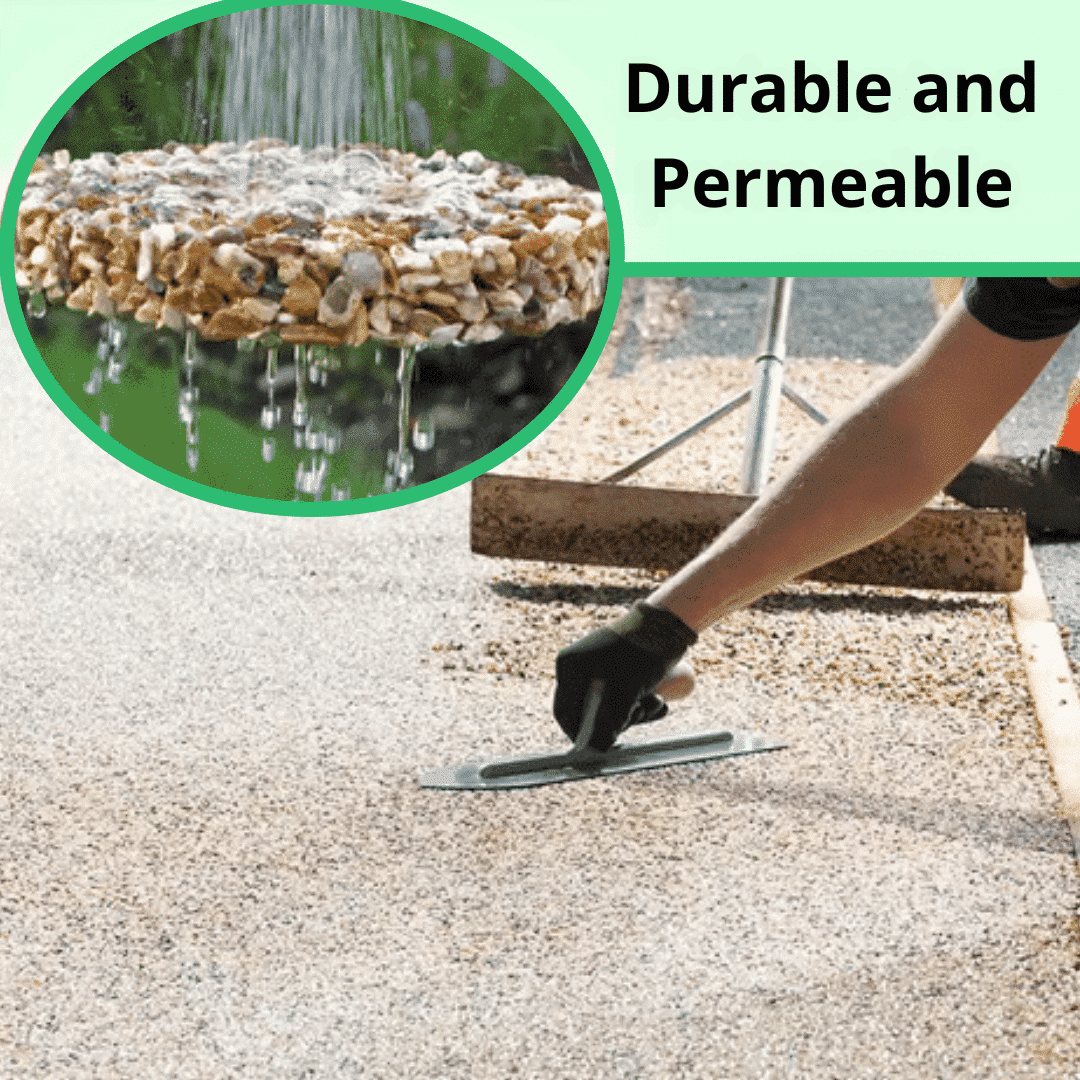
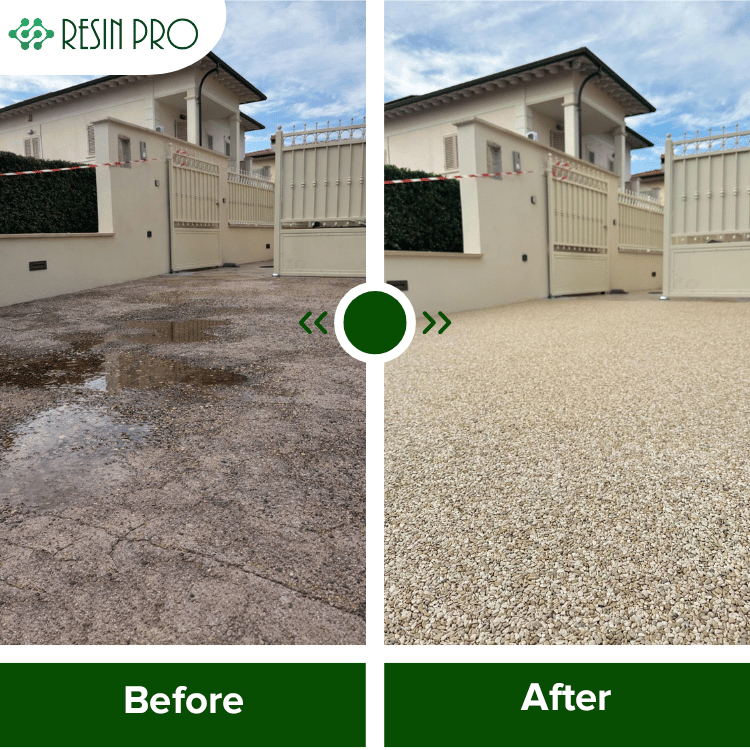
Choosing the right resin flooring is crucial for ensuring long-lasting durability, safety, and visual appeal in both domestic and commercial environments. This page provides a side-by-side comparison of leading resin floor systems, highlighting their strengths and ideal uses—whether you’re tackling a driveway, patio, walkway, or a concrete interior. From understanding resin technology to knowing which system best fits your project, this guide is designed to help homeowners, contractors, and DIYers make informed decisions.
Resin Flooring Options Compared: Key Features and Differences
Resin flooring covers a broad spectrum, from permeable pebble paths to robust concrete resin coatings. When choosing, consider whether you need permeability (for drainage), UV resistance (for outdoor use), ease of application, or compatibility with specific substrates like concrete, timber, or tiles. For example, “Flowstone” – Complete Permeable Floor Kit with Pebbles and Resin is ideal for decorative, joint-free outdoor surfaces, while “Resinstone” – One-Component Methacrylic Resin for Concrete Floors and Driveways ensures waterproofing and fast curing on concrete. Primer selection is also important—good adhesion and a stable base are critical to the longevity of the floor. Below, we detail what distinguishes each solution, so you can match your needs to the optimal product.
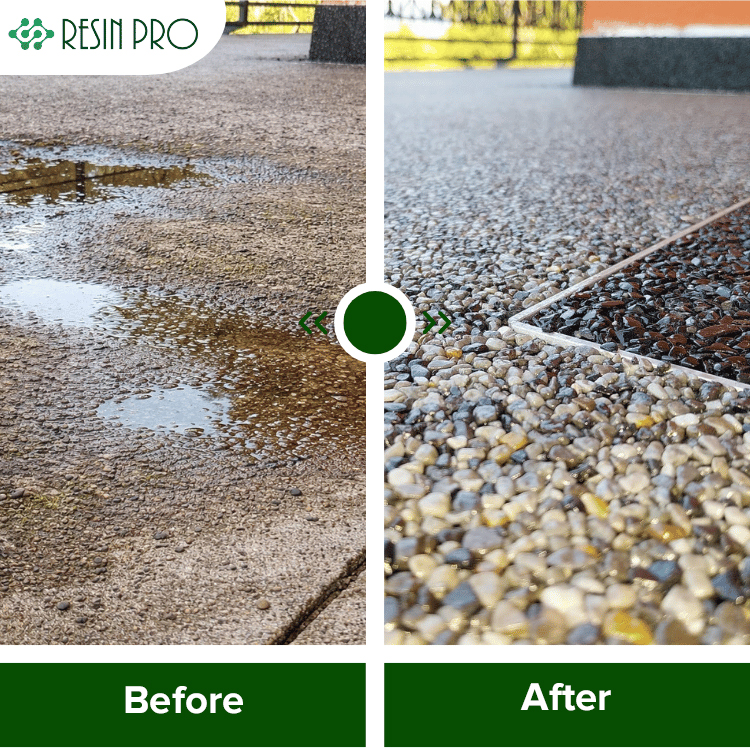
Compare At-A-Glance: Resin Flooring Options
Flowstone provides a fully permeable, attractive surface for outdoor pathways and patios. Resinstone stands out for rapid, robust sealing of concrete, combining mechanical and chemical resistance. Epoxyprimer enhances long-term adhesion across multiple substrate types, essential for both DIYers and professionals. Trasparente creates crystal-clear, UV-stable finishes on vibrant aggregates. Consider traffic, exposure, and design requirements to select your ideal resin solution.
“Flowstone” – Permeable Pebble and Resin Floor Kit
The “Flowstone” – Complete Permeable Floor Kit with Pebbles and Resin delivers a practical and visually appealing surface for driveways, footpaths, and patios. Its main advantage is permeability—allowing water to drain through and preventing surface puddles and slip hazards. The system comes complete with tailored resin options: non-yellowing polyurethane binders for white aggregates, and low-yellowing epoxy binders for coloured stones. With clear step-by-step instructions, it is accessible to all skill levels and offers extensive customisation possibilities, including colour, granule size, and overall finish. If you’re aiming for a sustainable, joint-free, and decorative floor, this kit is an excellent all-in-one solution.
“Resinstone” – Methacrylic Resin for Concrete Floors
If your priority is sealing and protecting concrete surfaces from water, chemicals, and UV exposure, the “Resinstone” – One-Component Methacrylic Resin for Concrete Floors and Driveways is purpose-built for the task. It’s a single-component system that allows for quick, straightforward application by both professionals and DIYers. Once applied, it forms a highly durable barrier, safeguarding against abrasion, weathering, and chemical attack while remaining breathable to prevent trapped moisture. For rapid project completion, this resin dries to touch within 20–30 minutes and is ready for use after 12 hours, making it ideal for garages, driveways, and outdoor surfaces requiring robust, long-term resistance.
“Epoxyprimer” – Water-Based Floor Primer
Any resin flooring project—whether on concrete, wood, or tiles—benefits from a high-performance primer. “Epoxyprimer” – Universal Water-Based Two-Component Epoxy Floor Primer is designed for maximum substrate compatibility, supporting adhesion on surfaces like concrete, timber, screeds, and ceramics. Its water-based, odourless formula makes it especially suitable for indoor use. With application by roller, brush, or spatula, and a curing window of 24–48 hours, this primer establishes a strong foundation and extends the lifespan of your finished resin floor.
“Trasparente” – Epoxy Binder for Coloured Pebbles and Grits
For vibrant, decorative aggregate surfaces, especially where colour retention and UV resistance are paramount, “Trasparente” – Epoxy Binder for Coloured Pebbles and Grits offers unmatched clarity and durability. This two-part system works with a broad palette of warm and dark stones, delivering a glossy, non-yellowing finish without compromising strength or walkability. Its low viscosity ensures fast, bubble-free impregnation of grits and pebbles, while its non-toxic certification after curing means it’s safe for household and high-traffic environments.
Choosing the Right Resin Flooring for Your Project
When deciding on a resin floor, consider practical requirements: Do you need drainage (choose a permeable solution such as Flowstone or Trasparente for aggregate floors)? Is your surface absorbent concrete needing a hardwearing seal (Resinstone)? Primer compatibility is also essential—especially for tiled, wooden, or screeded bases—where Epoxyprimer ensures a stable foundation. Always match your chosen resin type to your aggregate colour and traffic expectations, and follow all supplier guidance for mixing ratios, cure times, and weather limitations to guarantee a floor that delivers durability and appearance.
Expert Tips on Installing Resin Floors
Proper surface preparation is the foundation of any successful resin floor. Always clean, dry, and, if necessary, prime your substrate before resin application. Mix resin and aggregates precisely to achieve even, bubble-free finishes—follow recommendations for resin-to-stone ratios. For outdoor projects, check weather conditions and avoid application when rain, frost, or extreme heat is forecast. Lastly, explore the full range to ensure the finish, permeability, and longevity you require for your specific setting.
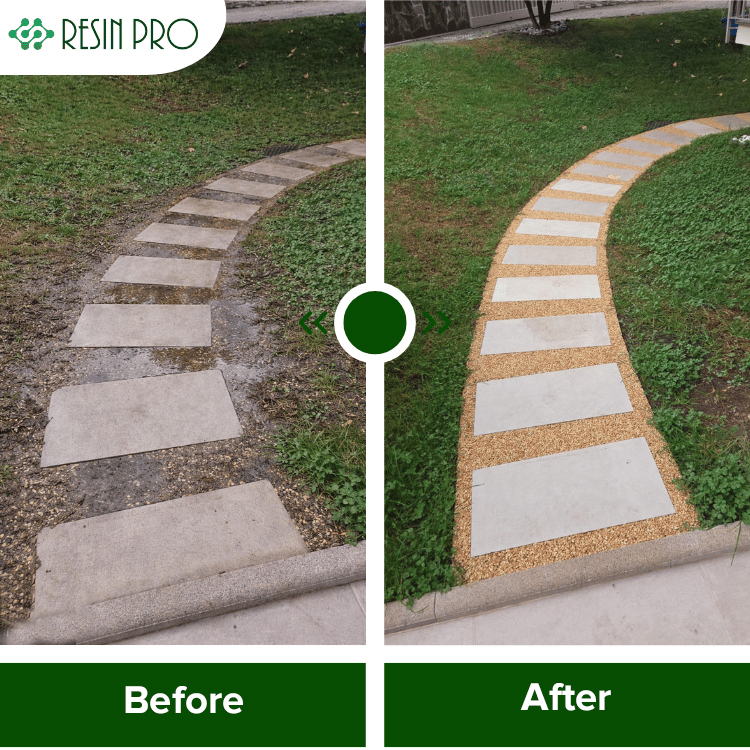
- "Flowstone" – Complete Permeable Floor Kit with Pebbles and ResinPrice range: £49.95 through £3,915.45Flowstone kit offers a permeable pebble and resin flooring system for outdoor driveways, footpaths, and patios with detailed application guidance.
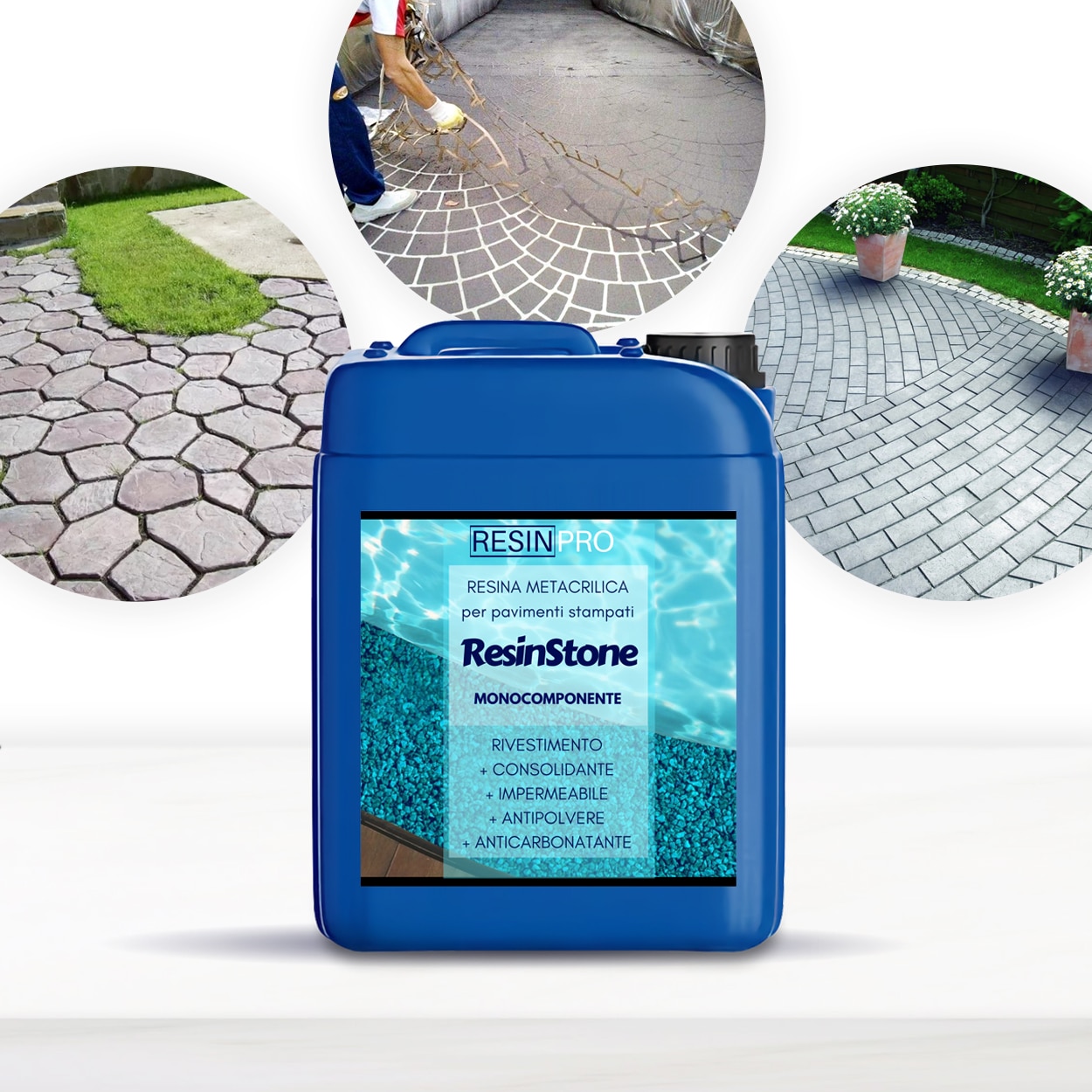 "Resinstone" – One-Component Methacrylic Resin for Concrete Floors and DrivewaysPrice range: £36.71 through £336.48"Resinstone" is a one-component methacrylic resin designed for durable protection of concrete floors and driveways, suited to the theme How to choose…
 "Epoxyprimer" – Universal Water-Based Two-Component Epoxy Floor PrimerPrice range: £156.45 through £286.45Epoxyprimer is a water-based epoxy floor primer suitable for concrete, timber, tiles, and screeds with simple application methods.
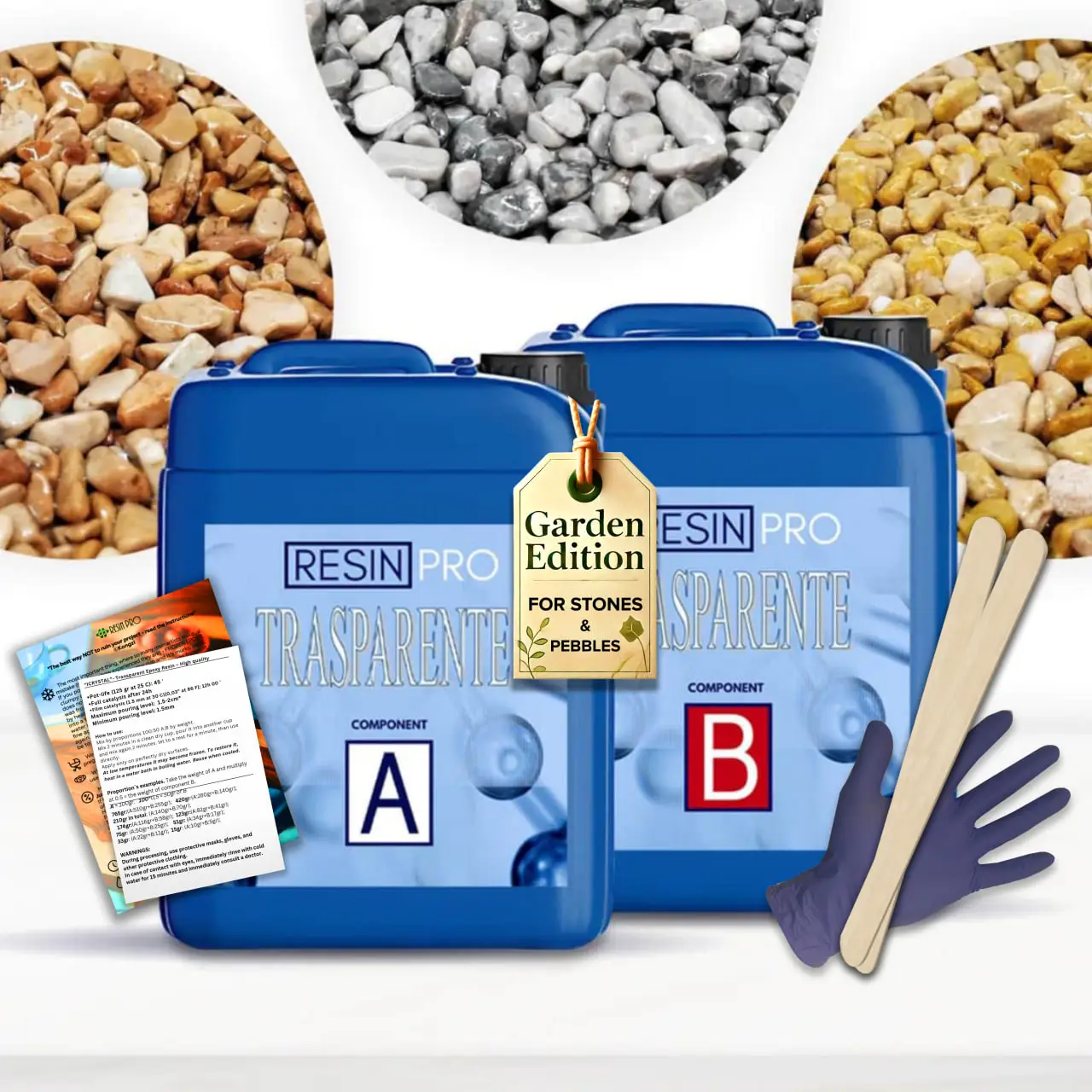 "Trasparente" – Epoxy Binder for Coloured Pebbles and GritsPrice range: £33.45 through £397.95"Trasparente" is a transparent epoxy binder designed for coloured pebbles and grits, suitable for flooring projects requiring UV resistance and clear…
Frequently Asked Questions
What types of resin do you offer for flooring?
Our range includes binders for permeable pebble flooring, concrete protection, coloured grit surfaces, and universal primers for substrate preparation.
Are specific weather conditions required for resin application?
Yes; optimal adhesion and curing rely on suitable temperatures and humidity. Avoid extremes such as frost, rain, and very high heat.
What is a permeable floor?
A permeable floor allows water to pass through, preventing puddles and reducing flood risks. It is achieved with special aggregates and resins.
Can I install a permeable floor myself?
Yes, the process is user-friendly and requires no specialist skills. For large surfaces, a cement mixer makes mixing easier.
Are permeable floors suitable for high-traffic areas?
Permeable resin and granule floors are strong and durable enough for driveways, car parks, and pedestrian zones when laid with correct binders.
What binder is recommended for coloured stones or natural-tone aggregates?
Epoxy binder with about 3% resin by stone weight is preferred for coloured or natural aggregates to ensure robust, lasting results.
How can loose gravel be reinforced after laying?
Remove and mix the top gravel layer with resin binder, then re-lay and compact for improved stability and bonding.