 Free shipping on orders over £29,85
  Shipping Tracking!


 Google
 Facebook
How to use epoxy primers?
Step-by-step guide to achieving durable, professional finishes
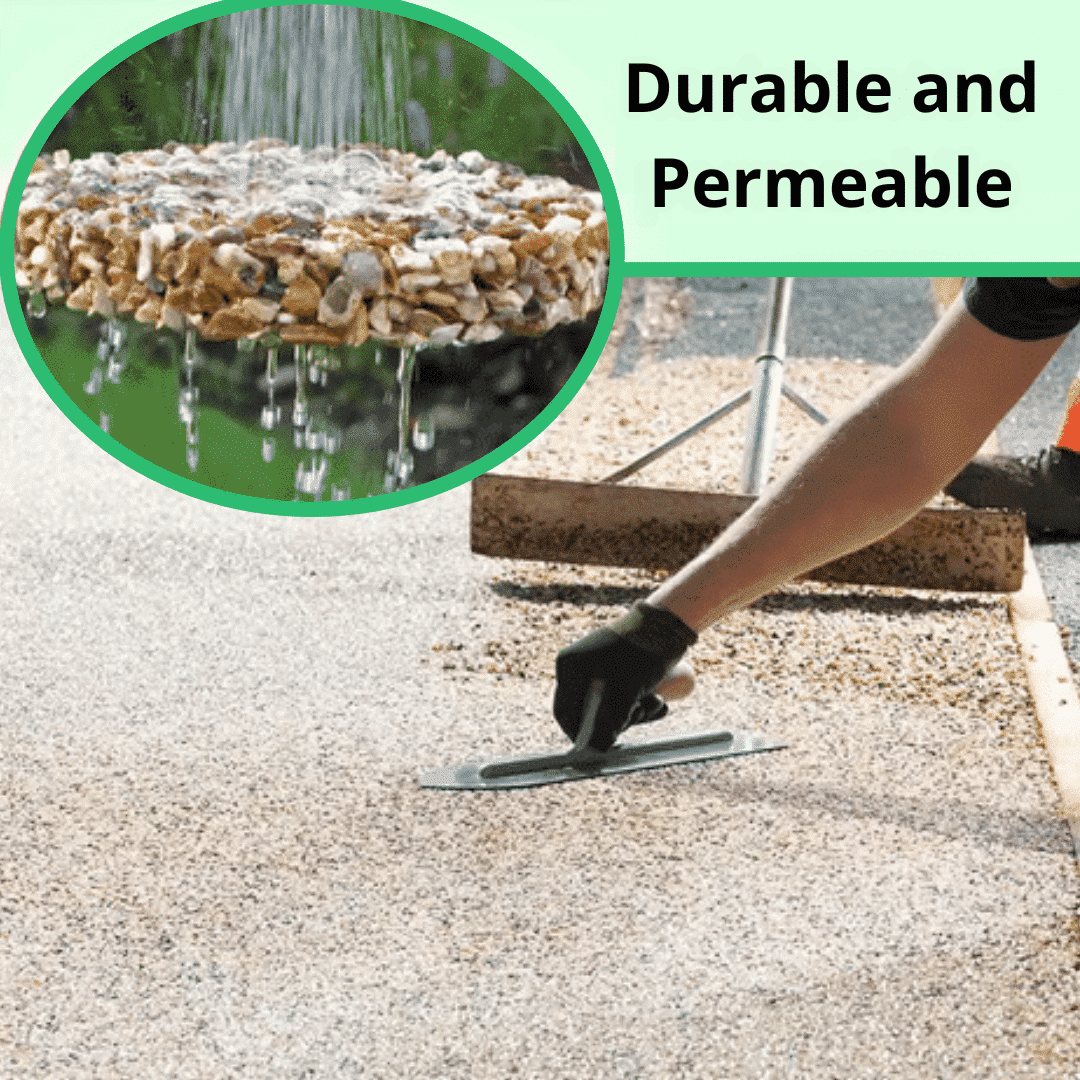
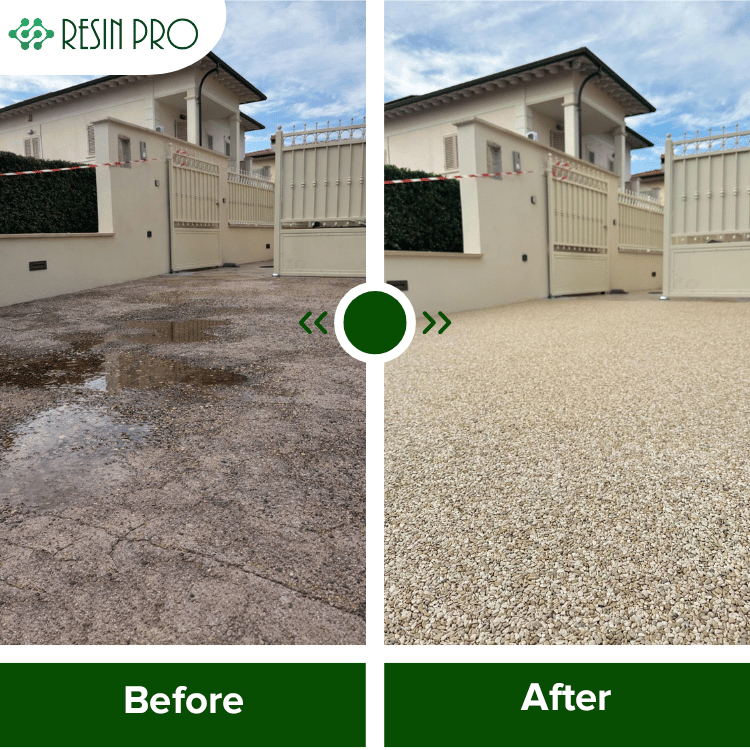
Applying an epoxy primer is a crucial step in preparing floors, tiles, and similar surfaces before adding resin-based coatings or decorative finishes. The result is improved adhesion, longer-lasting performance, and increased resistance to wear and moisture. Whether you are a DIYer, resin artist, or contractor, mastering this process ensures the best foundation for your chosen surface system.
What You’ll Need
- “Epoxyprimer” – Universal Water-Based Two-Component Epoxy Floor Primer – A water-based epoxy primer for strong adhesion on concrete, screeds, tiles, or timber.
- “Flowstone” – Complete Permeable Floor Kit with Pebbles and Resin – For finishing permeable surfaces or outdoor decorative applications after priming.
- Protective gloves and mask
- Roller, brush, or spatula for application
- Cleaning tools (broom, vacuum, mop)
- Mixing container and stick
- Masking tape (if needed)

Visual Guide to Primer Tools & Surfaces
See key tools like rollers, spatulas, and mixing containers that ensure efficient and even primer application. Surfaces such as concrete, tiles, and timber can all benefit from careful cleaning and preparation before you start.
Step 1: Prepare and Clean the Substrate
Start by ensuring your target surface is dry, clean, and free of dust, grease, or debris. Remove any loose particles using a broom or vacuum, mop off any spills, and allow the area to dry thoroughly. If there are cracks or holes in concrete, consider filling them beforehand. Careful preparation prevents contaminants from interfering with primer adhesion and final coating performance.
Use masking tape to protect adjacent walls or features from accidental splashes during application if desired. This attention to detail at the start lays the groundwork for a uniform, reliable finish.
Step 2: Mix the Epoxy Primer Thoroughly
Epoxy primers are usually supplied in two separate components—a resin (A) and a hardener (B). Accurately mix these in the recommended ratio (for example, 100:40) as advised by the manufacturer. Blend them slowly in a clean container to prevent air bubbles, using a mixing stick.
Once mixed, you will have a limited working time (pot life) before the product begins to set, so only prepare as much as you can apply immediately.
If you are using the “Epoxyprimer” – Universal Water-Based Two-Component Epoxy Floor Primer, follow all mixing and application instructions for best adhesion on concrete, tiles, screeds, or timber.
Step 3: Apply the Epoxy Primer Evenly
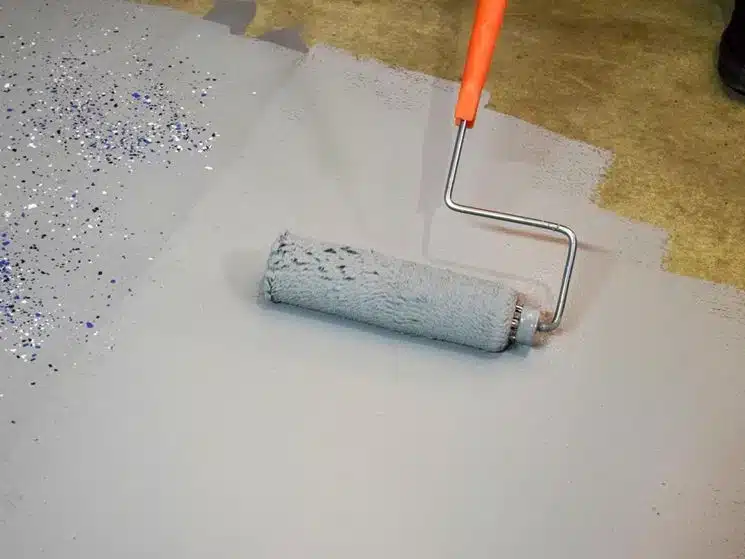
After mixing, pour the epoxy primer onto the prepared surface. Use a roller, brush, or spatula to spread the primer in a thin, uniform layer. Work methodically from one side to the other to prevent patchiness or missed areas. Avoid leaving puddles, and make sure the entire substrate is fully covered for consistent results.
Depending on surface porosity, you may need more or less product—refer to coverage guidelines for precise application rates (typically 100–300 g/m²).
Step 4: Curing and Readiness for Finish Coating
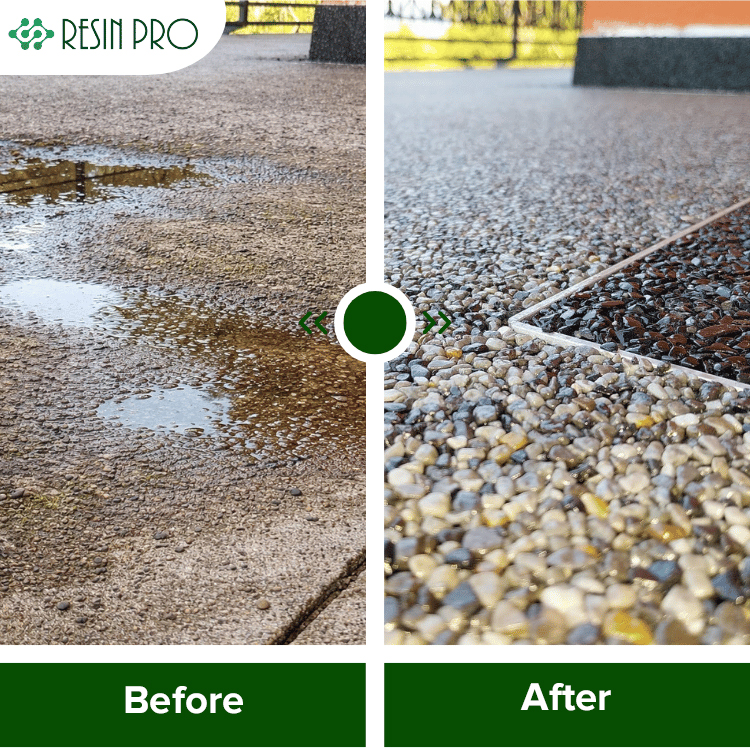
Allow the applied epoxy primer to dry and cure undisturbed. Curing can take 24–48 hours at room temperature. Do not proceed with any additional coatings—or apply decorative/resin systems such as the “Flowstone” – Complete Permeable Floor Kit with Pebbles and Resin—until the primer is fully cured and tack-free. This ensures optimal adhesion for the finishing layer and prevents imperfections.
Avoid walking or placing objects on the primed surface while it is curing, as this can compromise the final result.
Tips and Common Mistakes to Avoid
Avoid applying the primer in very cold, hot, or humid conditions, as this may affect curing and bonding. Do not use old or improperly stored product components. Always respect the manufacturer’s mixing ratios and curing advice for best results. Skipping cleaning or not allowing full curing is a common mistake that can lead to peeling or adhesion failure later.
Following each step meticulously leads to a smooth, professional base that maximises the life of any subsequent floor or decorative system.
Professional Results with Consistent Techniques
Careful mixing, even spreading, and respecting curing times are essential to achieving a flawless primed surface ready for resin, decorative coatings, or outdoor finishes.

- "Epoxyprimer" – Universal Water-Based Two-Component Epoxy Floor PrimerPrice range: £156.45 through £286.45"Epoxyprimer" is a water-based two-component epoxy primer suitable for preparing surfaces like concrete, tiles, and timber in epoxy flooring systems.
- "Flowstone" – Complete Permeable Floor Kit with Pebbles and ResinPrice range: £49.95 through £3,915.45"Flowstone" kit provides a durable permeable pebble and resin floor system with guidance on resin selection for colour preservation.
Frequently Asked Questions
Which surfaces can epoxy primers be used on?
They are suitable for concrete, ceramic tiles, screeds, and timber provided the surfaces are clean and dry.
How long does epoxy primer take to cure?
It generally takes between 24 and 48 hours at room temperature for full curing before subsequent coatings.
Does epoxy primer have odour or is it safe for indoor use?
Water-based epoxy primers are odourless and safe for indoor applications without harmful fumes.
Can I use epoxy primer for outdoor applications?
Yes, as long as weather conditions allow proper curing and the surface is compatible with the primer.
What is the correct mixing ratio for epoxy primers?
Always follow the manufacturer's instructions; some primers require a 100:40 ratio between resin and hardener.
Can I walk on the primed surface before curing?
No, doing so can ruin the finish and reduce adhesion, so avoid any traffic until fully cured.
What should I do if I make a mistake during application?
If patches are missed or the layer is uneven, lightly sand the area after curing and reapply primer as needed.