 Free shipping on orders over £29,85
  Shipping Tracking!


 Google
 Facebook
← Back to What do I do with 1kg of silicone rubber?
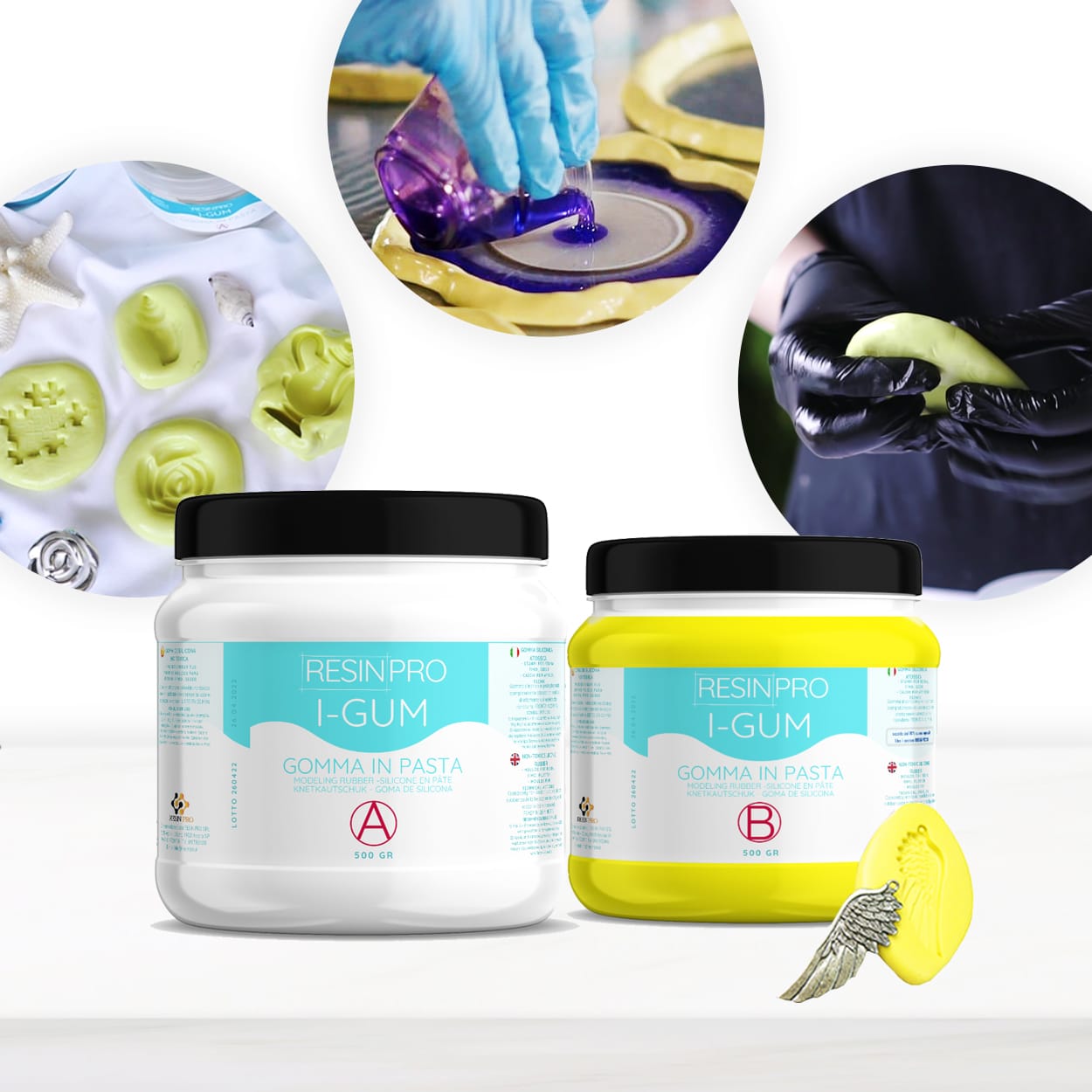
If you’re just starting out with silicone mould making, it can be tricky deciding between silicone putty and liquid silicone. Both can create excellent results, but your choice will affect how easy your first experience is.
Silicone Putty: The Quick and Simple Route
For many beginners, silicone putty—such as I–Gum—is the most straightforward option. Simply mix equal parts by hand, press the putty directly onto your object, and wait a short time (typically 20–40 minutes) for it to cure. There’s usually no need for special tools, release agents, or precision pouring, which makes it a low-fuss way to capture basic shapes. Non-toxic, with minimal odour, it’s ideal for smaller objects, jewellery, or creative crafts where convenience is a priority.
Liquid Silicone: Flexibility and Finer Detail
Liquid silicone, such as Pure Mould, offers greater flexibility for more complex shapes and finer details. However, it does require careful mixing, pouring into a prepared mould box, and a longer curing time (several hours). Beginners willing to take on a little extra setup can achieve highly detailed, reusable moulds suitable for resin, wax, or even soap casting. This method is often preferred for larger or more intricate projects once you’re ready to advance your skills.
When to Choose Each Type
- Choose putty when you want speed, simplicity, and direct moulding—perfect for one-off crafts, small items, or fast experiments.
- Choose liquid silicone if you need detailed, professional results or plan to reproduce an object many times.
Related products
Related guides
Both putty and liquid silicone can be used effectively even in smaller quantities like 1kg. Whether you start simple or dive straight into detailed moulds, matching your choice to your project needs will ensure the best results. For more comprehensive guidance on using your silicone rubber, explore our main guide.